Waking up with a quiet stomach only to feel uncomfortable, heavy, or bloated by mid-afternoon is incredibly frustrating. It usually means something in your routine is irritating your digestion, but pinpointing the exact cause can feel like guessing in the dark.
Your digestive system is remarkably responsive to your environment, your stress levels, and the subtle ways you structure your meals. When things feel off, the instinct is often to start cutting out entire food groups in a panic. Most of the time, that is entirely unnecessary. Small, unhurried adjustments to how and when you eat often make the biggest difference.
Research suggests that chronic digestive upset is frequently tied to a handful of very common daily habits. By recognizing these patterns, you can start making choices that support your body rather than fighting it.
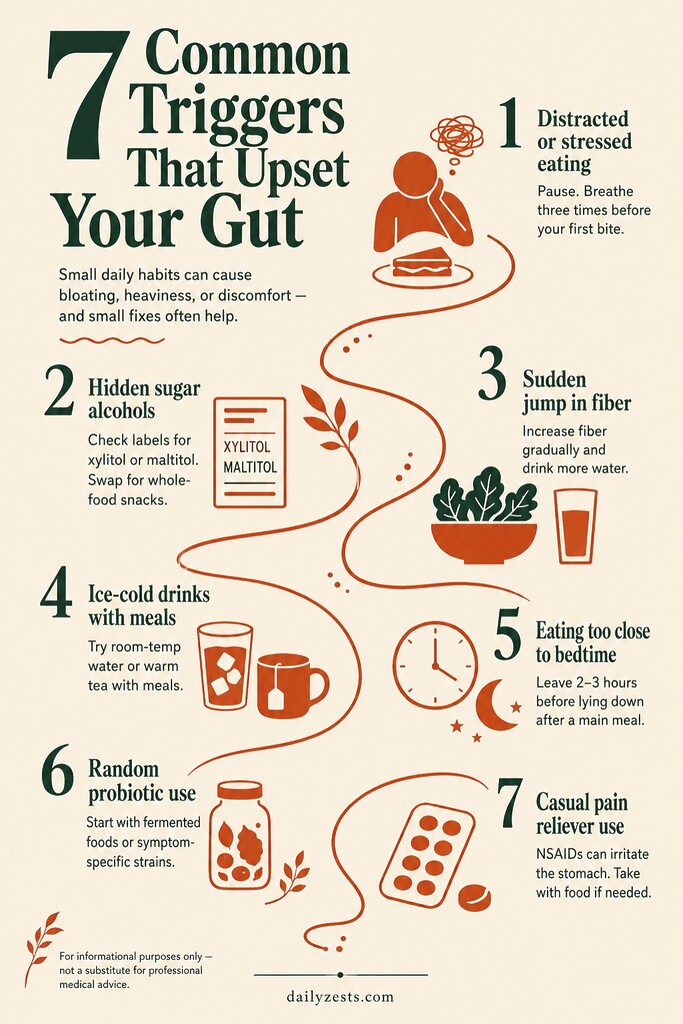
1. Eating While Distracted or Stressed
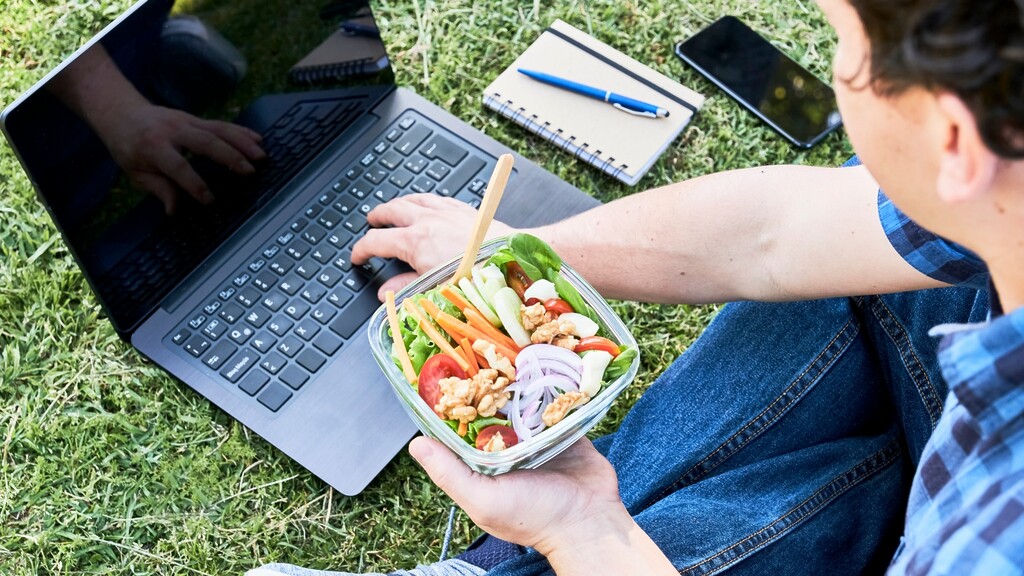
We treat eating like a background activity. You might be answering emails, scrolling through your phone, or driving while trying to finish a sandwich. The problem is that digestion is a parasympathetic process. Your body needs to be in a state of rest to break down food efficiently.
When you are stressed or distracted, your nervous system remains in a mild state of fight-or-flight. Blood flow is diverted away from your digestive organs and toward your muscles. Without adequate blood flow and enzyme production, food sits heavy in your stomach.
The fix here does not cost anything. Before your first bite, take three slow breaths. Acknowledge the food in front of you. This simple pause signals your nervous system that it is safe to shift resources toward digestion.
2. Hidden Sugar Alcohols
A few years ago, I was struggling with an intense 3 PM energy crash tied to insulin resistance. I started swapping my afternoon snacks for “sugar-free” alternatives. Almost immediately, my stomach became completely unmanageable. I felt bloated and uncomfortable for hours.
Actually, let me clarify that. Not all sugar replacements are the enemy, but the concentrated sugar alcohols found in many diet bars and zero-calorie treats tend to cause the most trouble. Many ingredients ending in “-ol,” especially xylitol and maltitol, are incompletely absorbed by the body. When they reach your large intestine, your gut bacteria ferment them. That fermentation produces a significant amount of gas.
Check the nutrition labels on your protein bars or sugar-free treats. If you see those ingredients and you frequently feel bloated after eating them, try swapping them for a handful of almonds or a piece of whole fruit.
3. A Sudden Increase in Fiber
Deciding to eat healthier often leads to a massive salad for lunch and a bowl of roasted broccoli for dinner. It is a fantastic intention. It is also a very common way to upset your stomach.
Your gut microbiome adapts to what you feed it consistently. If you typically consume low amounts of fiber and suddenly introduce 30 grams a day, the bacteria in your digestive tract will struggle to keep up. The result is usually cramping and bloating.
Your body needs time to build the right microbial workforce to break down roughage. Add just a few grams of fiber every few days. Drink plenty of water alongside it, as fiber absorbs liquid to move smoothly through your system.
4. Ice-Cold Drinks with Meals
I love a tall glass of ice water, especially watching the condensation drip down the glass on a warm afternoon on the porch. Pouring that same ice water over a heavy meal can be tough on a sensitive stomach.
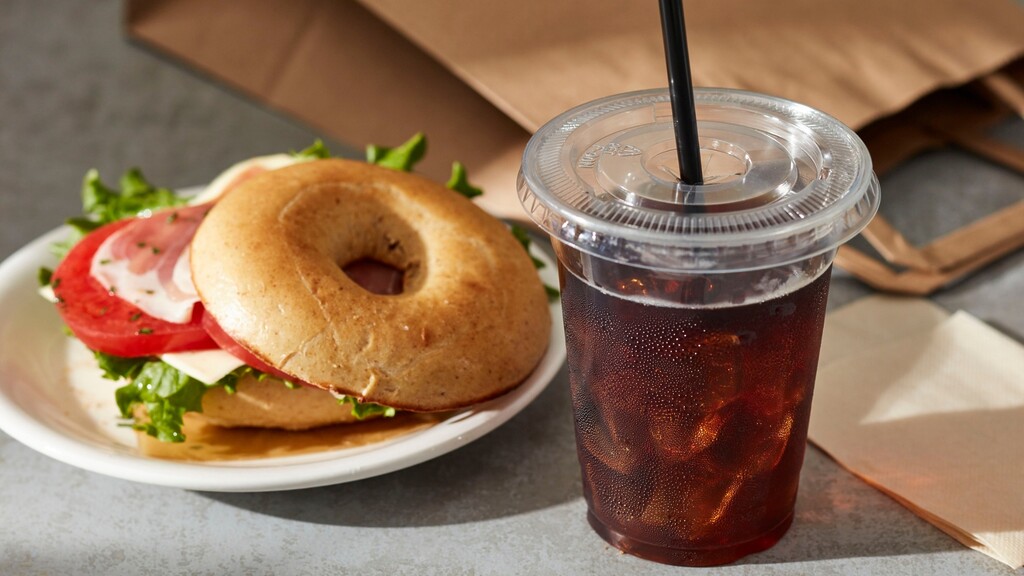
Traditional medicinal practices have advised against ice-cold drinks during meals for centuries, and many people find their digestion improves when they switch to room-temperature beverages. Very cold liquids can temporarily slow early gastric emptying in small studies, though the effect appears short-lived and is not the same as making fats harder to break down.
You do not have to give up your iced coffee. Just try sticking to room-temperature water or a warm herbal tea while you are actively eating lunch or dinner.
5. Eating Too Close to Bedtime
Digestion is a highly active process that requires a lot of energy. When you eat a large meal and immediately lie down, you are working against gravity and your body’s natural circadian rhythm.
I know what you are thinking. What if you are genuinely hungry at 9 PM? You should never force yourself to go to sleep with a growling stomach. That just leads to poor sleep.
The issue is more about volume and timing. If you are hungry late at night, reach for something small and easy to digest, like a small cup of yogurt or half a banana. For your main meals, try to leave a two to three-hour window before lying down so your stomach has time to empty.
6. Random Probiotic Supplementation
We often treat probiotics as a universal cure for any stomach issue. You walk into a store, grab the bottle with the highest billion-count on the label, and hope for the best. Sometimes this introduces competing strains into a gut that is already out of balance, which can temporarily increase gas and discomfort.
More is not always better when it comes to living bacteria. Focus on fermented foods first, or look for specific strains that have been studied for your particular symptoms.
7. The Casual Use of Pain Relievers
It is incredibly common to pop an ibuprofen for a mild headache or sore muscles without a second thought. We reach for them casually, often on an empty stomach.
Nonsteroidal anti-inflammatory drugs (NSAIDs) are known to irritate the stomach lining. Frequent use can reduce the protective mucus layer in your gut, leading to low-grade inflammation and discomfort that you might mistakenly blame on yesterday’s dinner.
My editorial stance on this is simple. We often accept digestive pain as the cost of treating muscular pain, but that is a harsh trade. If you need a pain reliever, take it with food or milk if stomach upset occurs and follow the label. This isn’t medical instruction, so always consult your doctor if you are relying on these medications frequently, as they can help you find alternatives that are kinder to your digestive tract.
Learning your own specific triggers takes a little patience. Try adjusting just one of these habits tomorrow morning, perhaps starting with a few quiet breaths before breakfast, and see how your body responds.
Kristina Hanson is an independent wellness researcher and the founder of DailyZests. She specializes in translating nutritional science into simple, delicious recipes that fit into real life. When she isn’t in the kitchen, you’ll find her hiking the trails or enjoying a slow morning coffee with her Golden Retriever, Barnaby. Read her full story.



 This post may contain affiliate links.