I used to think of fiber as the punishment part of nutrition. The cardboard-tasting cereals, the chalky powders, and the giant plates of plain broccoli you ate just because you were supposed to. But when I was trying to figure out how to stop my daily 3 PM blood sugar crashes, I realized that finding easy ways to eat more fiber was actually the secret to keeping my energy steady all afternoon.
You don’t need to force down foods you despise to hit your goals. You just need to know where to tuck a little extra goodness into the meals you already enjoy.
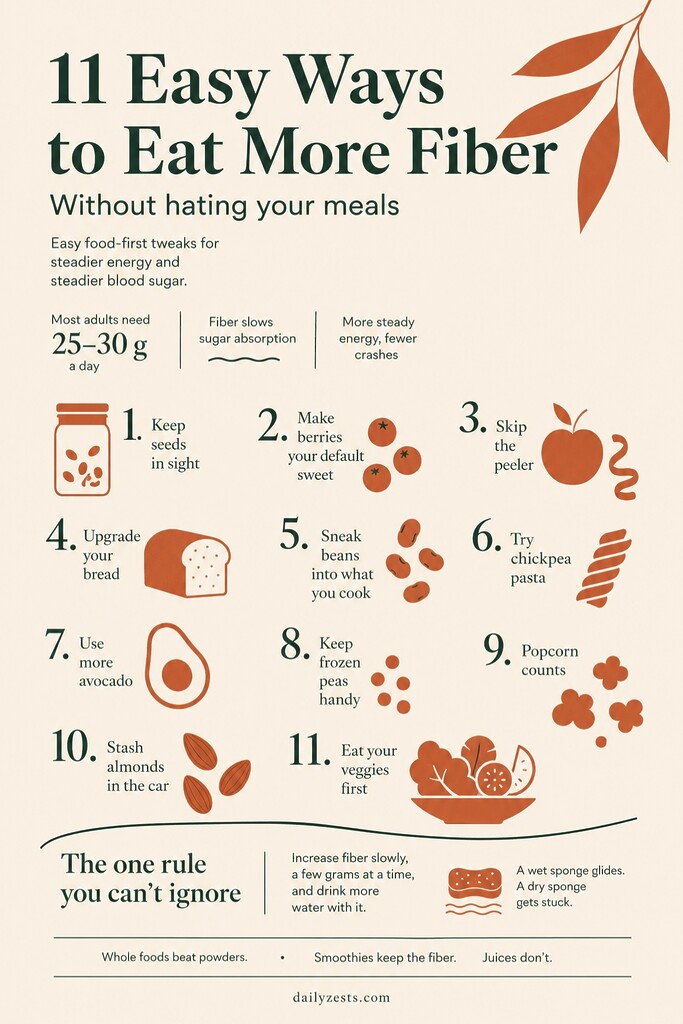
Most of us fall significantly short of the recommended daily fiber intake, which sits around 25 to 30 grams for adults. For a long time, my own plate was mostly quick carbs and protein. It tasted great in the moment, but an hour later, my blood sugar would spike, and I would be exhausted, reaching for another cup of coffee.
Here is what finally clicked for me: fiber acts like a gentle brake pedal for your digestion. It slows down how quickly your body absorbs sugar, which means you get a steady drip of energy instead of a sudden flood and a miserable crash. Adding high fiber foods to my plate was what worked for me when nothing else did.
11 Easy Ways to Add Fiber to Your Day
1. Keep your seeds where you can see them
Chia, flax, and hemp seeds are absolute powerhouses, but they usually go to die in the back of the pantry. I finally bought a few cheap, clear glass jars and put them right next to my coffee maker. Now, I remember to toss a tablespoon of chia seeds into my morning smoothie or sprinkle hemp hearts over my yogurt. Just two tablespoons of chia seeds give you nearly 10 grams of fiber.
2. Make berries your default sweet
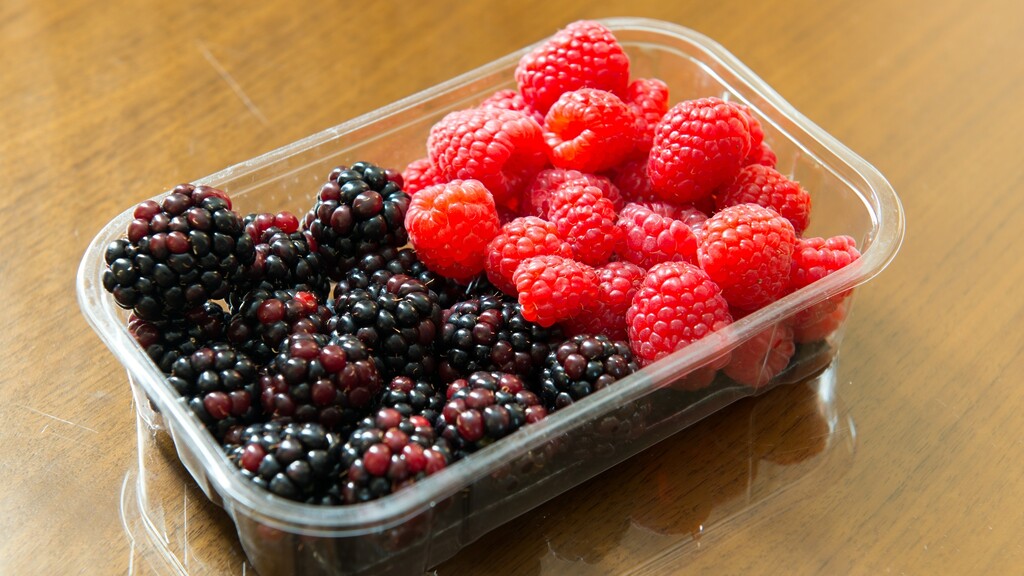
Not all fruit is created equal when it comes to roughage. Raspberries and blackberries are the quiet overachievers of the produce aisle. A single cup of raspberries has 8 grams of fiber. When I want something sweet after dinner, I keep a bowl of washed berries in the fridge. They pair beautifully with a square of dark chocolate, and you don’t even feel like you’re trying to be healthy.
3. Step away from the peeler
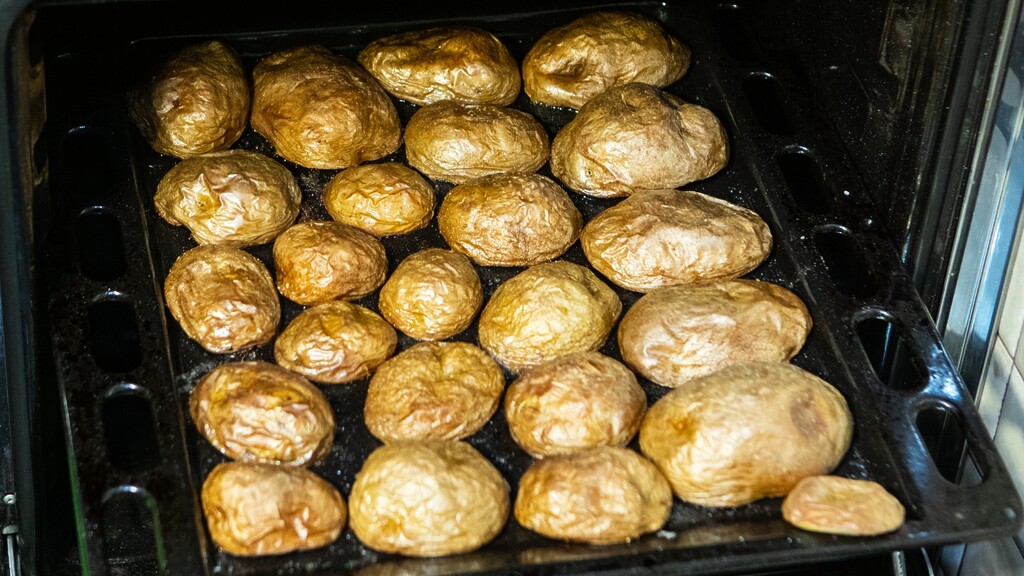
We spend so much time peeling apples, cucumbers, and potatoes, effectively throwing the best part right into the compost bin. The skin is where a massive concentration of the fiber lives. Give your produce a thorough scrub under warm water and leave the skin on. Rustic mashed potatoes with the red skins mixed in actually taste better anyway.
4. Upgrade your sandwich bread
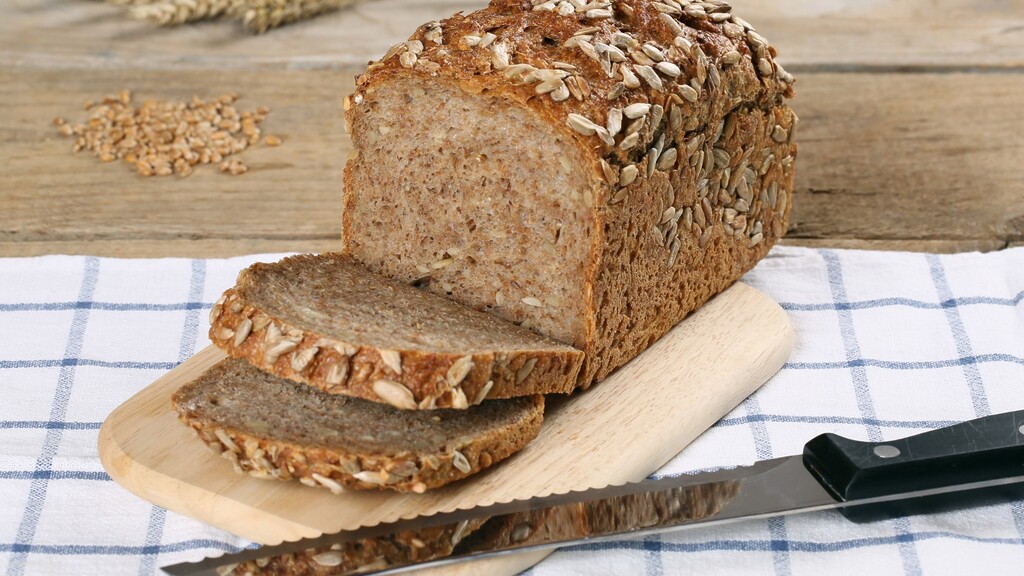
You do not have to give up bread. Just make the bread work harder for you. Swapping a standard white slice for a hearty, seeded whole grain loaf can add 3 to 5 extra grams of fiber per slice. If a bread feels heavy in your hand, you are usually on the right track.
5. Sneak beans into things you already cook
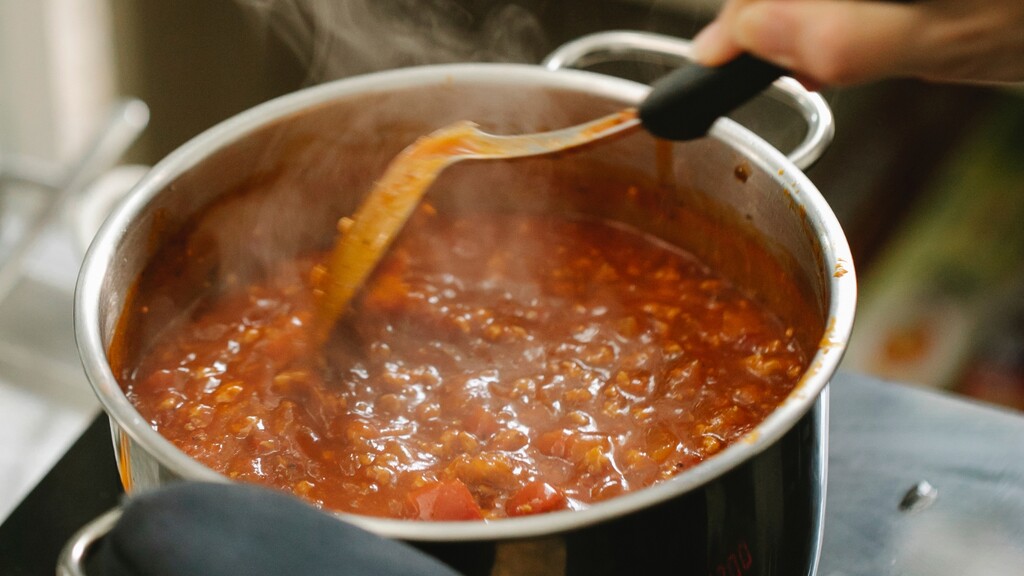
I know, beans in everything sounds like a recipe for a bad time. But black beans and white beans are almost entirely flavorless when mixed into a heavily seasoned dish. I mash white cannellini beans into my meatballs and stir half a can of black beans into taco meat. It stretches your grocery budget and sneaks in a massive fiber boost.
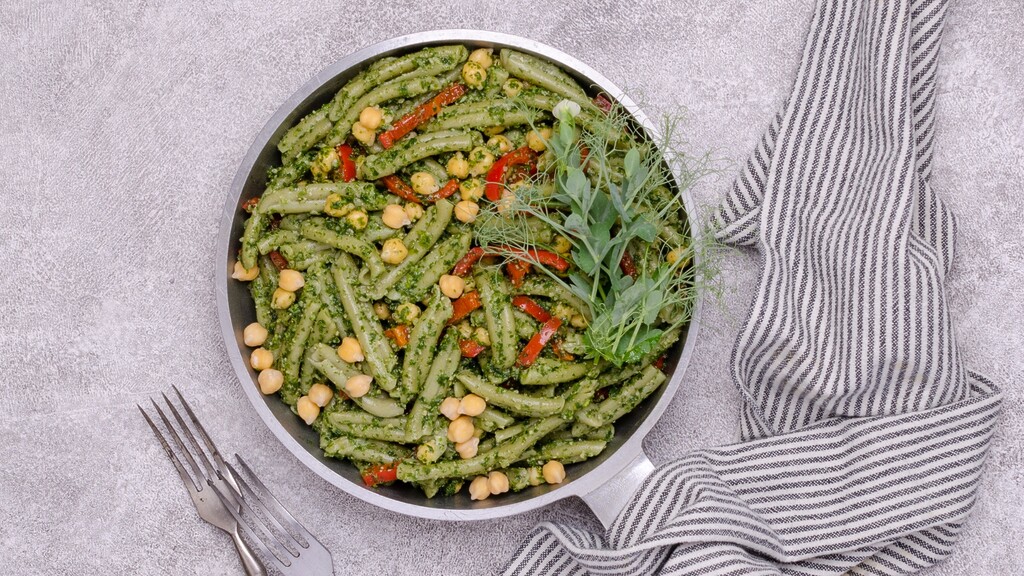
6. The chickpea pasta pivot
I was highly skeptical of pasta made from beans. Early versions tasted exactly like a dusty pantry. But the newer chickpea and lentil pastas are genuinely good, packing up to three times the fiber of traditional noodles. Here is the trick to making it work: cook it for exactly one minute less than the box suggests, or it will turn to mush in your sauce.
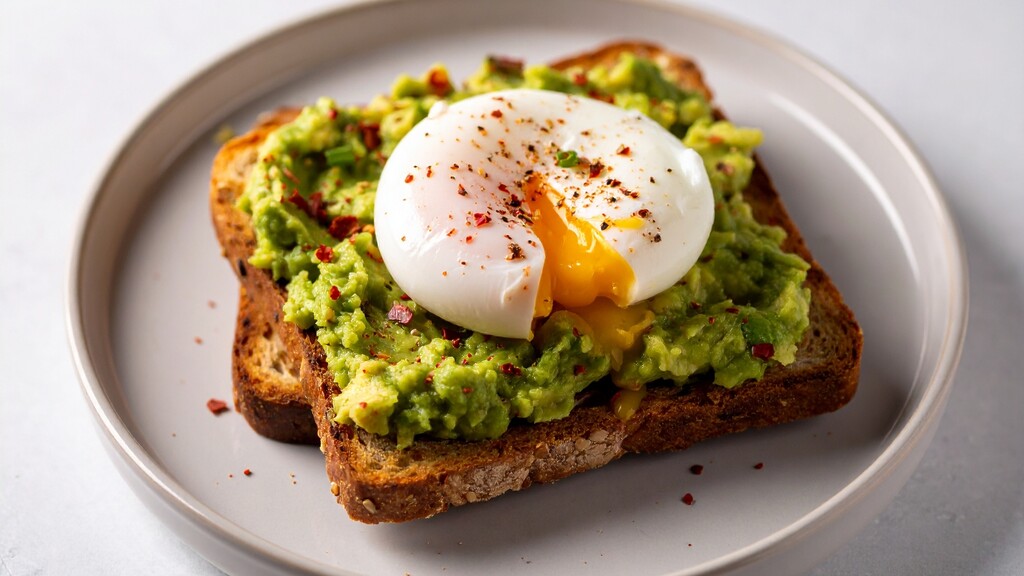
7. Embrace the avocado
We tend to think of avocados entirely as healthy fats, but a whole medium avocado contains nearly 14 grams of fiber. You don’t have to eat the whole thing at once. Smash a quarter of one onto your sandwich instead of mayonnaise, or dice a bit over your morning eggs.
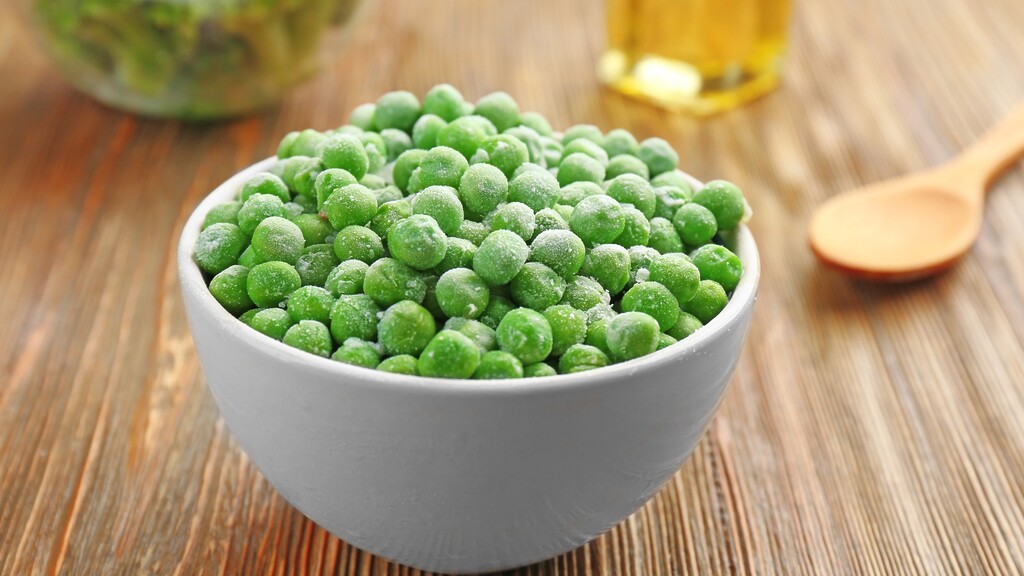
8. Keep frozen peas on standby
Frozen peas are cheap, they last forever, and a single cup holds about 7 grams of fiber. Because they are so small, they thaw almost instantly when tossed into a hot meal. Stir a handful into hot macaroni and cheese, chicken noodle soup, or a batch of fried rice right at the very end of cooking.
9. Popcorn is a whole grain
When you need a crunch in the evening, skip the pretzels. Popcorn is entirely whole grain. Three cups of air-popped popcorn give you a decent fiber bump for very few calories. Just go easy on the melted butter if you’re eating it every single night.
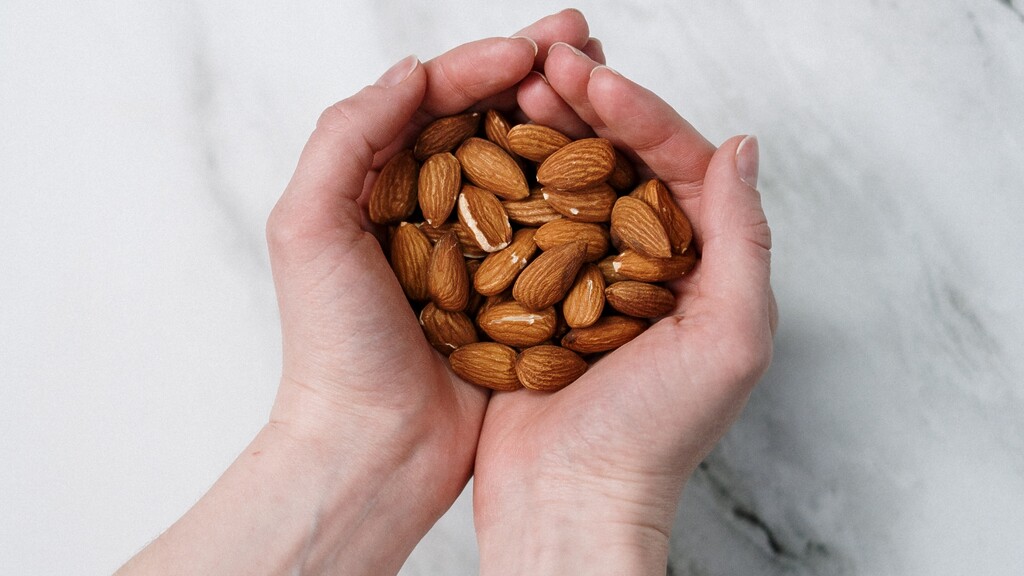
10. Stash almonds in the car
I used to hit the drive-thru when I got ravenous running errands. Now, I keep a small, sealed jar of almonds in the center console of my car. An ounce of almonds (about 23 nuts) has 3.5 grams of fiber. It’s just enough to quiet my stomach and help keep my blood sugar steadier until I get home.
11. Eat your veggies first
This is a behavioral trick more than a recipe. If you put a small serving of vegetables (like a few baby carrots or a tiny side salad) on your plate and eat it before touching the rest of your meal, you guarantee the fiber gets eaten. By the time I get to the heavier foods, I already have a solid base of roughage in my system.
The One Rule You Cannot Ignore
If you take this list, run to the grocery store, and eat 30 grams of fiber tomorrow when your body is used to 10, you are going to be miserable. Your stomach will inflate like a balloon, and you will curse my name.
Fiber needs water to do its job. Imagine a dry sponge trying to move through a garden hose; it gets stuck. But a wet sponge glides right through. As you slowly increase your fiber intake by a few grams every couple of days, you must increase your water intake alongside it.
Frequently Asked Questions
Should I just take a fiber supplement instead?
While powders can be helpful if you are really struggling, I firmly believe getting fiber from whole foods is the better choice. When you eat an apple or a handful of beans, you aren’t just getting fiber: you are getting vitamins, minerals, and antioxidants that a manufactured powder simply cannot replicate.
Why do I feel so bloated after eating high-fiber foods?
Bloating happens when the bacteria in your gut are suddenly overwhelmed by an unfamiliar amount of fiber, fermenting it rapidly and creating gas. It usually means you added too much, too fast. Back off the quantity for a few days, drink more water, and let your body adapt slowly.
Does blending fruits and vegetables destroy the fiber?
No, blending a smoothie retains the fiber because you are consuming the entire plant. Juicing, however, extracts the water and nutrients while stripping away the fibrous pulp. If you want the digestive and blood sugar benefits, stick to smoothies rather than cold-pressed juices.
Your body is incredibly smart. Give it a few extra days, a little more water, and a few small shifts in your routine, and it will figure out exactly what to do with the good stuff.
Kristina Hanson is an independent wellness researcher and the founder of DailyZests. She specializes in translating nutritional science into simple, delicious recipes that fit into real life. When she isn’t in the kitchen, you’ll find her hiking the trails or enjoying a slow morning coffee with her Golden Retriever, Barnaby. Read her full story.


 This post may contain affiliate links.