We all know yogurt and kombucha are good for digestion. But eating for a healthy microbiome does not have to mean drinking sour tea or spending thirty dollars on specialty supplements. Some of the best gut-supporters are already sitting in your pantry.
I spent years navigating chronic fatigue before I understood how digestion works. I would wake up exhausted, drag myself through the morning, and completely crash by the afternoon. It was not until I started reading about the gut-brain connection that I realized my heavy, unshakeable sluggishness might be starting in my stomach. When I began feeding my microbiome differently, my energy finally began to stabilize.
You might worry that a gut-friendly diet means restricting everything you love. The opposite is actually true. Supporting your digestion is almost entirely about adding things in, rather than taking things away.
The Everyday Foods Your Microbiome Loves
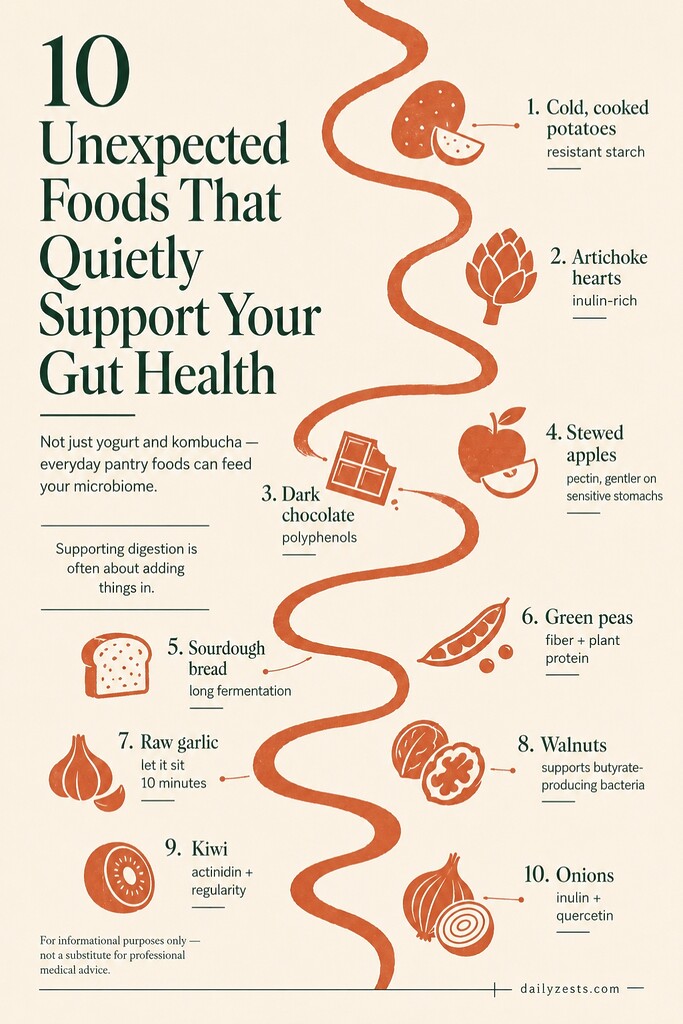
Most of us associate digestive health with active probiotics. We forget that those beneficial bacteria need something to eat. Prebiotics are the dietary fibers that feed your existing gut flora, and they often hide in foods we overlook. Here are ten unexpected options to add to your grocery list.
1. Cold, Cooked Potatoes
A hot baked potato is a simple carbohydrate. When you cook that same potato and let it cool in the refrigerator overnight, its chemical structure changes. The cooling process creates something called resistant starch. Your body cannot easily break this starch down in the small intestine. Instead, it travels intact to your colon, where it becomes an absolute feast for your beneficial bacteria.
You do not have to eat them plain. Tossing cooled, cubed potatoes with a little olive oil, vinegar, and dill makes a perfect side dish that actively supports your digestion.
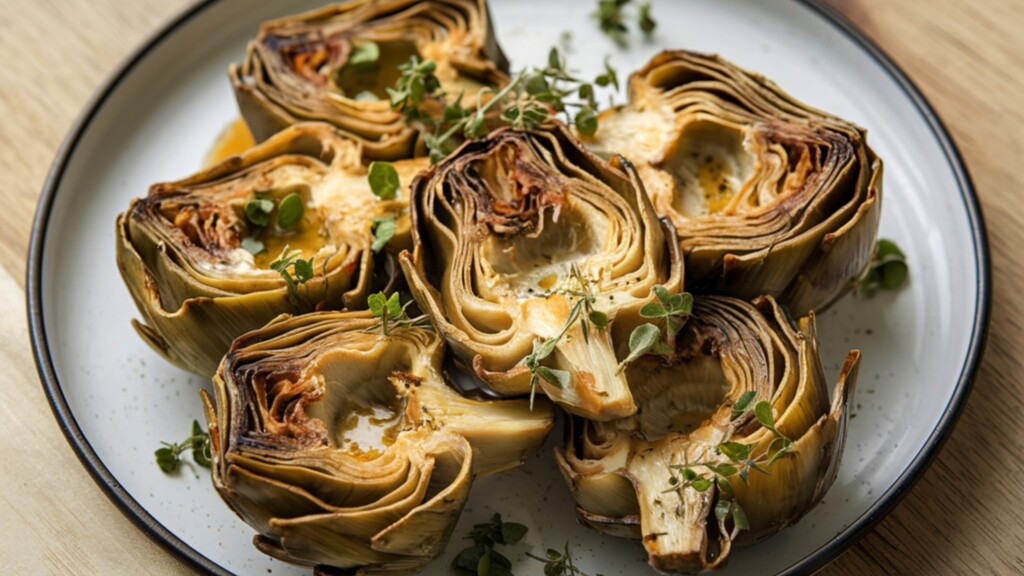
2. Canned Artichoke Hearts
Fresh artichokes require trimming, steaming, and patience. The canned version sitting in the pantry aisle is just as valuable for your stomach. Artichoke hearts are one of the most concentrated sources of inulin, a specific type of prebiotic fiber that certain strains of good bacteria thrive on.
Rinse them well if they are canned in sodium. You can chop them into a salad, roast them until the edges get crispy, or blend them into a simple dip.
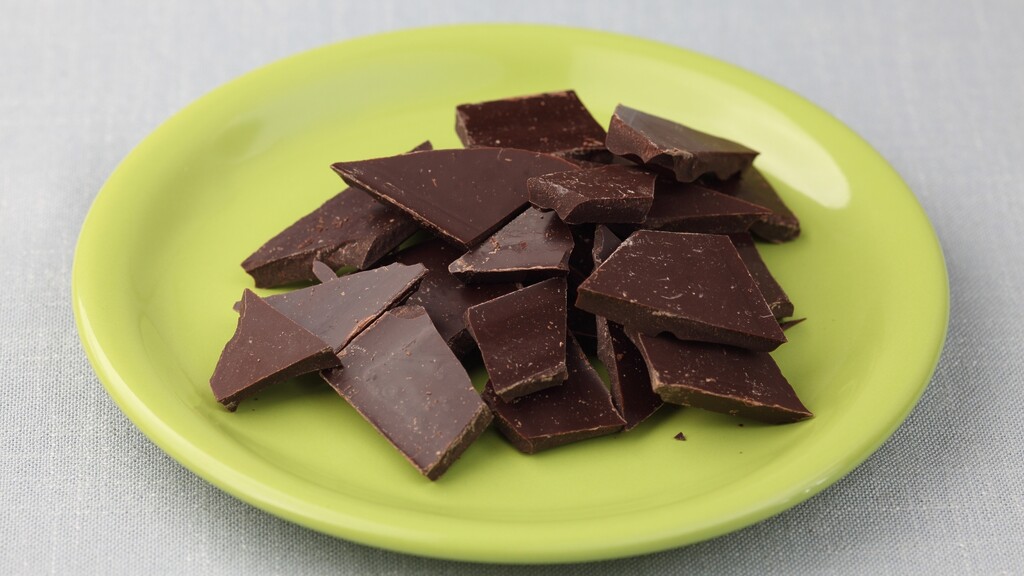
3. Dark Chocolate
Chocolate feels like a pure indulgence, yet the darker varieties are packed with polyphenols. These are plant compounds that act like antioxidants. Our bodies struggle to absorb them early in the digestive tract, so they make their way down to the colon. There, the microbes metabolize them, producing smaller compounds that may interact with gut bacteria and the gut barrier.
Actually, let me clarify that point. Any dark chocolate is fine, but aiming for 70 percent cacao or higher is where the real benefit begins. Two small squares after dinner are plenty.
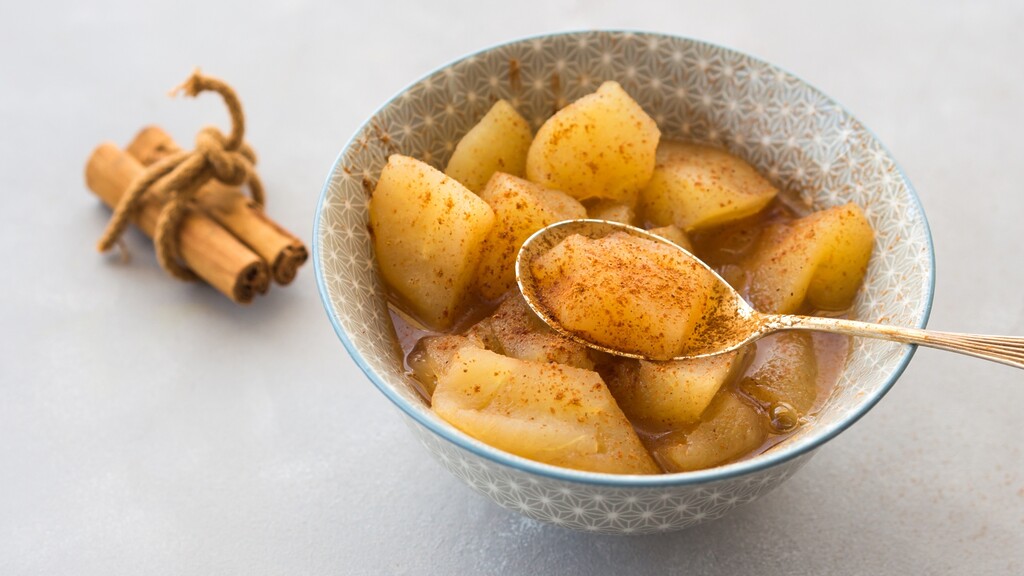
4. Stewed Apples
An apple a day is familiar advice. Cooking that apple shifts how your body processes it. Apples are rich in pectin, a fiber that supports the intestinal wall. Raw apples can sometimes cause bloating for people with sensitive stomachs. Simmering diced apples in a little water until they are soft breaks down the tougher fibers, making the pectin much easier for a sensitive system to handle.
Keep the skin on if you can tolerate it. That is where a large portion of the nutrients live.
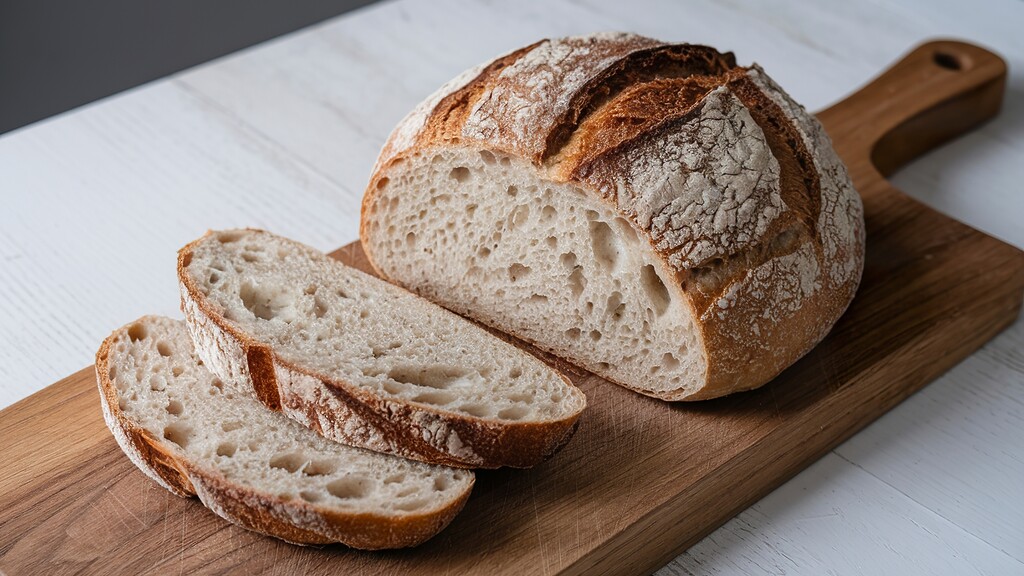
5. Sourdough Bread
Bread usually sits on the list of foods to avoid when your stomach feels off. Sourdough plays by different rules. The long, slow fermentation process relies on wild yeast and lactic acid bacteria. These naturally occurring cultures break down the gluten and phytic acid in the wheat before the bread ever reaches your mouth.
The baking process kills the live cultures, so sourdough is not a probiotic. It is simply a more fermented carbohydrate that may feel gentler for some people than commercial sandwich bread.
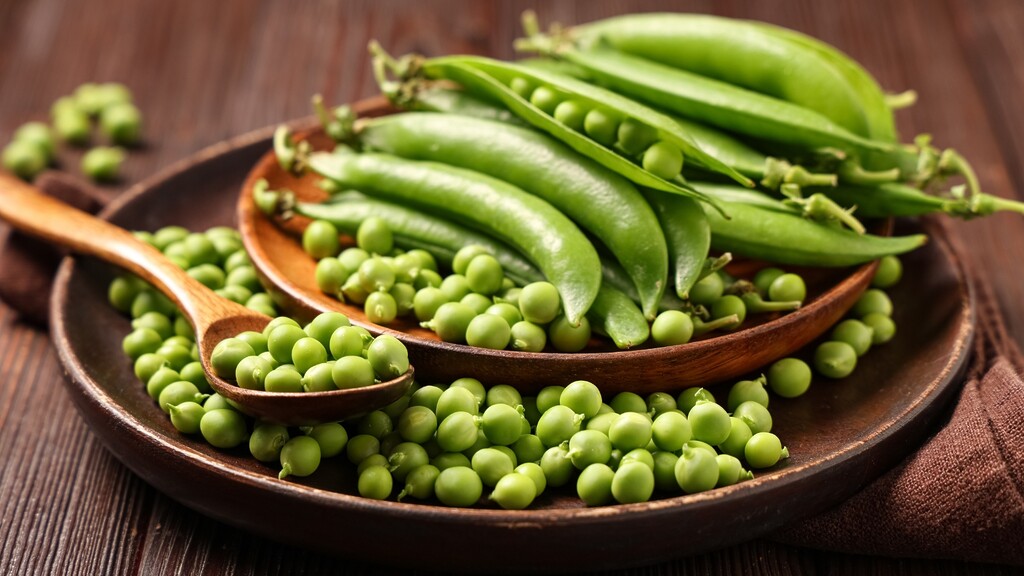
6. Green Peas
They are the vegetable we tend to push around our plates as kids. Green peas are actually a fiber powerhouse. A single cup contains over seven grams of dietary fiber, alongside a surprising amount of plant protein.
Because they are so mild, they are incredibly easy to slip into meals you are already making. Stir a handful of frozen peas into warm rice, fold them into a morning omelet, or blend them into pesto. They require almost zero prep work to deliver significant digestive support.
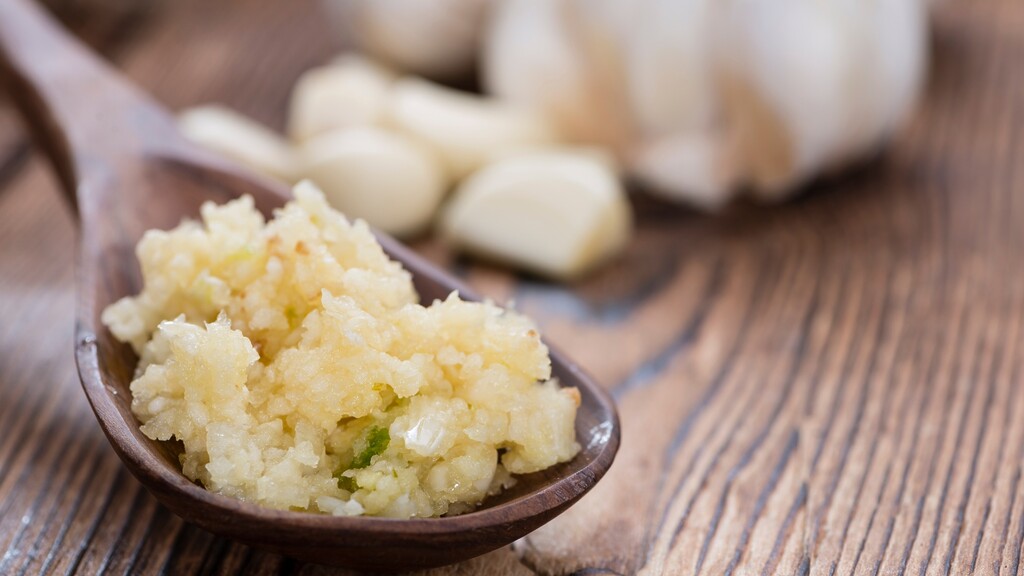
7. Raw Garlic (With a Catch)
Garlic is well known for its health properties. How you prepare it dictates what you get out of it. To get the maximum benefit from allicin, the active compound in garlic, it needs exposure to air.
Chop or crush your garlic cloves and let them sit for ten full minutes on the cutting board before throwing them into a hot pan. That brief, quiet pause allows the enzymes to activate. Without that brief pause, the heat of the stove can reduce those compounds before they can do your body much good.
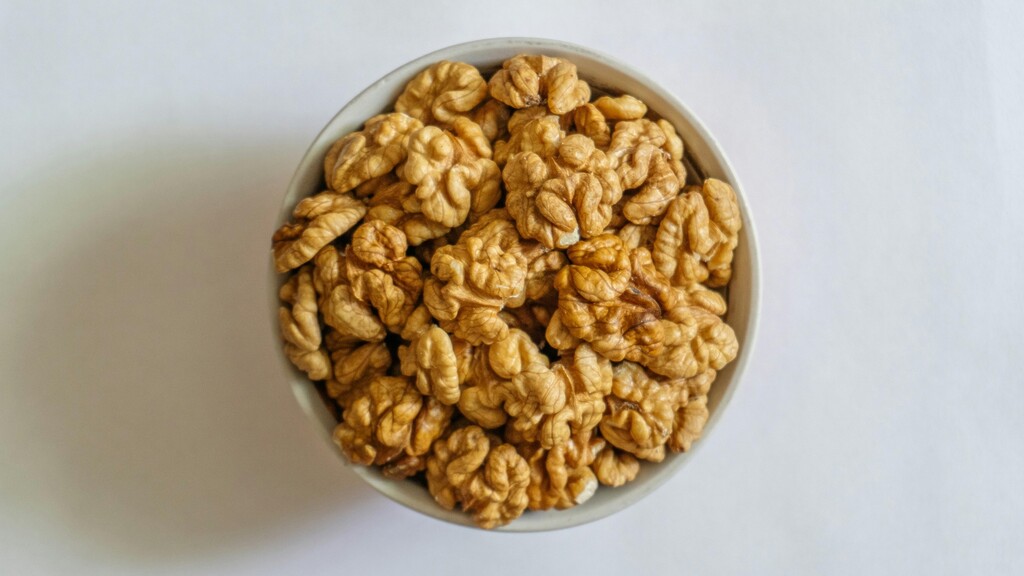
8. Walnuts
Nuts are generally great for health. Walnuts have a unique relationship with the microbiome. Research suggests that eating walnuts regularly can increase the concentration of certain bacteria that produce butyrate. Butyrate is a short-chain fatty acid that essentially feeds the cells lining your colon, keeping the barrier strong.
A small handful of walnuts mixed into oatmeal or crushed over a salad provides both the fiber and the healthy fats your system needs to keep things moving smoothly.
9. Kiwi
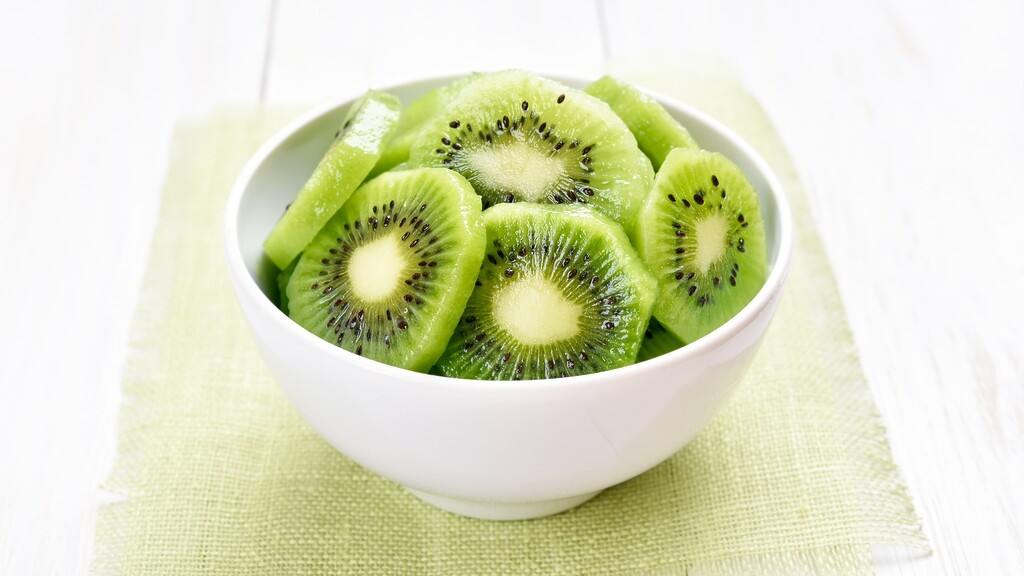
When digestion feels sluggish, people usually reach for prunes. Kiwi might be a better option. These little fruits contain a natural digestive enzyme called actinidin. This enzyme helps break down proteins in your stomach, making meals easier to digest.
Many find that eating two kiwis a day provides reliable, comfortable support for regular bowel movements without the cramping that can sometimes accompany heavier fiber supplements.
10. Onions
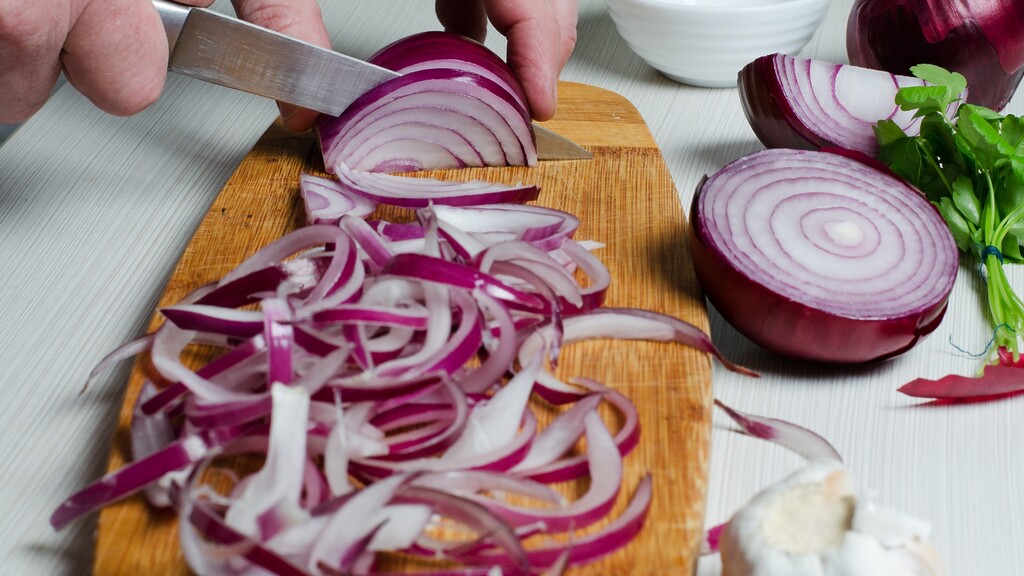
We usually treat onions as a background flavor. For your gut flora, they are the main event. Like artichoke hearts, onions are incredibly rich in inulin. They also contain quercetin, a compound known to support an unbothered digestive tract.
If raw onions feel too sharp or cause discomfort, simply cook them down. Sautéed onions lose their bite but retain the structural fibers that your microbiome relies on.
Feeding your gut is not a precise mathematical equation. You do not need to eat all ten of these items every single day to see a shift. It is just a steady habit of giving your body a little more of what it recognizes.
Kristina Hanson is an independent wellness researcher and the founder of DailyZests. She specializes in translating nutritional science into simple, delicious recipes that fit into real life. When she isn’t in the kitchen, you’ll find her hiking the trails or enjoying a slow morning coffee with her Golden Retriever, Barnaby. Read her full story.


 This post may contain affiliate links.