I remember staring at a bag of chia seeds in my pantry, wondering how something that looked like birdseed was supposed to help my three o’clock blood sugar crashes. Turns out, these tiny seeds are one of the quietest, most effective tools in a diabetic-friendly kitchen.
Health shouldn’t feel like a punishment, and managing insulin resistance certainly taught me that fighting my body never works as well as understanding it. When I finally started looking at food as information rather than just calories, chia seeds started showing up in my daily routine.
Why Chia Seeds Work
If you are watching your blood sugar, you are likely already paying attention to carbohydrates. The beauty of chia seeds is how they interact with digestion. They are rich in fiber and gel-forming mucilage. When that mucilage meets liquid, it forms a gel. Research suggests this gel-like consistency actually slows down the digestion process in your stomach.
Because your food digests slower, the glucose may enter your bloodstream at a steadier, more manageable pace instead of a sudden flood. That can mean fewer sharp blood sugar swings and, at least for me, avoiding that miserable afternoon crash where you feel like you need a nap just to function.
They are virtually flavorless, which is their greatest advantage. You aren’t forcing a strange new taste into your meals; you are just upgrading the nutrition of what you already enjoy eating.
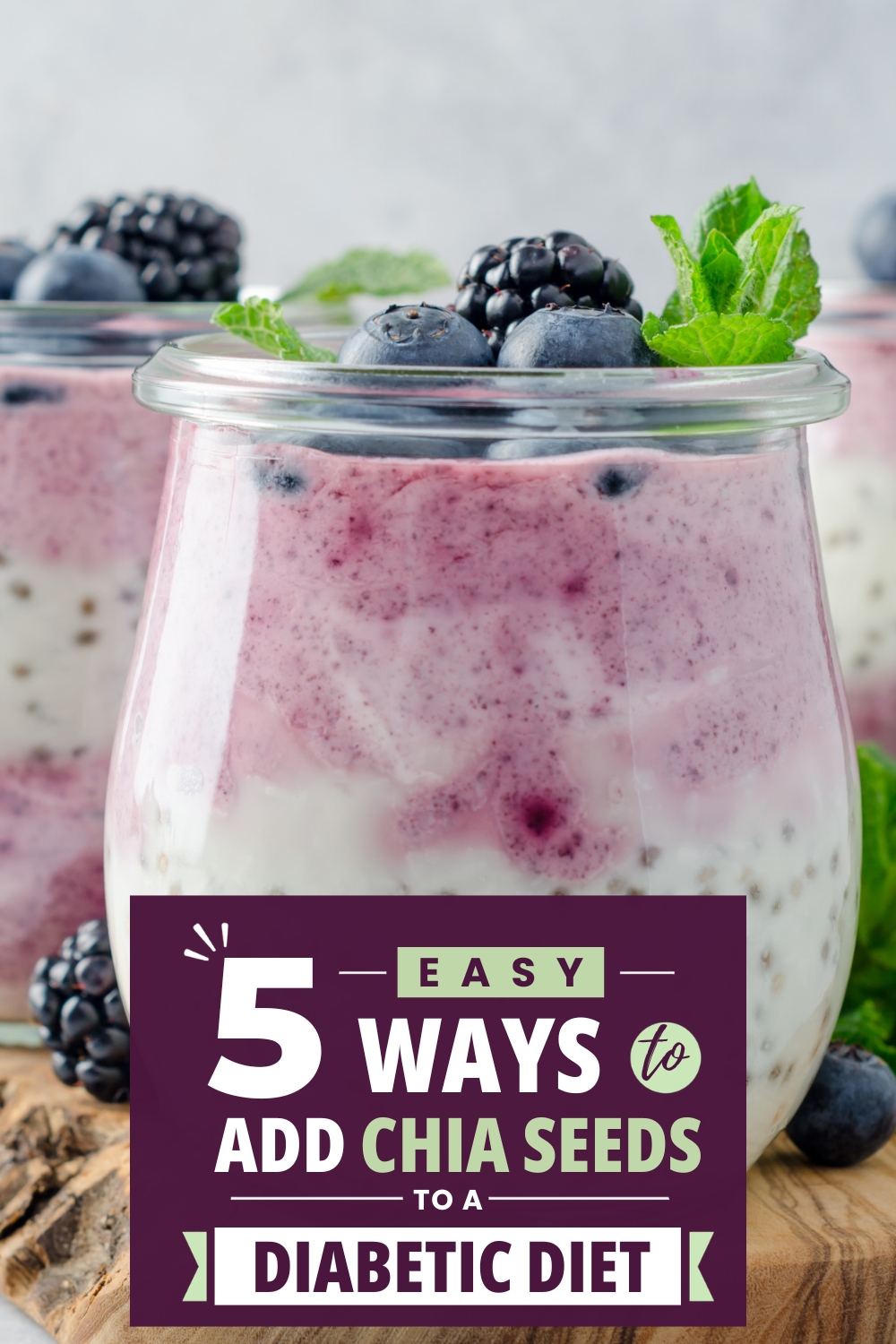
5 Ways to Add Chia Seeds to Your Meals
Incorporating these seeds doesn’t require complex meal prep or overhauling your entire grocery list. Here are a few simple ways to try them out.
1. Stirred into Your Morning Water
Most mornings, I take my coffee out to the porch with my Golden Retriever, Barnaby. Right beside my mug is a tall glass of water with a squeeze of fresh lemon and a tablespoon of chia seeds.
Often called “chia fresca,” this is the easiest way to start your day with a solid hit of hydration and fiber. You just drop the seeds in, stir well so they don’t clump at the bottom, and wait about ten minutes. They will soften and suspend in the water. It gives your morning hydration some texture and helps keep you satisfied until breakfast.
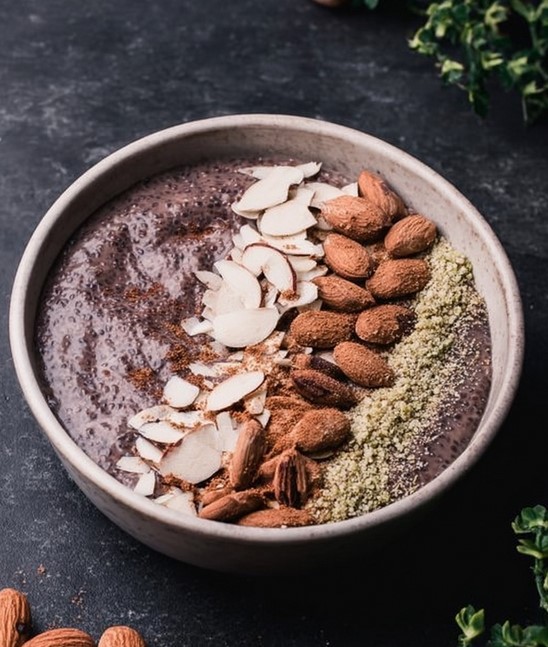
2. Built into a Creamy, Low-Carb Pudding
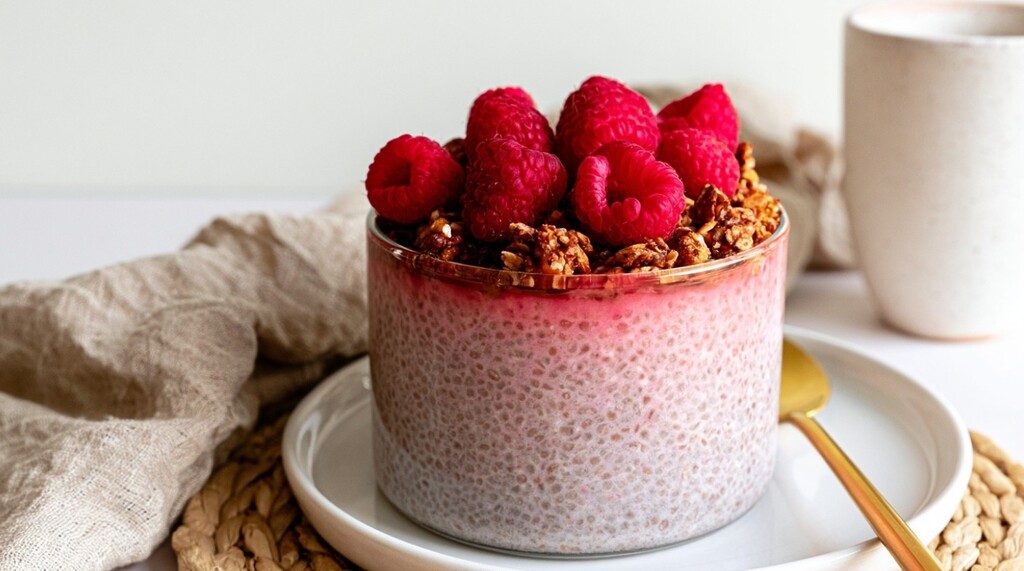
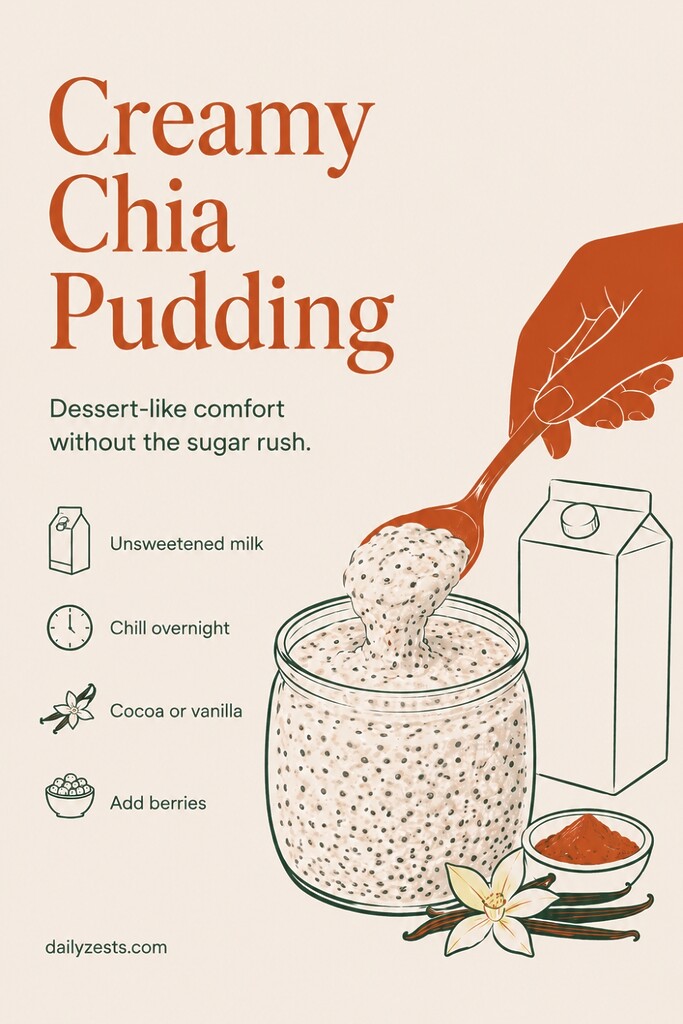
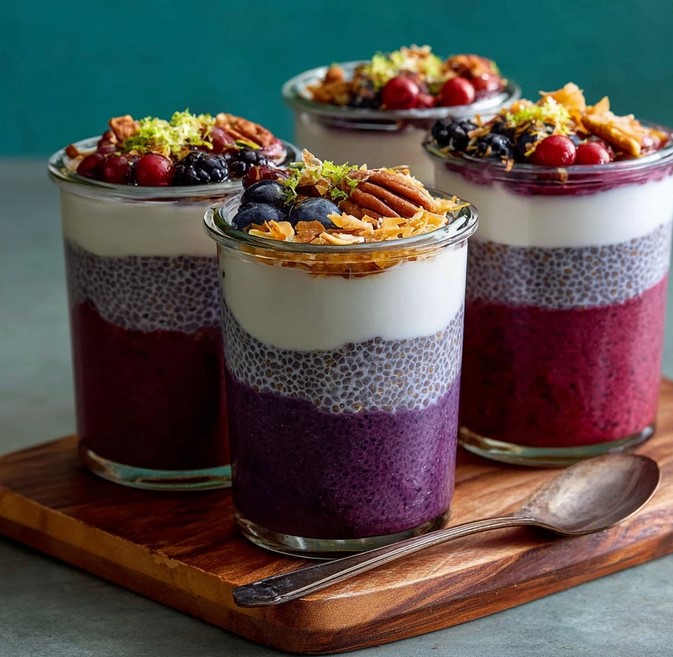
When you need something that feels indulgent but respects your metabolic goals, chia pudding is the answer. Because the seeds absorb up to ten times their weight in liquid, mixing them with unsweetened almond milk, coconut milk, or even a protein shake creates a thick, tapioca-like dessert.
I like to stir a little cocoa powder and a dash of vanilla extract into mine. It rests in the fridge overnight, and by morning, you have a breakfast or dessert that actively supports steady blood sugar rather than sabotaging it.
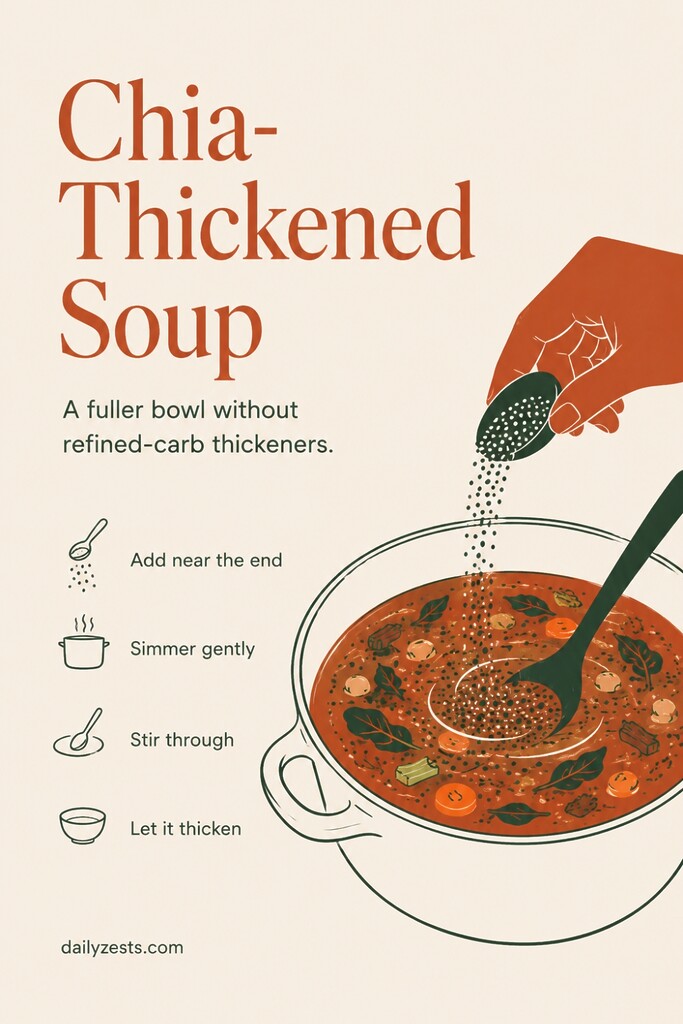
3. Thickening Up Soups and Stews
Many traditional soup and stew recipes rely on flour or cornstarch for thickening. While those work perfectly well for culinary purposes, they add refined carbohydrates that can be tricky for diabetic diets.
Chia seeds offer a brilliant alternative. Stirring a tablespoon or two into a simmering pot of soup about fifteen minutes before serving will naturally thicken the broth as the seeds release their mucilage (that helpful gel). They vanish right into hearty vegetable soups or chilis, adding body without the carb load.
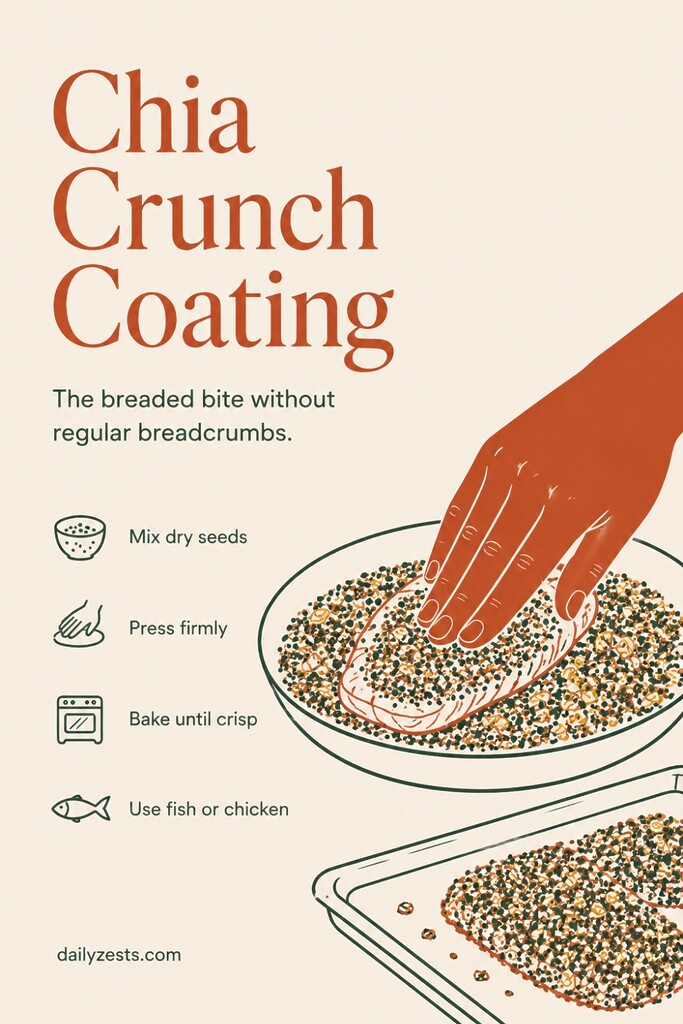
4. Swapped in for High-Carb Breading
We often think of chia seeds in liquids, but they work beautifully dry when you want a crunch. If you miss the satisfying bite of breaded chicken or baked fish, you can create a blood-sugar-friendly coating at home.
Mix dry chia seeds with crushed almonds or pecans, parmesan cheese, and your favorite spices. Press your chicken breasts or fish fillets into the mixture before baking. The chia crisps up in the oven, providing a fantastic texture that completely bypasses the need for traditional breadcrumbs.
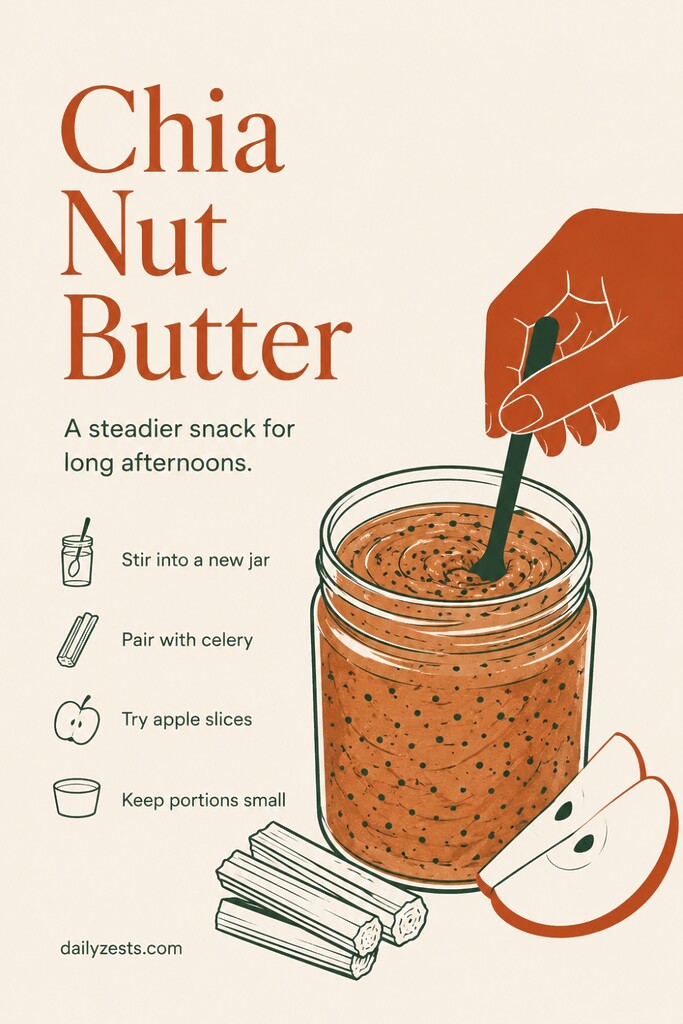
5. Blended into Nut Butter for Smarter Snacking
Peanut butter and almond butter are already excellent, fat-rich choices for stabilizing blood sugar between meals. But you can stretch their benefits even further.
Whenever you open a new jar of natural nut butter, stir in a couple of tablespoons of chia seeds. They add a tiny, satisfying crunch to celery sticks or apple slices. The combination of protein, healthy fats, and chia fiber creates a snacking profile that takes hours to digest, effectively stopping afternoon hunger in its tracks.
Common Questions About Eating Chia Seeds
Do I have to soak chia seeds before eating them?
You do not have to soak them, but many find them easier to digest when they are. Eating them dry in small amounts mixed into food (like in the breading idea above) is generally fine for adults who swallow normally, but soak them first if you have trouble swallowing. However, if you have a sensitive stomach, letting them soak in liquid for a few minutes first ensures they don’t draw too much water from your digestive tract.
How many chia seeds can I eat a day?
While they are wonderfully supportive of metabolic health, chia seeds are very high in fiber. If your body isn’t used to much fiber, adding too much at once can cause bloating. A good starting point is one to two tablespoons per day. Drink plenty of water as you introduce them to keep your digestion moving comfortably.
Moving Forward
Finding joy in food while managing your health is a gentle balancing act. You don’t need to try all of these ideas tomorrow. Just pick one that sounds comforting to you, bring it into your kitchen, and see how your body responds.
A quick note from my kitchen to yours: I’m a researcher and a writer sharing what has supported my own metabolic health, not a doctor. Always check in with your healthcare team before making major changes to your diet, especially if you take medications to manage your blood sugar.
Kristina Hanson is an independent wellness researcher and the founder of DailyZests. She specializes in translating nutritional science into simple, delicious recipes that fit into real life. When she isn’t in the kitchen, you’ll find her hiking the trails or enjoying a slow morning coffee with her Golden Retriever, Barnaby. Read her full story.
This article is packed with great info! I’ve been trying to find new ways to manage my blood sugar, and chia seeds seem like a game-changer. I’m especially excited about the chia seed jam – I love jam but always worry about the sugar content. One thing I’m curious about, though: does the texture of chia seed pudding take some getting used to? I’m not a huge fan of tapioca pudding, and I’m worried it might be similar. Also, is it true you have to grind them up first? My friend told me they could get stuck in your teeth, haha!
Hi Sarah, thanks for your comment! I’m glad you found the article helpful. Chia seed jam is a delicious and healthy alternative to regular jam, and it is much healthier! As for the texture of chia seed pudding, it’s definitely unique. Some people compare it to tapioca pudding, but it’s generally less “gloopy” and more “gelatinous”. If you are worried about the texture, try blending the pudding after it sets for a smoother consistency. Also, you don’t have to grind them up, the whole seeds work perfectly fine, although, you are right, they might stick to your teeth a little! If you’re still unsure, I recommend starting with a small batch and experimenting with different flavors and mix-ins. You might just discover your new favorite healthy treat!
Okay, I’m sold on chia seeds! But I have a confession: I’m a terrible cook. The chia seed crackers sound amazing, but the recipe seems a bit intimidating. Is there a simpler way to make them, or maybe a brand you recommend that sells them pre-made? Also, you mentioned they can help with weight loss – how many calories are in, like, a tablespoon of chia seeds? And one more thing (sorry for all the questions!): Can I just sprinkle them on everything? Like, my cereal, my salad, even my ice cream? Is that weird? LOL!
Hi Jessica, no worries about the questions – I’m happy to help! I understand that cooking isn’t everyone’s forte. While making chia seed crackers from scratch does involve a few steps, you can find simplified recipes online that use fewer ingredients and require less baking time. As for pre-made options, some health food stores and online retailers sell chia seed crackers. Just be sure to check the ingredient list and choose a brand that’s low in sodium and added sugars. Regarding calories, a tablespoon of chia seeds has around 60-70 calories. And yes, you can totally sprinkle them on everything! Cereal, salad, yogurt – go for it! I’ve never tried it on ice cream but hey, no judgment here! It’s a great way to add a little nutritional boost to your meals and snacks. Just remember to start with a small amount and see how you like it. Enjoy!
Chia seed jam? I’m intrigued, but also slightly terrified. I’m imagining a sticky, gloopy mess. Does it actually taste good, or is it just one of those things you eat because you know it’s good for you? Also, ‘The Fiber Advantage’ sounds like a superhero name. 😂 I’m all for getting more fiber, but I need some reassurance that this jam isn’t going to be a culinary disaster. Anyone actually tried it and can vouch for its deliciousness (or lack thereof)?
Hi Martha! 😂 I totally get your apprehension! But trust me, chia seed jam is surprisingly delicious! It’s not as thick as store-bought jam, more like a compote, but the chia seeds do a great job of thickening it up. The best part is you can control the sweetness, which is great for managing blood sugar. Think of it as a fruit spread with a little extra texture. It’s fantastic on toast or swirled into yogurt. Give it a try with berries – you might be surprised! And yes, ‘The Fiber Advantage’ does sound like a superhero, doesn’t it? Maybe we should give him a cape! 😉
This all sounds wonderful, but I have a hard enough time remembering to take my pills, let alone add chia seeds to everything! Any tips for making this a sustainable habit? And is it really okay to use chia seeds as an egg replacement? I bake a lot, and I’m skeptical that these tiny seeds can hold up in a cake. Also, ‘Protein Power for Sustained Energy’ sounds like a slogan from a 1980s workout video! 😄
Hi Betty! I hear you! It’s all about making it easy. Try keeping a small jar of chia seeds on your counter as a visual reminder. Start small – sprinkle a spoonful on your breakfast cereal or yogurt. As for the egg replacement, it works best in recipes like muffins and quick breads. For cakes, you might need a combination of chia seeds and another egg substitute (like applesauce) for the best results. Don’t expect a perfect 1:1 replacement, but it’s a great option to have! And you’re right, that slogan does sound like it’s straight out of the 80s! Maybe I should add some leg warmers to the mix! 😂 Let me know if you have any other questions!


 This post may contain affiliate links.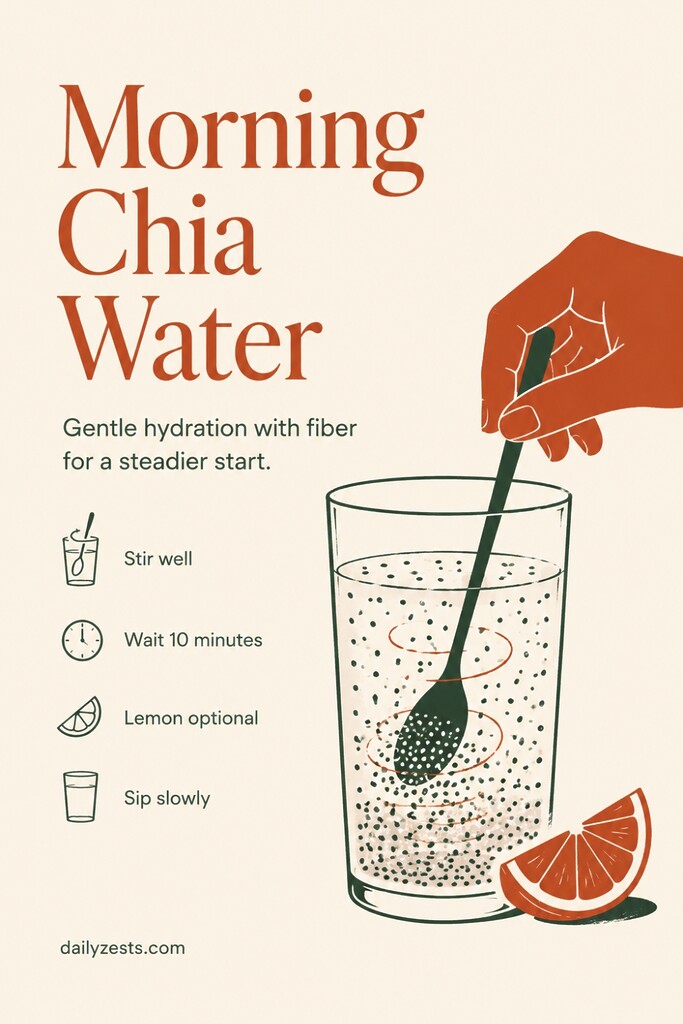




This article is packed with great info! I’ve been trying to find new ways to manage my blood sugar, and chia seeds seem like a game-changer. I’m especially excited about the chia seed jam – I love jam but always worry about the sugar content. One thing I’m curious about, though: does the texture of chia seed pudding take some getting used to? I’m not a huge fan of tapioca pudding, and I’m worried it might be similar. Also, is it true you have to grind them up first? My friend told me they could get stuck in your teeth, haha!
Hi Sarah, thanks for your comment! I’m glad you found the article helpful. Chia seed jam is a delicious and healthy alternative to regular jam, and it is much healthier! As for the texture of chia seed pudding, it’s definitely unique. Some people compare it to tapioca pudding, but it’s generally less “gloopy” and more “gelatinous”. If you are worried about the texture, try blending the pudding after it sets for a smoother consistency. Also, you don’t have to grind them up, the whole seeds work perfectly fine, although, you are right, they might stick to your teeth a little! If you’re still unsure, I recommend starting with a small batch and experimenting with different flavors and mix-ins. You might just discover your new favorite healthy treat!
Okay, I’m sold on chia seeds! But I have a confession: I’m a terrible cook. The chia seed crackers sound amazing, but the recipe seems a bit intimidating. Is there a simpler way to make them, or maybe a brand you recommend that sells them pre-made? Also, you mentioned they can help with weight loss – how many calories are in, like, a tablespoon of chia seeds? And one more thing (sorry for all the questions!): Can I just sprinkle them on everything? Like, my cereal, my salad, even my ice cream? Is that weird? LOL!
Hi Jessica, no worries about the questions – I’m happy to help! I understand that cooking isn’t everyone’s forte. While making chia seed crackers from scratch does involve a few steps, you can find simplified recipes online that use fewer ingredients and require less baking time. As for pre-made options, some health food stores and online retailers sell chia seed crackers. Just be sure to check the ingredient list and choose a brand that’s low in sodium and added sugars. Regarding calories, a tablespoon of chia seeds has around 60-70 calories. And yes, you can totally sprinkle them on everything! Cereal, salad, yogurt – go for it! I’ve never tried it on ice cream but hey, no judgment here! It’s a great way to add a little nutritional boost to your meals and snacks. Just remember to start with a small amount and see how you like it. Enjoy!
Chia seed jam? I’m intrigued, but also slightly terrified. I’m imagining a sticky, gloopy mess. Does it actually taste good, or is it just one of those things you eat because you know it’s good for you? Also, ‘The Fiber Advantage’ sounds like a superhero name. 😂 I’m all for getting more fiber, but I need some reassurance that this jam isn’t going to be a culinary disaster. Anyone actually tried it and can vouch for its deliciousness (or lack thereof)?
Hi Martha! 😂 I totally get your apprehension! But trust me, chia seed jam is surprisingly delicious! It’s not as thick as store-bought jam, more like a compote, but the chia seeds do a great job of thickening it up. The best part is you can control the sweetness, which is great for managing blood sugar. Think of it as a fruit spread with a little extra texture. It’s fantastic on toast or swirled into yogurt. Give it a try with berries – you might be surprised! And yes, ‘The Fiber Advantage’ does sound like a superhero, doesn’t it? Maybe we should give him a cape! 😉
This all sounds wonderful, but I have a hard enough time remembering to take my pills, let alone add chia seeds to everything! Any tips for making this a sustainable habit? And is it really okay to use chia seeds as an egg replacement? I bake a lot, and I’m skeptical that these tiny seeds can hold up in a cake. Also, ‘Protein Power for Sustained Energy’ sounds like a slogan from a 1980s workout video! 😄
Hi Betty! I hear you! It’s all about making it easy. Try keeping a small jar of chia seeds on your counter as a visual reminder. Start small – sprinkle a spoonful on your breakfast cereal or yogurt. As for the egg replacement, it works best in recipes like muffins and quick breads. For cakes, you might need a combination of chia seeds and another egg substitute (like applesauce) for the best results. Don’t expect a perfect 1:1 replacement, but it’s a great option to have! And you’re right, that slogan does sound like it’s straight out of the 80s! Maybe I should add some leg warmers to the mix! 😂 Let me know if you have any other questions!