I remember hitting my late thirties and realizing the 3 PM blood sugar crash had become an exhausting daily ritual. The rules for my body seemed to be changing, and my usual energy was suddenly hiding. But instead of fighting my metabolism with restriction, I started feeding it differently.
There is a widespread misconception that when we cross into our forties, our bodies simply break down and the only answer is to eat less. I actually believe the opposite. Eating too little for too long can signal the body to conserve energy, which may slow things down further. Instead, finding the best foods to boost metabolism is about giving your body the specific building blocks it needs to maintain muscle, balance blood sugar, and keep your internal engine running smoothly.
This isn’t a rigid protocol. It is just a gentle invitation to add more nutrient-dense, supportive ingredients to the meals you already enjoy. Here are seven of my favorites.
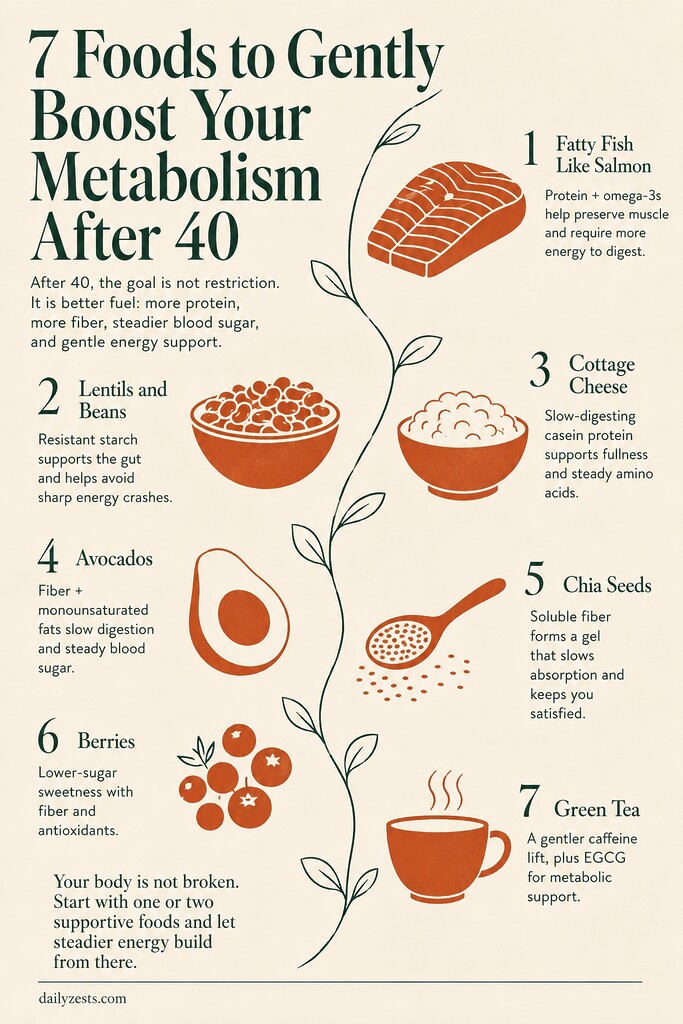
7 Metabolism Boosting Foods After 40
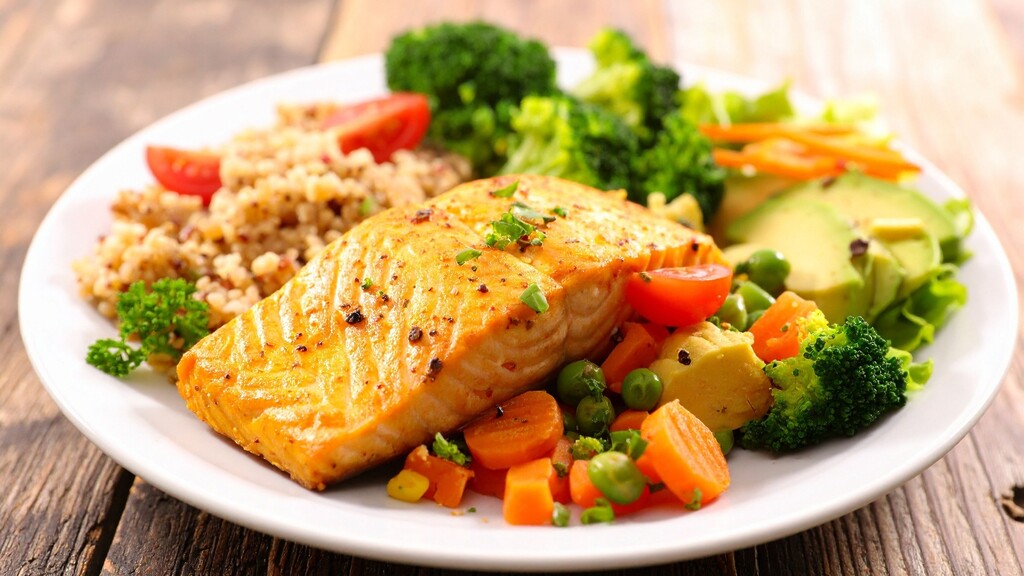
1. Fatty Fish Like Salmon
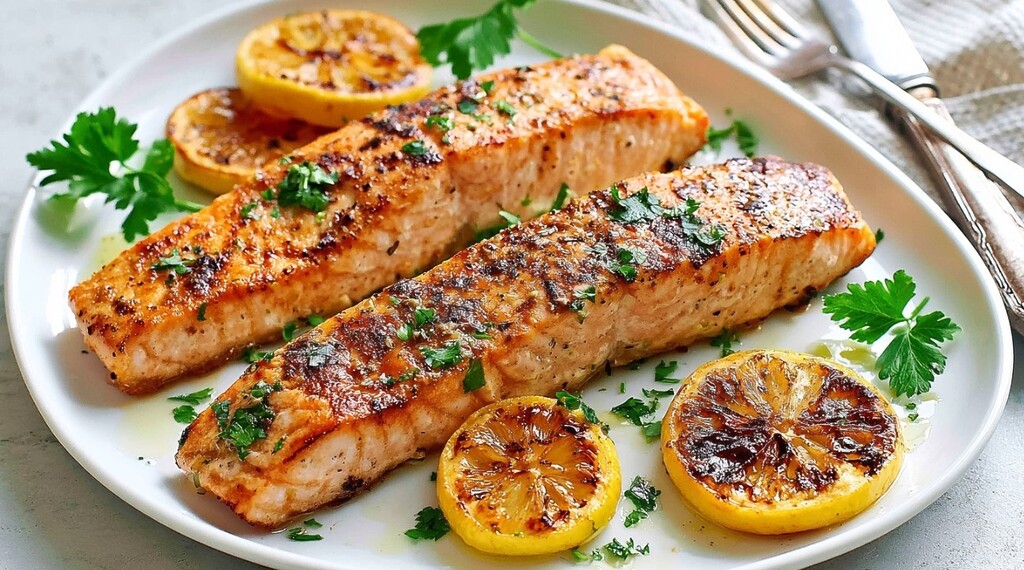
If there is one ingredient I lean on consistently for steady energy, it is salmon. As we get older, our bodies naturally begin to lose muscle mass, and muscle is highly metabolically active. To preserve it, we need adequate, high-quality protein.
This is where the thermic effect of food comes in. Research suggests that your body actually uses significantly more energy to break down and digest protein than it does for fats or carbohydrates. Plus, the omega-3 fatty acids in salmon are wonderful for supporting overall cellular health and keeping inflammation quiet.
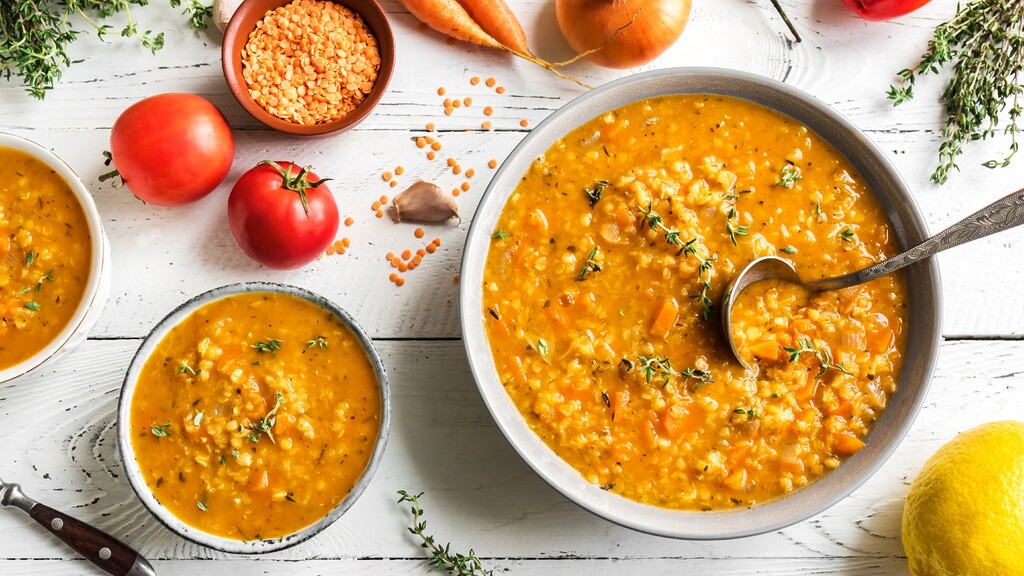
2. Lentils and Beans
Legumes are quiet powerhouses. When I was struggling with those afternoon energy crashes, I realized I needed a carbohydrate source that wouldn’t spike my insulin.
Lentils are packed with something called resistant starch. Instead of digesting quickly and flooding your system with sugar, resistant starch passes through the stomach and small intestine mostly intact, feeding the good bacteria in your gut. A happy gut microbiome is closely tied to a healthy metabolism. If you aren’t used to eating beans, start small. A quarter cup tossed into a salad is plenty, and always rinse canned beans thoroughly to make them easier on your digestion.
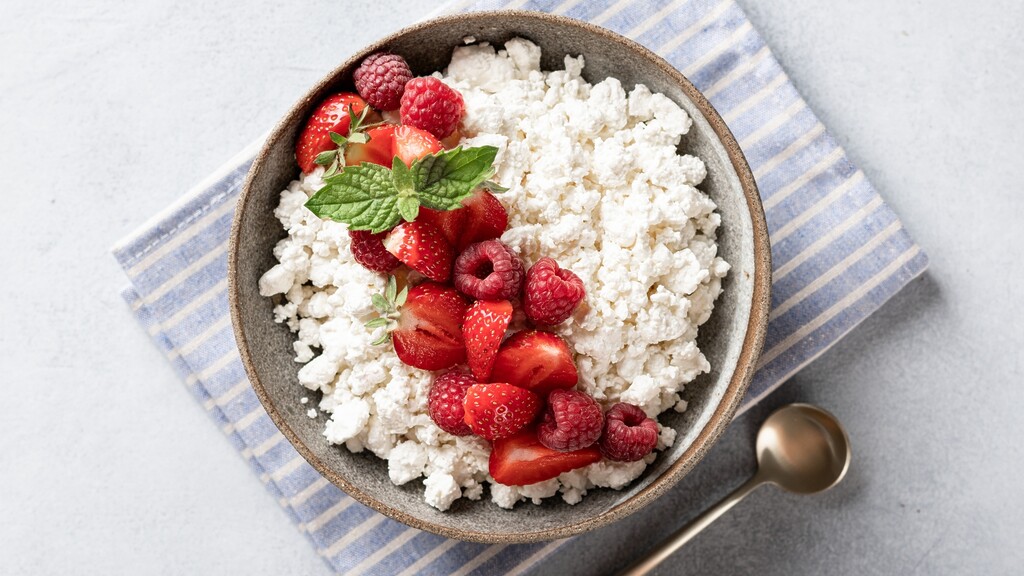
3. Cottage Cheese
Cottage cheese has made a massive comeback recently, and for good reason. It is incredibly rich in casein protein, a slow-digesting dairy protein that keeps you full for hours and gives your muscles a steady supply of amino acids.
I know there is a lot of hesitation around cottage cheese because of the curds. If the texture makes you wince, try dropping it into a food processor or blender for about ten seconds. It whips into a smooth, creamy base that feels exactly like ricotta or thick Greek yogurt. You can use it as a dip, spread it on toast, or mix it with fruit.
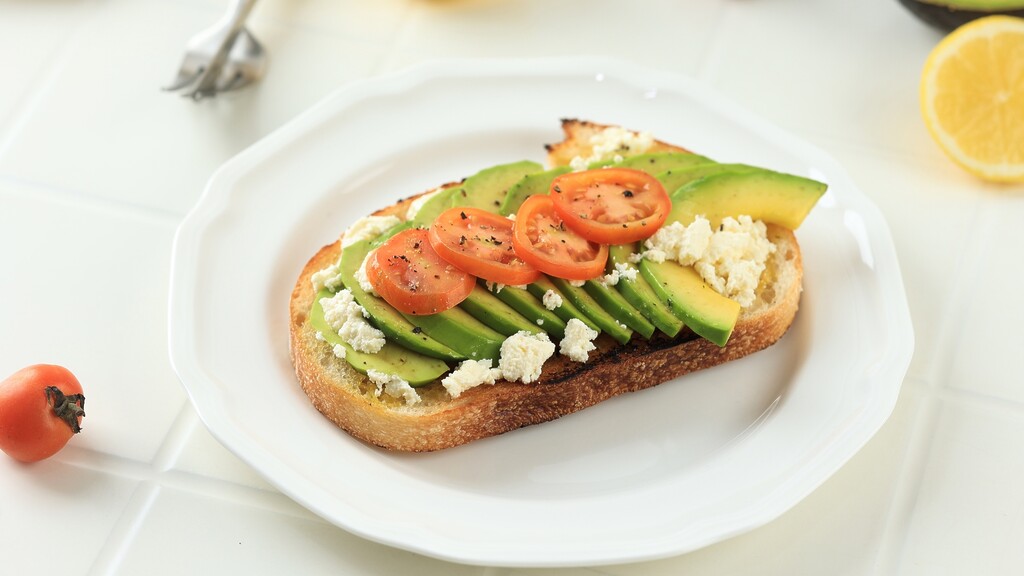
4. Avocados
Fats do not make you fat, but they do make your meals satisfying. Avocados are loaded with monounsaturated fats and fiber, a combination that can help slow digestion and make your meals satisfying.
When digestion is slowed, your blood sugar remains stable. You avoid the sharp spikes and steep drops that leave you hungry an hour after breakfast. Half an avocado with a pinch of sea salt alongside your morning eggs changes the entire trajectory of the day.
5. Chia Seeds
These tiny seeds are one of the most efficient ways to sneak soluble fiber into your day. When chia seeds meet liquid, they form a gel-like consistency.
In the digestive tract, this gel essentially acts as a buffer, slowing the absorption of food and keeping your blood sugar steady. Just two tablespoons contain nearly 10 grams of fiber. I like to stir them into oatmeal or yogurt the night before so they have time to soften completely by morning.
6. Berries
As our metabolism shifts, our tolerance for heavy sugars often changes too. But denying a sweet tooth entirely usually backfires. Berries are the perfect middle ground.
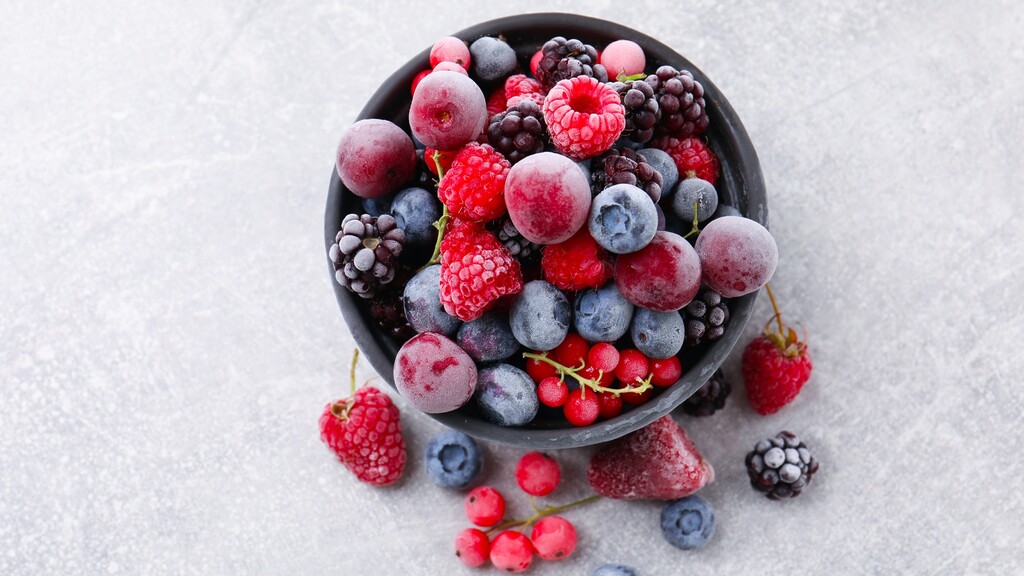
Raspberries, blackberries, and blueberries are incredibly high in antioxidants and fiber, but much lower in sugar than tropical fruits like bananas or mangoes. They provide the sweetness you might be craving without demanding a massive insulin release from your pancreas to process it.
7. Green Tea
While not technically a food, green tea deserves a spot on this list. Many find that coffee on an empty stomach can feel a little harsh, and caffeine can raise cortisol, our stress hormone, in some people. Green tea offers a much gentler caffeine lift.
It also contains a compound called EGCG, an antioxidant that has been shown in some studies to support metabolic rate. Taking a warm mug of green tea out to the porch in the morning, while my dog Barnaby sniffs the garden, has become one of my favorite, quiet ways to start the day in balance.
Your body at forty isn’t broken, and it isn’t something you need to fix with extreme measures. It is simply asking for a different kind of fuel. Start with one or two of these ingredients, see how your energy shifts, and trust the process.
Kristina Hanson is an independent wellness researcher and the founder of DailyZests. She specializes in translating nutritional science into simple, delicious recipes that fit into real life. When she isn’t in the kitchen, you’ll find her hiking the trails or enjoying a slow morning coffee with her Golden Retriever, Barnaby. Read her full story.


 This post may contain affiliate links.