I remember sitting on the porch with my coffee, feeling my energy completely tank by 3 PM despite eating what I thought was a perfect, healthy lunch. When you are managing insulin resistance, the hardest part isn’t skipping the obvious sweets; it is catching the hidden starches masquerading as health foods.
Manufacturers are incredibly good at making highly processed, high-carb foods look like the smartest choice in the grocery aisle. If you have been feeling frustrated by stubborn blood sugar spikes, you probably aren’t doing anything wrong. You might just be dealing with a few sneaky ingredients.
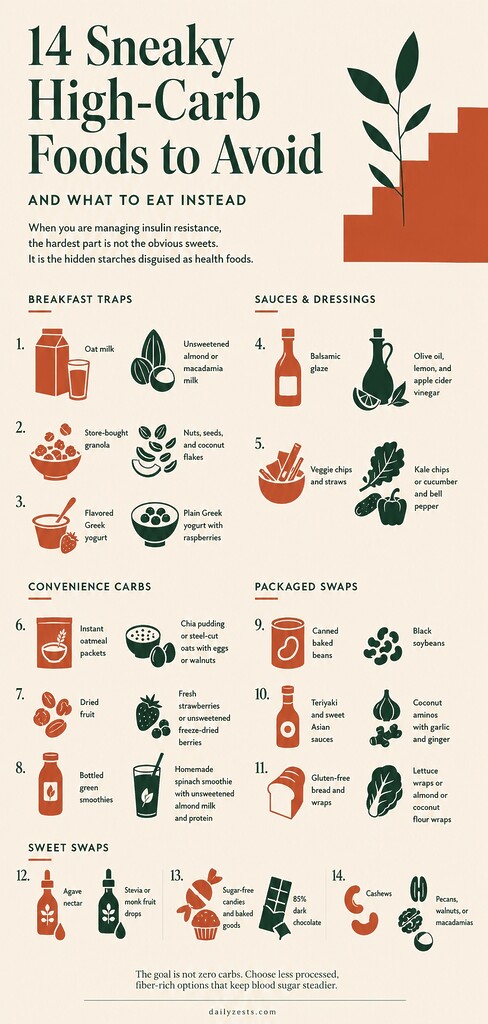
The 14 Hidden Carb Traps (And What to Eat Instead)
Here are the most common high-carb foods to avoid with diabetes or insulin resistance, plus the simple, practical swaps that keep your meals enjoyable.
1. The Oat Milk Illusion
I know this one hurts to hear, especially if an iced oat milk latte is your morning ritual. But from a biological standpoint, oat milk is essentially liquid starch. Because the oats are pulverized and strained, much of the intact oat structure is lost, leaving a carbohydrate-rich drink that can digest quickly. A standard 8-ounce pour can carry up to 15 grams of carbs before you even add a sweetener.
What to drink instead: Unsweetened almond milk, macadamia nut milk, or a splash of heavy cream. If you miss the creaminess of oats in your coffee, a tablespoon of coconut cream blends up beautifully without the sugar spike.
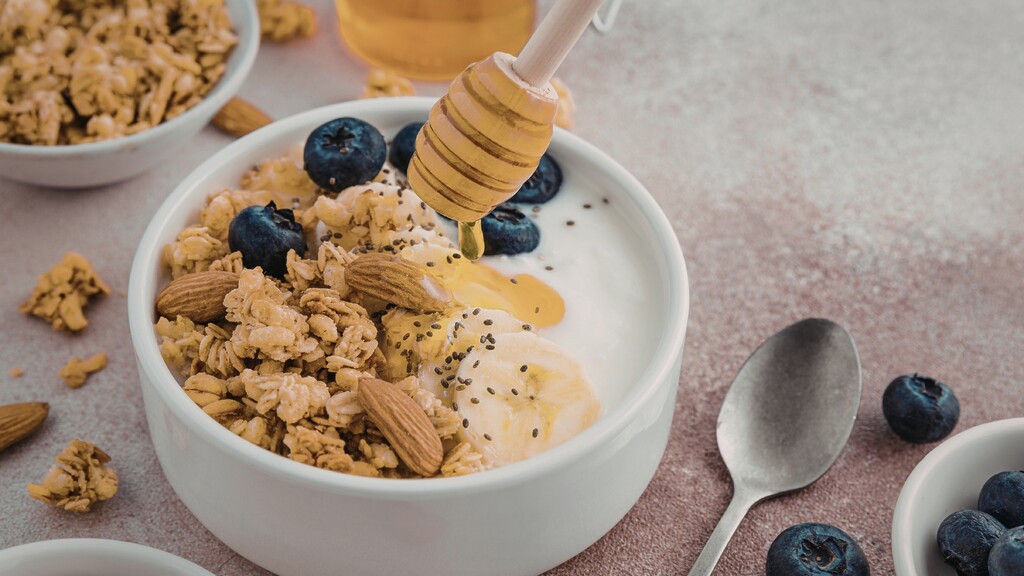
2. Store-Bought “Healthy” Granola
Granola has brilliant marketing. It looks like a rustic, nature-inspired breakfast, but those satisfying clusters are glued together with honey, maple syrup, or brown rice syrup. A tiny half-cup serving often packs 30 grams of carbohydrates. And let’s be honest, very few of us only eat half a cup.
What to eat instead: Look for keto-friendly granolas made entirely from nuts, seeds, and coconut flakes. Even better, toss some pecans, pumpkin seeds, and chia seeds in a pan with a little butter and cinnamon for a quick, crunchy topper.
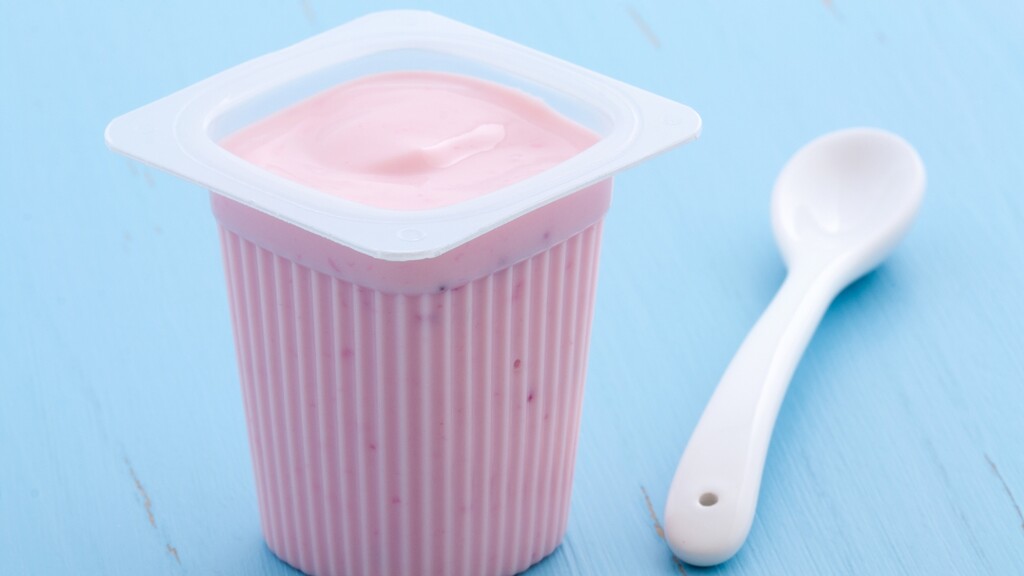
3. Flavored Greek Yogurt
Greek yogurt is a fantastic source of protein. The problem is the fruit purees layered at the bottom of the flavored cups. A single serving of vanilla or strawberry yogurt can hide 15 to 20 grams of added sugar, completely negating the benefit of that protein.
What to eat instead: Buy plain, whole-milk Greek yogurt. To sweeten it, mash a handful of fresh raspberries directly into the bowl with a fork. The natural tartness of the berries works perfectly with the rich yogurt, keeping your low-carb lifestyle intact while actually tasting like real food.
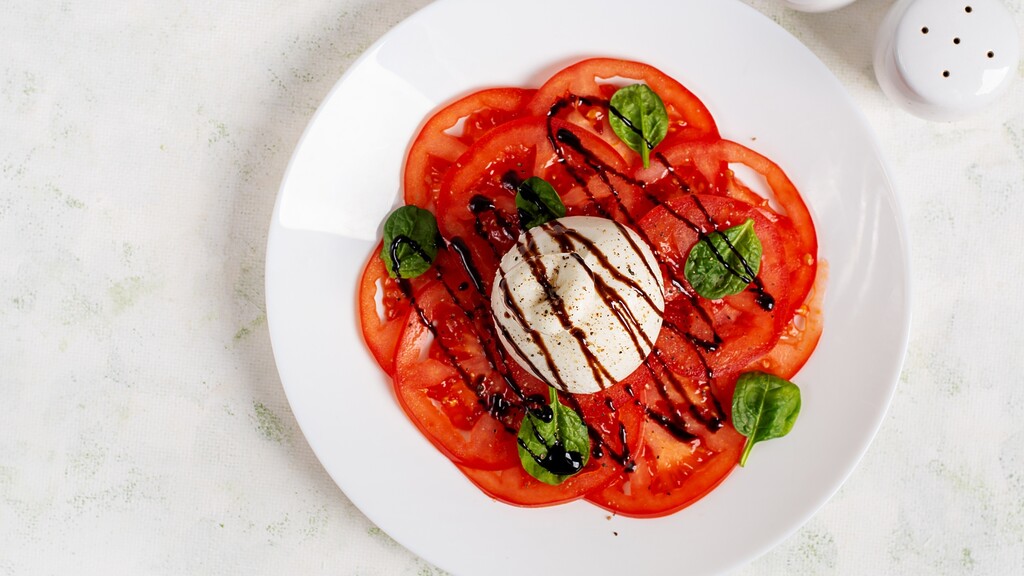
4. Balsamic Vinaigrette and Glazes
We often think of salads as a free pass, but dressings can turn a bowl of greens into a dessert. Balsamic glazes, in particular, are just balsamic vinegar reduced down with added sugar until it becomes a thick syrup. Many bottled vinaigrettes also rely on sugar to balance the acidity of cheap oils.
What to use instead: Make a simple vinaigrette in a mason jar. Shake up good olive oil, a squeeze of fresh lemon juice, a splash of apple cider vinegar, a pinch of salt, and some dried oregano. It takes thirty seconds and saves you a few dollars at the store.
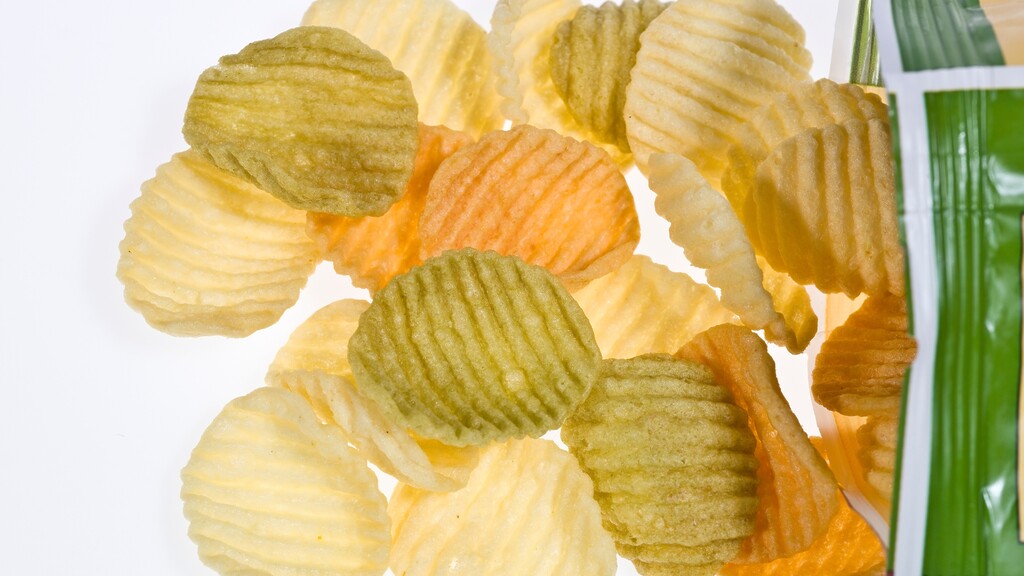
5. Veggie Chips and Straws
These colorful, crunchy snacks look like a brilliant way to get your greens in. Look closely at the ingredient list, though. The primary ingredients are almost always potato starch, corn flour, or rice flour, with just a dusting of spinach powder for color. They hit your bloodstream exactly like standard potato chips.
What to eat instead: If you need a salty crunch, try roasted kale chips baked with olive oil and sea salt. For dipping, fresh cucumber slices or bell pepper strips provide that necessary snap without the starch.
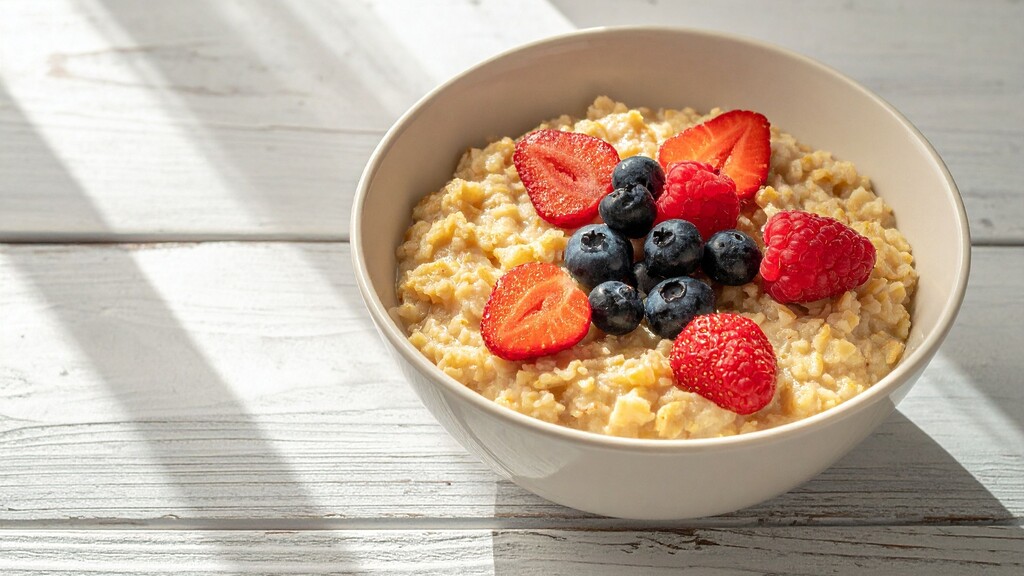
6. Instant Oatmeal Packets
While intact, whole rolled oats digest slowly, the oats inside instant packets are pre-cooked, dried, and rolled paper-thin so they cook in the microwave in sixty seconds. This heavy processing means your body breaks them down rapidly, and instant oatmeal has been shown to create a higher glycemic response than steel-cut or large-flake oats. Add the maple-brown-sugar flavoring, and it is a recipe for a mid-morning crash.
What to eat instead: Chia seed pudding made the night before offers a similar comforting texture with incredible fiber. If your body tolerates whole grains reasonably well, stick to thick-cut steel oats and pair them with eggs or a handful of walnuts to slow the absorption.
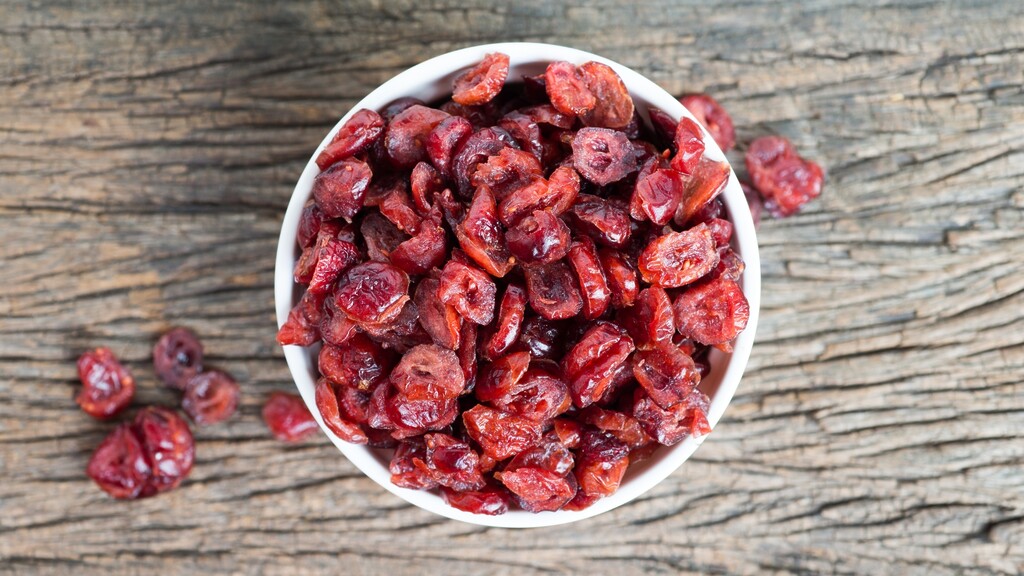
7. Dried Fruit (Like Cranberries and Raisins)
Drying fruit concentrates all of its natural sugars into a tiny, chewy package. To make matters worse, tart fruits like cranberries are almost always soaked in cane sugar before they are dried to make them palatable.
What to eat instead: Stick to fresh, low-glycemic fruits. A cup of fresh strawberries has a fraction of the sugar found in a small handful of raisins. If you are baking or making a salad, use a few freeze-dried, unsweetened berries for that pop of flavor.
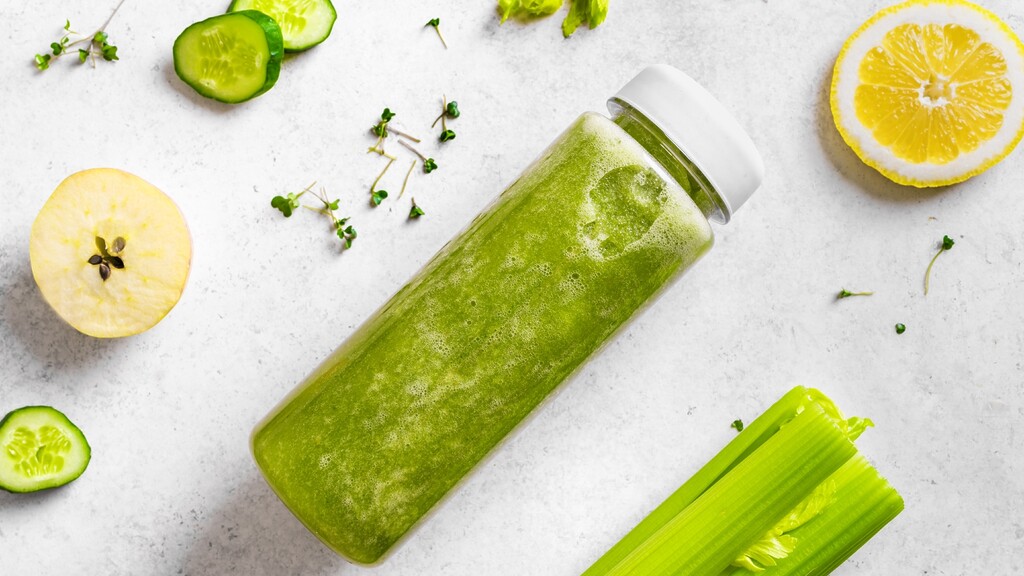
8. Bottled Green Smoothies
Just because it is green does not mean it is low in carbohydrates. Commercial green smoothies almost always use apple juice, grape juice, or banana puree as their base to mask the taste of the greens. You might be drinking up to 50 grams of sugar in one bottle, with far less intact fiber to slow it down.
What to drink instead: Blend your own. Use a handful of fresh spinach, unsweetened almond milk, a scoop of clean protein powder, and just half of a green apple for tartness. It takes five minutes and keeps your blood sugar beautifully stable.
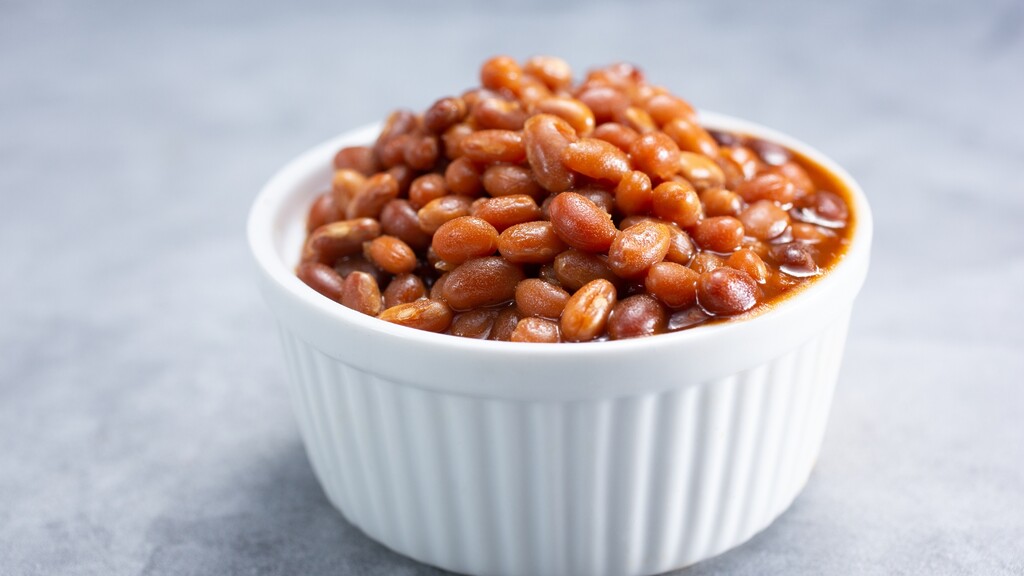
9. Canned Baked Beans
Beans are generally a wonderful, fiber-rich food. But traditional canned baked beans are simmered in a heavy syrup of brown sugar and molasses. Half a cup can easily pack 25 grams of carbs.
What to eat instead: Black soybeans are a fantastic, very low-carb legume that most people don’t know about. You can slow-cook them with sugar-free barbecue sauce and a little smoked paprika to get that authentic cookout flavor without the sugar hangover.
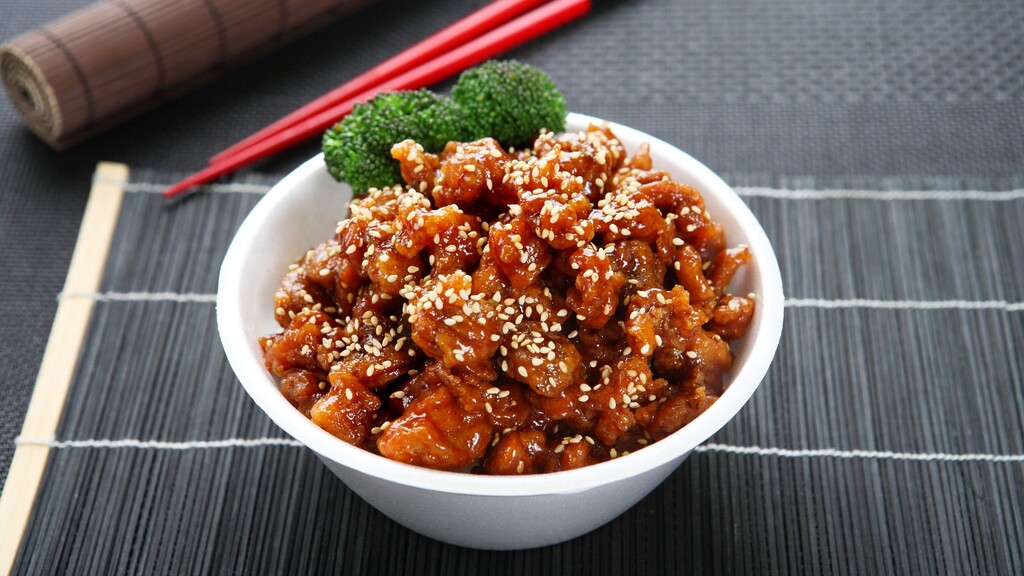
10. Teriyaki and Sweet Asian Sauces
Stir-fries feel like the ultimate healthy dinner, but the sauce is where the carbs hide. Teriyaki, sweet chili, and plum sauces are traditionally thickened with cornstarch and heavily sweetened with sugar.
What to use instead: Coconut aminos. This dark, salty-sweet liquid looks like soy sauce but has a natural, subtle sweetness. Simmer it gently with minced garlic, fresh ginger, and a tiny dash of sesame oil for a beautiful, sticky glaze.
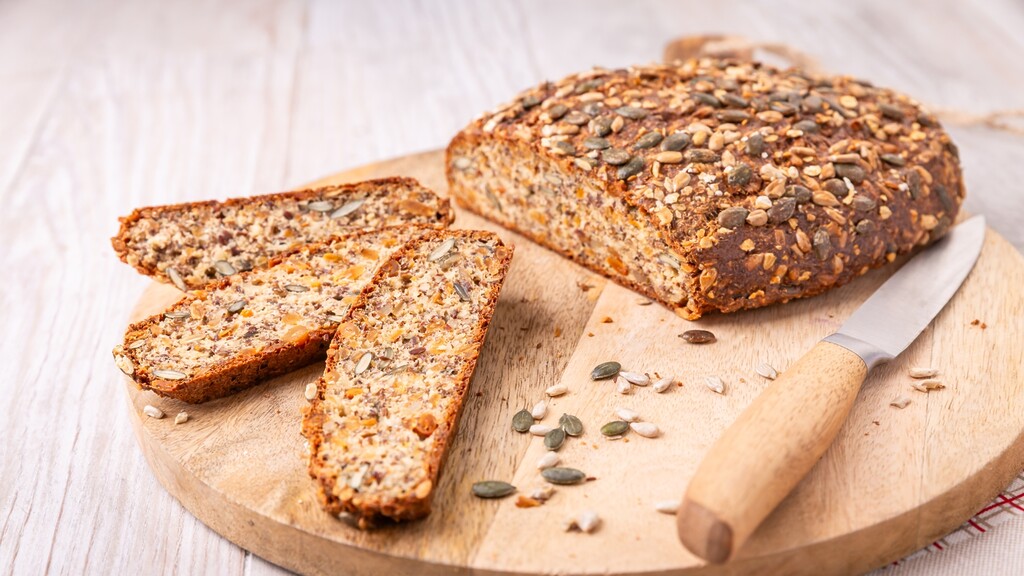
11. Gluten-Free Bread and Wraps
When people cut out wheat, they often assume the gluten-free alternative is automatically healthier or lower in carbs. Unfortunately, to mimic the texture of gluten, manufacturers rely on heavily refined starches like tapioca flour, potato starch, and white rice flour. These can still spike blood sugar quickly.
What to eat instead: I find that letting go of the bread illusion entirely is often easier. Use crisp butter lettuce leaves for sandwiches, or seek out wraps made specifically from almond or coconut flour.
12. Agave Nectar
Agave nectar has somehow maintained a reputation as a health-food darling for over a decade. The truth is, it is heavily processed and contains a higher percentage of fructose than high-fructose corn syrup. While it might not spike blood glucose as sharply in the first twenty minutes, high fructose intake is handled largely by the liver and can worsen hepatic insulin resistance over time.
What to use instead: Liquid stevia or monk fruit drops blend seamlessly into drinks. Sometimes, the best approach is just gently retraining your palate to enjoy the natural, unsweetened flavor of your teas and coffees.
13. “Sugar-Free” Candies and Baked Goods
You have likely seen the sugar-free treats in the pharmacy aisle. While they don’t contain cane sugar, many use maltitol, a sugar alcohol that your body still partially absorbs. Maltitol can still affect your blood sugar, and in larger amounts it can also cause digestive discomfort.
What to eat instead: A square of high-quality dark chocolate (85% cacao or higher). It has a deep, rich flavor, minimal carbs, and won’t upset your stomach.
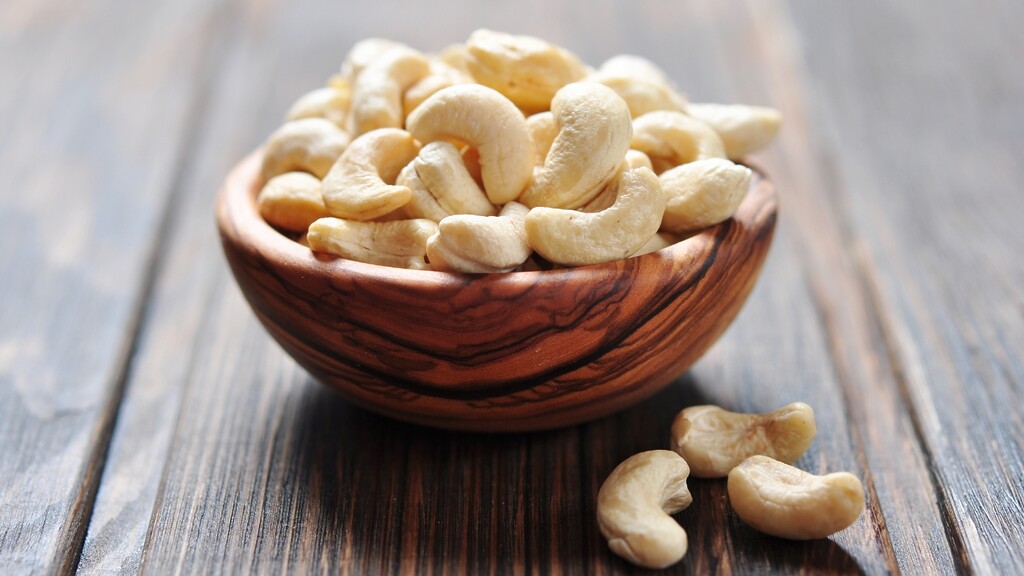
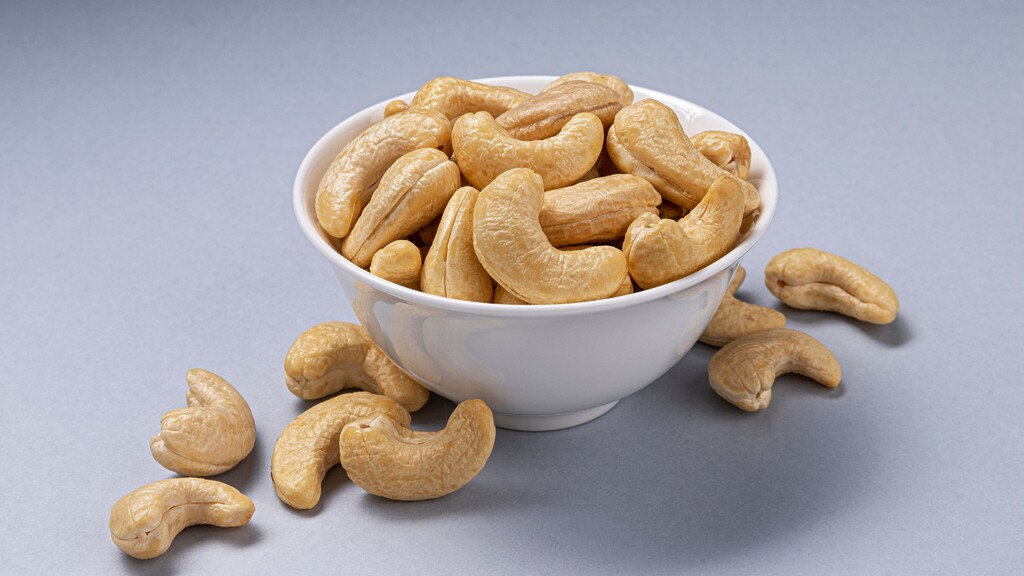
14. Cashews
Nuts are a staple of a low-carb lifestyle, but they are not all created equal. Cashews are incredibly creamy and delicious, but they carry significantly more carbohydrates than other nuts, about 9 grams per ounce.
What to eat instead: Swap them for pecans, walnuts, or macadamia nuts. I usually take a small handful of pecans out on the porch when Barnaby (my golden retriever) needs his morning sun; they have a natural buttery sweetness and only about 4 grams of carbs per ounce.
Frequently Asked Questions
Do I have to cut out all carbohydrates entirely?
Not at all. Carbohydrates are not the enemy; it is the highly processed, fiber-stripped carbs that cause erratic spikes. Research suggests that focusing on high-fiber, complex carbohydrates, like leafy greens, broccoli, and small amounts of berries, supports steady energy. It is about choosing the right kinds of carbs, not necessarily eliminating them all.
Why do people talk about “net carbs” instead of total carbs?
Net carbs are calculated by subtracting the grams of fiber from the total carbohydrates. Because your body does not break down and absorb fiber in the same way it absorbs sugar or starch, fiber generally has little direct effect on your blood glucose. Looking at net carbs gives you a more accurate picture of how a food will actually affect your energy levels.
Is the sugar in fruit bad for blood sugar?
It depends entirely on the fruit and the format. Whole, low-glycemic fruits like blackberries and raspberries come packaged with fiber, which slows down the digestion process. Fruit juice, however, is a different story. Without the intact fiber, the natural sugars in juice can hit your system much more like a sugary drink.
The trick to managing blood sugar isn’t about rigid, miserable diets. It is about learning where the obstacles are hidden so you can walk right around them. Start by checking the labels in your pantry tomorrow morning, and see how your afternoon feels when you make just one or two small swaps.
Kristina Hanson is an independent wellness researcher and the founder of DailyZests. She specializes in translating nutritional science into simple, delicious recipes that fit into real life. When she isn’t in the kitchen, you’ll find her hiking the trails or enjoying a slow morning coffee with her Golden Retriever, Barnaby. Read her full story.



 This post may contain affiliate links.









One Comment