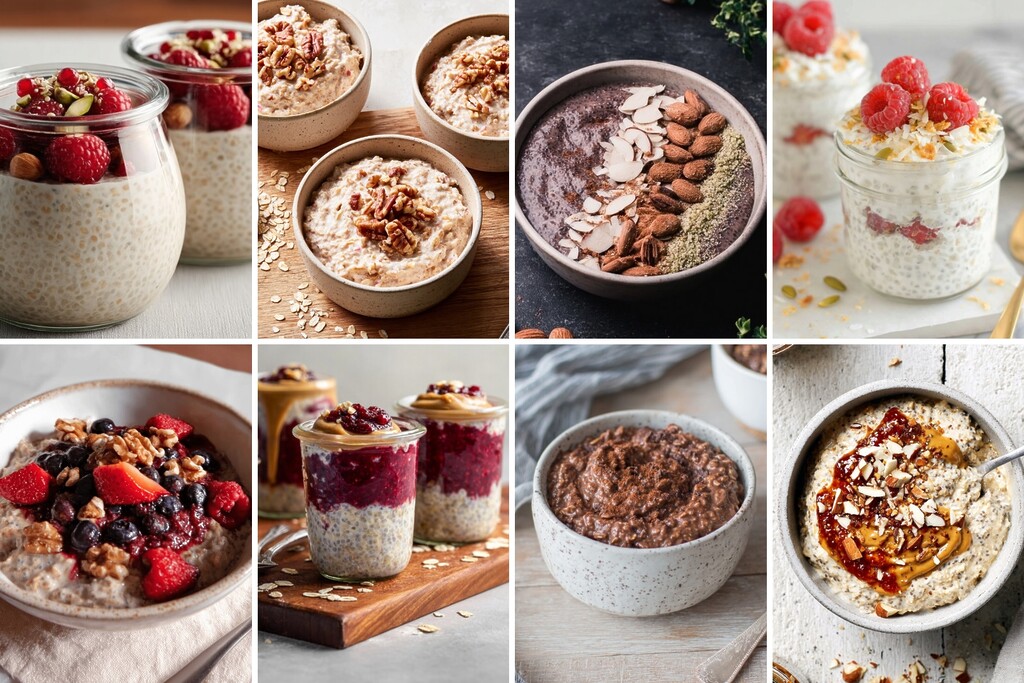
Finding the best cereals for a diabetes-friendly lifestyle usually means reading a lot of labels. I skip the cereal aisle entirely and make these fiber-packed bowls instead. They deliver that classic morning comfort while keeping net carbs and sugar low.
A quick note: These breakfast ideas are built around macros for a carb-conscious routine, but they aren’t medical advice. Everyone’s carb tolerance is unique, so always check your own numbers and talk to your doctor before making dietary changes.
How These Breakfast Bowls Fit a Carb-Conscious Morning
A diabetes-friendly breakfast usually comes down to finding the right balance of fiber, protein, and lower net carbs. Traditional boxed flakes lean heavily on refined starches, which is why this collection focuses on whole seeds, nuts, and rolled oats.
Following the American Diabetes Association’s guidance on whole foods, leaning into nutrient-dense ingredients may help support a steadier morning. We focus on maximizing fiber and healthy fats here, which research suggests can contribute to a more gradual digestion process.
Why These Morning Bowls Earn Their Spot
Net Carbs & Sugar in Check: Every bowl here keeps the focus on low added sugar and smart net carbs.
Real Ingredients: We rely on pantry staples like chia, flax, nuts, and unsweetened milk instead of processed powders.
Prep-Friendly: Most of these can be made the night before, taking the rush out of busy weekday mornings.
Actually Satisfying: Rich textures and deep flavors mean these don’t taste like a compromise.
This grain-free granola delivers a deep, golden-roasted crunch without leaning on grains or heavy syrups. We bloom a little cinnamon with sea salt before baking, creating a warm, cozy flavor that pairs perfectly with cold almond milk. It’s my absolute go-to when I just want something crisp and fast.
The carb-conscious logic: Built almost entirely on nuts and seeds, this bowl comes in at just 2g net carbs per serving, making it a stellar low-carb alternative to traditional boxed granola.
🕒 Ready in: 25 minutes
2g Net Carbs •6g Fiber •1.5g Sugar • 8g Protein • 295 kcal
Skip the actual oats and you still get a deeply creamy, spoonable porridge. Hemp hearts and chia seeds swell up overnight, creating a thick texture that perfectly mimics classic oatmeal. I love making a double batch of this on Sundays so Monday morning is completely zero-effort.
Why this bowl works: Swapping standard grains for seeds drops the count to 2.6g net carbs while delivering dense fiber, which is generally considered helpful for a balanced morning routine.
🕒 Active Prep: 10 min
2.6g Net Carbs •4.8g Fiber •1g Sugar • 8.8g Protein • 211 kcal
You only need one bowl and a quick whisk to pull this together. The natural vanilla extract provides a perceived sweetness that makes it feel like dessert for breakfast. It sets up perfectly in the fridge, offering a cool, refreshing bite that takes practically no time to prep.
How it balances your macros: Packing 9g of fiber against just 3g net carbs, this pudding may help support a satisfying, slow-digesting start to your day without leaning on added sugars.
🕒 Active Prep: 7 minutes
3.0g Net Carbs •9g Fiber •1g Sugar • 5g Protein • 135 kcal
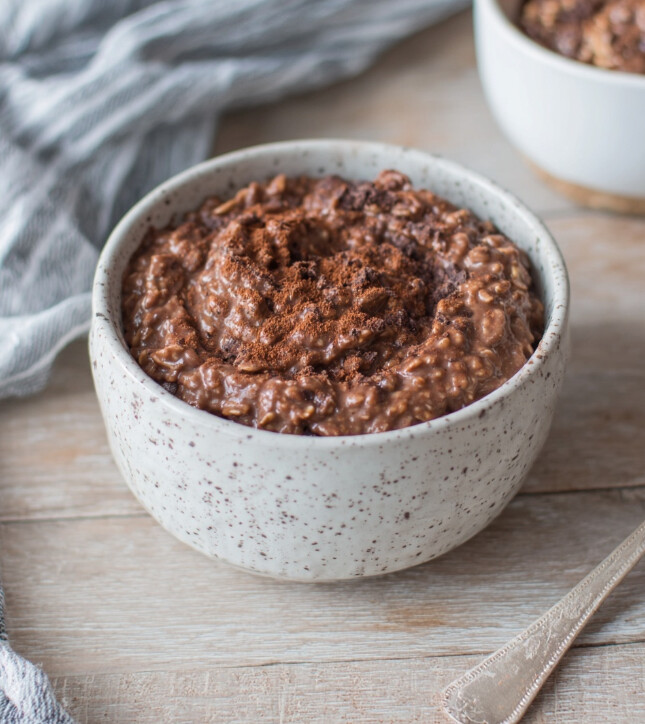
If you crave something decadent first thing, this fudgy, pudding-like oat bowl hits the mark. We bloom the cocoa powder to pull out its deepest chocolate notes before mixing it with plant-based milk. It is pure comfort food in a jar, perfect for a cozy weekend morning.
The fiber-focused breakdown: While higher in carbs from the oats, the 6.2g of fiber and 15.2g of proteincan contribute to a more balanced digestion profile, making it a smart whole-grain option.
🕒 Active Prep: 7 minutes
25.1g Net Carbs •6.2g Fiber •1.1g Sugar • 15.2g Protein • 227 kcal
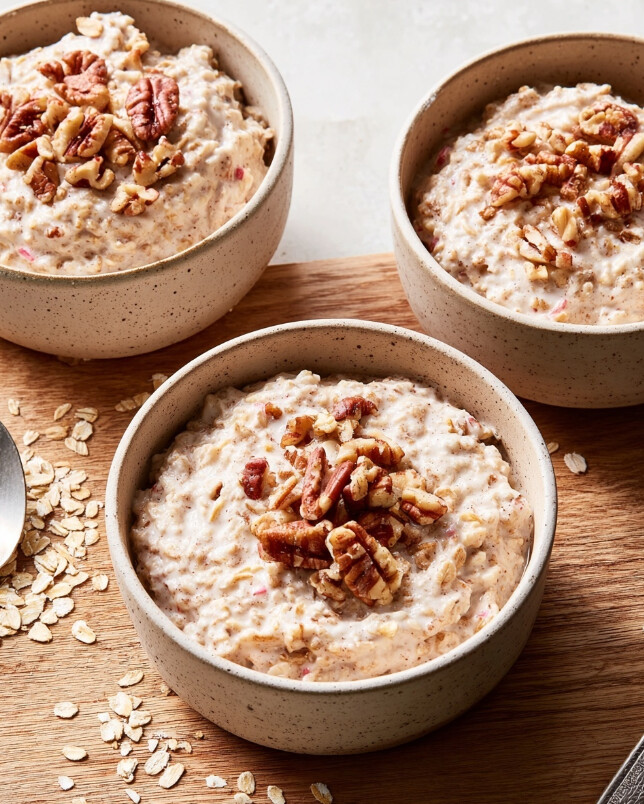
Okay, can we talk about how exactly this captures the essence of a bakery treat? By layering aromatic cinnamon and a splash of vanilla, you get that familiar sweet spice profile in a chilled, creamy format. It tastes complicated, but you’re just dumping ingredients into a jar.
Why this fits a balanced plan:Rolled oats provide complex carbohydrates, and pairing them with a solid 7g of fiber research suggests offers a steadier alternative to heavily refined bakery pastries.
🕒 Ready in: 5 minutes
30g Net Carbs •7g Fiber •4g Sugar • 11g Protein • 258 kcal
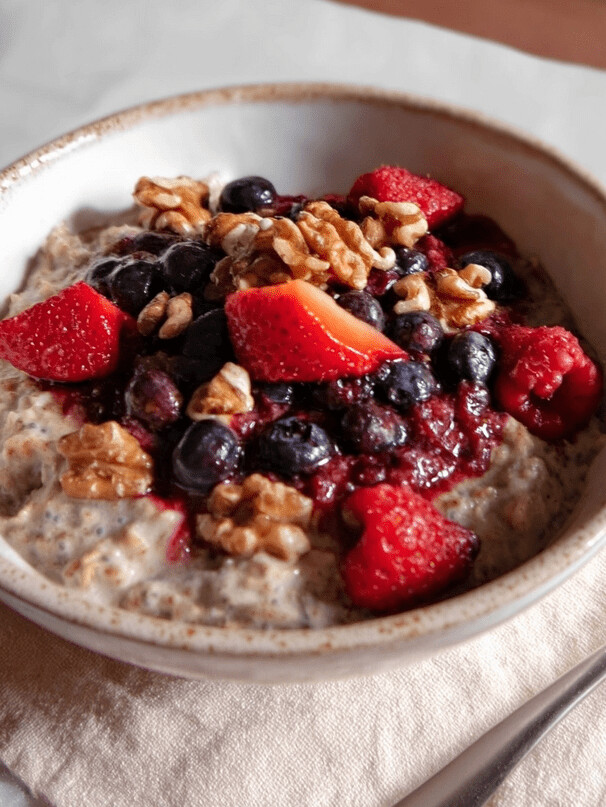
Fresh orange zest completely wakes up the earthy flax and chia seeds in this vibrant bowl. Walnuts bring an essential crunch, while the berries melt slightly into the warm oats. It’s a beautifully bright start to any morning that feels a little bit fancy.
The nutrient-dense logic: The combination of berries and seeds pushes the fiber to an impressive 10.8g, which is generally considered an excellent way to balance out the natural oat carbs.
🕒 Ready in: 11 minutes
24.9g Net Carbs •10.8g Fiber •5.7g Sugar • 9.1g Protein • 314 kcal
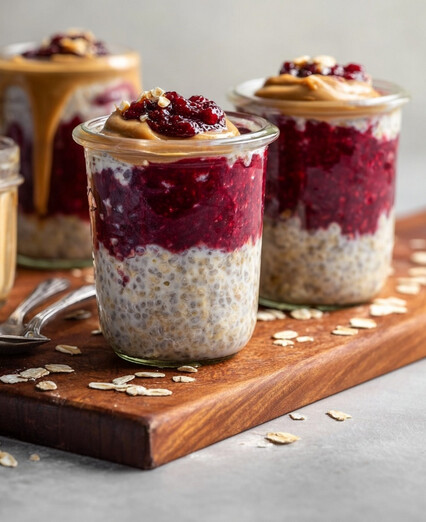
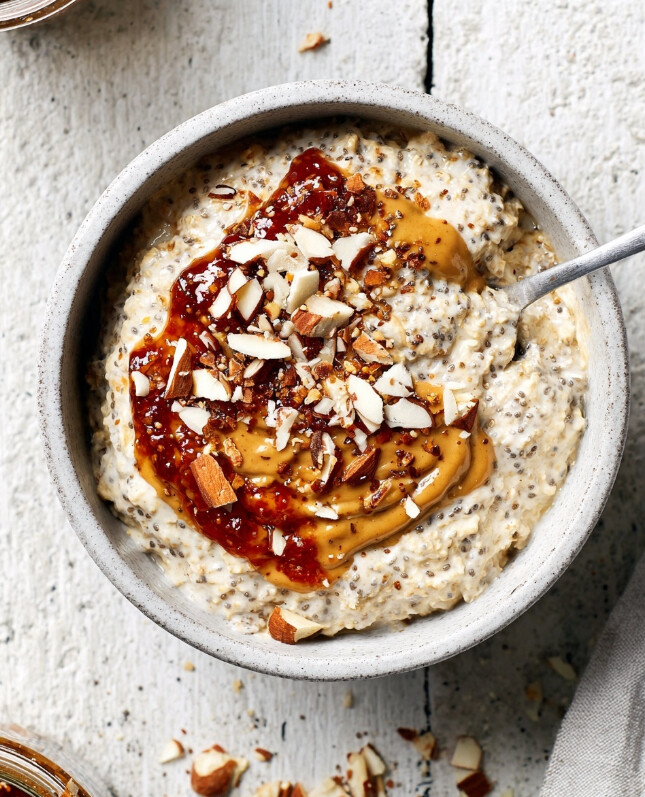
We mash fresh berries to create a tart, jammy swirl that cuts right through the rich, natural peanut butter layer. It’s a nostalgic flavor profile built entirely from wholesome, pantry-staple ingredients. My kids usually try to steal a few bites of this one.
The smart-carb approach: Relying on a natural berry mash instead of sugary jellies keeps added sugars out, while the peanut butter offers healthy fats that may help support a longer feeling of fullness.
🕒 Active Prep: 15 minutes
32.0g Net Carbs •10g Fiber •5g Sugar • 16g Protein • 380 kcal
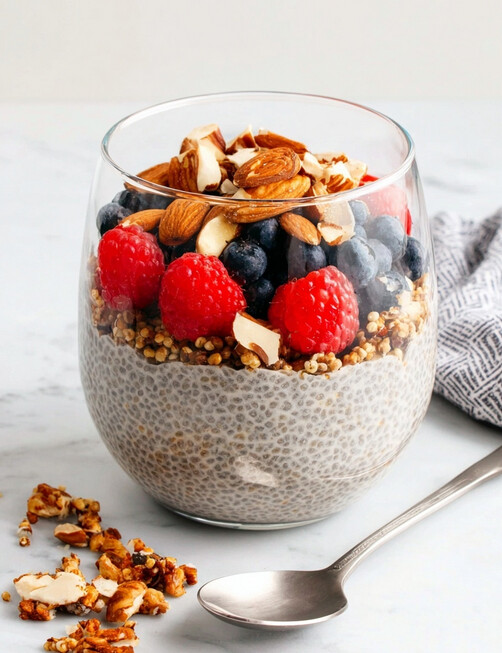
Greek yogurt is the secret to getting a luxurious, thick base that holds up beautifully for days in the fridge. This acts as a reliable blank canvas—I like to toss on a few toasted nuts or a sprinkle of unsweetened coconut right before eating.
The protein-forward angle: Stirring in Greek yogurt bumps the protein to 14g, which studies indicate is a great way to round out a carbohydrate-based bowl and keep you satisfied until lunch.
🕒 Active Prep: 5 minutes
32g Net Carbs •9g Fiber •6g Sugar • 14g Protein • 285 kcal
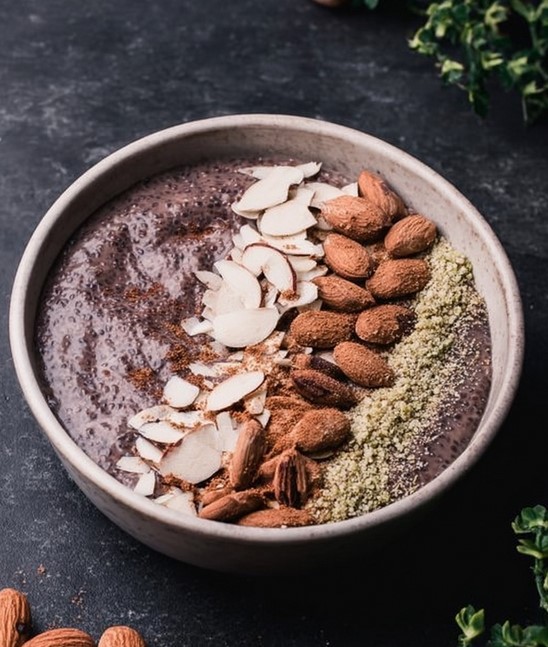
This intensely dark chocolate pudding feels rich enough for dessert but easily earns its place at the breakfast table. The chia seeds plump up beautifully overnight, creating a silky texture that satisfies early-morning cocoa cravings without any fuss.
The macro-conscious breakdown: With an incredible 13.4g of fiber anchoring the 15.9g of net carbs, this pudding is an excellent example of a high-fiber dish that can contribute to a diabetes-friendly meal pattern.
🕒 Active Prep: 5 minutes
15.9g Net Carbs •13.4g Fiber •5.5g Sugar • 20.8g Protein • 366 kcal
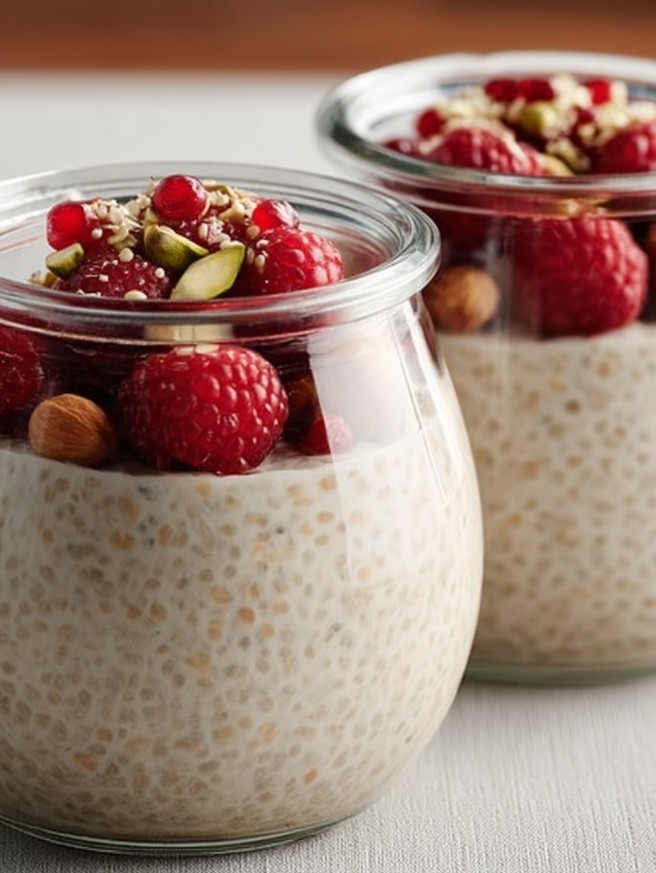
Cardamom brings a warm, almost floral note that totally transforms a standard chia base. Sweetened lightly with dates, it feels incredibly sophisticated for something that takes just a few minutes of whisking. It is a sleeper hit you’ll want to make again.
Why this treat works: Natural sweetness from dates provides flavor without refined sugars, and the heavy dose of healthy fats from chiais generally considered beneficial for a well-rounded plate.
🕒 Active Prep: 10 minutes
10.0g Net Carbs •10g Fiber •7.5g Sugar • 5g Protein • 180 kcal
Milk alternatives: Swap standard dairy for unsweetened almond or coconut milk to shave off a few extra carbs in the overnight recipes.
Batch prep: Chia puddings and seed-based oats easily last 4–5 days in sealed glass jars, making them ideal for a Sunday meal-prep session.
Watch the toppings: A heavy pour of maple syrup can quickly change the macro profile. Stick to fresh berries, cinnamon, or a small handful of toasted walnuts.
Round out the plate: If your bowl feels a little light, follow the Plate Method and add a side of hard-boiled eggs for extra protein without the carbs.
Common Questions About Breakfast Bowls
Are oats okay for a diabetes-friendly diet?
Yes, whole rolled or steel-cut oats can absolutely fit into a carb-conscious plan. According to the American Diabetes Association, their high fiber content may help support more gradual digestion compared to highly refined cereals. Portion size is the key factor.
What is the difference between total carbs and net carbs?
Total carbs count all the carbohydrates in a food, while net carbs subtract the fiber. Since fiber isn’t fully digested, looking at net carbs is generally considered a helpful way to gauge the actual macronutrient impact of a meal.
Can I swap chia seeds for flaxseed?
Absolutely. Both are excellent sources of fiber and healthy fats, though chia seeds absorb quite a bit more liquid. If you use flax, you might need slightly less milk to get that thick, spoonable texture.
Which of these fiber-packed bowls is making it into your meal prep rotation this weekend? If you give that fudgy chocolate oat jar or the crunchy low-carb granola a spin, be sure to save this list to your Pinterest boards so you’re never stuck staring at empty cereal boxes again!
These recipes and notes are shared strictly for informational and educational purposes and should never be taken as medical or nutritional advice. Because carb tolerance is highly individual, always monitor your own blood sugar response and consult with your doctor, registered dietitian, or a Certified Diabetes Care and Education Specialist (CDCES) before adjusting your diet, particularly if you take insulin or other medications. These statements have not been evaluated by the FDA and are not intended to diagnose, treat, cure, or prevent any medical condition. Nutritional values are provided as estimates.
Kristina Hanson is an independent wellness researcher and the founder of DailyZests. She specializes in translating nutritional science into simple, delicious recipes that fit into real life. When she isn’t in the kitchen, you’ll find her hiking the trails or enjoying a slow morning coffee with her Golden Retriever, Barnaby. Read her full story.
This is a really helpful article! I’ve always loved cereal but have been avoiding it since my diabetes diagnosis. I’m excited to try some of these recommendations. I’m curious about the “net carbs” concept. How reliable is it for predicting the impact of a food on blood sugar? Also, are there any specific brands of almond milk you recommend that are truly unsweetened and low in carbs?
Hi Lisa, I’m glad you found the article helpful! The concept of net carbs can be useful, but it’s not foolproof. While fiber does slow down digestion and reduce the blood sugar impact, individual responses can vary. It’s always a good idea to monitor your blood sugar after trying a new food to see how it affects you personally. As for almond milk, some good unsweetened brands include Silk Unsweetened Almond Milk, Blue Diamond Almond Breeze Unsweetened Original, and Califia Farms Unsweetened Almond Milk. Always double-check the label to ensure there are no added sugars, and look for options with around 1-2 grams of carbs per cup. These brands offer a creamy texture and neutral flavor that pairs well with cereal.
I’m a bit skeptical about the high-protein cereals mentioned, like Magic Spoon and Catalina Crunch. They seem highly processed, and I’ve heard that some artificial sweeteners can still impact blood sugar levels. Are these cereals truly a healthy choice for people with diabetes? Also, I struggle with portion control, especially with tasty cereals. Do you have any tips for sticking to the recommended serving size?
Hi Emily, you raise valid concerns. While Magic Spoon and Catalina Crunch are lower in carbs and higher in protein than traditional cereals, they are still processed foods. It’s always best to prioritize whole, unprocessed foods whenever possible. However, these cereals can be a better alternative to sugary, refined-grain options when consumed in moderation. As for the artificial sweeteners, the research is mixed. Some studies suggest they might have a slight impact on blood sugar or gut health, but more research is needed. It’s best to monitor your blood sugar and see how these cereals affect you. For portion control, try using a measuring cup instead of pouring directly from the box. You can also pre-portion servings into smaller containers for easy grab-and-go options. Another tip is to add bulky, low-calorie toppings like berries or extra almond milk to make your bowl feel more substantial without significantly increasing the carb count. Ultimately, it’s about finding a balance that works for you and your individual needs.
Okay, this is a LOT of information. I’m overwhelmed! I just want a simple answer: what’s the BEST cereal I can grab at the store without having to read every single label? And seriously, “Magic Spoon”? Sounds like kid cereal. Is it really that good for you? And what about the price? I bet those fancy “healthy” cereals are expensive. And can I just put regular milk in it? I hate almond milk!
Hi Sarah, I understand! The cereal aisle can be a jungle. If you want a quick and easy choice, I’d say go for Kashi Go Lean or Nature’s Path Smart Bran from the ones mentioned. They’re high in fiber and protein, which is what you want. “Magic Spoon” might sound like kid’s stuff, but it’s surprisingly good for a low-carb option (though, yes, it’s a bit pricier). You CAN use regular milk, but be aware that it adds carbs, usually about 12 grams per cup. If you can tolerate it, try unsweetened almond milk, it will help. It’s really about finding what works best for your body and budget!
This article mentions overnight oats, but I’ve always been confused about them. Do you cook the oats first? And what kind of toppings are best? Also, it says eggs are good, but I thought they were high in cholesterol. My doctor told me to watch my cholesterol… And is it really that bad to skip breakfast? Sometimes I’m just not hungry in the morning, and I’d rather have a bigger lunch.
Hi Jessica! Great questions! For overnight oats, you do NOT cook the oats. You just soak them in milk (or a milk alternative) in the fridge overnight. The oats absorb the liquid and soften up. As for toppings, berries, nuts, seeds, and a sprinkle of cinnamon are all great choices! About eggs, the thinking on cholesterol has changed. Dietary cholesterol (from foods like eggs) has less of an impact on blood cholesterol than previously thought. But it’s always best to check with your doctor, especially if you have specific health concerns, of course. And about skipping breakfast… while it might seem convenient, it can actually make it harder to manage your blood sugar throughout the day, especially with the dawn phenomenon. Even a small, balanced breakfast is better than nothing! Maybe try a hard-boiled egg or a small cup of Greek yogurt with some berries if you’re not feeling a big meal. I hope this helps!
Okay, so you’re telling me I can eat cereal again?! I thought it was basically a bowl of sugar that would send my blood sugar into orbit. I’ve been avoiding it like the plague! But I miss my morning crunch. Are these ‘diabetes-friendly’ cereals going to taste like cardboard? And what about the sugar content? I see some of these have a lot of carbs, even if they’re ‘net’ carbs. Is this really okay for someone with diabetes? Also, my grandson loves those sugary cereals, can I give him any of the ones listed here?
Hey Nancy, I hear you! Cereal has gotten a bad rap in the diabetes world, but it doesn’t have to be that way! The key is choosing the RIGHT cereals. And trust me, these aren’t your grandma’s bland, cardboard-tasting cereals. We’re talking about cereals like Magic Spoon and Catalina Crunch that actually taste good AND are low in net carbs and high in protein. Think of net carbs as the carbs that actually impact your blood sugar – it’s total carbs minus fiber. Fiber helps slow down digestion, so it doesn’t spike your blood sugar as much. These cereals are designed to be satisfying and delicious without the sugar crash. Now, about your grandson, while these cereals are healthier than the super sugary ones, it is always best to check with his pediatrician first. They are generally geared towards adults managing their blood sugar. They might not be suitable for all children, especially if they have different nutritional needs. You can always add some fruit to naturally sweeten his cereal, making it a win-win for everyone!
This is all great, but I’m a bit overwhelmed by all the information. ‘Dawn phenomenon’? ‘Net carbs’? ‘Soluble fiber’? It’s a lot to take in. I’m not a nutritionist! Can you give me a super simple rule of thumb for picking a good cereal? And what about portion sizes? I tend to just pour until the bowl is full – is that a bad idea? Also, you mention milk. I love my 2% milk; do I really have to switch to almond milk? What about other kinds of milk such as coconut or oat milk?
Hey Barbara, I totally get it! It can seem like a lot of information at first, but it becomes easier, I promise! Here’s a simple rule of thumb: when looking at the cereal box, focus on HIGH fiber (at least 3 grams per serving) and HIGH protein (at least 3 grams, but the more, the better!), and try to keep the net carbs LOW (under 20 grams per serving). As for portion sizes, yes, it’s important to be mindful! Using a measuring cup, at least in the beginning, can help you get a feel for the right amount. Pouring until the bowl is full can easily lead to overeating. And about milk, you don’t HAVE to switch to almond milk, but be aware of how your favorite milk affects your carb intake. Dairy milk does contain carbs (around 12 grams per cup for 2%), so factor that into your meal plan. If you love your 2% milk and it fits within your carb goals, then go for it! Unsweetened almond milk is simply a lower-carb option (around 1-2 grams of carbs per cup). Coconut milk and oat milk are other alternatives, with varying carb amounts. For example, unsweetened coconut milk has approximately 1-2 grams of carbs per cup, while oat milk tends to be higher, with around 7-15 grams of carbs per cup, depending on the brand. You can always test and see how different types of milk impact your blood sugar, and then make the best decision for you. The most important thing is to find a sustainable approach that you enjoy and that helps you manage your blood sugar effectively!



 This post may contain affiliate links.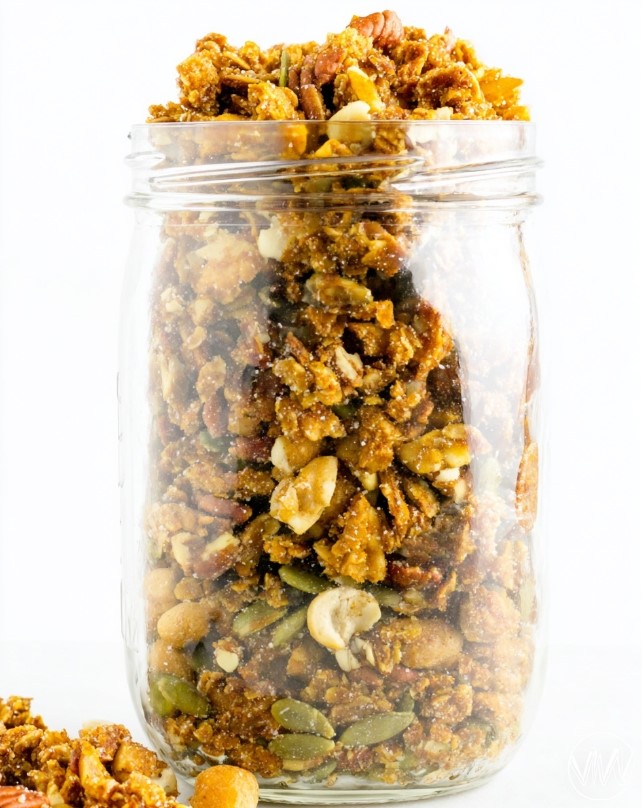









This is a really helpful article! I’ve always loved cereal but have been avoiding it since my diabetes diagnosis. I’m excited to try some of these recommendations. I’m curious about the “net carbs” concept. How reliable is it for predicting the impact of a food on blood sugar? Also, are there any specific brands of almond milk you recommend that are truly unsweetened and low in carbs?
Hi Lisa, I’m glad you found the article helpful! The concept of net carbs can be useful, but it’s not foolproof. While fiber does slow down digestion and reduce the blood sugar impact, individual responses can vary. It’s always a good idea to monitor your blood sugar after trying a new food to see how it affects you personally. As for almond milk, some good unsweetened brands include Silk Unsweetened Almond Milk, Blue Diamond Almond Breeze Unsweetened Original, and Califia Farms Unsweetened Almond Milk. Always double-check the label to ensure there are no added sugars, and look for options with around 1-2 grams of carbs per cup. These brands offer a creamy texture and neutral flavor that pairs well with cereal.
I’m a bit skeptical about the high-protein cereals mentioned, like Magic Spoon and Catalina Crunch. They seem highly processed, and I’ve heard that some artificial sweeteners can still impact blood sugar levels. Are these cereals truly a healthy choice for people with diabetes? Also, I struggle with portion control, especially with tasty cereals. Do you have any tips for sticking to the recommended serving size?
Hi Emily, you raise valid concerns. While Magic Spoon and Catalina Crunch are lower in carbs and higher in protein than traditional cereals, they are still processed foods. It’s always best to prioritize whole, unprocessed foods whenever possible. However, these cereals can be a better alternative to sugary, refined-grain options when consumed in moderation. As for the artificial sweeteners, the research is mixed. Some studies suggest they might have a slight impact on blood sugar or gut health, but more research is needed. It’s best to monitor your blood sugar and see how these cereals affect you. For portion control, try using a measuring cup instead of pouring directly from the box. You can also pre-portion servings into smaller containers for easy grab-and-go options. Another tip is to add bulky, low-calorie toppings like berries or extra almond milk to make your bowl feel more substantial without significantly increasing the carb count. Ultimately, it’s about finding a balance that works for you and your individual needs.
Okay, this is a LOT of information. I’m overwhelmed! I just want a simple answer: what’s the BEST cereal I can grab at the store without having to read every single label? And seriously, “Magic Spoon”? Sounds like kid cereal. Is it really that good for you? And what about the price? I bet those fancy “healthy” cereals are expensive. And can I just put regular milk in it? I hate almond milk!
Hi Sarah, I understand! The cereal aisle can be a jungle. If you want a quick and easy choice, I’d say go for Kashi Go Lean or Nature’s Path Smart Bran from the ones mentioned. They’re high in fiber and protein, which is what you want. “Magic Spoon” might sound like kid’s stuff, but it’s surprisingly good for a low-carb option (though, yes, it’s a bit pricier). You CAN use regular milk, but be aware that it adds carbs, usually about 12 grams per cup. If you can tolerate it, try unsweetened almond milk, it will help. It’s really about finding what works best for your body and budget!
This article mentions overnight oats, but I’ve always been confused about them. Do you cook the oats first? And what kind of toppings are best? Also, it says eggs are good, but I thought they were high in cholesterol. My doctor told me to watch my cholesterol… And is it really that bad to skip breakfast? Sometimes I’m just not hungry in the morning, and I’d rather have a bigger lunch.
Hi Jessica! Great questions! For overnight oats, you do NOT cook the oats. You just soak them in milk (or a milk alternative) in the fridge overnight. The oats absorb the liquid and soften up. As for toppings, berries, nuts, seeds, and a sprinkle of cinnamon are all great choices! About eggs, the thinking on cholesterol has changed. Dietary cholesterol (from foods like eggs) has less of an impact on blood cholesterol than previously thought. But it’s always best to check with your doctor, especially if you have specific health concerns, of course. And about skipping breakfast… while it might seem convenient, it can actually make it harder to manage your blood sugar throughout the day, especially with the dawn phenomenon. Even a small, balanced breakfast is better than nothing! Maybe try a hard-boiled egg or a small cup of Greek yogurt with some berries if you’re not feeling a big meal. I hope this helps!
Okay, so you’re telling me I can eat cereal again?! I thought it was basically a bowl of sugar that would send my blood sugar into orbit. I’ve been avoiding it like the plague! But I miss my morning crunch. Are these ‘diabetes-friendly’ cereals going to taste like cardboard? And what about the sugar content? I see some of these have a lot of carbs, even if they’re ‘net’ carbs. Is this really okay for someone with diabetes? Also, my grandson loves those sugary cereals, can I give him any of the ones listed here?
Hey Nancy, I hear you! Cereal has gotten a bad rap in the diabetes world, but it doesn’t have to be that way! The key is choosing the RIGHT cereals. And trust me, these aren’t your grandma’s bland, cardboard-tasting cereals. We’re talking about cereals like Magic Spoon and Catalina Crunch that actually taste good AND are low in net carbs and high in protein. Think of net carbs as the carbs that actually impact your blood sugar – it’s total carbs minus fiber. Fiber helps slow down digestion, so it doesn’t spike your blood sugar as much. These cereals are designed to be satisfying and delicious without the sugar crash. Now, about your grandson, while these cereals are healthier than the super sugary ones, it is always best to check with his pediatrician first. They are generally geared towards adults managing their blood sugar. They might not be suitable for all children, especially if they have different nutritional needs. You can always add some fruit to naturally sweeten his cereal, making it a win-win for everyone!
This is all great, but I’m a bit overwhelmed by all the information. ‘Dawn phenomenon’? ‘Net carbs’? ‘Soluble fiber’? It’s a lot to take in. I’m not a nutritionist! Can you give me a super simple rule of thumb for picking a good cereal? And what about portion sizes? I tend to just pour until the bowl is full – is that a bad idea? Also, you mention milk. I love my 2% milk; do I really have to switch to almond milk? What about other kinds of milk such as coconut or oat milk?
Hey Barbara, I totally get it! It can seem like a lot of information at first, but it becomes easier, I promise! Here’s a simple rule of thumb: when looking at the cereal box, focus on HIGH fiber (at least 3 grams per serving) and HIGH protein (at least 3 grams, but the more, the better!), and try to keep the net carbs LOW (under 20 grams per serving). As for portion sizes, yes, it’s important to be mindful! Using a measuring cup, at least in the beginning, can help you get a feel for the right amount. Pouring until the bowl is full can easily lead to overeating. And about milk, you don’t HAVE to switch to almond milk, but be aware of how your favorite milk affects your carb intake. Dairy milk does contain carbs (around 12 grams per cup for 2%), so factor that into your meal plan. If you love your 2% milk and it fits within your carb goals, then go for it! Unsweetened almond milk is simply a lower-carb option (around 1-2 grams of carbs per cup). Coconut milk and oat milk are other alternatives, with varying carb amounts. For example, unsweetened coconut milk has approximately 1-2 grams of carbs per cup, while oat milk tends to be higher, with around 7-15 grams of carbs per cup, depending on the brand. You can always test and see how different types of milk impact your blood sugar, and then make the best decision for you. The most important thing is to find a sustainable approach that you enjoy and that helps you manage your blood sugar effectively!