When you’re searching for low carb diabetic smoothies, finding a blend that doesn’t taste like iced grass can be tricky. This lineup focuses on thick, creamy, and seriously refreshing cups that rely on smart ingredients – not extra sugar – to deliver the rich, frosty texture you actually want for breakfast.
A quick note: These recipes are built around macros to fit a diabetes-friendly lifestyle, but they aren’t medical advice. Everyone’s carb tolerance is completely unique, so always consult your doctor and monitor your own blood sugar to see what works for your body.
Building a smoothie that fits a diabetes-friendly routine is really about looking past the standard fruit bowl. By anchoring your drink with a solid balance of fiber, lean protein, and lower net carbs, you can craft a breakfast that is generally considered more supportive of your daily macro goals than a traditional juice-heavy blend.
According to randomized-trial evidence on dietary fiber and clinical research on protein preloads, incorporating fiber-rich foods alongside protein may help support a slower digestion process. That’s the exact framework we lean on here – swapping out high-sugar liquids for unsweetened nut milks and packing in healthy fats to create a satisfying, carb-conscious cup.
Why These Blends Earn Their Spot
Macro-conscious bases: We keep the focus squarely on lower net carbs and minimal added sugar.
Everyday ingredients: No obscure, expensive powders required – just simple pantry staples and fresh produce you probably already have.
Fast morning prep: Everything comes together in the blender in minutes, meaning less cleanup when you’re rushing out the door.
Actually satisfying: Thanks to the protein and fats, these won’t leave you raiding the pantry an hour later.
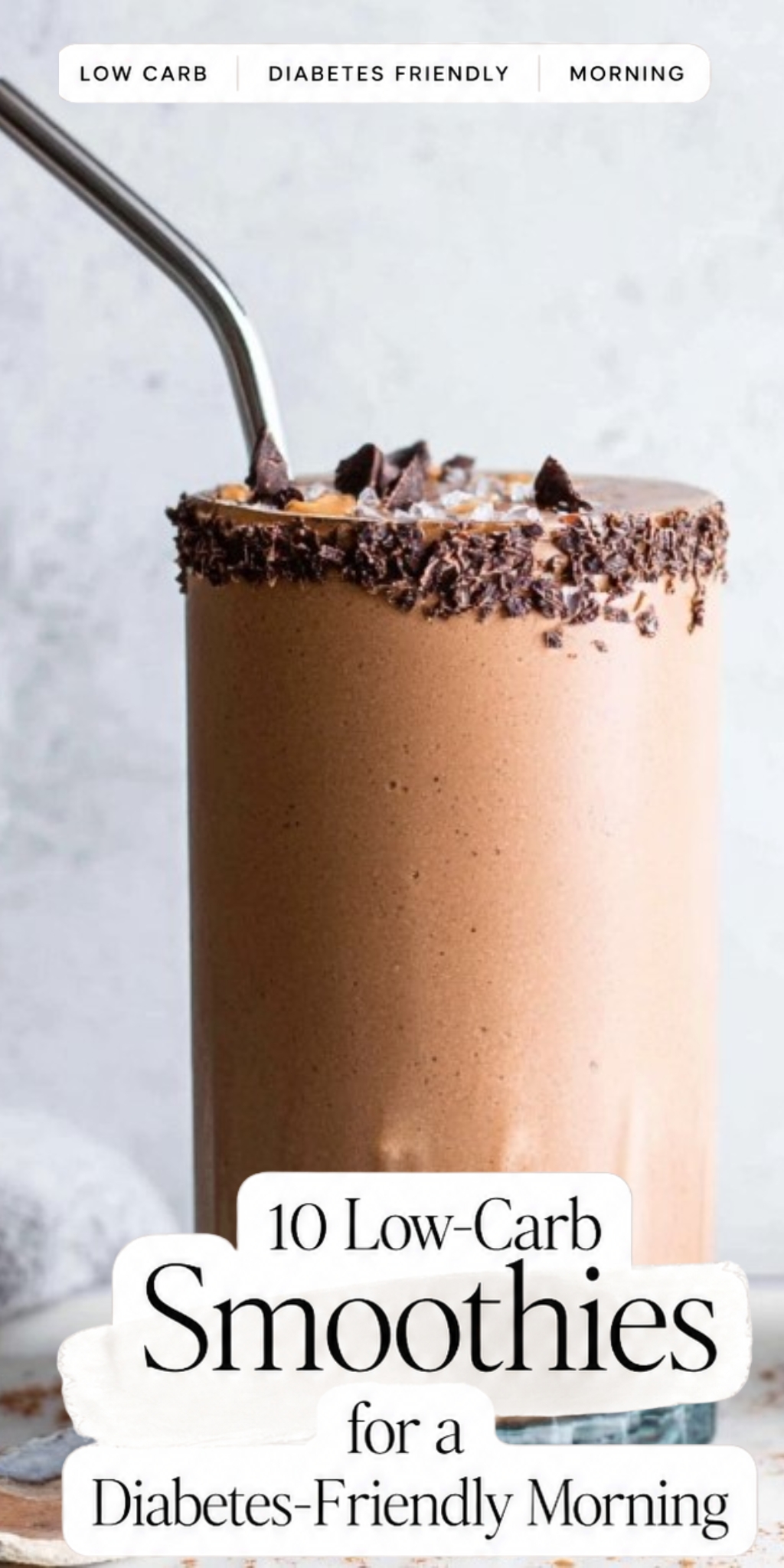
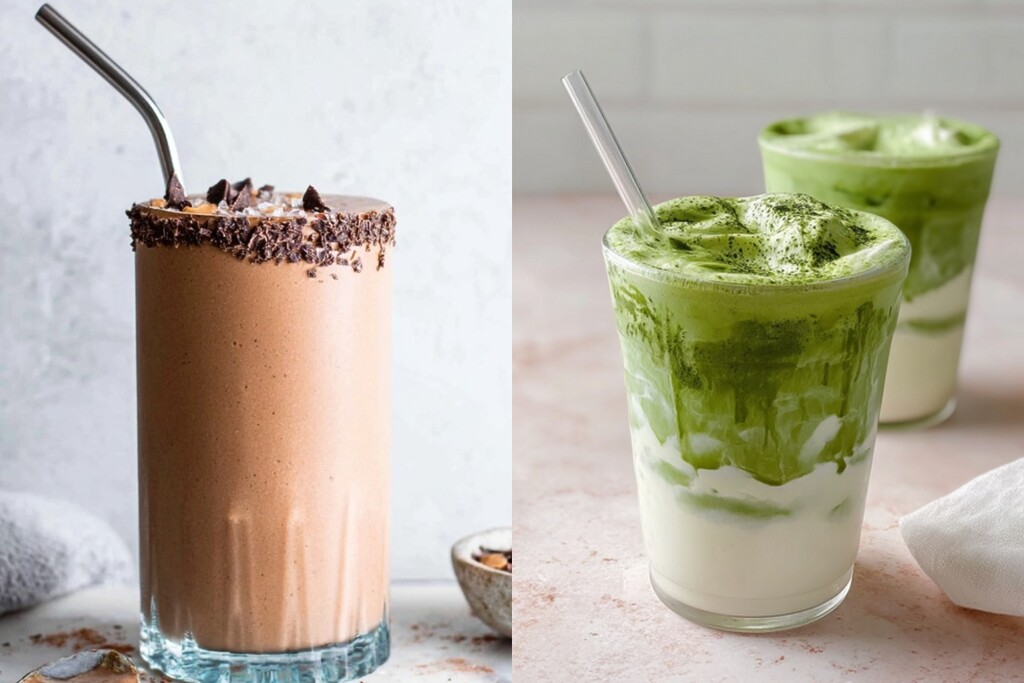
This rich and velvety blend tastes exactly like a liquid peanut butter cup. A dash of vanilla and sea salt makes the natural sweetness of the cocoa and nut butter pop, delivering a deeply fudgy flavor without needing extra sweeteners. It’s the ultimate quick morning fix.
The carb-conscious breakdown: Coming in at just 6g net carbs, this chocolatey cup relies on healthy fats from nut butter, which may help support a satisfying morning routine without overloading your macro count.
🕒 Total Time: See full recipe
6g Net Carbs •8g Fiber •2g Sugar • 11g Protein • 310 kcal
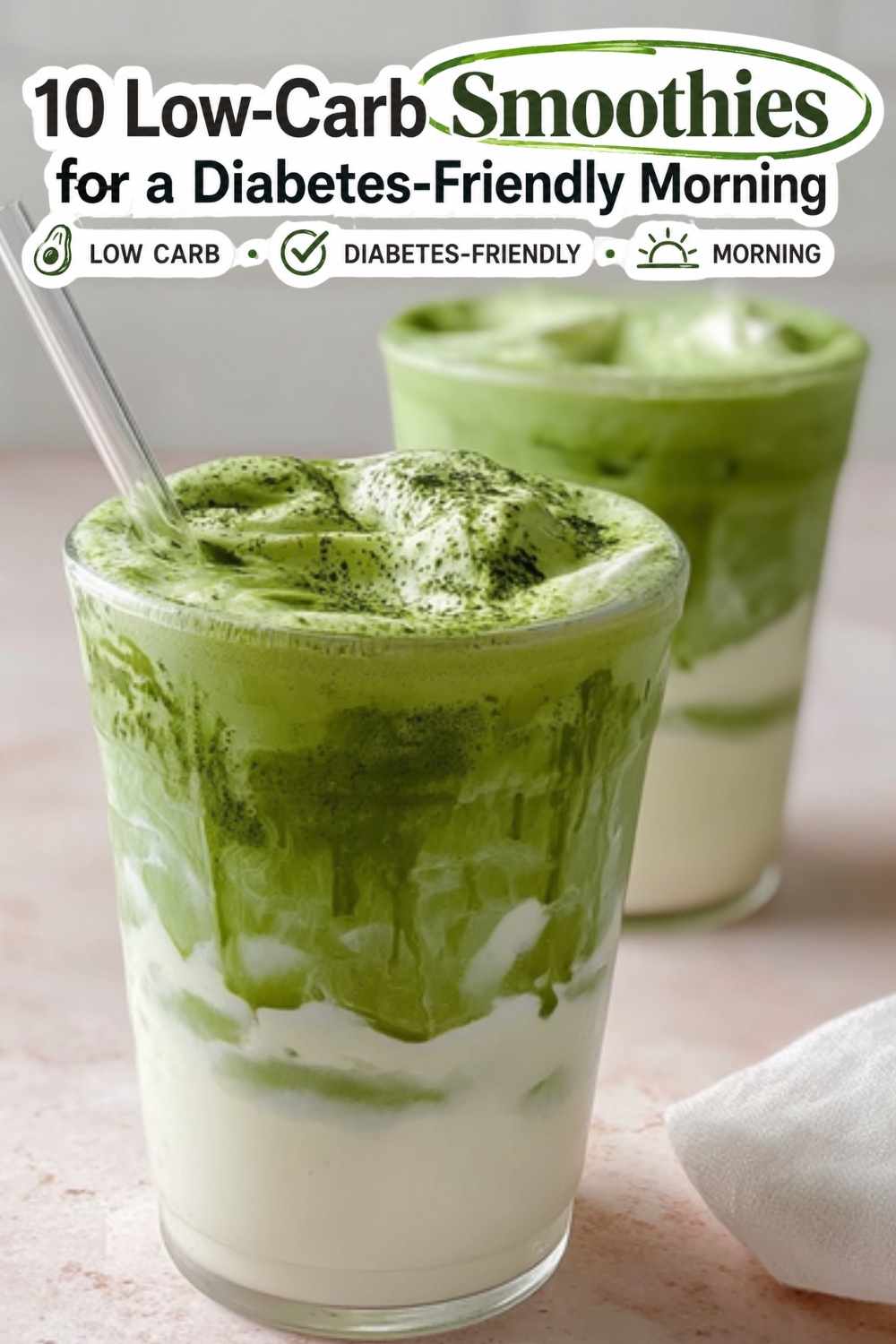
Okay, can we talk about how stunning this layered drink is? Packed with matcha, hidden zucchini, and creamy coconut, it delivers a vibrant, earthy sweetness that feels incredibly refreshing. My family didn’t even notice the veggies hiding in there!
Why this green blend works: Skipping the sugary syrups of typical café drinks, this version uses collagen peptides and fibrous zucchini, which can contribute to a balanced, lower-carb profile while keeping the texture ultra-creamy.
🕒 Total Time: See full recipe
6g Net Carbs •4g Fiber •3g Sugar • 16g Protein • 385 kcal
If you loved the creamy texture of the first two, you’ll be all over these quick, refreshing variations.
Strawberry Tofu Smoothie – A brilliantly creamy, plant-based strawberry blend that packs in protein without the heavy dairy. (⏱️ 10 minutes | 📊 7.1g Net Carbs)
Rich Blueberry Vanilla Smoothie – Deep berry flavors meet coconut milk and pea protein for a thick, diner-style shake vibe. (⏱️ 5 minutes | 📊 8.1g Net Carbs)
Strawberry-Peach Yogurt Smoothie – A wonderfully simple, bright, and fruity classic that uses unsweetened almond milk to keep the carb count in check. (⏱️ 5 minutes | 📊 10g Net Carbs)
Tart Raspberry Mint Smoothie – The combination of fresh mint and tart raspberries makes this an incredibly cooling option for warm mornings. (⏱️ 5 minutes | 📊 8.3g Net Carbs)
Spiced Carrot Cake Smoothie – Cinnamon, fresh ginger, and nut butter give this brilliant orange blend all the cozy flavors of carrot cake. (⏱️ 5 minutes | 📊 7.7g Net Carbs)
Creamy Avocado Banana Blend – Ultra-rich and velvety, relying on the healthy fats in avocado to create a gorgeous, thick texture. (⏱️ 5 minutes | 📊 8g Net Carbs)
Cooling Watermelon Lime Smoothie – A beautifully light, hydrating summer cooler that barely tips the scale on macros. (⏱️ 5 minutes | 📊 6.1g Net Carbs)
Avocado Spinach Breakfast Blend – A highly satisfying, deeply green cup loaded with Greek yogurt and vanilla for a smooth finish. (⏱️ 5 minutes | 📊 6.6g Net Carbs)
Blender Hacks and Smart Swaps
Ice matters: For the best texture, use frozen produce or freeze your almond milk in ice cube trays – it creates a thicker, creamier base without watering down the flavor.
Sweetness swaps: If a recipe needs a little bump, a splash of liquid stevia or monk fruit drops integrates smoother than granular sweeteners in cold liquids.
Macro matching: To round out your morning using the Diabetes Plate Method, consider pairing a lighter, lower-protein smoothie with a handful of raw almonds or a hard-boiled egg.
Make-ahead prep: You can portion your dry ingredients and spinach into freezer bags. Just dump, add your liquid, and blend!
Common Questions About Diabetes-Friendly Smoothies
Are smoothies a good option for a diabetes-friendly meal plan?
They certainly can be, provided they are balanced correctly. Relying heavily on unsweetened bases and fibrous additions rather than large amounts of fruit juiceis generally considered a smart approach. Research on fiber and protein preloads suggests prioritizing fiber and protein can contribute to better overall meal balance.
What’s the best liquid base for low-carb smoothies?
Unsweetened almond milk, coconut milk, and soy milk are fantastic choices. They keep the net carbs low while providing a creamy texture, unlike traditional dairy milk or fruit juices which run much higher in natural sugars.
How do I make my smoothie sweeter without adding sugar?
Spices like cinnamon or vanilla extract trick the palate into perceiving sweetness naturally. Alternatively, a small amount of low-glycemic sweeteners like stevia or monk fruit may help support a sweeter flavor profile without bumping up the carbs.
Can I use protein powder?
Absolutely. A high-quality, unsweetened whey or plant-based protein powder is a great addition. Proteinis generally considered essential for satiety, helping the drink feel like a complete meal rather than just a quick snack.
Which of these diabetes-friendly smoothie recipes is making its way to your breakfast table first? Are you leaning toward the rich chocolate vibe or one of those refreshing green blends? Don’t forget to save this list to your favorite Pinterest board before your next grocery run!
Medical Disclaimer: The recipes and nutritional details provided in this article are intended strictly for educational and informational purposes, not as a replacement for professional medical, nutritional, or dietary guidance. Because individual carb tolerance and physiological responses vary, you should always consult with your physician or a Certified Diabetes Care and Education Specialist (CDCES) before altering your diet, especially if you are managing medications or insulin. Readers must monitor their own blood sugar responses independently. These statements have not been evaluated by the FDA and are not intended to diagnose, treat, prevent, or cure any disease. All nutritional values provided are simply estimates.
Kristina Hanson is an independent wellness researcher and the founder of DailyZests. She specializes in translating nutritional science into simple, delicious recipes that fit into real life. When she isn’t in the kitchen, you’ll find her hiking the trails or enjoying a slow morning coffee with her Golden Retriever, Barnaby. Read her full story.
These smoothie recipes sound delicious, but I’m a bit confused about using tofu in a smoothie. I’ve always thought of tofu as a savory ingredient. Does it really work in a sweet recipe like the Strawberry Tofu Smoothie? Also, I’m not a big fan of protein powders. Are there any other ways to boost the protein content of these smoothies without using them?
Hi Jessica, you’re not alone in being surprised by tofu in a smoothie! Silken tofu actually has a very mild flavor and a creamy texture that blends seamlessly into smoothies. It’s a great way to add protein and create a thicker consistency without altering the taste significantly. The Strawberry Tofu Smoothie recipe uses it to great effect, and many people are pleasantly surprised by how well it works. As for alternatives to protein powder, you have several options! Greek yogurt is a fantastic source of protein and adds a tangy flavor and creamy texture. Nut butters like almond butter or peanut butter also boost protein and healthy fats. Chia seeds and hemp seeds are other great additions that provide protein, fiber, and omega-3 fatty acids. Feel free to experiment and find what you enjoy the most!
I’m excited to try these recipes, but I’m worried about the cost of some of the ingredients, especially things like avocados and protein powder. They can be quite expensive. Do you have any tips for making these smoothies more budget-friendly? Also, I’ve heard that some artificial sweeteners, even the “natural” ones, can still affect blood sugar levels. Is this true, and are there any sweeteners you would specifically recommend or avoid?
Hi Ashley, those are great questions! You can definitely make delicious and diabetes-friendly smoothies without breaking the bank. Here are a few budget-friendly tips: Frozen fruits and vegetables are often cheaper than fresh and work just as well in smoothies. You can also buy fresh produce in season when it’s less expensive and freeze it yourself. For protein, consider using more affordable options like Greek yogurt or even silken tofu instead of expensive protein powders. As for sweeteners, you’re right to be cautious. While sweeteners like stevia and monk fruit are generally considered safe for people with diabetes and don’t raise blood sugar levels significantly, some studies suggest that even non-caloric sweeteners might have subtle effects on insulin or gut bacteria. More research is needed in this area. It is generally best to use any sweetener in moderation. If you’re concerned, you can try reducing the amount of sweetener in the recipes or omitting it altogether. Some people find that the natural sweetness from fruits like berries is enough. Ultimately, it’s about finding what works best for you and your body. I recommend monitoring your blood sugar levels after consuming different sweeteners to see how they affect you personally.
This article mentions that blueberries are good for diabetics, but I thought all fruits were high in sugar. Are there other berries that are okay to use? Also, I don’t have a fancy blender. Will a regular, cheap blender work for these recipes? And what’s the best time of day to have a smoothie if you’re trying to manage your blood sugar?
Hi Nancy, great questions! While fruits do contain natural sugars, berries are generally lower in sugar and higher in fiber compared to other fruits, making them a better choice for people with diabetes. Raspberries and strawberries are also excellent options! As for your blender, a regular one should work just fine for most of these recipes. Just make sure to blend it long enough to get a smooth consistency, especially if you’re using frozen ingredients. You might need to add a bit more liquid. Regarding the best time for a smoothie, it depends on your individual needs and how your body reacts. Some people find that having a low-carb smoothie for breakfast helps them manage their blood sugar throughout the day. Others prefer it as a snack or even after a workout. The key is to monitor your blood sugar levels and see what works best for you!
I’m excited to try these recipes, especially the Key Lime one! But I’m a little worried about the “low-carb sweeteners.” Are they really safe? I’ve heard some artificial sweeteners can actually be bad for you. And what’s the deal with chia seeds? I see them mentioned a lot, but I don’t really know what they are or why they’re good for you. Are they essential, or can I just leave them out?
Hi Patricia, The Key Lime Smoothie is one of my favorites too! It’s so refreshing! Regarding low-carb sweeteners, the ones mentioned in the article – stevia, monk fruit, and erythritol – are generally considered safe for people with diabetes. They don’t raise blood sugar levels like sugar does. However, it’s always a good idea to use them in moderation. As for chia seeds, they’re tiny little seeds that are packed with fiber, omega-3 fatty acids, and protein. They absorb liquid and help create a thicker, more satisfying texture in smoothies. They’re also great for digestion and can help you feel fuller for longer. You can leave them out if you want, but they do add a nice nutritional boost!
Okay, I’m intrigued, but also a little skeptical. These smoothies sound amazing, especially that Key Lime one – yum! But I’ve always been told that fruit is basically nature’s candy. How can a smoothie with pineapple or even berries really be good for managing blood sugar? I mean, I love the idea of a tasty treat that won’t send my glucose levels through the roof, but it almost seems too good to be true. Also, what about the texture? I hate those gritty, grainy smoothies. Are these actually smooth and creamy like they say?
Hi Tiffany, thanks for your comment! I totally get your skepticism – it’s natural to question things that seem too good to be true, especially when it comes to managing blood sugar. The key with these smoothies is the combination of ingredients and portion control. Fruits like pineapple and berries do contain natural sugars, but they’re also packed with fiber. That fiber helps slow down the absorption of sugar into your bloodstream, preventing those dreaded spikes. Plus, we’re using ingredients like avocado, chia seeds, and protein powder, which also contribute to better blood sugar control.
As for the texture, I’m with you – nobody wants a gritty smoothie! The recipes in the article are designed to be creamy and smooth, thanks to ingredients like avocado, tofu, and almond milk. Blending them thoroughly is also important. You might be surprised at how delicious and smooth a well-made low-carb smoothie can be! Give one a try and let me know what you think!
This all sounds great in theory, but I’m a busy mom and I barely have time to make a proper meal, let alone a fancy smoothie! How long does it actually take to make these? And are these ingredients easy to find, or am I going to have to go on a scavenger hunt to five different specialty stores? Also, ‘Pumpkin Protein Smoothie Bowl’? Seriously? Pumpkin in a smoothie? That just sounds weird. I like pumpkin pie as much as the next person, but I’m not sure I can get on board with that one.
Hi Jessica, I hear you! Life gets hectic, and who has time for complicated recipes? The good news is that most of these smoothies can be whipped up in 5-10 minutes. It’s really just a matter of tossing the ingredients into a blender and letting it do its thing. As for the ingredients, most of them can be found at your average grocery store. Things like spinach, kale, berries, and avocados are pretty common. You might need to look in the health food aisle for things like protein powder or chia seeds, but they’re becoming more and more mainstream these days.
And about the pumpkin… I know, it sounds a little out there! But trust me, it’s surprisingly delicious. Think of it like a healthy, drinkable version of pumpkin pie filling. The pumpkin puree adds a creamy texture and a subtle sweetness, and the spices give it that warm, comforting flavor. If you’re feeling adventurous, give it a shot! You might just discover your new favorite fall treat. But if not, there are nine other recipes to choose from, so you’re bound to find something you love.


 This post may contain affiliate links.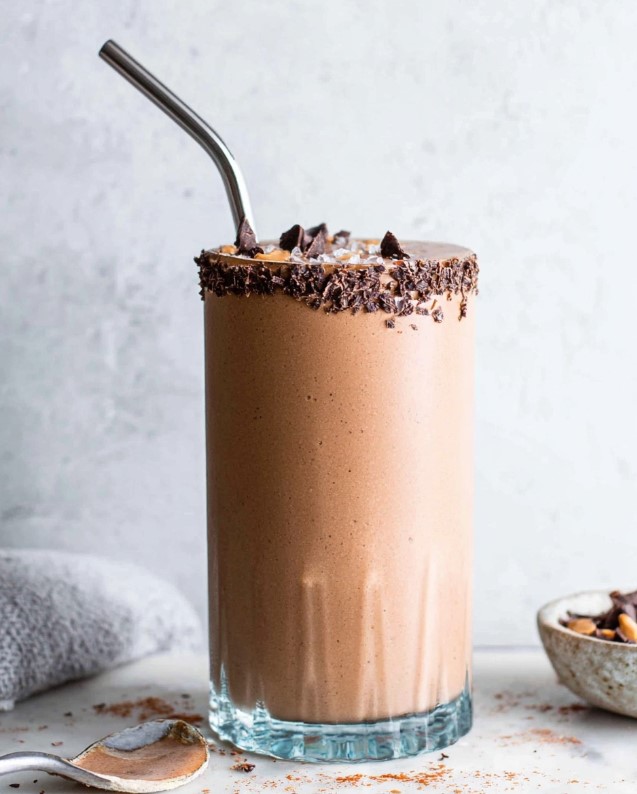







These smoothie recipes sound delicious, but I’m a bit confused about using tofu in a smoothie. I’ve always thought of tofu as a savory ingredient. Does it really work in a sweet recipe like the Strawberry Tofu Smoothie? Also, I’m not a big fan of protein powders. Are there any other ways to boost the protein content of these smoothies without using them?
Hi Jessica, you’re not alone in being surprised by tofu in a smoothie! Silken tofu actually has a very mild flavor and a creamy texture that blends seamlessly into smoothies. It’s a great way to add protein and create a thicker consistency without altering the taste significantly. The Strawberry Tofu Smoothie recipe uses it to great effect, and many people are pleasantly surprised by how well it works. As for alternatives to protein powder, you have several options! Greek yogurt is a fantastic source of protein and adds a tangy flavor and creamy texture. Nut butters like almond butter or peanut butter also boost protein and healthy fats. Chia seeds and hemp seeds are other great additions that provide protein, fiber, and omega-3 fatty acids. Feel free to experiment and find what you enjoy the most!
I’m excited to try these recipes, but I’m worried about the cost of some of the ingredients, especially things like avocados and protein powder. They can be quite expensive. Do you have any tips for making these smoothies more budget-friendly? Also, I’ve heard that some artificial sweeteners, even the “natural” ones, can still affect blood sugar levels. Is this true, and are there any sweeteners you would specifically recommend or avoid?
Hi Ashley, those are great questions! You can definitely make delicious and diabetes-friendly smoothies without breaking the bank. Here are a few budget-friendly tips: Frozen fruits and vegetables are often cheaper than fresh and work just as well in smoothies. You can also buy fresh produce in season when it’s less expensive and freeze it yourself. For protein, consider using more affordable options like Greek yogurt or even silken tofu instead of expensive protein powders. As for sweeteners, you’re right to be cautious. While sweeteners like stevia and monk fruit are generally considered safe for people with diabetes and don’t raise blood sugar levels significantly, some studies suggest that even non-caloric sweeteners might have subtle effects on insulin or gut bacteria. More research is needed in this area. It is generally best to use any sweetener in moderation. If you’re concerned, you can try reducing the amount of sweetener in the recipes or omitting it altogether. Some people find that the natural sweetness from fruits like berries is enough. Ultimately, it’s about finding what works best for you and your body. I recommend monitoring your blood sugar levels after consuming different sweeteners to see how they affect you personally.
This article mentions that blueberries are good for diabetics, but I thought all fruits were high in sugar. Are there other berries that are okay to use? Also, I don’t have a fancy blender. Will a regular, cheap blender work for these recipes? And what’s the best time of day to have a smoothie if you’re trying to manage your blood sugar?
Hi Nancy, great questions! While fruits do contain natural sugars, berries are generally lower in sugar and higher in fiber compared to other fruits, making them a better choice for people with diabetes. Raspberries and strawberries are also excellent options! As for your blender, a regular one should work just fine for most of these recipes. Just make sure to blend it long enough to get a smooth consistency, especially if you’re using frozen ingredients. You might need to add a bit more liquid. Regarding the best time for a smoothie, it depends on your individual needs and how your body reacts. Some people find that having a low-carb smoothie for breakfast helps them manage their blood sugar throughout the day. Others prefer it as a snack or even after a workout. The key is to monitor your blood sugar levels and see what works best for you!
I’m excited to try these recipes, especially the Key Lime one! But I’m a little worried about the “low-carb sweeteners.” Are they really safe? I’ve heard some artificial sweeteners can actually be bad for you. And what’s the deal with chia seeds? I see them mentioned a lot, but I don’t really know what they are or why they’re good for you. Are they essential, or can I just leave them out?
Hi Patricia, The Key Lime Smoothie is one of my favorites too! It’s so refreshing! Regarding low-carb sweeteners, the ones mentioned in the article – stevia, monk fruit, and erythritol – are generally considered safe for people with diabetes. They don’t raise blood sugar levels like sugar does. However, it’s always a good idea to use them in moderation. As for chia seeds, they’re tiny little seeds that are packed with fiber, omega-3 fatty acids, and protein. They absorb liquid and help create a thicker, more satisfying texture in smoothies. They’re also great for digestion and can help you feel fuller for longer. You can leave them out if you want, but they do add a nice nutritional boost!
Okay, I’m intrigued, but also a little skeptical. These smoothies sound amazing, especially that Key Lime one – yum! But I’ve always been told that fruit is basically nature’s candy. How can a smoothie with pineapple or even berries really be good for managing blood sugar? I mean, I love the idea of a tasty treat that won’t send my glucose levels through the roof, but it almost seems too good to be true. Also, what about the texture? I hate those gritty, grainy smoothies. Are these actually smooth and creamy like they say?
Hi Tiffany, thanks for your comment! I totally get your skepticism – it’s natural to question things that seem too good to be true, especially when it comes to managing blood sugar. The key with these smoothies is the combination of ingredients and portion control. Fruits like pineapple and berries do contain natural sugars, but they’re also packed with fiber. That fiber helps slow down the absorption of sugar into your bloodstream, preventing those dreaded spikes. Plus, we’re using ingredients like avocado, chia seeds, and protein powder, which also contribute to better blood sugar control.
As for the texture, I’m with you – nobody wants a gritty smoothie! The recipes in the article are designed to be creamy and smooth, thanks to ingredients like avocado, tofu, and almond milk. Blending them thoroughly is also important. You might be surprised at how delicious and smooth a well-made low-carb smoothie can be! Give one a try and let me know what you think!
This all sounds great in theory, but I’m a busy mom and I barely have time to make a proper meal, let alone a fancy smoothie! How long does it actually take to make these? And are these ingredients easy to find, or am I going to have to go on a scavenger hunt to five different specialty stores? Also, ‘Pumpkin Protein Smoothie Bowl’? Seriously? Pumpkin in a smoothie? That just sounds weird. I like pumpkin pie as much as the next person, but I’m not sure I can get on board with that one.
Hi Jessica, I hear you! Life gets hectic, and who has time for complicated recipes? The good news is that most of these smoothies can be whipped up in 5-10 minutes. It’s really just a matter of tossing the ingredients into a blender and letting it do its thing. As for the ingredients, most of them can be found at your average grocery store. Things like spinach, kale, berries, and avocados are pretty common. You might need to look in the health food aisle for things like protein powder or chia seeds, but they’re becoming more and more mainstream these days.
And about the pumpkin… I know, it sounds a little out there! But trust me, it’s surprisingly delicious. Think of it like a healthy, drinkable version of pumpkin pie filling. The pumpkin puree adds a creamy texture and a subtle sweetness, and the spices give it that warm, comforting flavor. If you’re feeling adventurous, give it a shot! You might just discover your new favorite fall treat. But if not, there are nine other recipes to choose from, so you’re bound to find something you love.