When I was figuring out how to manage my own insulin resistance, the hardest part wasn’t cutting back on sugar. It was staring at my dinner plate and wondering what to eat so I wouldn’t face that brutal 3 PM blood sugar crash the next day. Finding the best low-carb vegetables changed everything. Suddenly, instead of feeling restricted, my meals felt abundant again.
Eating fewer carbohydrates doesn’t mean you have to give up color, crunch, or flavor. Vegetables provide the fiber our bodies rely on for stable energy, digestion, and fullness. Fiber can slow digestion and the absorption of glucose after a meal, which is why a plate full of greens keeps you steady rather than spiking your energy and dropping it an hour later.
You just need to know which ones to reach for. Here are the vegetables that make this way of eating feel effortless, vibrant, and incredibly satisfying.
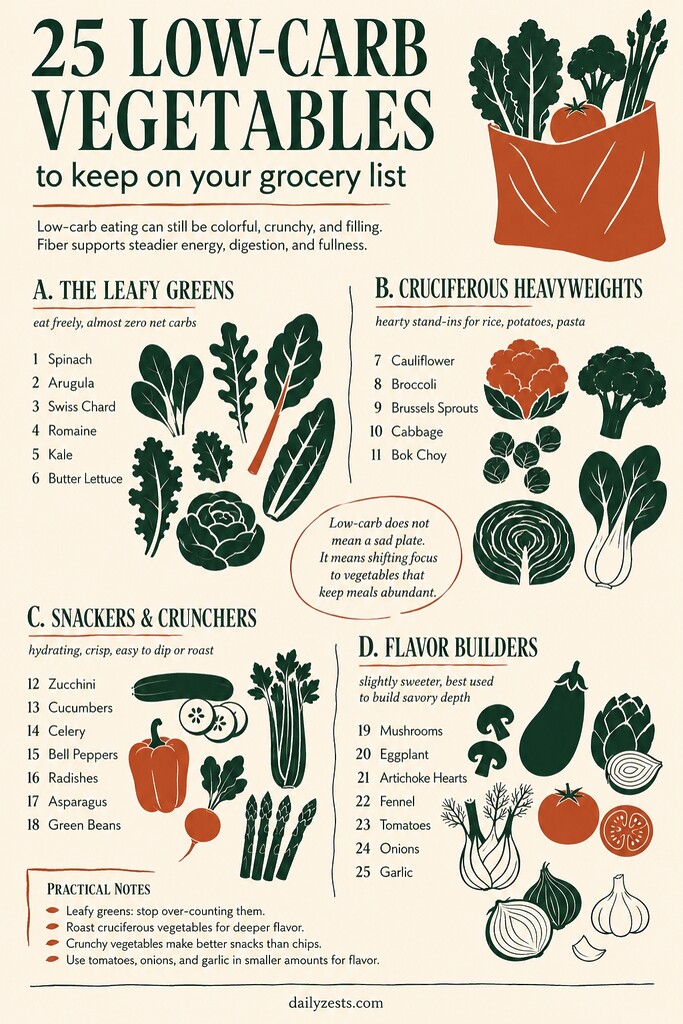
The Leafy Greens
These are your foundation. They carry almost zero net carbs, so you can eat them in volume. In fact, my only real rule with leafy greens is to stop trying to count the carbs in them, it’s just not worth the mental math.
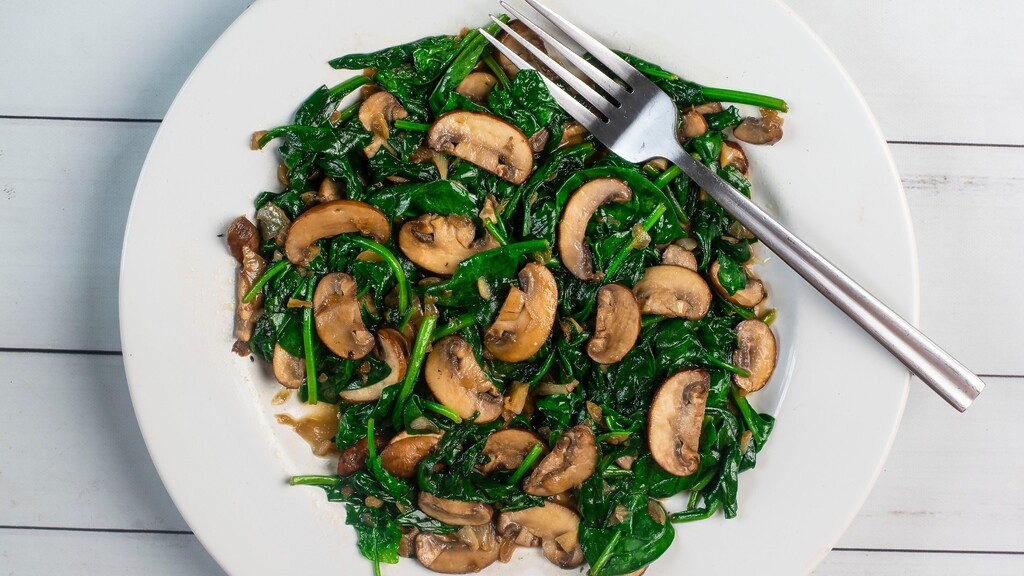
1. Spinach
Spinach shrinks down to almost nothing when cooked, which makes it the easiest way to add a massive handful of nutrients to almost any meal. I always toss a handful into the skillet when I’m making a quick morning omelet before taking Barnaby for his walk.
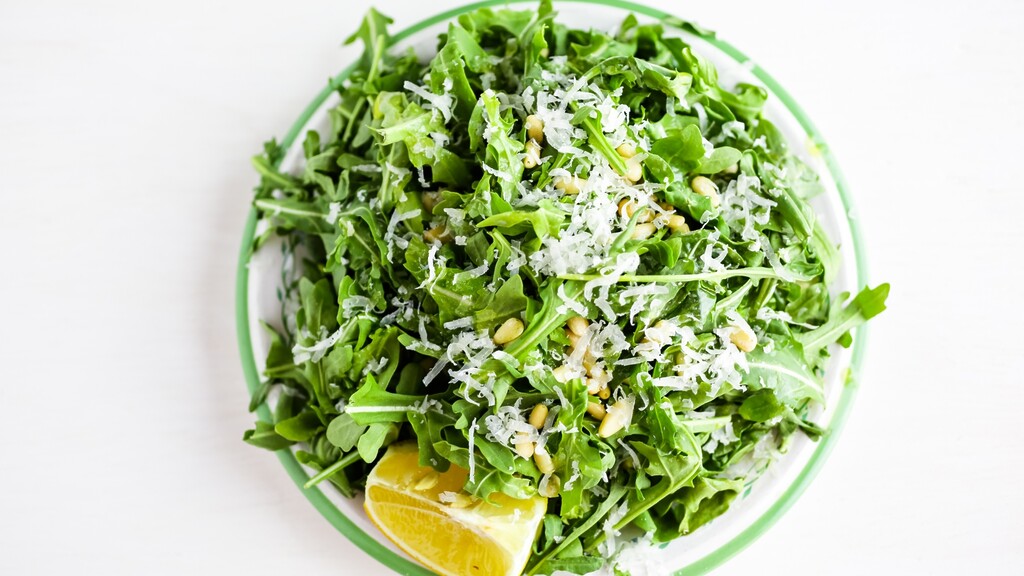
2. Arugula
Arugula has a beautiful, peppery bite that cuts right through heavy, rich foods. If you are eating a higher-fat low-carb diet, a handful of arugula dressed simply with olive oil and lemon juice brings exactly the bright contrast your palate needs.
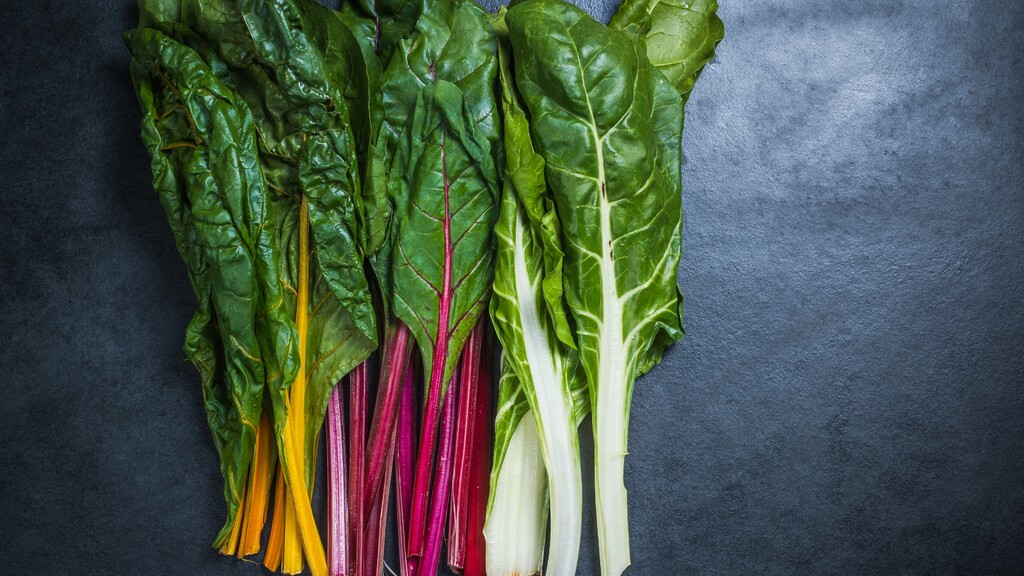
3. Swiss Chard
Don’t throw away the stems. While the delicate leaves wilt quickly like spinach, the colorful stems can be chopped and sautéed with garlic for a satisfying crunch. It’s an earthy, deeply comforting green.
4. Romaine Lettuce
Romaine is the unsung hero of the low-carb kitchen because of its structural integrity. A crisp romaine leaf makes a perfect, sturdy boat for chicken salad, tuna, or taco fillings when you want the crunch of a shell without the corn.
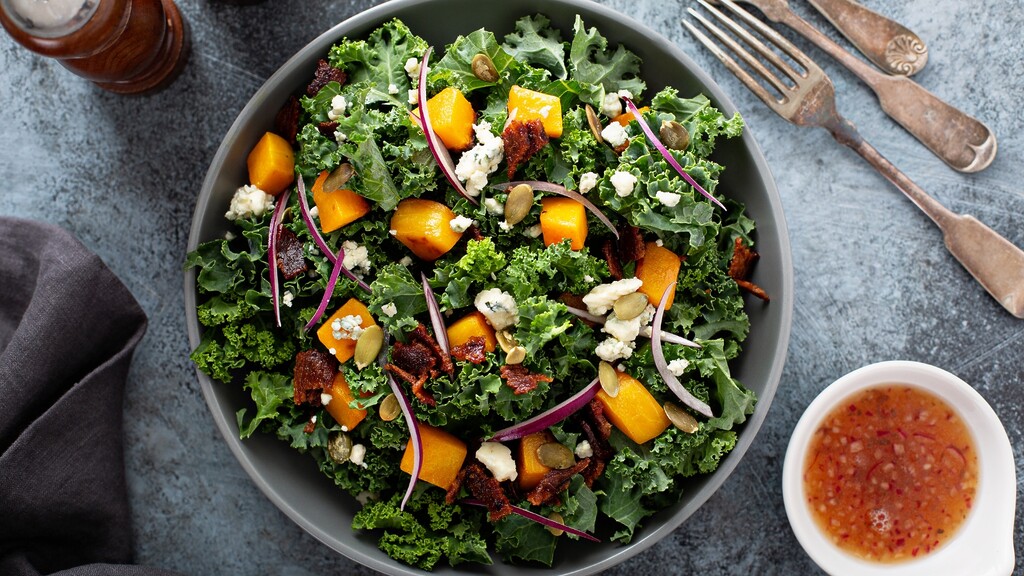
5. Kale
Kale requires a little physical effort to be enjoyable raw. If you’re making a salad, take two minutes to massage the leaves with a bit of olive oil and salt until they soften. It transforms the texture entirely. Alternatively, bake them at 300°F until crispy for a salty, chip-like snack.
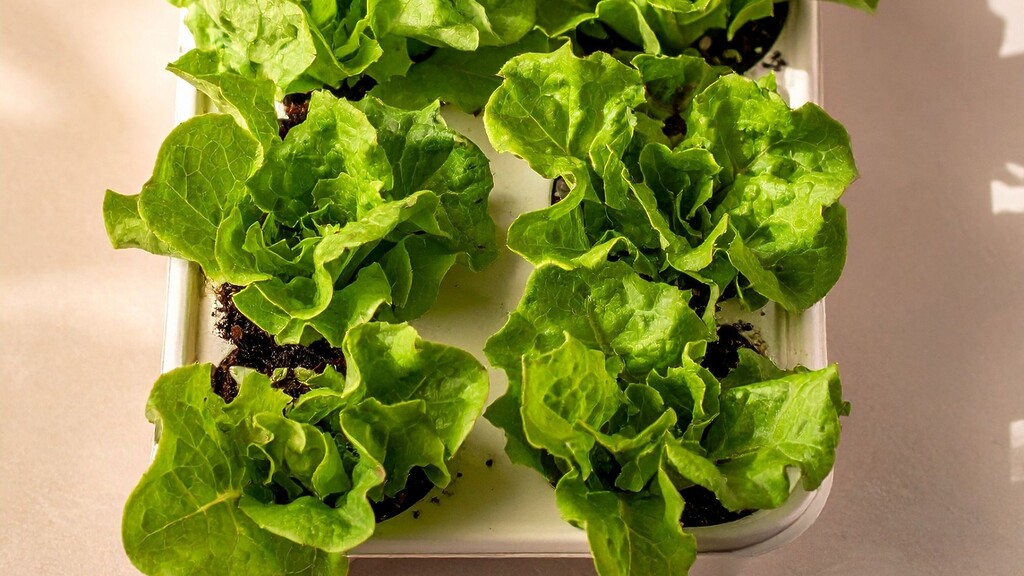
6. Butter Lettuce
Soft, pliable, and mild. Butter lettuce is my favorite wrap for burgers. It folds beautifully around a hot patty without cracking or tearing the way stiffer greens sometimes do.
The Cruciferous Heavyweights
If you’re missing potatoes, rice, or pasta, this is the family of vegetables that will step in to fill that void. They are hearty, versatile, and incredibly filling.
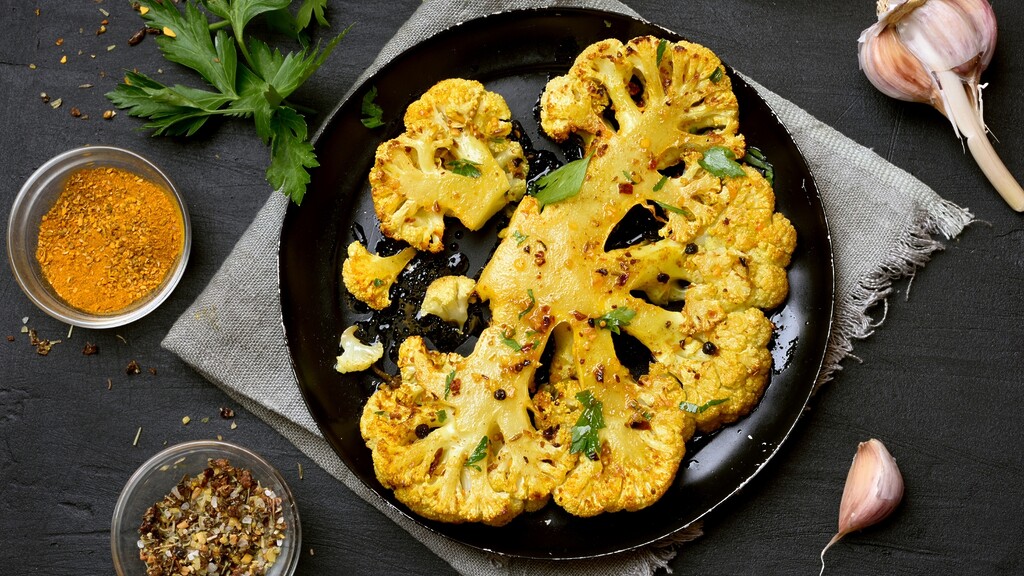
7. Cauliflower
You might be completely burnt out on cauliflower rice, and I understand that. But cauliflower’s true magic is how it absorbs flavor. Try slicing it into thick “steaks,” rubbing it with paprika and cumin, and roasting it until the edges are deeply charred and sweet.
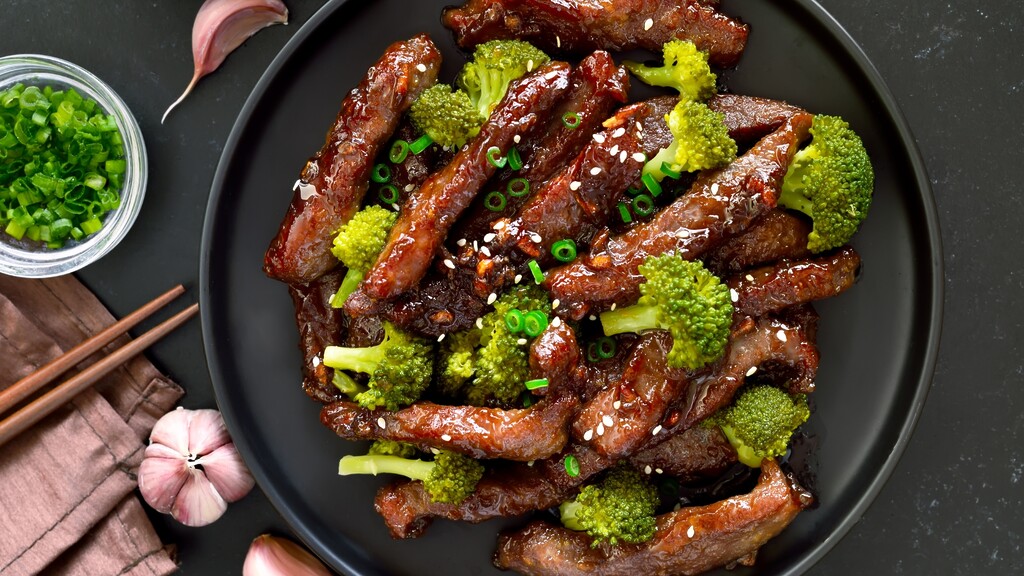
8. Broccoli
Broccoli is wonderful raw, but roasting it is where the flavor blooms. Toss florets in avocado oil and roast at 400°F until the little buds get dark and crispy. It satisfies the craving for something salty and crunchy better than almost anything else.
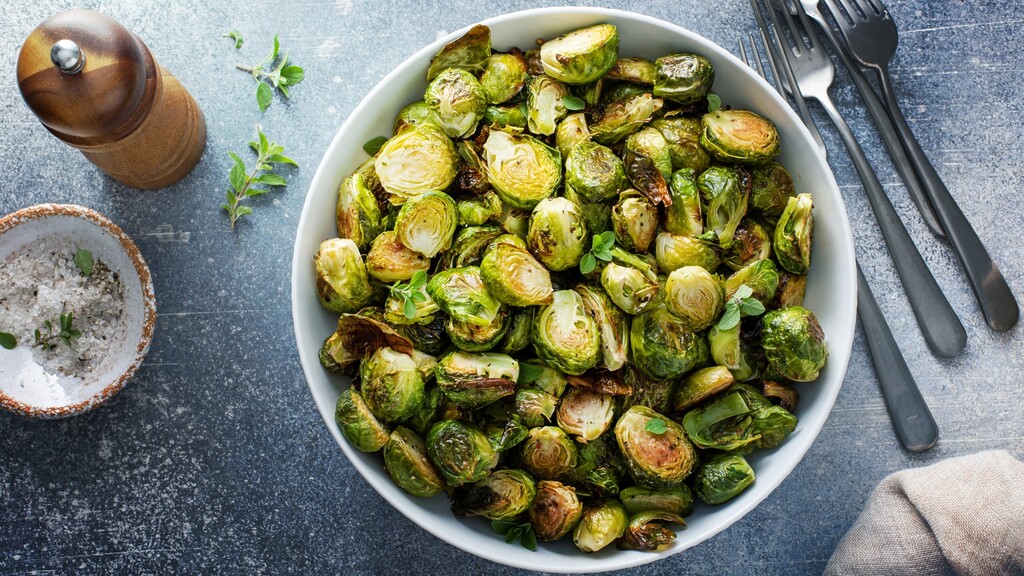
9. Brussels Sprouts
Yes, they have a slightly higher carb count than spinach, but their high fiber content makes them an excellent choice. The trick to perfect Brussels sprouts is to preheat your baking sheet so they sizzle and caramelize the second they hit the pan.
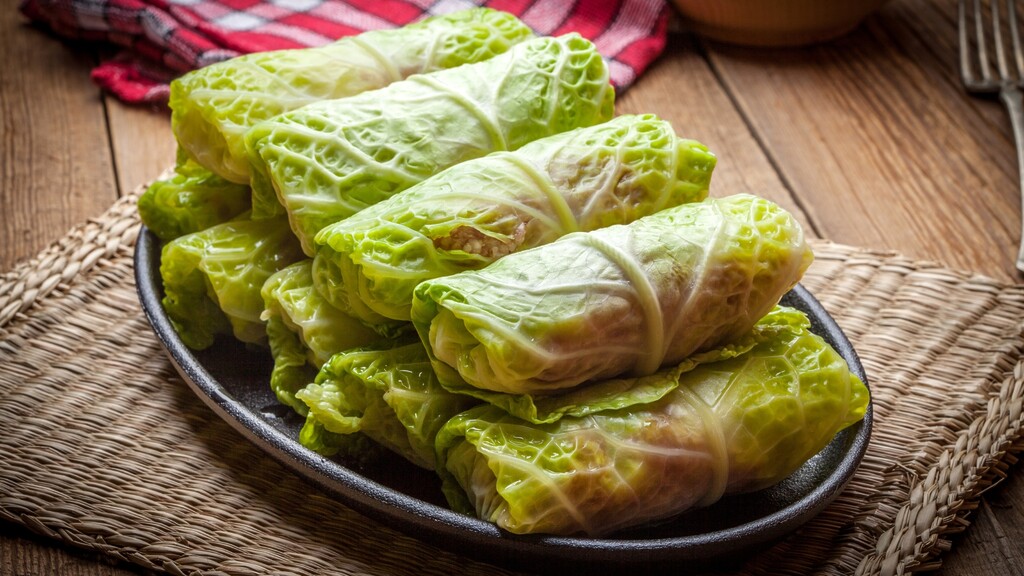
10. Cabbage
Green or red, cabbage is incredibly cheap, lasts for weeks in the crisper drawer, and is remarkably low in carbs. Sautéed in butter with a pinch of salt, it becomes soft, buttery, and tastes remarkably like a comfort food.
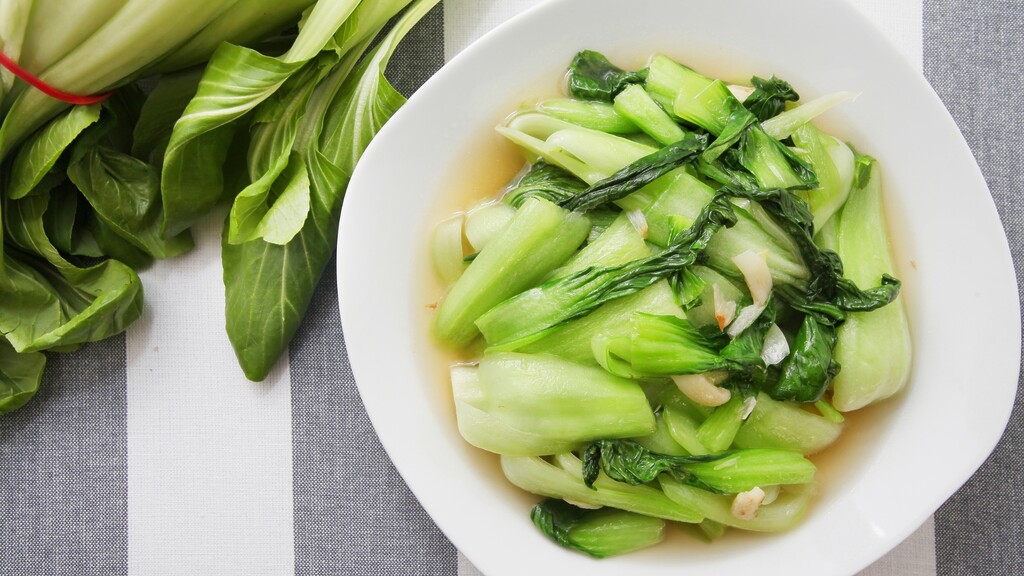
11. Bok Choy
A staple in Asian-inspired cooking, bok choy cooks in just minutes. The white bulbs stay beautifully crisp while the dark green leaves melt into whatever broth or sauce you’re cooking them in.
The Snackers and Crunchers
Sometimes you just want something to dip, snap, or snack on straight from the fridge. These water-rich vegetables keep you hydrated and offer that satisfying crunch without a heavy carbohydrate load.
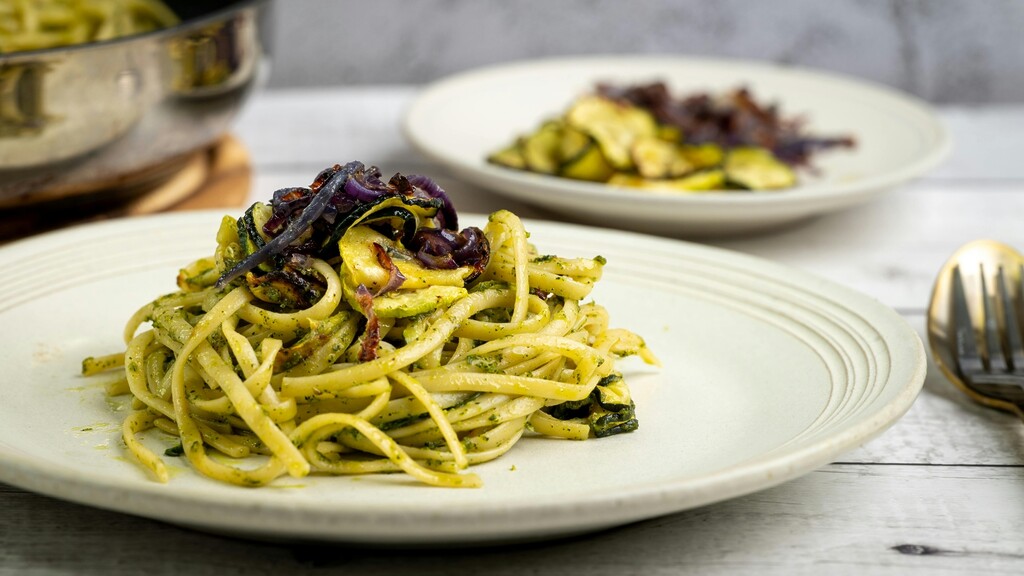
12. Zucchini
Zucchini noodles (zoodles) are popular, but zucchini is also brilliant simply quartered and grilled. Because it holds so much water, you want to cook it quickly over high heat so it gets a nice sear without turning to mush.
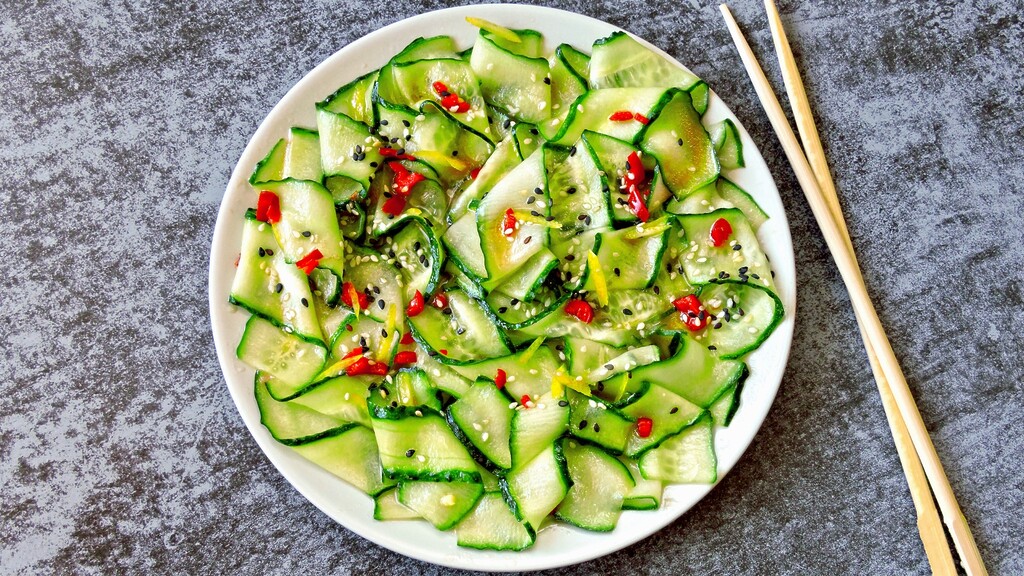
13. Cucumbers
Cool, refreshing, and the ultimate vehicle for dips. Slice them thick and use them to scoop up guacamole, full-fat cream cheese, or homemade tzatziki. They provide a perfect, neutral crunch.
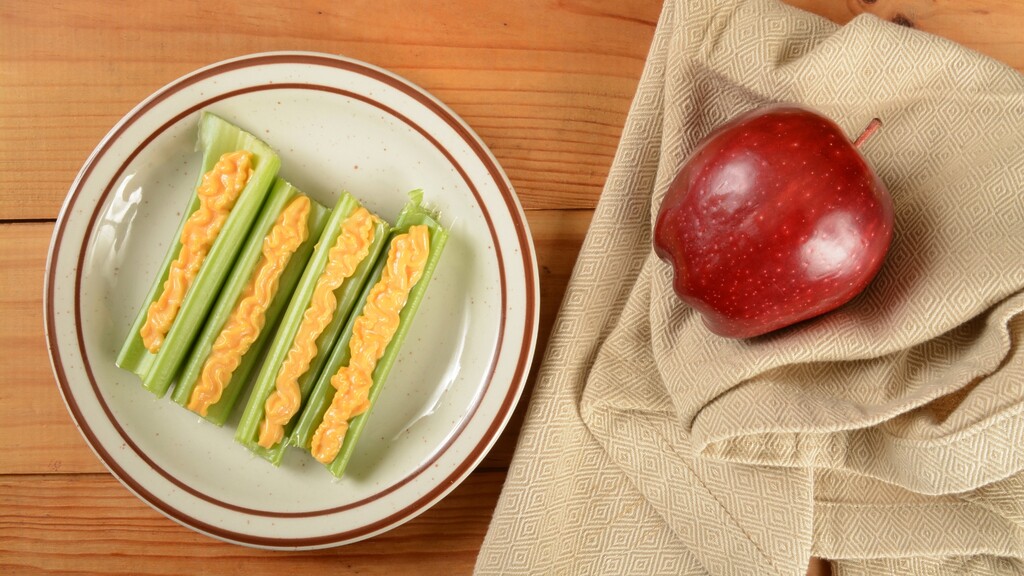
14. Celery
Celery is practically pure water and fiber. It’s the classic pairing for almond butter or a highly seasoned tuna salad. Don’t throw away the inner leaves, they have a bold, salty flavor that works beautifully as a garnish.
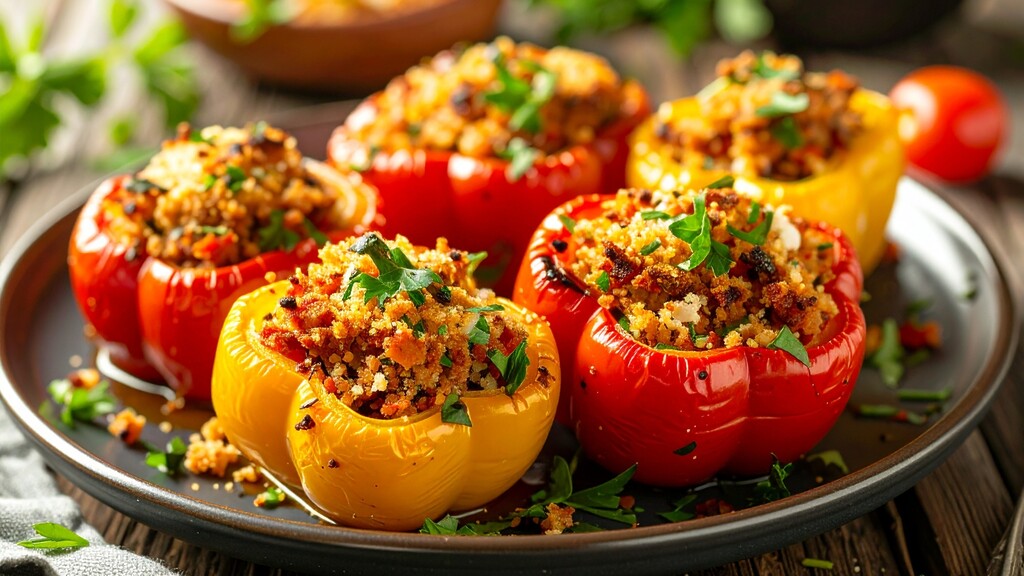
15. Bell Peppers
Green bell peppers have fewer carbs than the sweeter red or yellow varieties, but all of them can fit into a low-carb day. They are fantastic hollowed out and stuffed with ground turkey and spices.
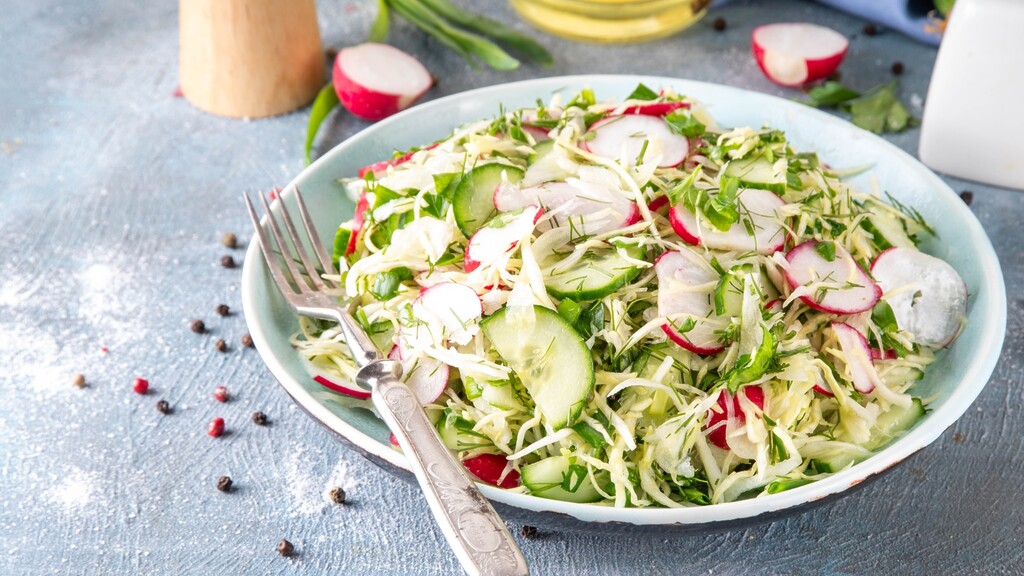
16. Radishes
If you miss roasted potatoes, radishes are your answer. When you roast radishes, their sharp, peppery bite completely disappears. They turn soft, mellow, and slightly sweet, mimicking a baby potato beautifully.
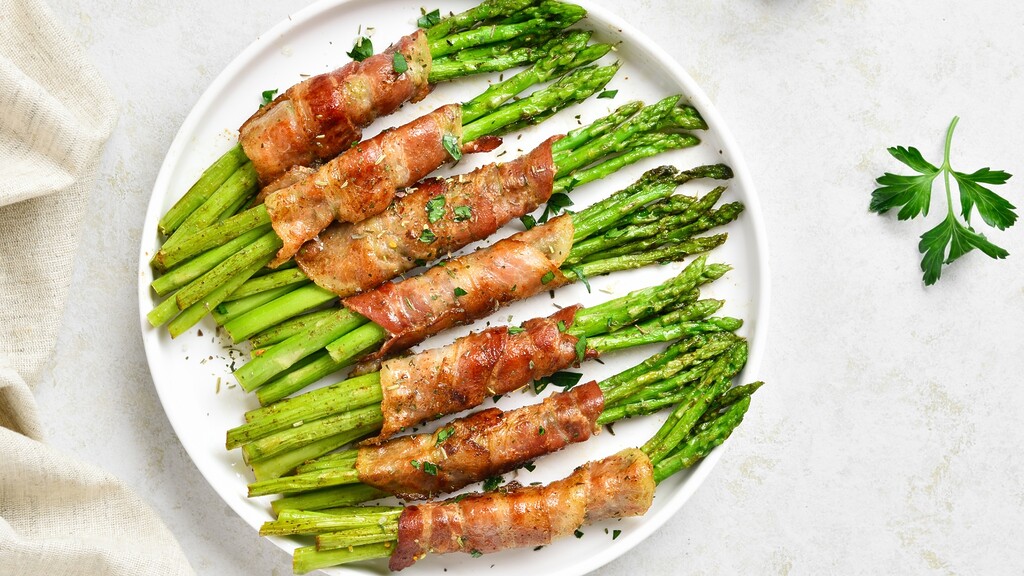
17. Asparagus
Asparagus gets mushy quickly if you leave it abandoned in the fridge crisper. Store it upright in a jar with an inch of water, just like a bouquet of flowers. Wrapped in prosciutto and baked, it’s an elegant, effortless side dish.
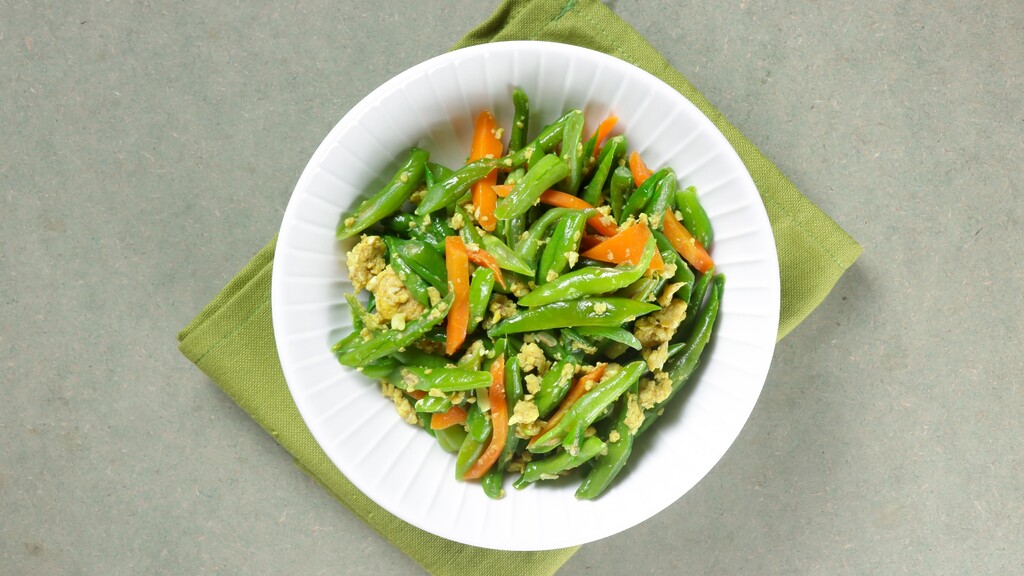
18. Green Beans
Technically a legume, green beans are low enough in carbs to fit perfectly into this lifestyle. Sauté them with sliced almonds and a squeeze of lemon for a bright, texturally perfect side.
The Flavor Builders
You might notice that onions and tomatoes are technically higher in natural sugars. The secret here is portion size. We use these vegetables to build deep, savory flavor profiles, rather than eating them as the main course.
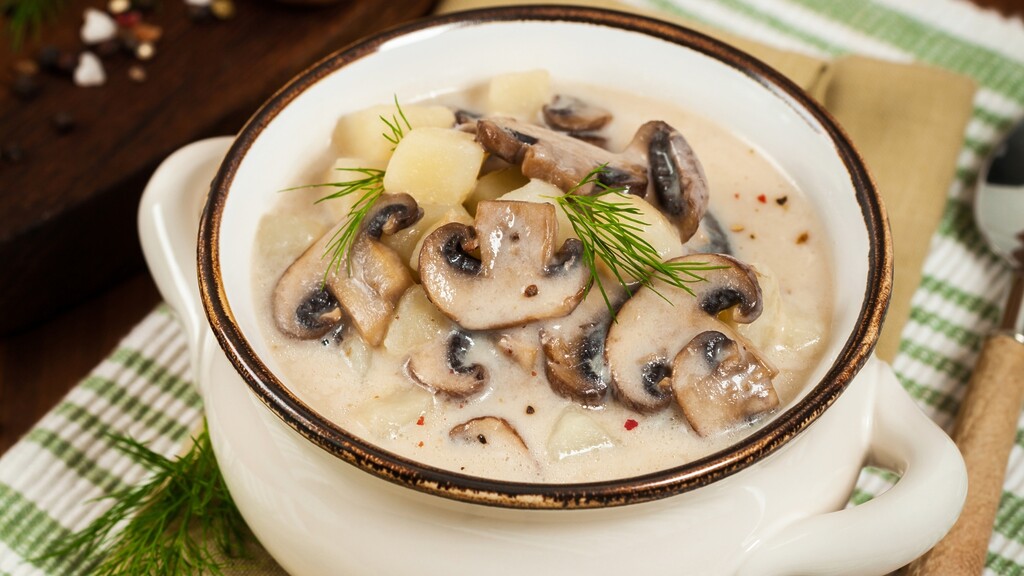
19. Mushrooms
Mushrooms bring a rich, meaty flavor (umami) to your dishes. Cook them dry in the pan first to let their water evaporate, then add your butter or oil. They will brown beautifully instead of steaming.
20. Eggplant
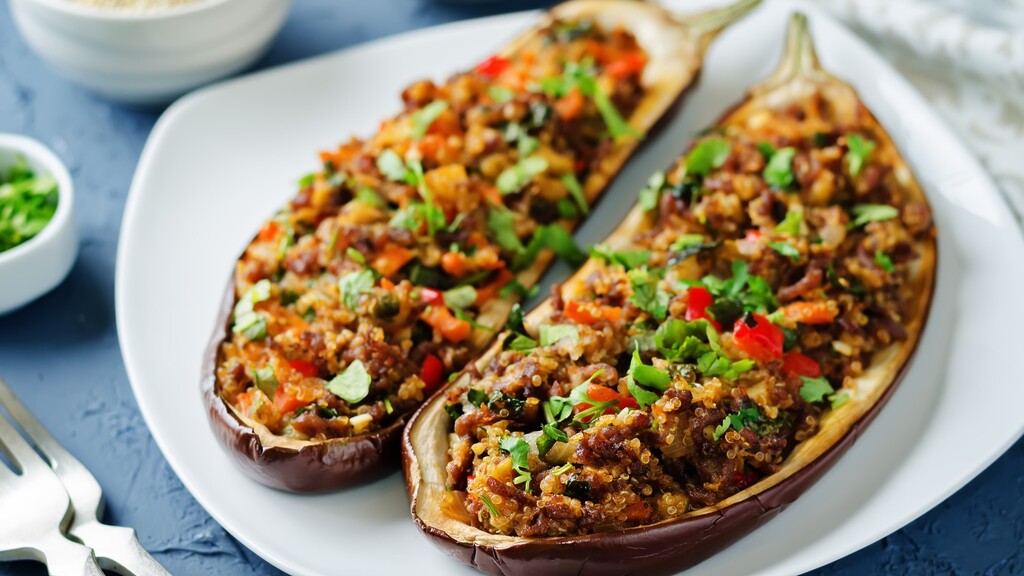
Eggplant is a sponge for flavor. It’s wonderful roasted, puréed into baba ganoush, or layered with mozzarella and a low-sugar marinara. Salting it beforehand draws out the bitterness and improves the texture.
21. Artichoke Hearts
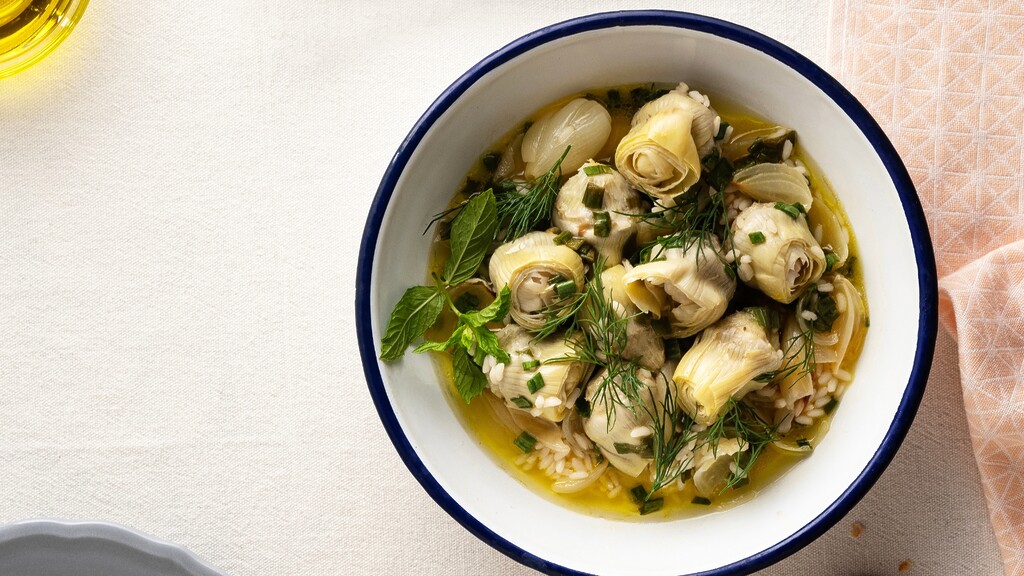
Canned or jarred artichoke hearts are a fantastic pantry staple. They bring some fiber and add a dense, satisfying bite to salads or baked chicken dishes.
22. Fennel
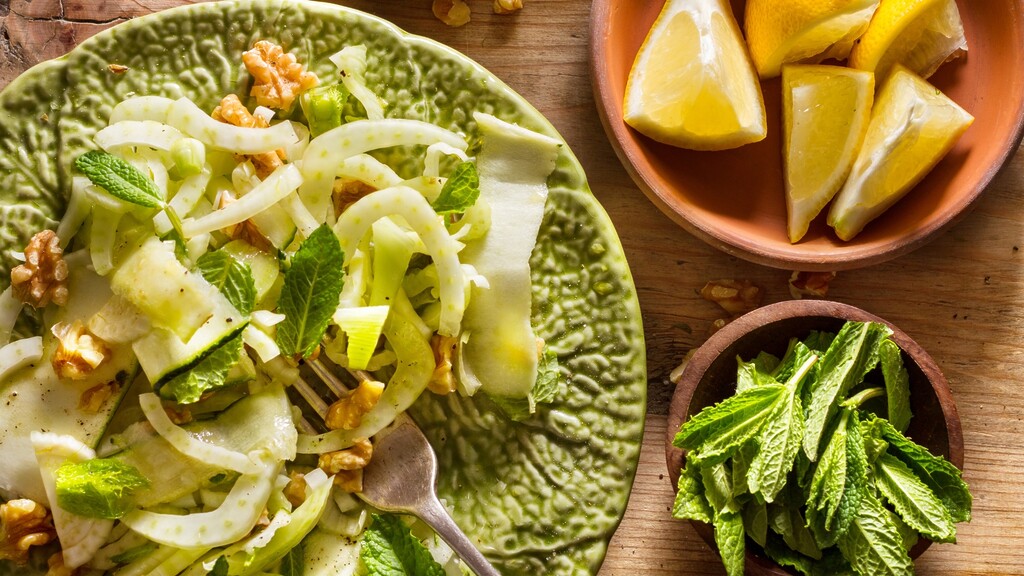
Raw fennel has a distinct licorice flavor that can be polarizing. But when you slice it thin and roast it, it becomes incredibly sweet, mellow, and buttery. It’s lovely paired with roasted pork or chicken.
23. Tomatoes
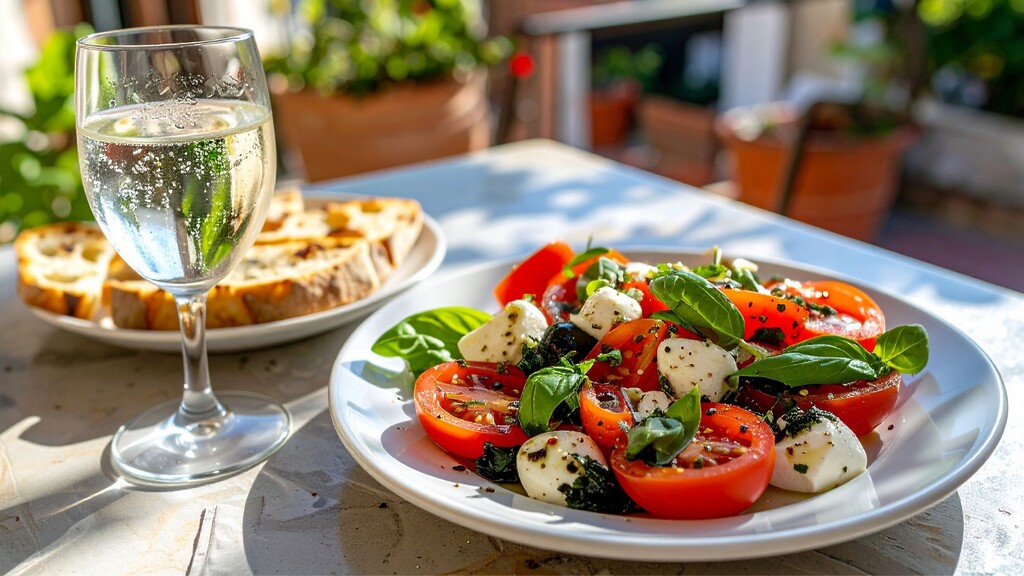
Tomatoes are technically fruits, and they do carry some natural sugars. But a handful of cherry tomatoes tossed in olive oil or a few slices of a garden-fresh heirloom tomato won’t derail your day, and the bright acidity they bring to a meal is entirely worth it.
24. Onions
Like tomatoes, onions have a slightly higher carb footprint. However, you rarely eat an entire onion by yourself. Using a quarter of an onion to flavor a soup or a skillet meal is a smart, worthwhile use of a few carbohydrates.
25. Garlic
Garlic is carbohydrate-dense by weight, but we use it in such tiny amounts that the impact is negligible. Please, keep cooking with real garlic. Food should taste wonderful.
Changing how you eat shouldn’t feel like an endless list of rules. It is simply a shift in focus. By filling your kitchen with vegetables that naturally support your body’s rhythm, the everyday act of making dinner becomes a little bit quieter, and a lot more enjoyable.
Kristina Hanson is an independent wellness researcher and the founder of DailyZests. She specializes in translating nutritional science into simple, delicious recipes that fit into real life. When she isn’t in the kitchen, you’ll find her hiking the trails or enjoying a slow morning coffee with her Golden Retriever, Barnaby. Read her full story.


 This post may contain affiliate links.