When I was first figuring out my PCOS, grocery shopping felt like walking through a minefield. Every aisle seemed packed with hidden triggers for my symptoms. It took time to realize that eating well is not a punishment. It is just learning what makes your body feel secure.
Before we look at the specific foods, we need to talk about the goal. Managing PCOS through food is largely about keeping blood sugar steady and lowering inflammation. When your blood sugar spikes and crashes, insulin levels surge. High insulin often signals the ovaries to produce more testosterone, which kicks off the classic PCOS symptoms like breakouts, hair changes, and stubborn weight.
As a quick note: while this list aligns with current nutritional research and reflects what completely changed my own daily symptoms, I am sharing my personal experience. Always run major diet shifts by your own doctor.
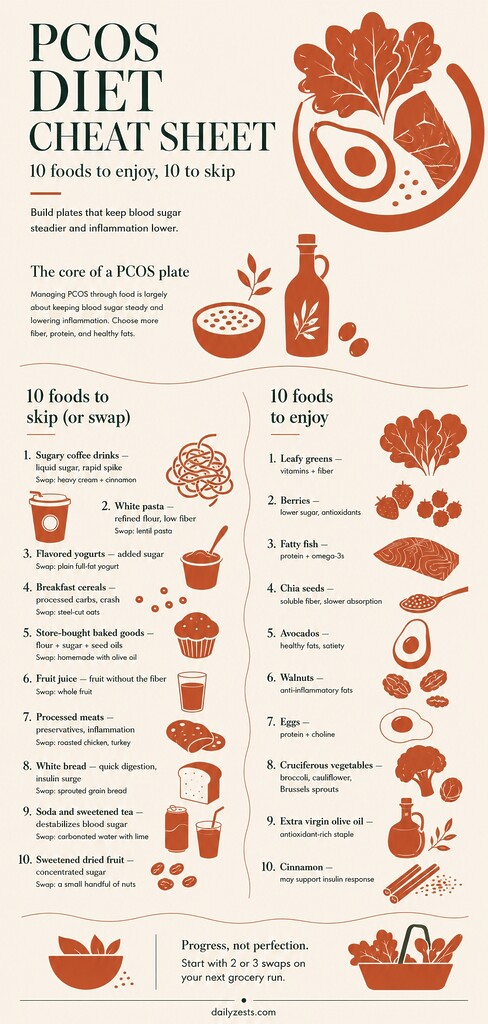
10 Foods to Skip (or Swap)
You might be looking at this upcoming list and feeling a flash of panic about giving up your favorite comforts. I felt the exact same way. The goal is progress rather than perfection. You do not have to banish these foods forever, but minimizing them makes a profound difference in daily energy.
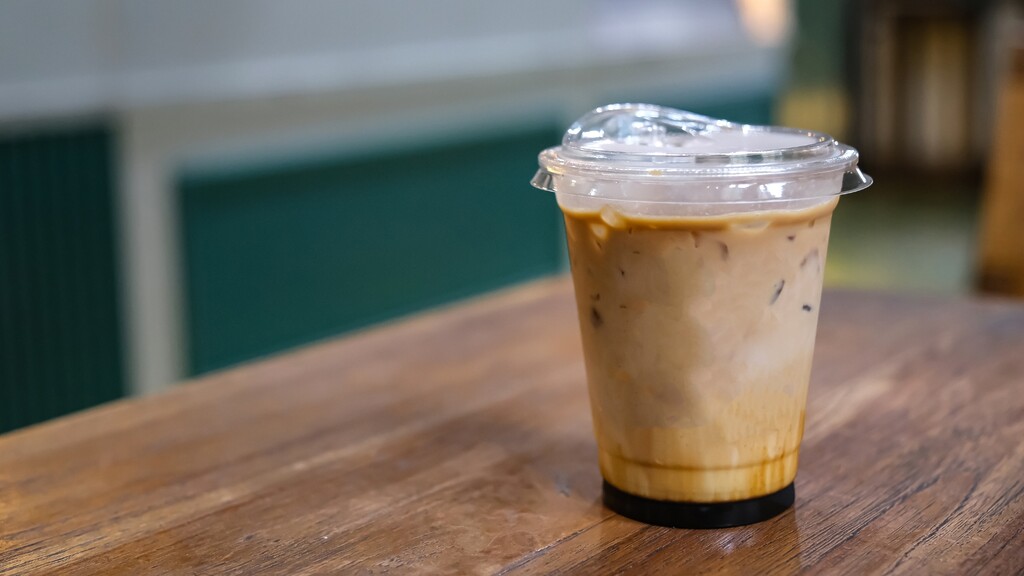
1. Sugary Coffee Drinks
I cherish my morning coffee on the porch with my dog Barnaby. But swapping my old flavored syrups for a splash of heavy cream and cinnamon was my first major victory. Commercial lattes and blended drinks are often packed with liquid sugar. Liquid sugar can hit your bloodstream quickly, causing a rapid insulin spike before the day has even started.
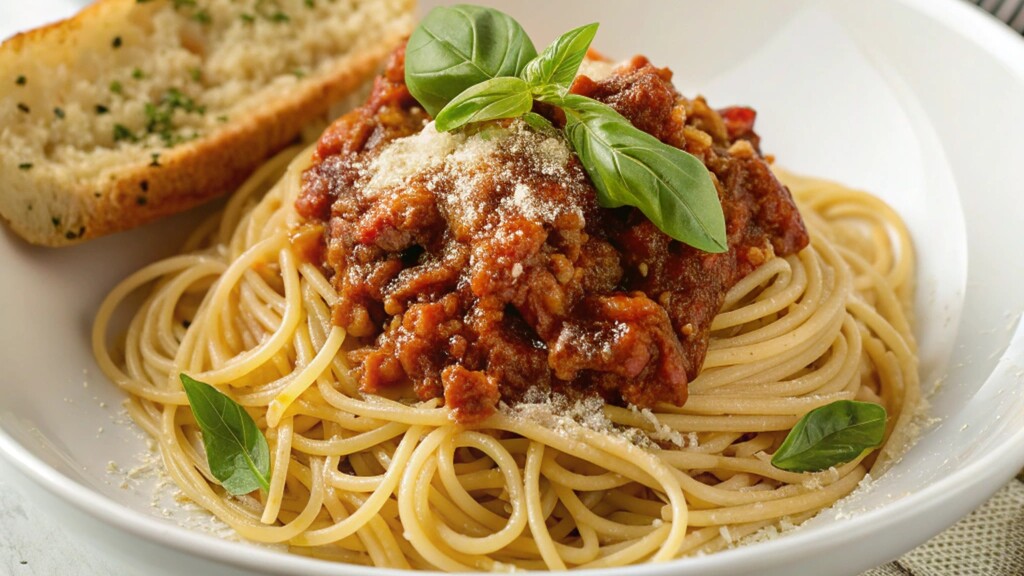
2. White Pasta
Traditional pasta is made from highly refined flour. The refining process strips away the fiber that would normally slow down digestion. When you eat a bowl of white noodles, your body can digest it quickly and push blood sugar higher. Try lentil pasta or zucchini noodles when you want a comforting base for your sauces.
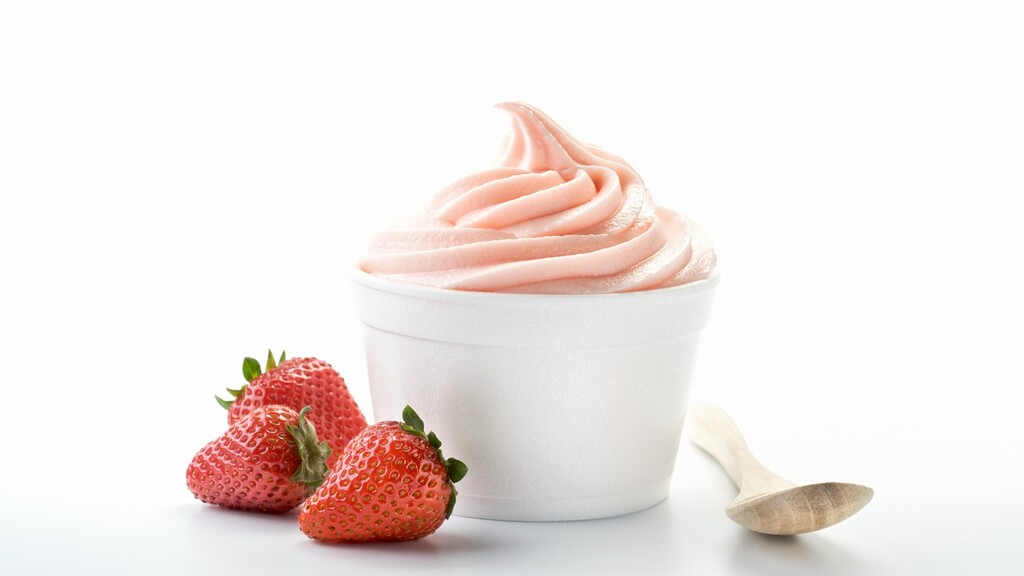
3. Flavored Yogurts
Dairy can be complicated for PCOS, but sweetened yogurts are universally tricky. A small cup of strawberry yogurt can hide up to twenty grams of added sugar. Many popular brands also use skim milk. Low-fat often just means high-sugar. Give yourself permission to eat the full-fat, plain version and sweeten it yourself with fresh fruit.
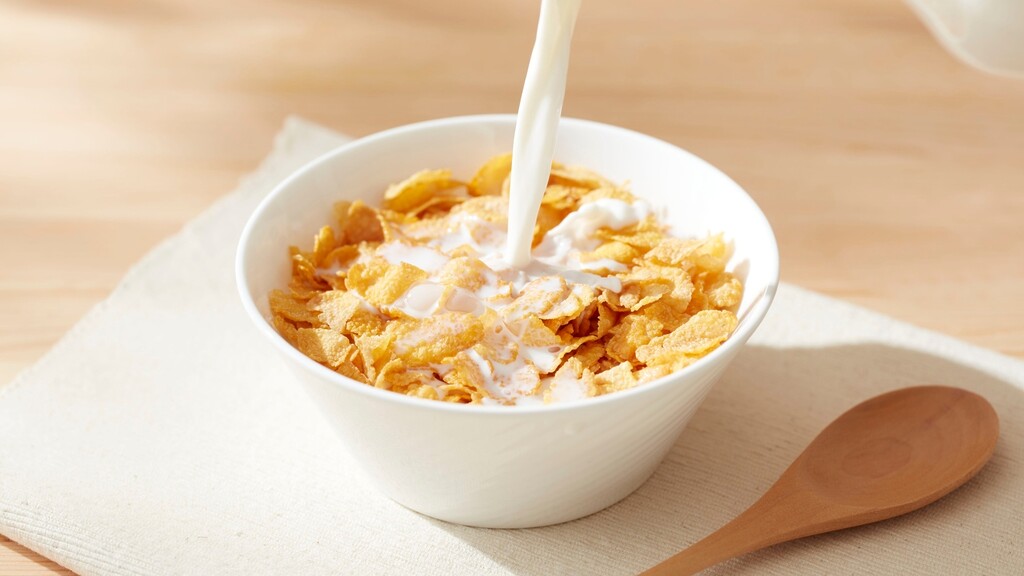
4. Breakfast Cereals
Starting the morning with a bowl of cereal used to guarantee I would crash hard by 10 AM. Most cereals are heavily processed carbohydrates sprayed with sugar. They leave you hungry and jittery. A breakfast anchored in protein and healthy fats sets a much calmer tone for your hormones.
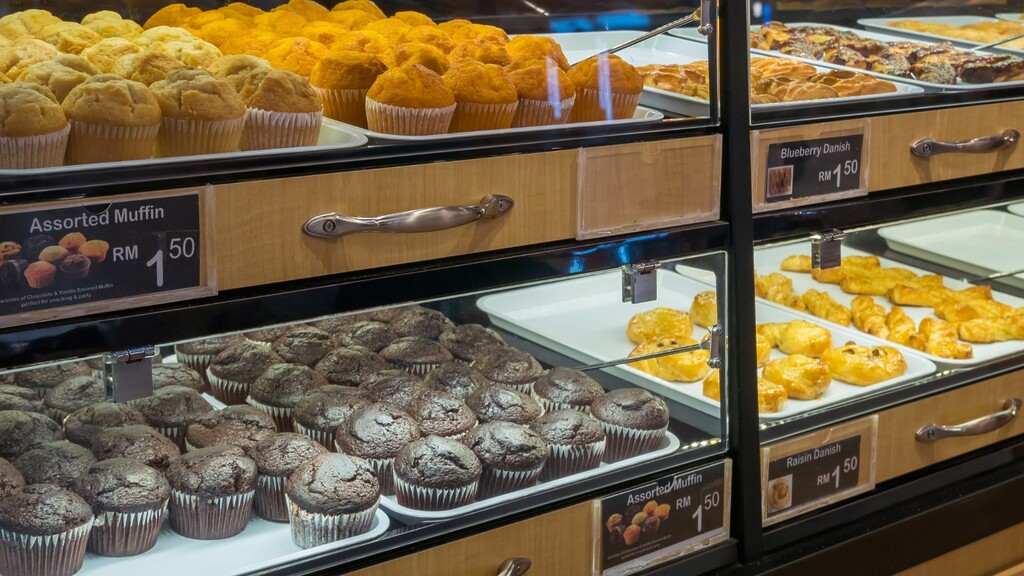
5. Store-Bought Baked Goods
Muffins, cookies, and packaged pastries combine refined flour, massive amounts of sugar, and industrial seed oils. This combination drives up inflammation and blood sugar simultaneously. If you love baking, experimenting with almond flour and monk fruit at home is a wonderful way to keep your favorite treats in rotation.
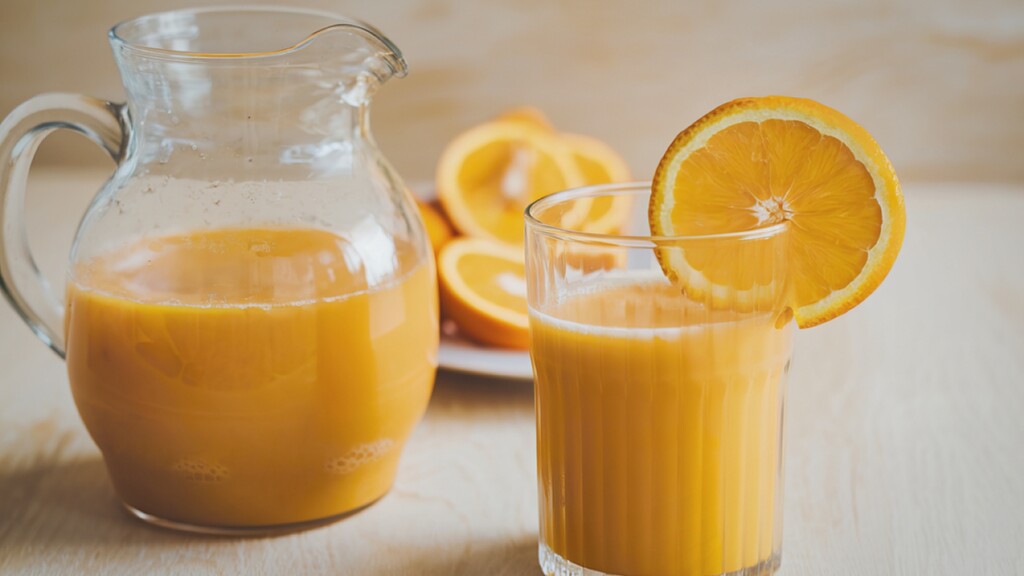
6. Fruit Juice
Even 100 percent pure fruit juice can disrupt a PCOS system. When you juice an apple or an orange, you throw away the fibrous pulp. Without that fiber to act as a buffer, the natural fructose rushes into your system. You are always better off eating the whole piece of fruit.
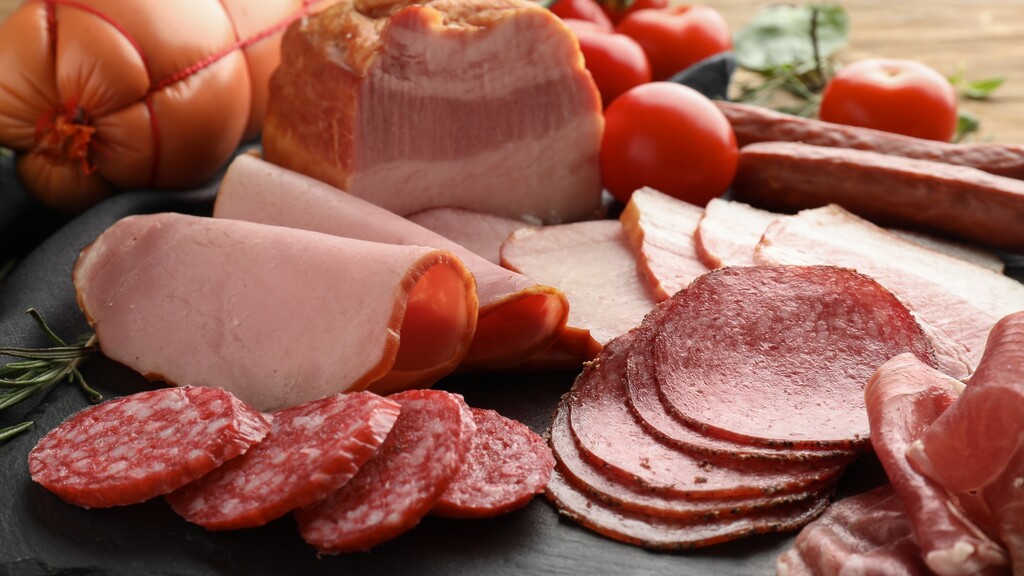
7. Processed Meats
Hot dogs, conventional deli slices, and commercial sausages often contain preservatives, hidden sugars, and low-quality fats. Research links heavy consumption of these meats to higher markers of inflammation. Look for clean, organic, or pasture-raised options if you want a quick protein source.
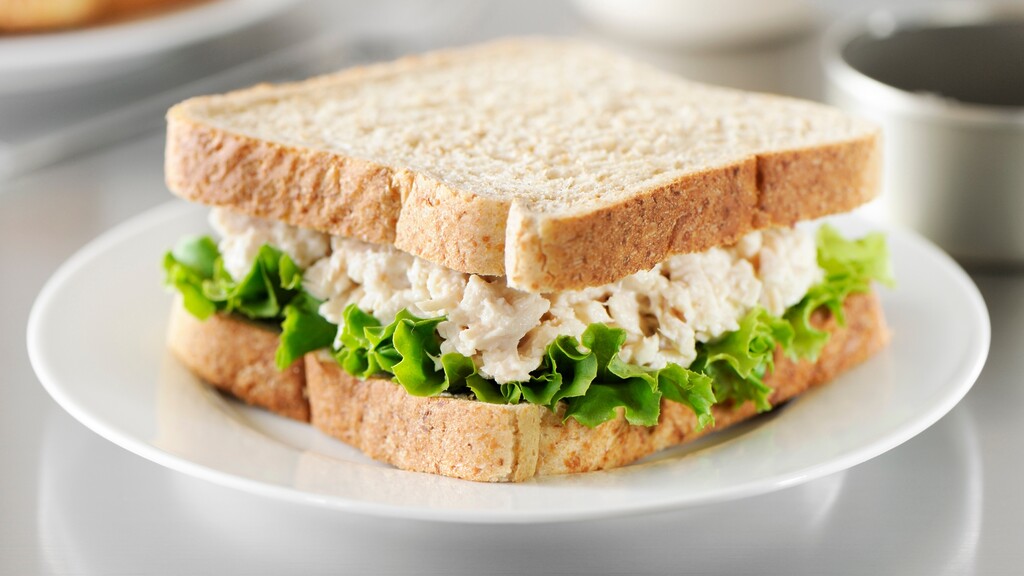
8. White Bread
Much like pasta, conventional sandwich bread offers very little nutritional value. It digests quickly and requires a large release of insulin to manage. Sprouted grain breads or wraps made from coconut flour provide a much gentler experience for your metabolism.
9. Soda and Sweetened Tea
Drinking soda is the fastest way to destabilize your blood sugar. Even diet sodas can be problematic, as some artificial sweeteners may affect glucose tolerance or disrupt your gut microbiome in some people. Carbonated water with a heavy squeeze of fresh lime is a crisp, refreshing alternative.
10. Sweetened Dried Fruit
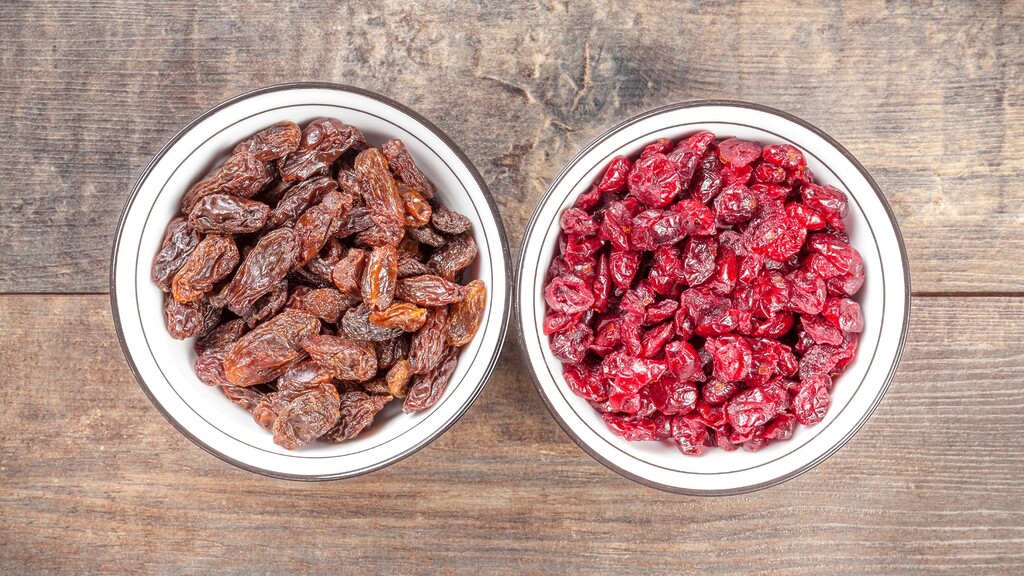
Dried fruit is incredibly dense. A handful of raisins contains the sugar of a large cluster of grapes, but it takes up no room in your stomach. Many brands also coat their dried cranberries or mangoes in extra sugar. Stick to fresh or frozen fruit to keep your portions and blood sugar balanced.
10 Foods to Embrace
Now for the good part. Filling your kitchen with these ingredients makes cooking feel abundant. When you focus on adding the right foods to your plate, crowding out the heavy, sluggish foods happens naturally.
1. Leafy Greens
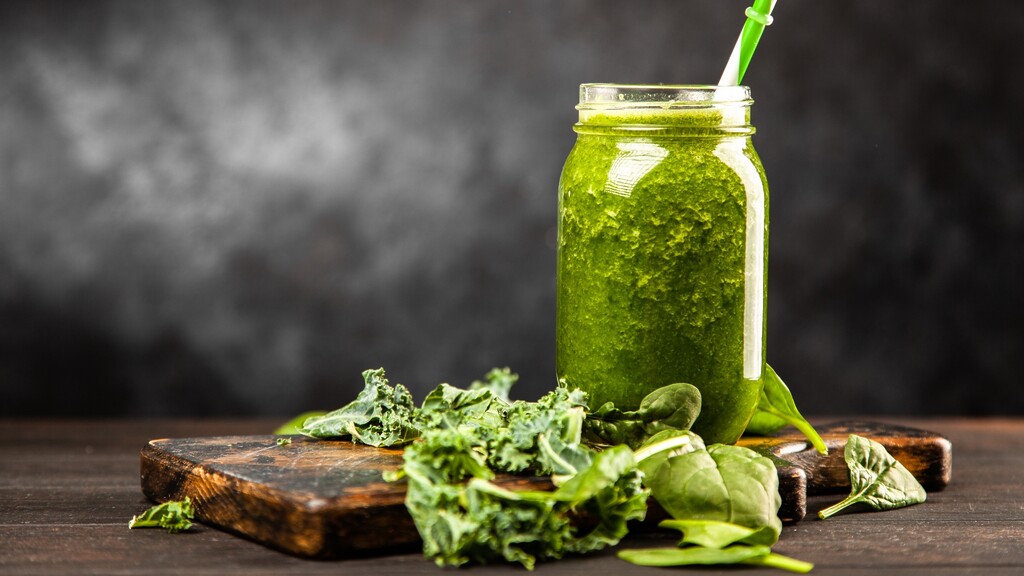
Spinach, kale, and Swiss chard are loaded with B vitamins. Some women with PCOS may run low in certain nutrients, and metformin can lower B12 over time, so leafy greens are just one helpful piece of the bigger picture. A large handful of greens blended into a morning smoothie or wilted into eggs is a quiet but powerful daily habit.
2. Berries
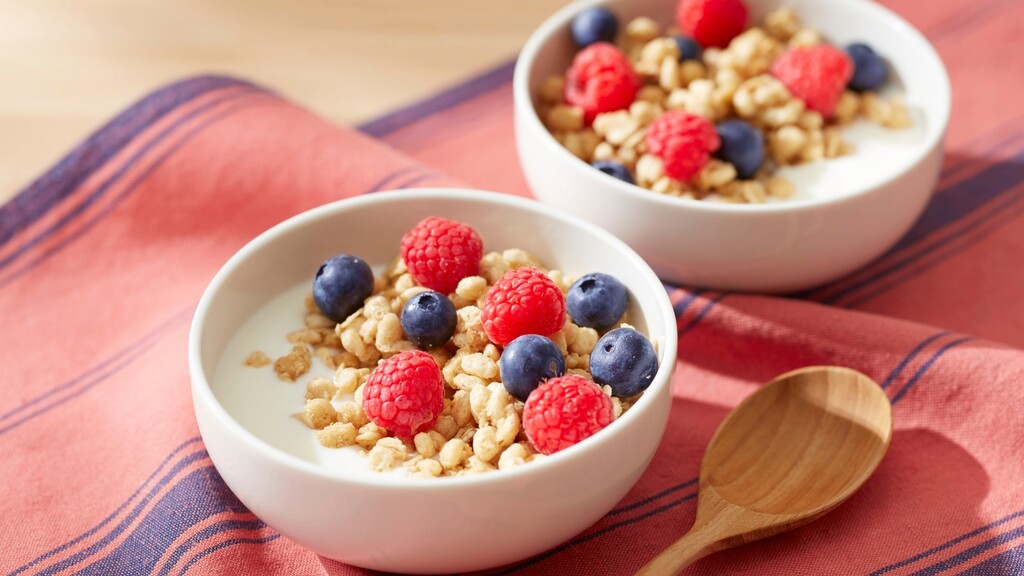
Blueberries, raspberries, and blackberries are the perfect fruits for a PCOS diet. They are naturally low in sugar and packed with antioxidants. Those antioxidants help calm the low-grade inflammation that often accompanies this condition.
3. Fatty Fish
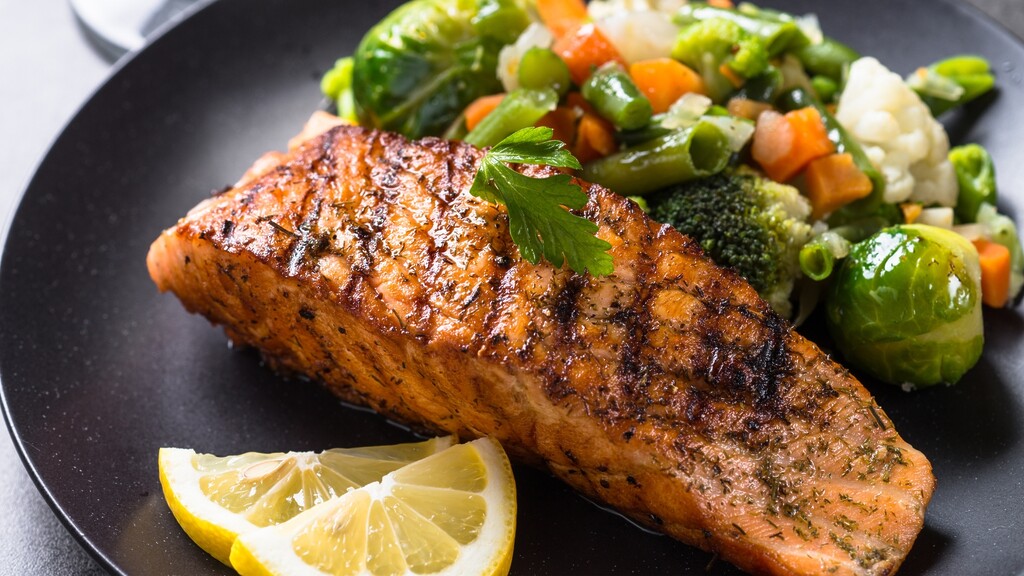
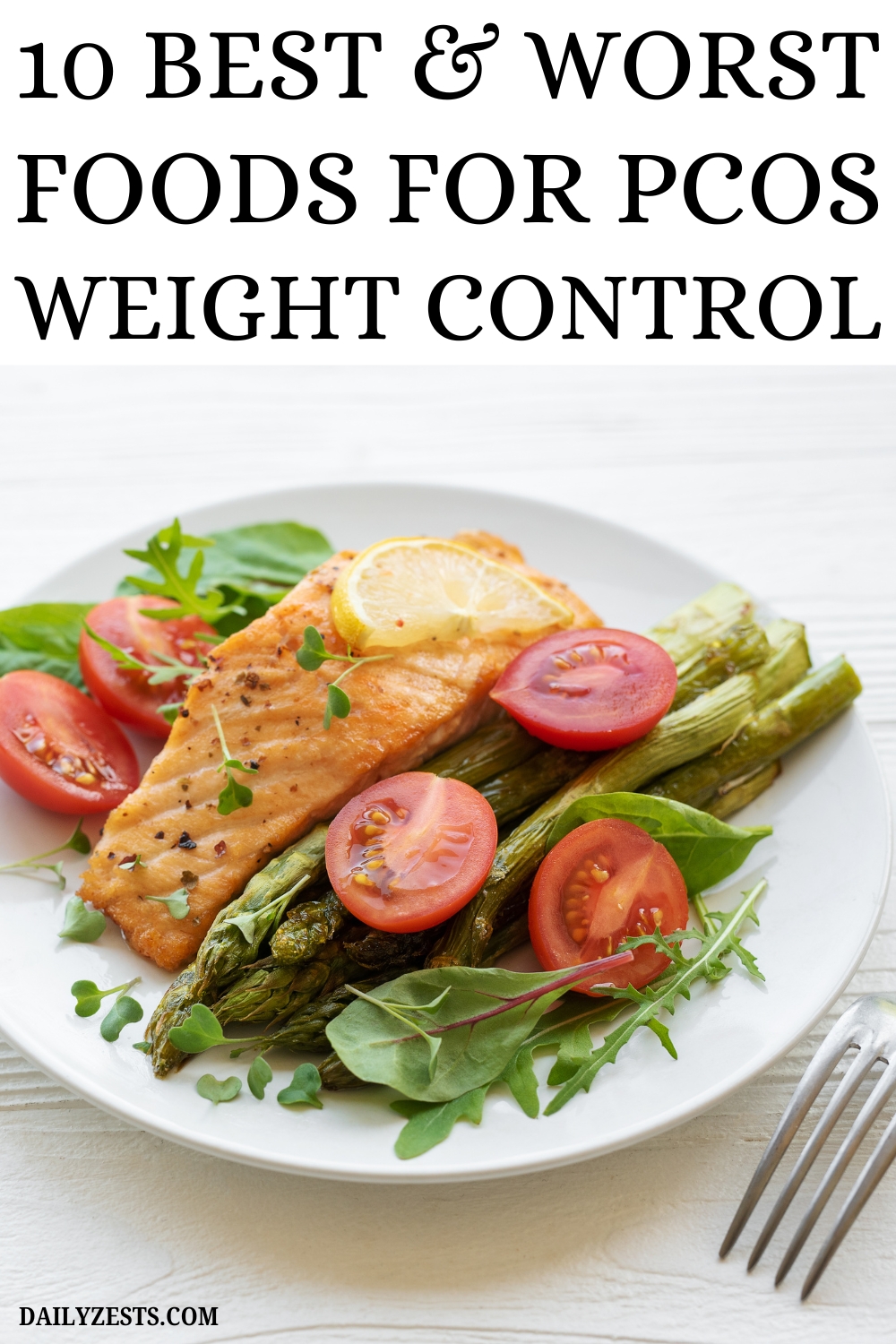
Wild-caught salmon, sardines, and mackerel provide incredibly high-quality protein and Omega-3 fatty acids. Omega-3s are essential for managing cellular inflammation and supporting a healthy mood. I try to bake a piece of salmon with olive oil at least twice a week.
4. Chia Seeds
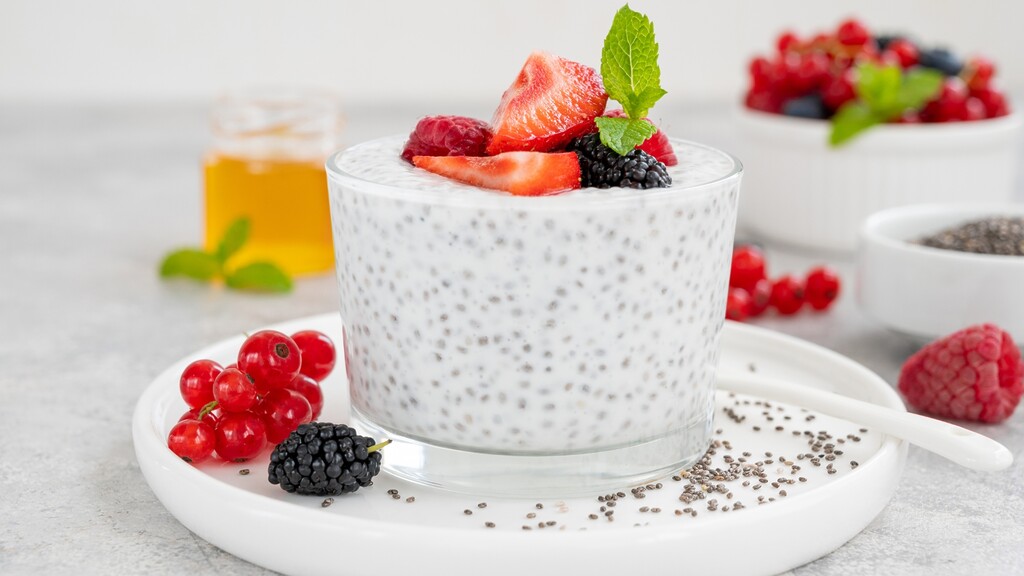
These tiny seeds are nutritional powerhouses. They are rich in soluble fiber, which forms a gel in your stomach and slows down the absorption of your meal. Making a simple chia pudding with almond milk is a brilliant way to satisfy a sweet craving while keeping insulin quiet.
5. Avocados
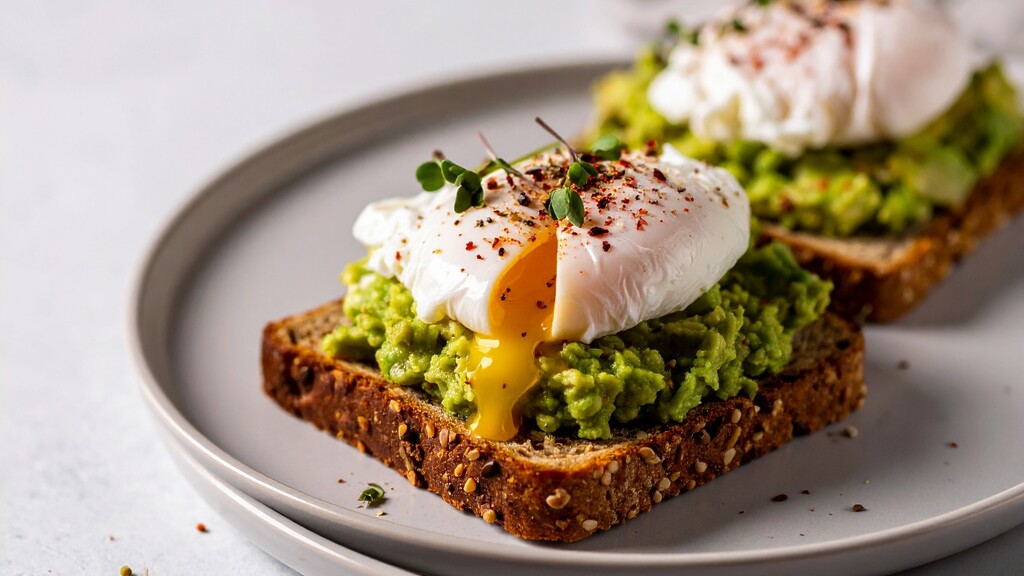
Eating fat does not make you fat. Healthy fats are the building blocks of healthy hormones. Avocados are rich in monounsaturated fats, which help your body absorb other nutrients and keep you full for hours. Half an avocado with a little sea salt is a perfect afternoon bridge.
6. Walnuts
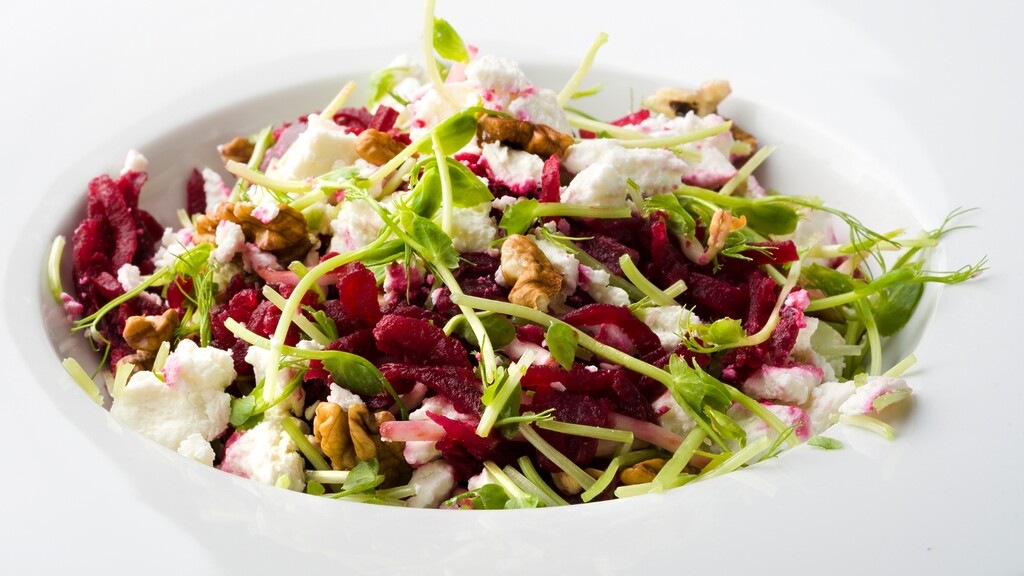
Walnuts have a unique fatty acid profile that specifically supports brain health and lowers inflammation markers. Keep a jar on your counter. Grabbing a small handful when you feel a craving starting can completely change the trajectory of your afternoon.
7. Eggs
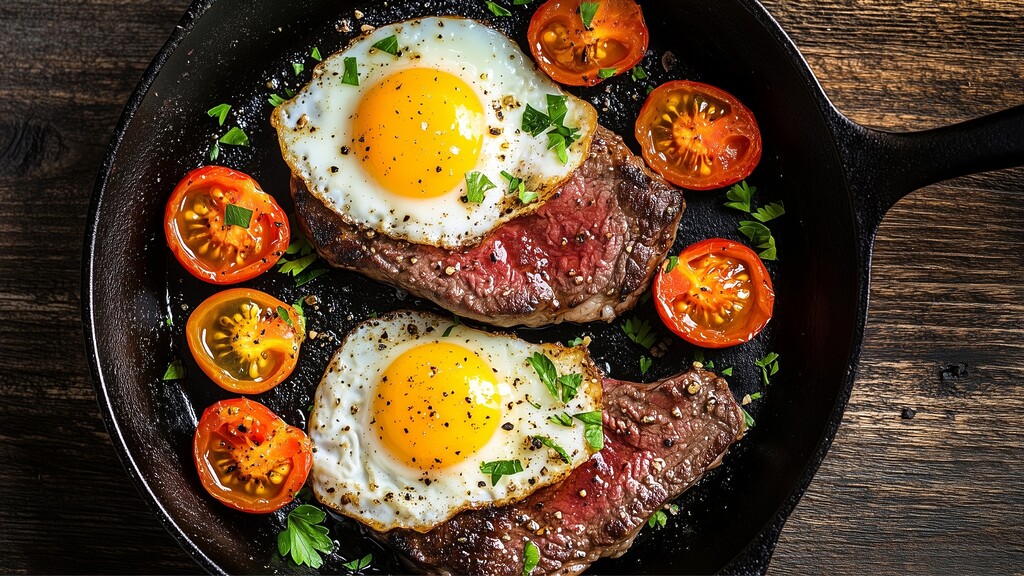
For years we were told to avoid egg yolks, but the yolk is where all the vital nutrients live. Choline, found abundantly in the yolk, is wonderful for liver health. Since the liver is responsible for clearing excess hormones from the body, supporting it is a major priority for PCOS.
8. Cruciferous Vegetables
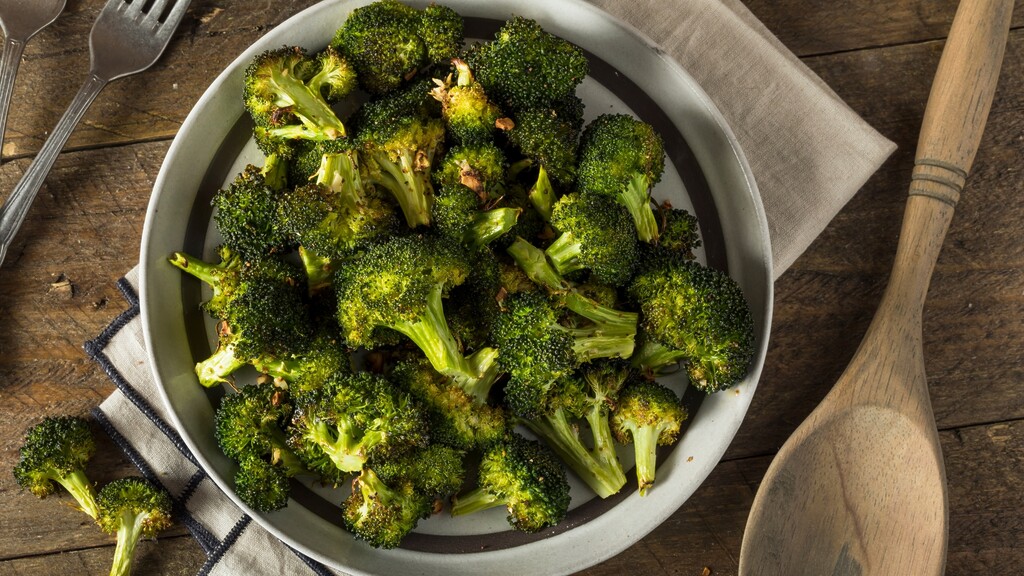
Broccoli, cauliflower, and Brussels sprouts contain compounds that your body can turn into DIM. Research around DIM and estrogen metabolism is still early, but it may support the way your body processes estrogen. Roasting a large tray of broccoli until the edges get crispy is one of my favorite weekly routines.
9. Extra Virgin Olive Oil
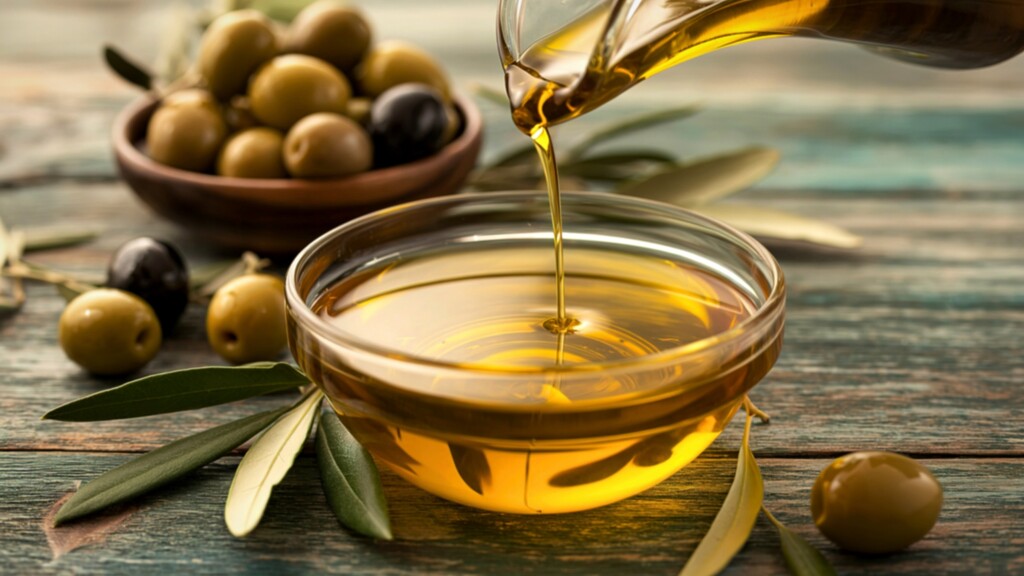
A true staple of a calming diet. Olive oil is rich in antioxidants and helps reduce systemic inflammation. Use it generously on your salads and vegetables after they cook. Look for oils in dark glass bottles to ensure the delicate fats have not been damaged by light.
10. Cinnamon
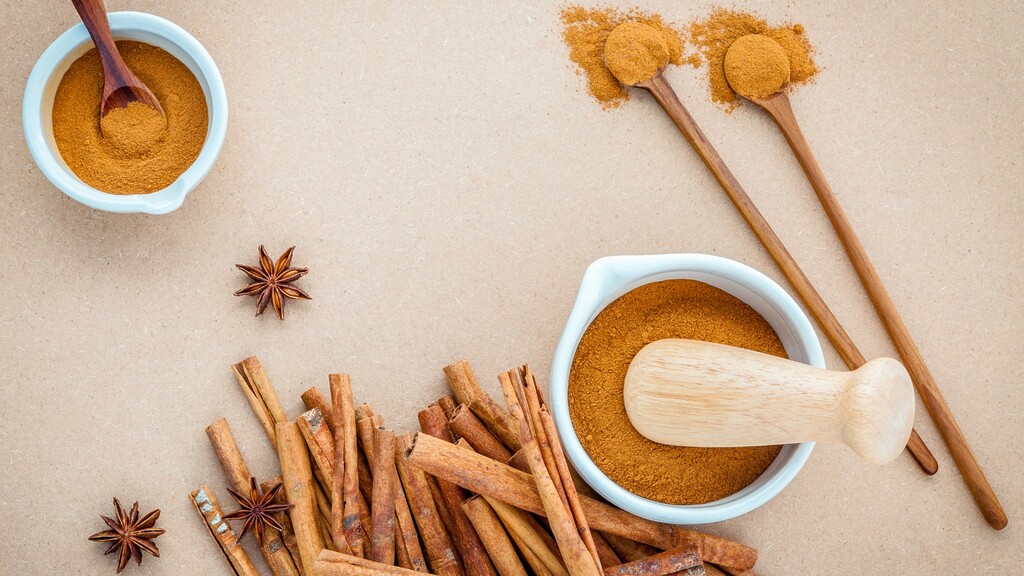
This humble spice is a secret weapon for blood sugar. Studies show that a daily dose of cinnamon may help your cells become more responsive to insulin. I shake a generous amount over my berries and stir it into my coffee every single day.
Moving Forward with Your Plate
Changing how you eat takes genuine patience. Your body is learning a completely new language of fuel. Pick just two or three items from the “embrace” list to pick up on your next grocery run. Watch how your energy shifts in the afternoon, pay attention to your clarity, and let those small victories guide your next choice.
Kristina Hanson is an independent wellness researcher and the founder of DailyZests. She specializes in translating nutritional science into simple, delicious recipes that fit into real life. When she isn’t in the kitchen, you’ll find her hiking the trails or enjoying a slow morning coffee with her Golden Retriever, Barnaby. Read her full story.


 This post may contain affiliate links.