Waking up with stiff knees makes the whole day feel uphill. But resting them completely often just makes the stiffness worse. These simple, research-backed knee mobility exercises are designed to coax the joint back to life, naturally and safely, without pushing through sharp pain.
During my years dealing with chronic fatigue, intense workouts were entirely off the table. My body felt incredibly heavy, and my joints ached simply from inactivity. I learned the hard way that our bodies desperately need movement to stay fluid, even when we don’t have the energy for a full workout.
You don’t need to force your joints into submission. Think of these movements as low-pressure starting points. We are just reminding your knees how they are meant to move.
Why It Works: How Mobility Soothes Stiffness
Your knees don’t have a direct blood supply delivering nutrients right to the cartilage. Instead, the cartilage relies heavily on synovial fluid. This fluid acts like oil for a rusty hinge, providing both lubrication and essential nutrients to the joint tissue.
Research suggests that one important way your body helps circulate this fluid is through movement. When you bend and straighten your leg, you are literally pumping nourishment into cartilage and washing away inflammatory waste products. That is why the first few steps out of bed often feel the hardest, and why gentle, consistent movement is so supportive of joint health.
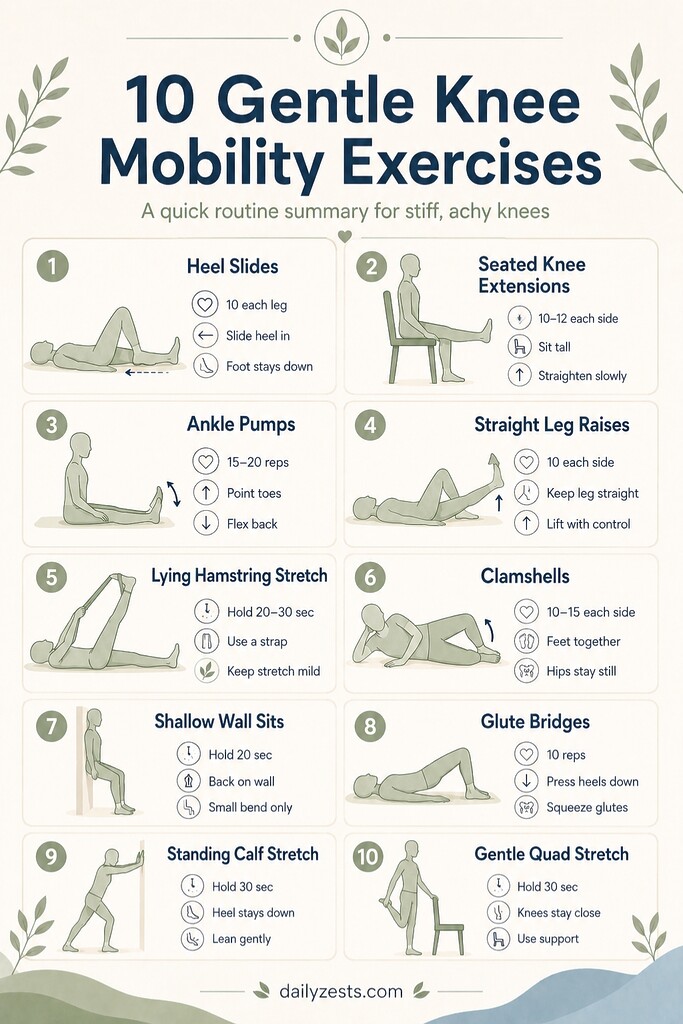
10 Gentle Knee Mobility Exercises for Daily Relief
You can do these right on your living room floor or even from a sturdy chair. Move slowly, breathe deeply, and only go as far as your body comfortably allows today.
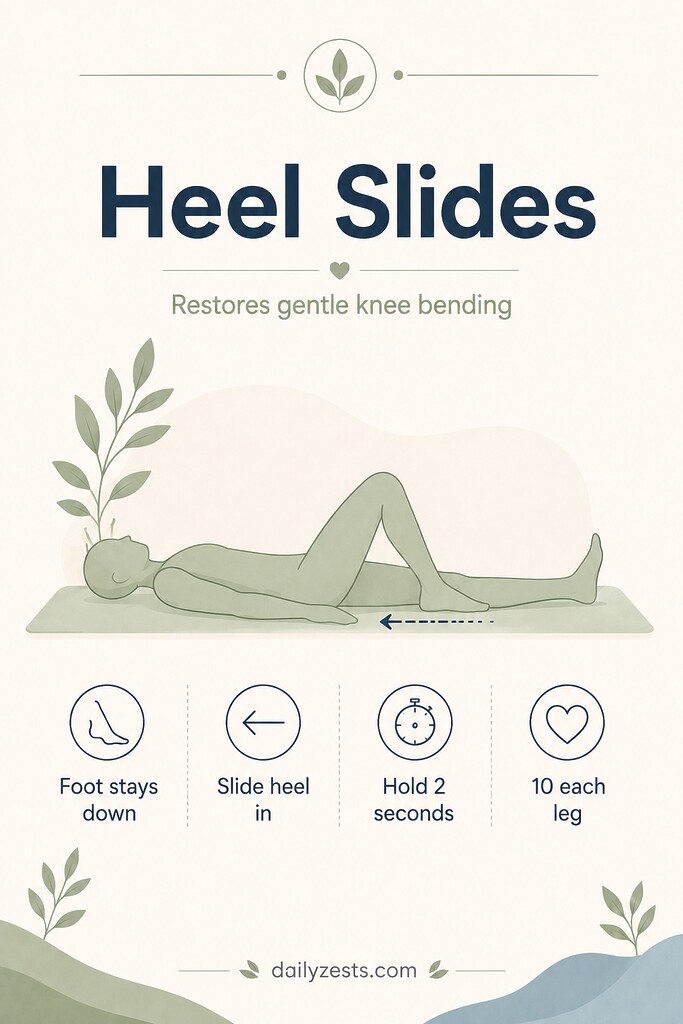
1. Heel Slides
This is a wonderfully safe way to restore flexion (bending) to the knee while your weight is entirely supported by the floor.
Lie on your back with your legs straight. Slowly slide your right heel toward your glutes, keeping your foot in contact with the floor. Bend the knee as far as is comfortable, hold for two seconds, and slowly slide it back out. Repeat 10 times on each leg.
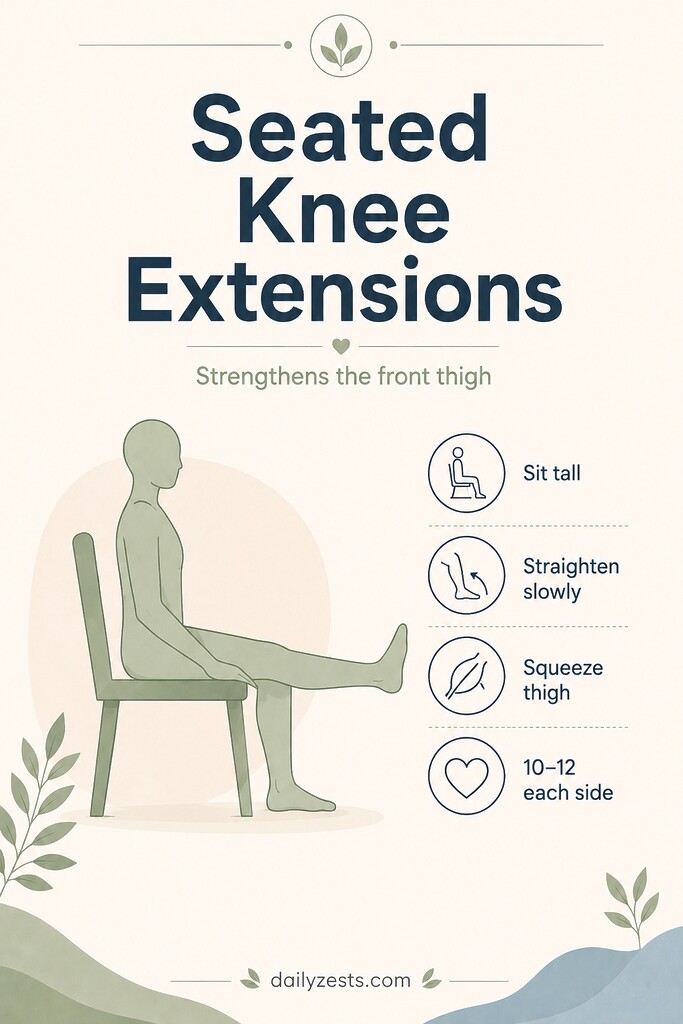
2. Seated Knee Extensions
A simple, highly effective move to strengthen the quadriceps and encourage full extension without putting any weight on the joint.
Sit tall in a supportive chair with both feet flat on the floor. Slowly straighten your left leg in front of you until it is parallel with the floor. Squeeze the muscle at the top of your thigh for a brief second, then lower your foot back down with control. Aim for 10 to 12 repetitions per side.
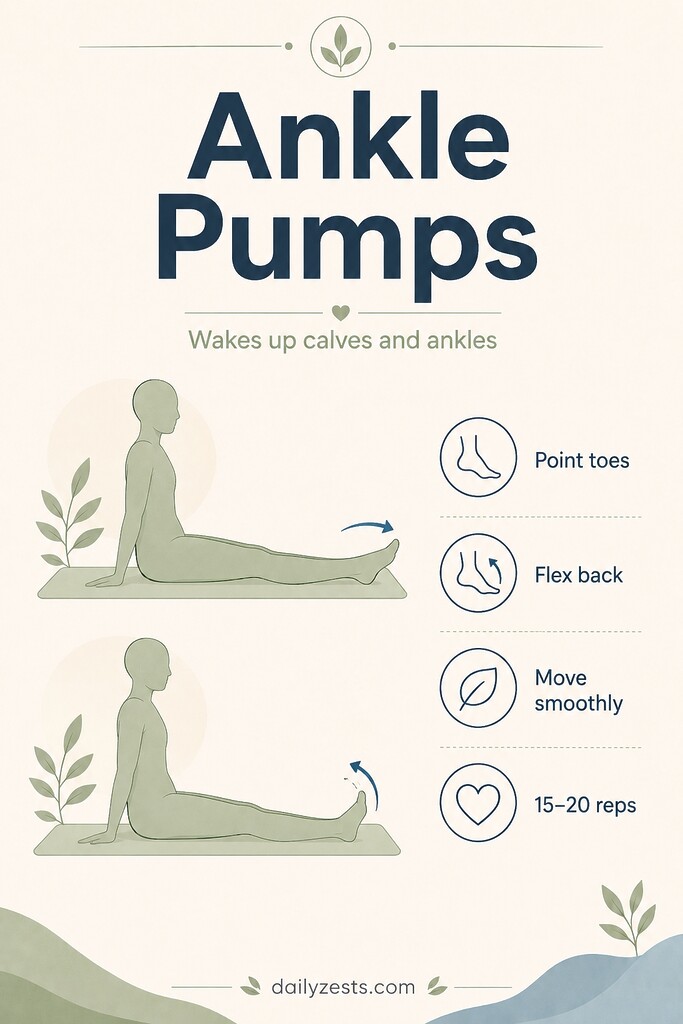
3. Ankle Pumps
It sounds strange to focus on the ankle when your knee hurts, but the calf muscles attach across the back of the knee. Stiff ankles can affect knee mechanics.
Sit with your legs extended in front of you. Actively point your toes forward as far as you can, then flex them back toward your shins. You should feel a stretch up the back of your calf. Do this 15 to 20 times to get the blood flowing.
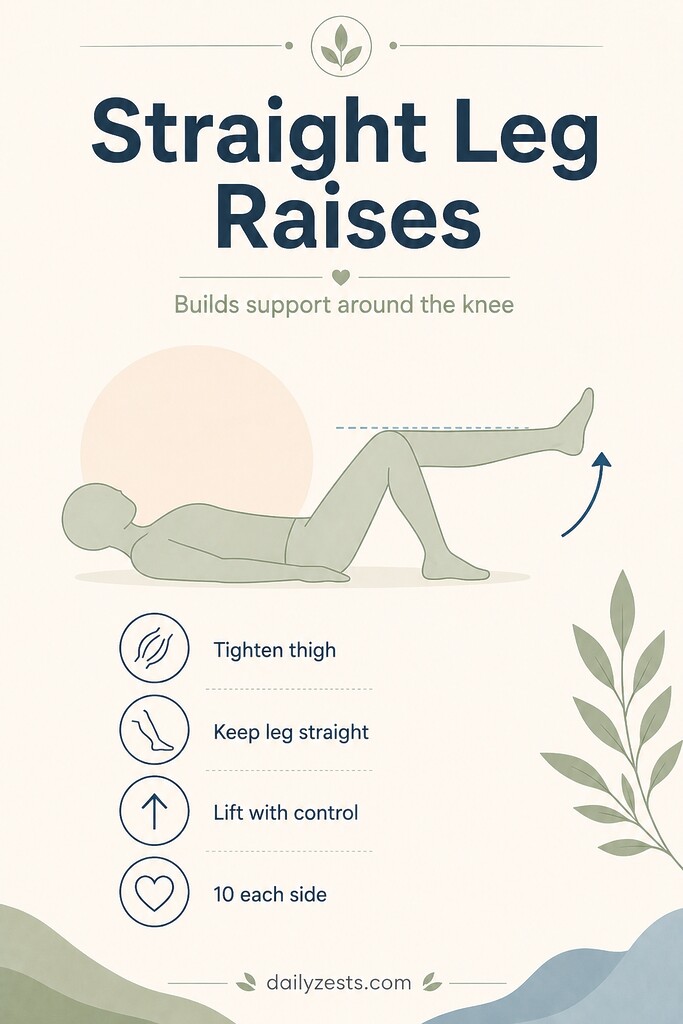
4. Straight Leg Raises
This builds the muscles around the knee, creating a stronger support system so the joint doesn’t have to absorb every impact alone.
Lie flat on your back. Bend your right knee, planting your right foot on the floor. Keep your left leg perfectly straight, tighten the thigh muscle, and lift the leg until it is level with your right thigh. Lower it slowly. Complete 10 repetitions before switching sides.
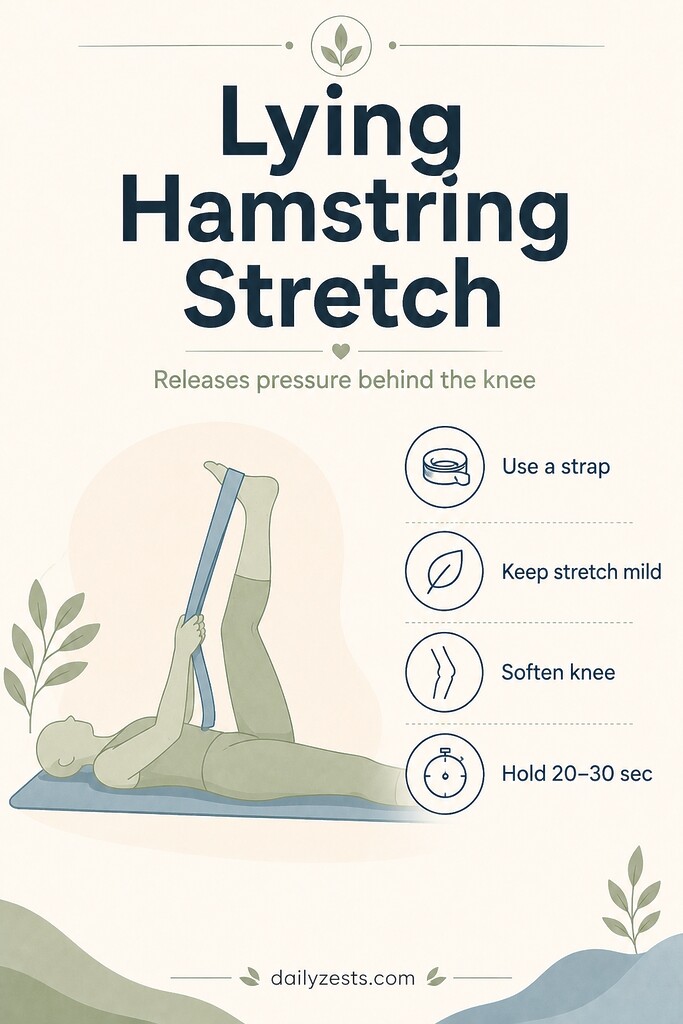
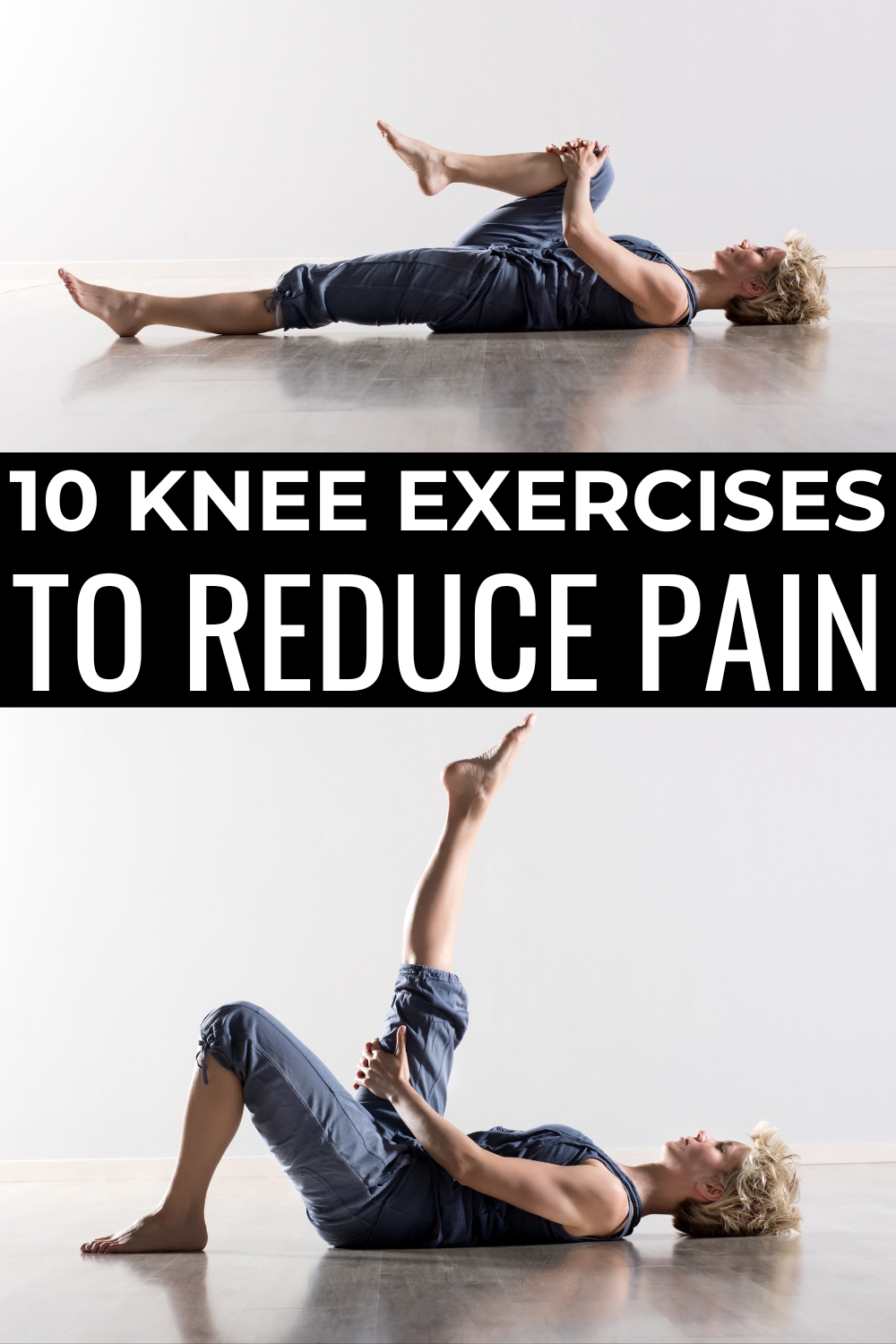
5. Lying Hamstring Stretch
Tight hamstrings constantly pull on the back of the knee, creating a feeling of pressure and restricted movement.
Lie on your back and loop a rolled-up towel or a yoga strap around the arch of your right foot. Gently pull the leg up toward the ceiling, keeping the knee softly bent if needed. Hold the tension lightly for 20 to 30 seconds. This shouldn’t feel painful, just a mild, yielding stretch.
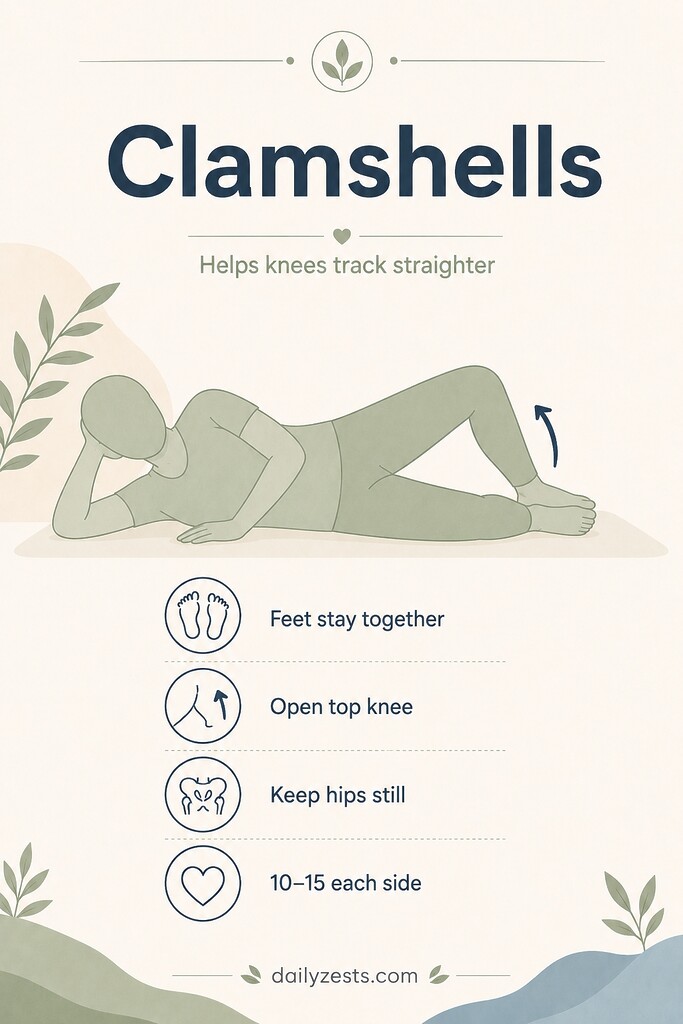
6. Clamshells
The health of your knees is closely connected to the stability of your hips. When your outer glute muscles are weak, your knees tend to cave inward when you walk or climb stairs.
Lie on your side with your hips and knees bent, resting your head on your arm. Keeping your feet touching, lift your top knee open like a clamshell. Keep your pelvis still—don’t roll backward. Do 10 to 15 reps on each side.
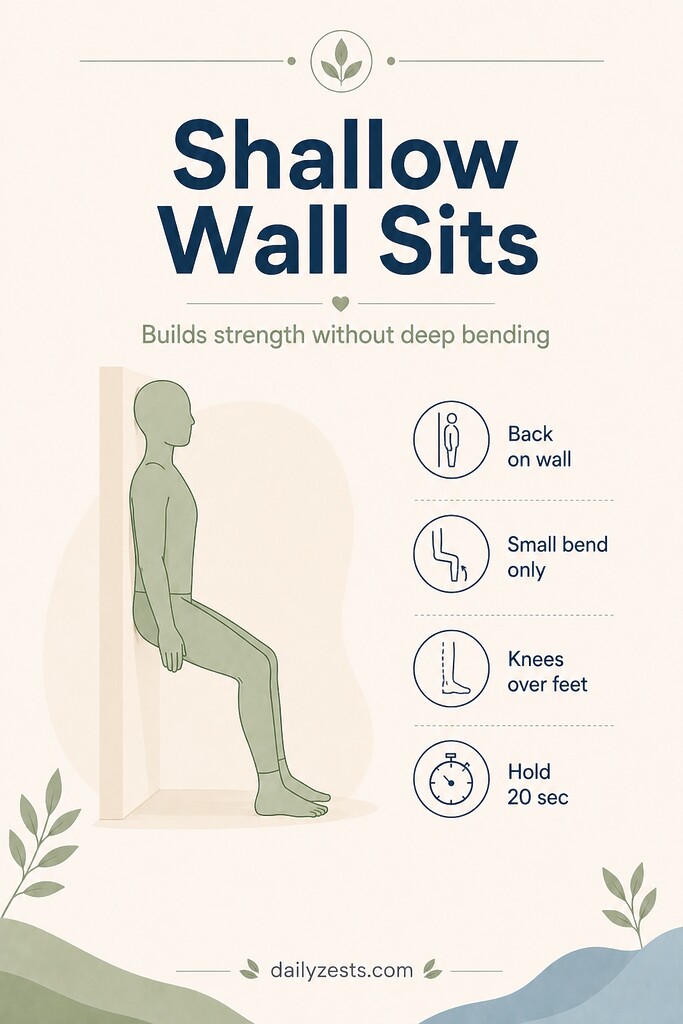
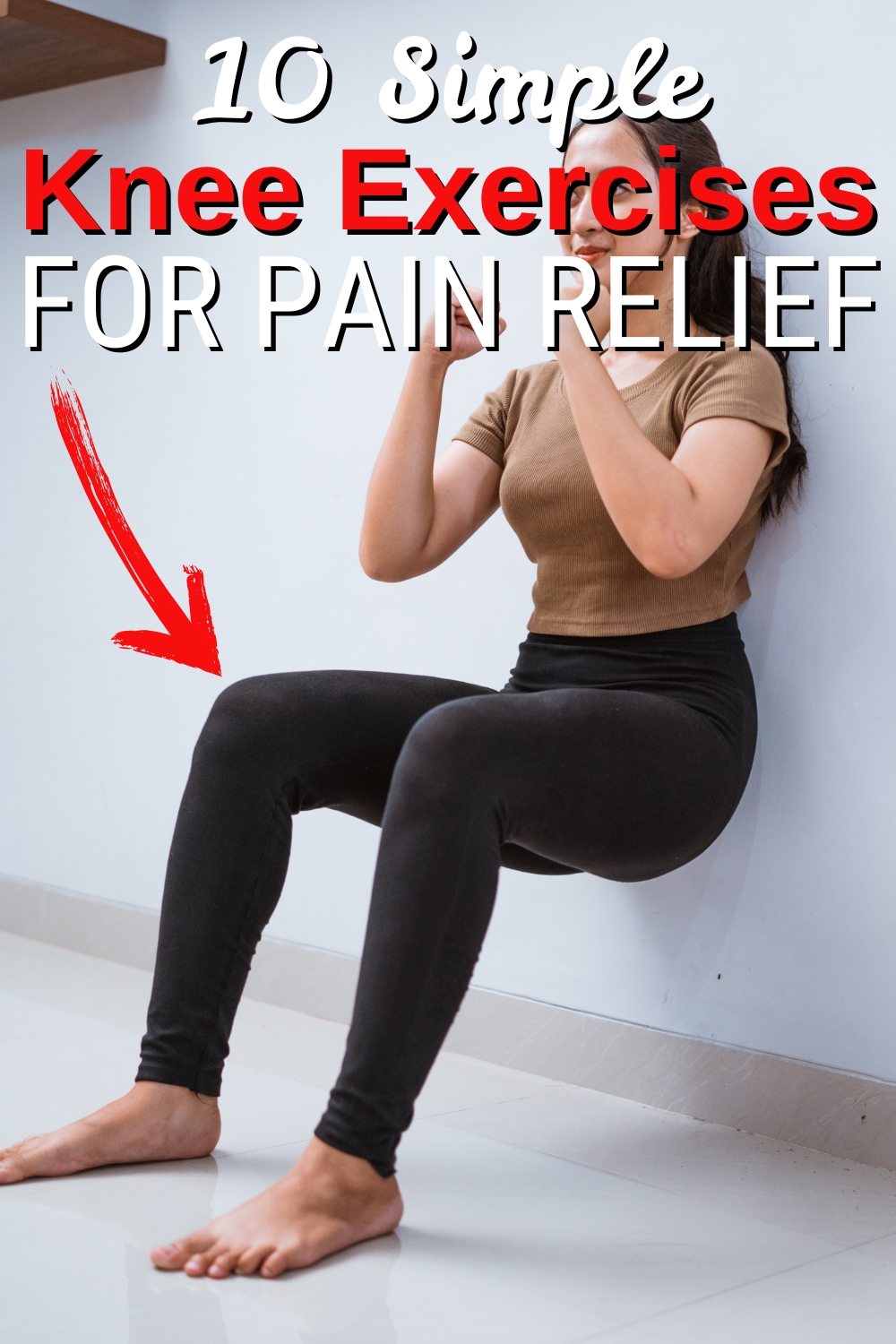
7. Shallow Wall Sits
Isometric holds are fantastic for joint stability because they build strength without requiring the joint to grind through a full range of motion under tension.
Lean your back against a flat wall. Walk your feet out about 18 inches. Slowly slide down the wall until your knees are bent at a shallow 30 to 45-degree angle. Stop long before you reach a standard 90-degree squat. Hold this position for 20 seconds, feeling your quads do the work.
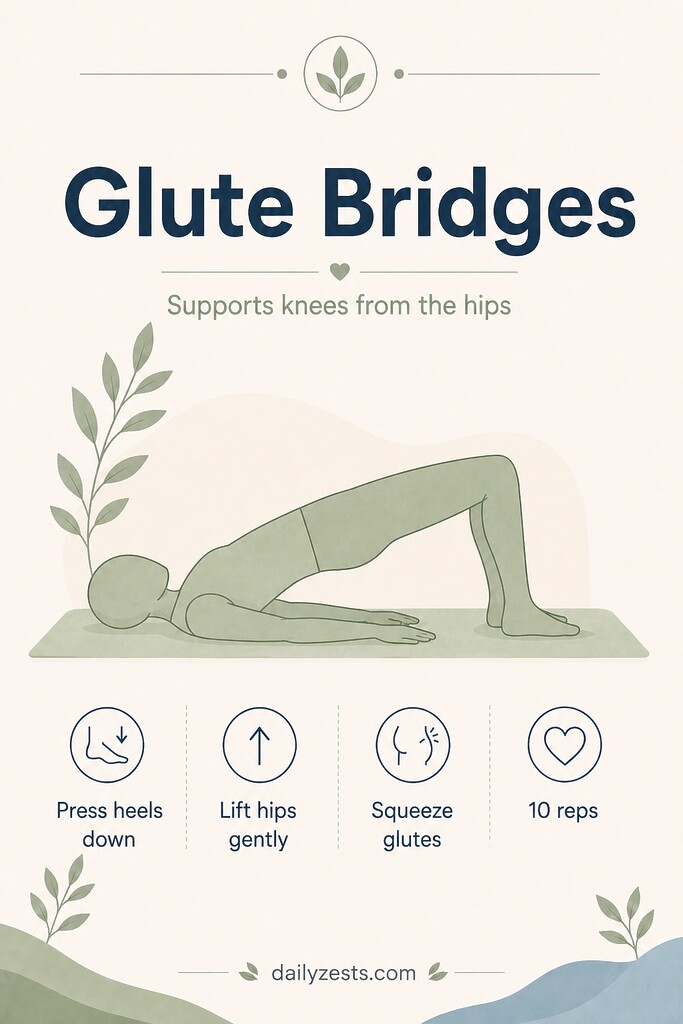
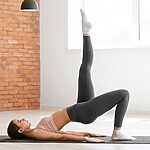
8. Glute Bridges
A strong posterior chain (the muscles on the back of your body) takes an enormous amount of daily pressure off your knees.
Lie on your back with your knees bent and feet flat on the floor, roughly hip-width apart. Press through your heels and gently lift your hips toward the ceiling. Squeeze your glutes at the top, then roll your spine back down slowly. Repeat 10 times.
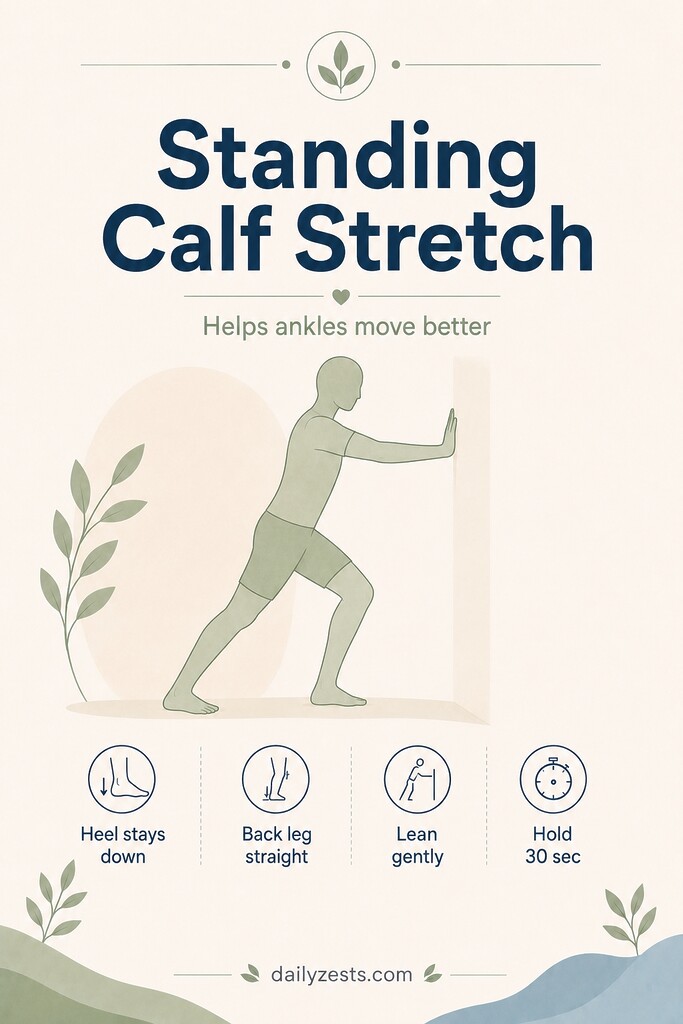
9. Standing Calf Stretch
A classic, necessary move. Tight calves limit how your ankle moves, which forces your knee to compensate by taking on awkward angles during a normal walking stride.
Stand facing a wall. Place your hands on the wall for balance. Step your left foot back, keeping the leg straight and pressing the heel firmly into the floor. Bend your front right knee slightly until you feel a deep stretch in your left calf. Hold for 30 seconds per side.
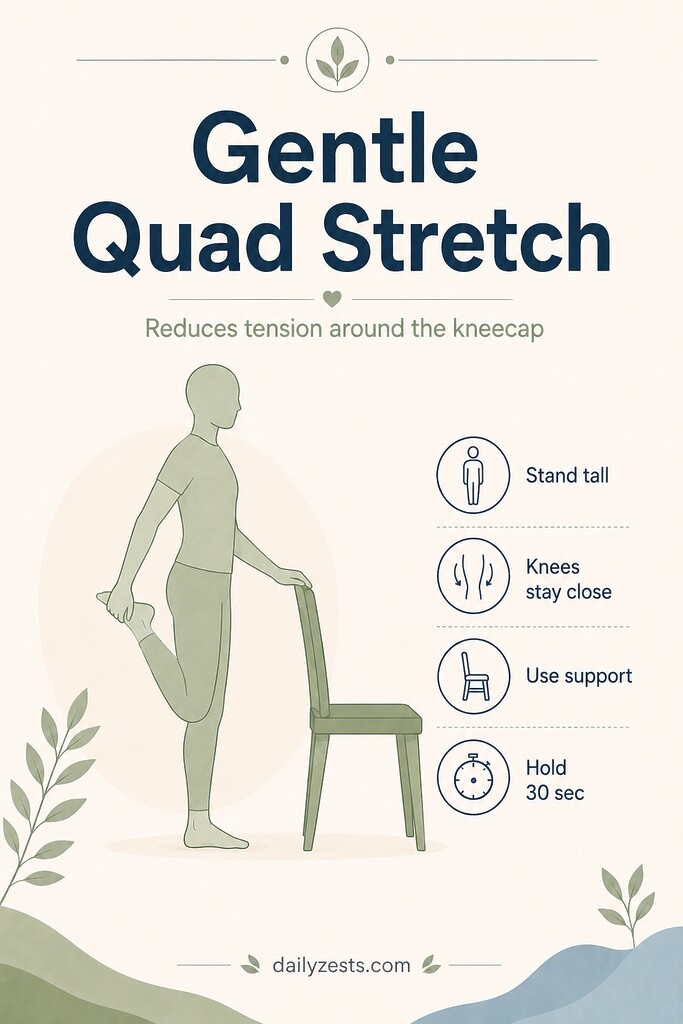
10. Gentle Quad Stretch
The quadriceps connect directly into the patellar tendon. If your quads are tight, they can increase tension around the kneecap and affect how it tracks.
Stand next to a wall or a sturdy chair for balance. Bend your right knee, bringing your heel toward your glutes, and catch your ankle with your hand. Keep your knees close together and stand tall. If you can’t reach your foot comfortably, loop a towel around your ankle and pull the towel instead. Hold for 30 seconds.
A Brief Note on Safety
I am a researcher and an advocate for living comfortably in your own body, not a medical professional. If you have an active knee injury, sharp shooting pains, or significant swelling, please consult a physical therapist before trying new movements.
These exercises are designed to manage stiffness and support joint mobility. You might feel a dull ache from stretching tight muscles, but you should never feel sharp, stabbing pain inside the joint itself. Your body’s signals are wise. Listen to them.
Frequently Asked Questions
Can I do these exercises every day?
Yes, mobility work thrives on consistency rather than intensity. Many people find that doing a gentle, abbreviated version of this routine daily yields better results than a heavy session once a week. Just tune into how your legs feel and rest if your muscles feel tender.
Should I push through the pain to get a better stretch?
Never. Treat pushing through joint pain as a sign to back off, not a way to get a better stretch. Find the edge of the stretch where you feel a gentle pulling sensation, and breathe there. Forcing it usually backfires.
When is the best time to do mobility work?
There is no wrong time, but many find that doing a few of these movements right after waking up helps wash away overnight stiffness. I usually run through heel slides and ankle pumps right in bed before I even stand up for the day.
Most mornings, I try to run through a few of these gentle movements while waiting for the coffee to brew, usually while my Golden Retriever, Barnaby, does his own version of a morning stretch on the rug beside me. It doesn’t have to be a rigid, hour-long affair. Sometimes, five minutes of quiet, intentional movement is all your body needs to remember how good it feels to move.
Kristina Hanson is an independent wellness researcher and the founder of DailyZests. She specializes in translating nutritional science into simple, delicious recipes that fit into real life. When she isn’t in the kitchen, you’ll find her hiking the trails or enjoying a slow morning coffee with her Golden Retriever, Barnaby. Read her full story.


 This post may contain affiliate links.