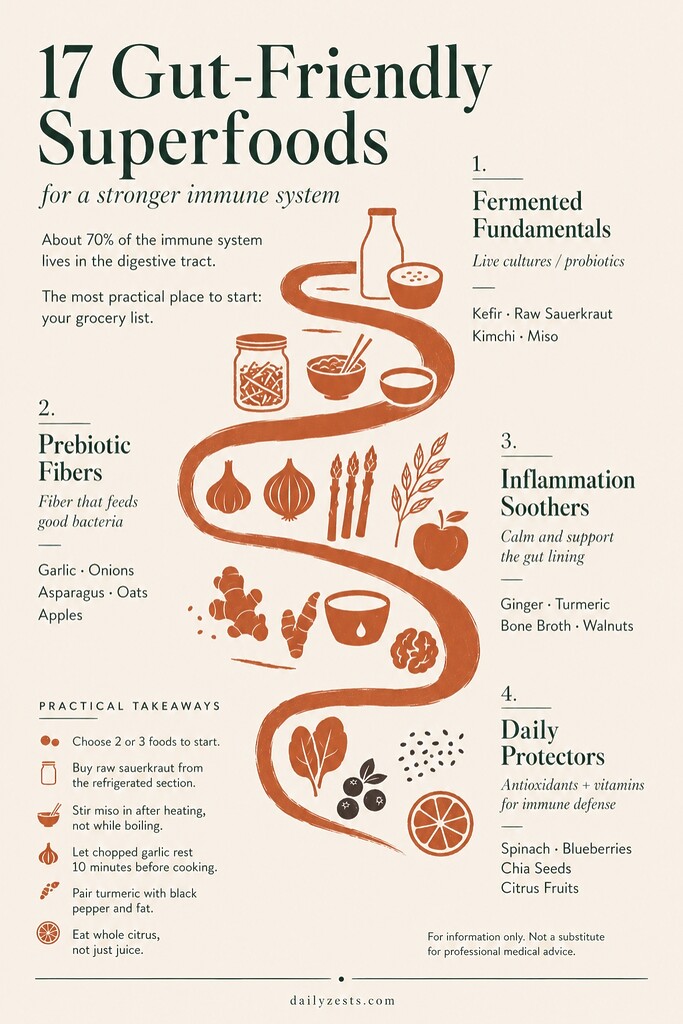
We often think of our immune system as an invisible shield we only notice when it cracks. But about 70 percent of that system actually lives right inside your digestive tract. If you want to feel more resilient this season, the most practical place to start is your grocery list.
For years I dragged myself through rolling waves of chronic fatigue. I was constantly catching every minor bug that passed through town, and my solution was usually to chug emergency vitamin C packets. Nothing truly shifted for me until I stopped treating my immune system like a separate, isolated entity and started paying attention to my digestion.
The word “superfood” tends to trigger an image of an expensive, rare powder in a tiny pouch. I used to think you had to spend half your paycheck at a specialty health store to eat well. Actually, that is not quite right. The most powerful ingredients for your gut and immune system are sitting quietly in the regular produce aisle.
Just a quick note before we get to the list. While these foods are incredibly supportive of overall wellness, I am a researcher sharing what works for my body, not a doctor prescribing a treatment. Always listen to your own body and consult your care team if you have specific medical concerns.
The Fermented Fundamentals
These foods bring live, beneficial bacteria directly into your digestive system. They are the frontline workers for your gut flora.
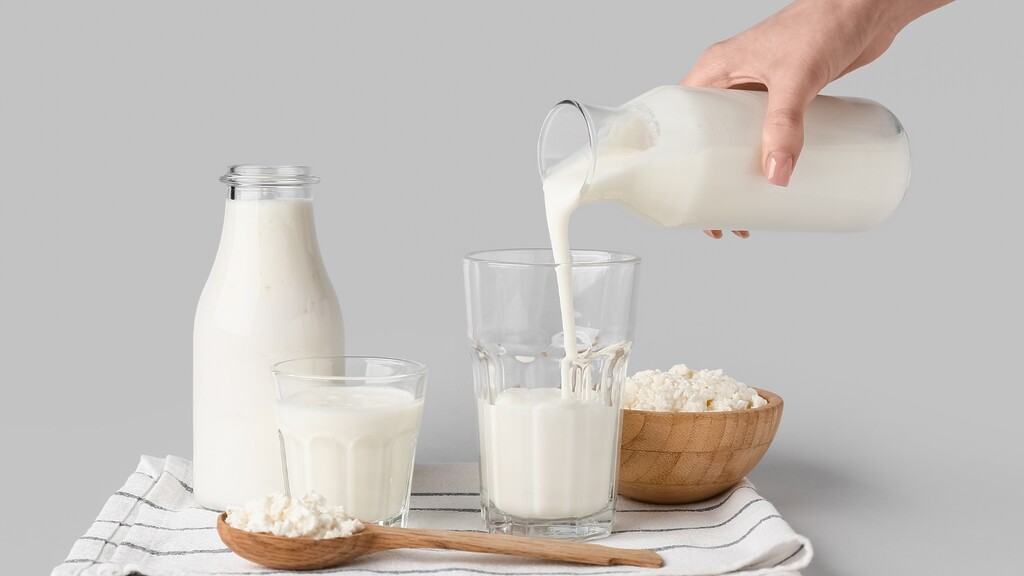
1. Kefir
Think of kefir as a tart, pourable yogurt that packs a much wider variety of bacterial strains than standard yogurt. Because the fermentation process digests some of the lactose, many people who struggle with milk may find kefir easier to drink. A half cup in your morning smoothie is plenty to start.
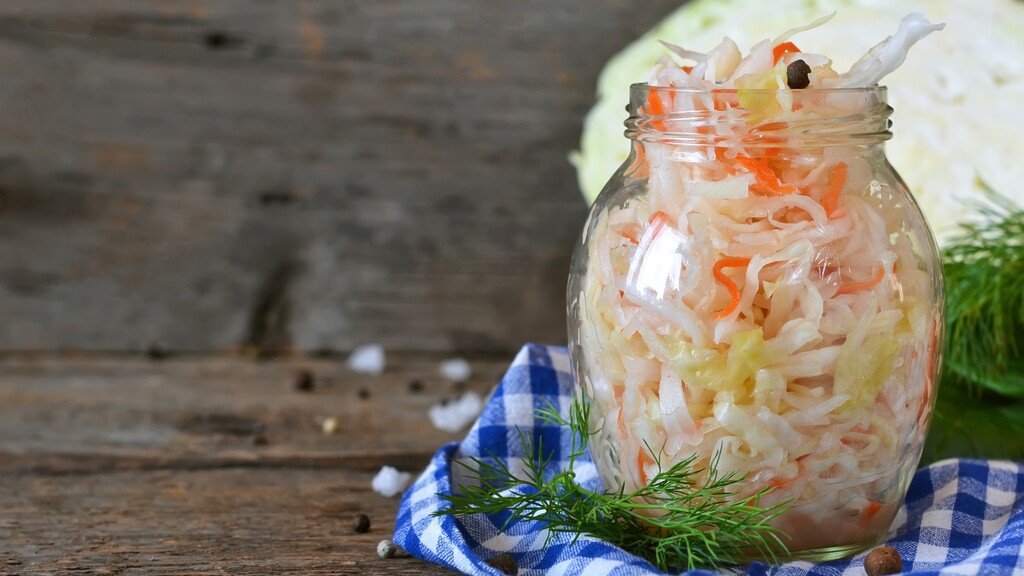
2. Raw Sauerkraut
Cabbage is inherently rich in vitamins, but fermenting it unlocks a massive amount of probiotic potential. You just have to be careful about which kind you buy. Canned sauerkraut on the dry shelf has been pasteurized, which kills the beneficial bacteria. Always look for raw, unpasteurized kraut in the refrigerated section of the grocery store.
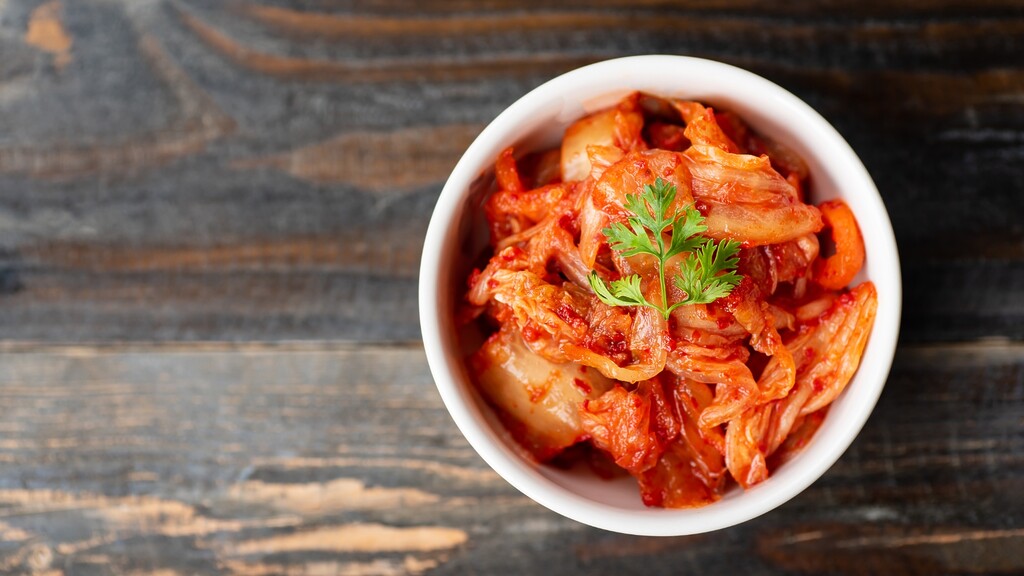
3. Kimchi
This traditional Korean staple takes fermented cabbage and adds garlic, ginger, and chili peppers. It brings a spicy, complex flavor to eggs, rice bowls, or even a simple piece of toast. The combination of fermentation and warming spices makes it an exceptional addition to any meal.
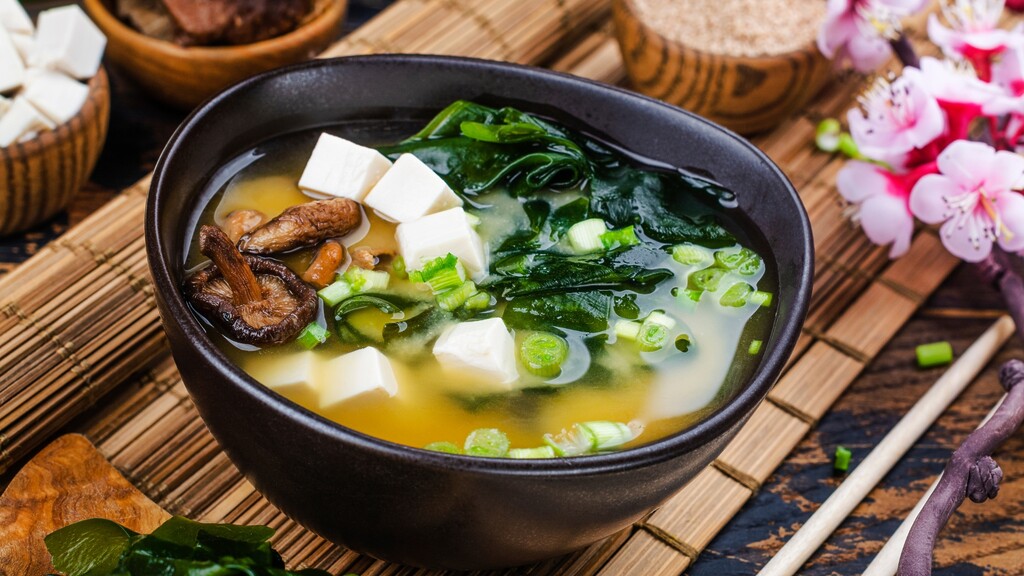
4. Miso
Miso is a traditional Japanese paste made from fermented soybeans. It provides a deeply savory flavor alongside a solid dose of beneficial bacteria. To keep those live cultures intact, avoid boiling miso paste. Stir it into your soup or warm water only after you have removed the pot from the heat.
The Prebiotic Fibers
Probiotics need fuel to survive and multiply. Prebiotics are specific types of fiber that your body cannot digest, but your gut bacteria absolutely love to eat.
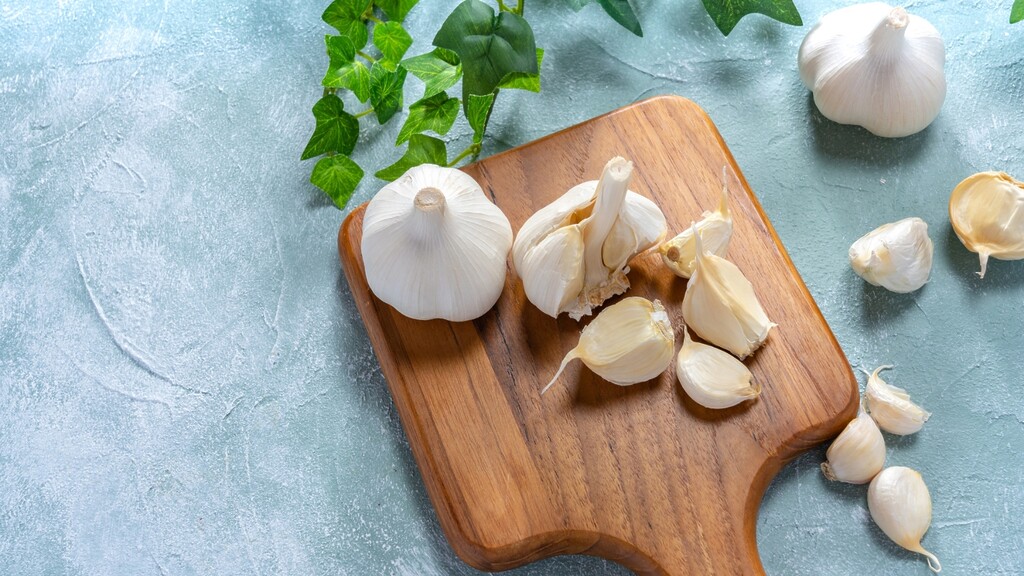
5. Garlic
Garlic is a phenomenal source of inulin, a type of prebiotic fiber that feeds good bacteria. It is also known to contain compounds that support immune function. Here is a practical tip for your kitchen. Crush or chop your garlic and let it sit on the cutting board for 10 minutes before cooking. This brief resting period allows the beneficial active compounds to fully develop.
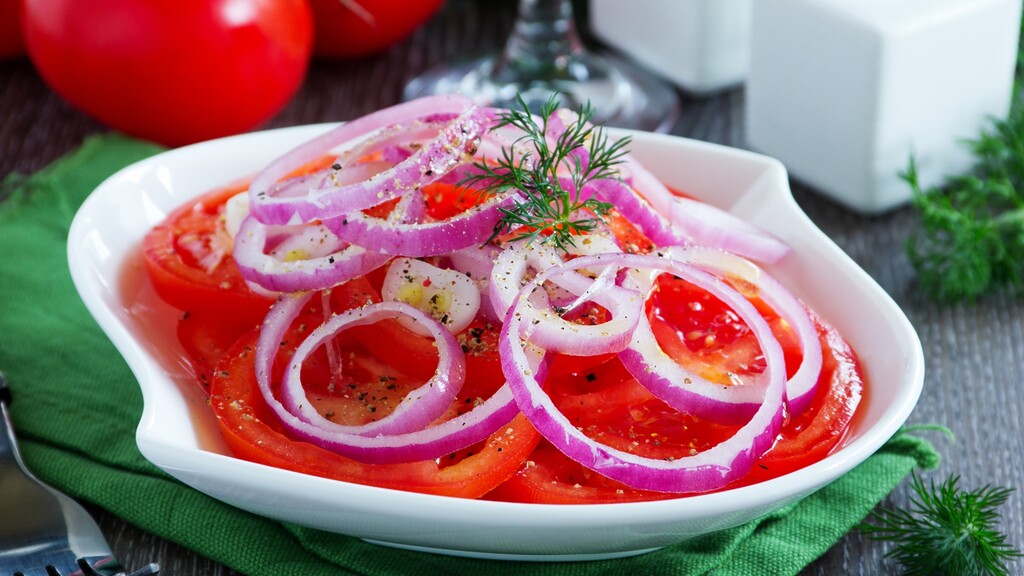
6. Onions
Similar to garlic, onions are rich in inulin and fructooligosaccharides. These fibers travel intact to your lower gut where they feed your microbial residents. Whether you prefer sweet yellow onions in a soup or sharp red onions on a salad, they are one of the most accessible superfoods you can buy.
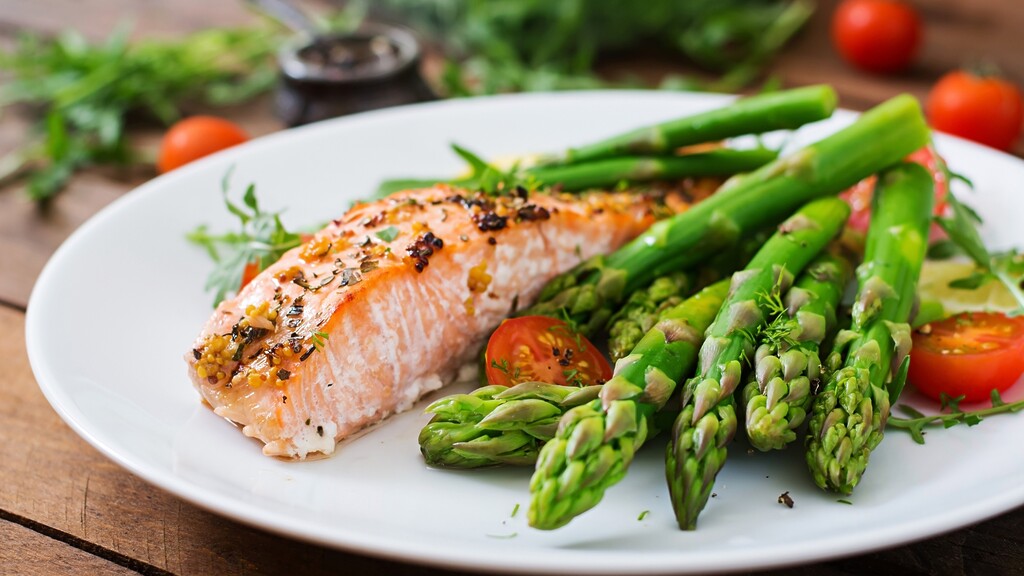
7. Asparagus
When lightly cooked, asparagus provides a gentle, easy-to-digest source of prebiotic fiber. Roasting them with a little olive oil and lemon juice creates a side dish that your tastebuds and your digestive tract will appreciate equally.
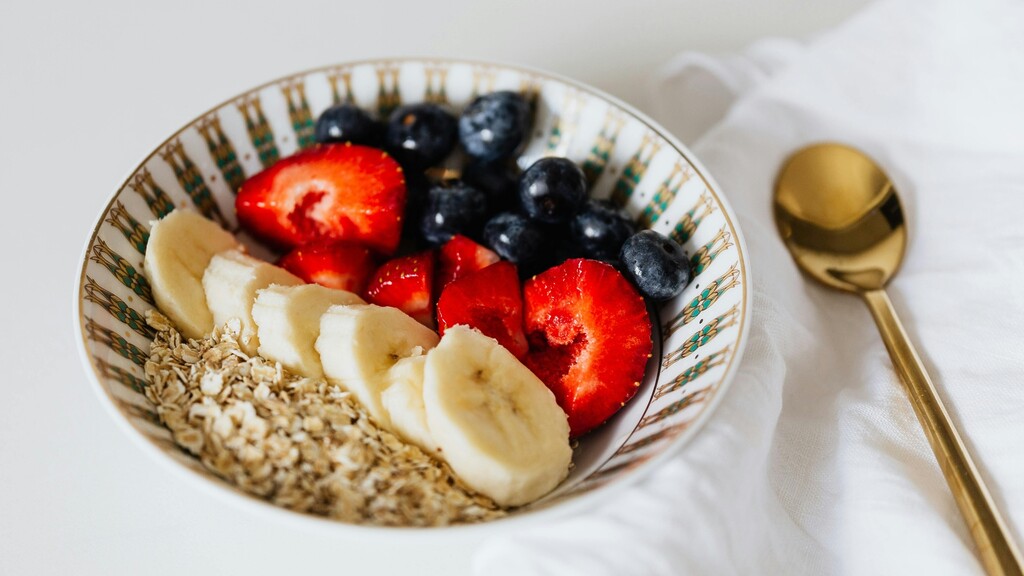
8. Oats
Oats are famous for their beta-glucan fiber. This specific type of soluble fiber forms a gel-like consistency in your gut, which helps slow down digestion and provides a steady fuel source for beneficial bacteria. Plain rolled or steel-cut oats offer the best benefits without the added sugars found in instant packets.
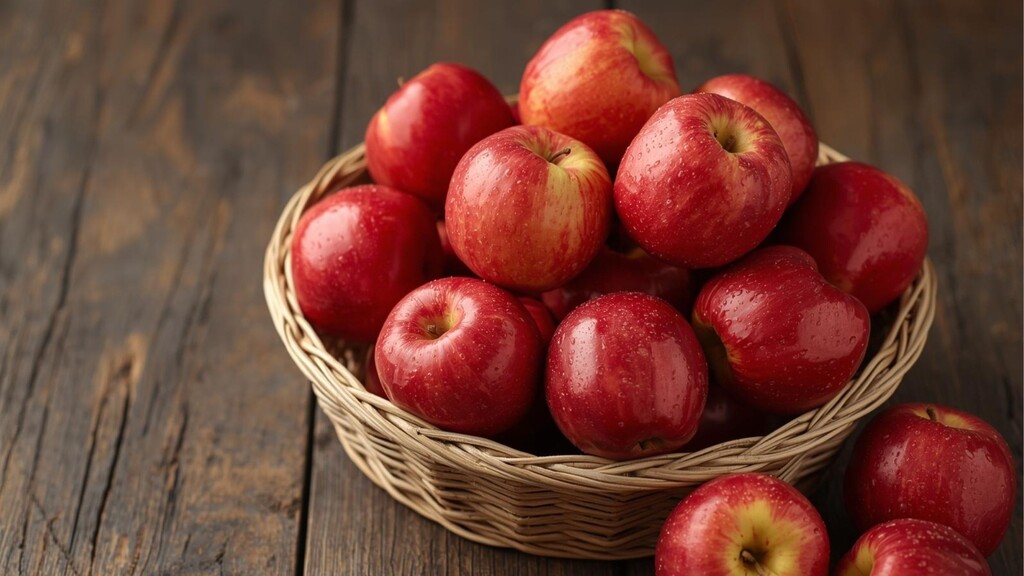
9. Apples
Apples contain pectin, another type of soluble fiber that acts as a prebiotic. The majority of this fiber is located in or just under the skin. Slicing a crisp apple for breakfast is a simple morning ritual. I usually end up sharing a few core pieces with my Golden Retriever, Barnaby, who also appreciates the crunch.
The Inflammation Soothers
A happy gut is a calm gut. These ingredients help soothe internal irritation, allowing your immune system to focus on real threats instead of systemic stress.
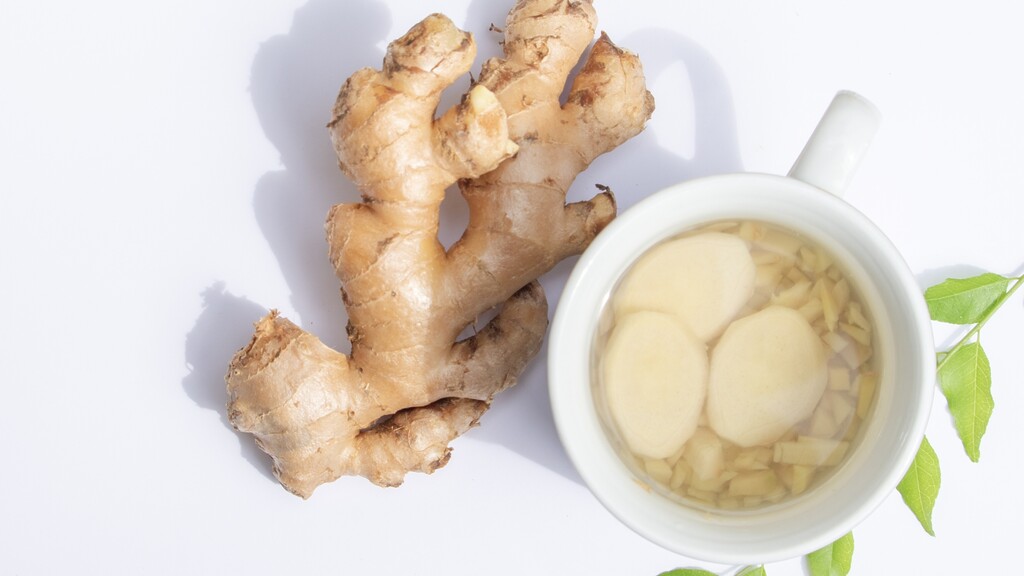
10. Ginger
Ginger has been used for centuries to settle upset stomachs and encourage smooth digestion. It helps keep food moving at a proper pace through your digestive tract. Keeping a knob of fresh ginger in the freezer makes it incredibly easy to grate into hot water or stir-fries on demand.
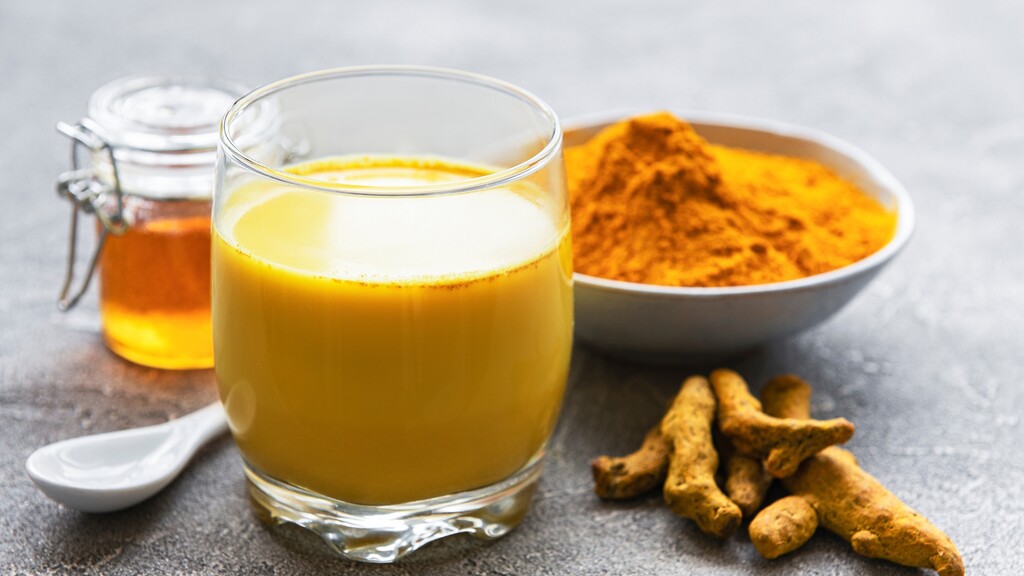
11. Turmeric
The active compound in turmeric, curcumin, is widely researched for its ability to support healthy inflammation levels. Curcumin is famously difficult for the body to absorb on its own. Pairing turmeric with a pinch of black pepper and a source of fat like olive oil or coconut milk can improve absorption.
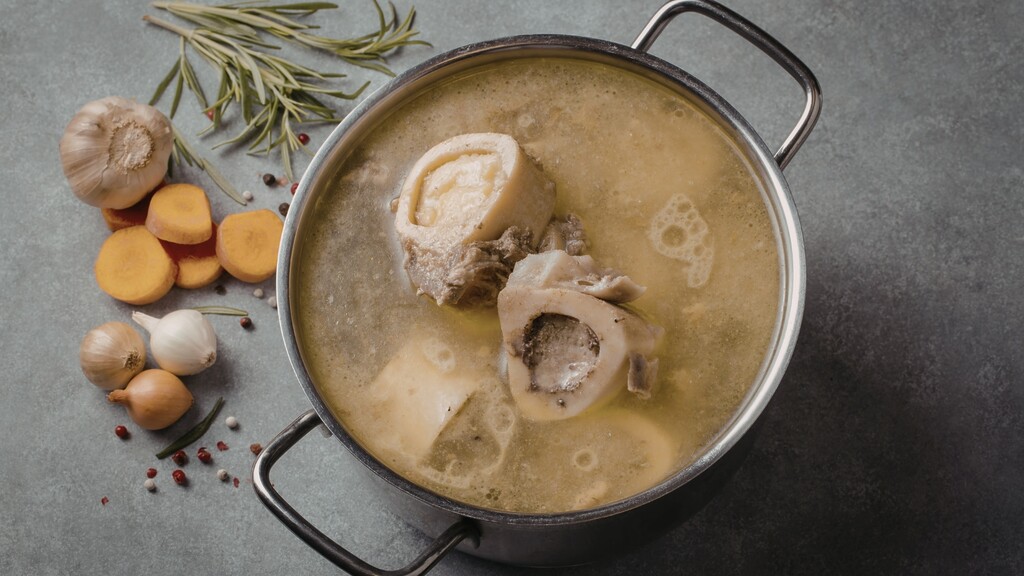
12. Bone Broth
Simmering bones for an extended period releases collagen, gelatin, and various amino acids. Gelatin is particularly soothing for the lining of your digestive tract. A warm mug of plain broth in the afternoon is a remarkably calming alternative to a second cup of coffee.
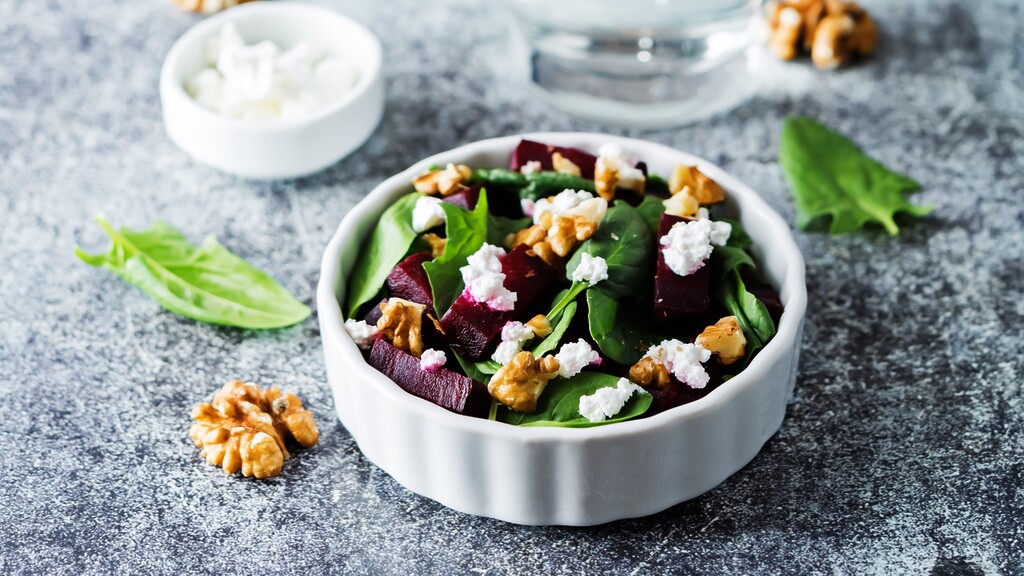
13. Walnuts
Walnuts offer a unique combination of omega-3 fatty acids and plant compounds that support a healthy gut microbiome. Eating just a small handful a day provides a satisfying crunch and healthy fats that help keep inflammation in check.
The Daily Protectors
These are the vibrant, nutrient-dense foods that deliver the antioxidants and vitamins your immune cells require to function at their best.
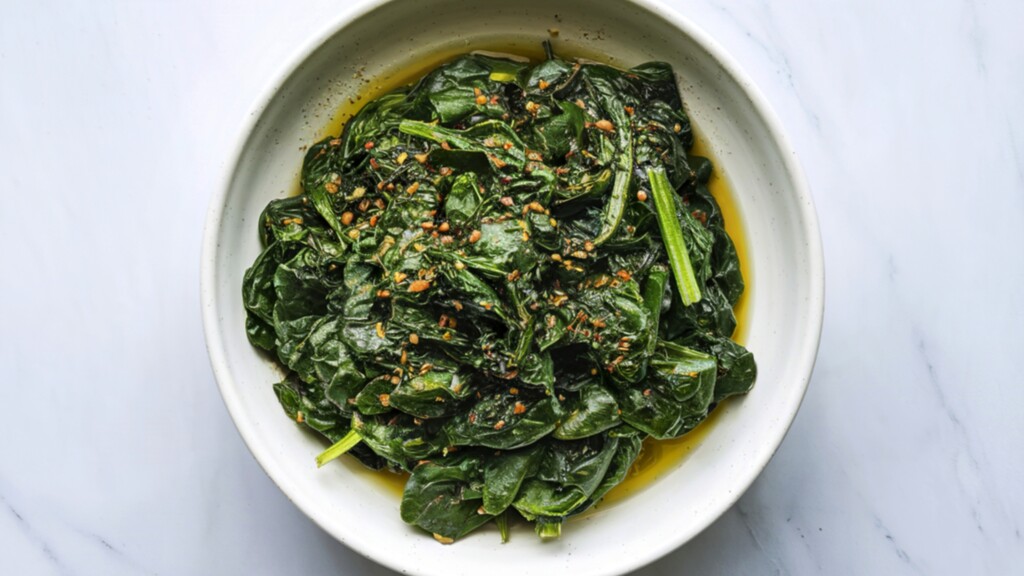
14. Spinach
Spinach is rich in vitamin C, folate, and numerous antioxidants. The key to getting the most out of leafy greens is variety in preparation. Eating it raw in salads preserves the vitamin C, while lightly cooking it makes the vitamin A easier for your body to use.
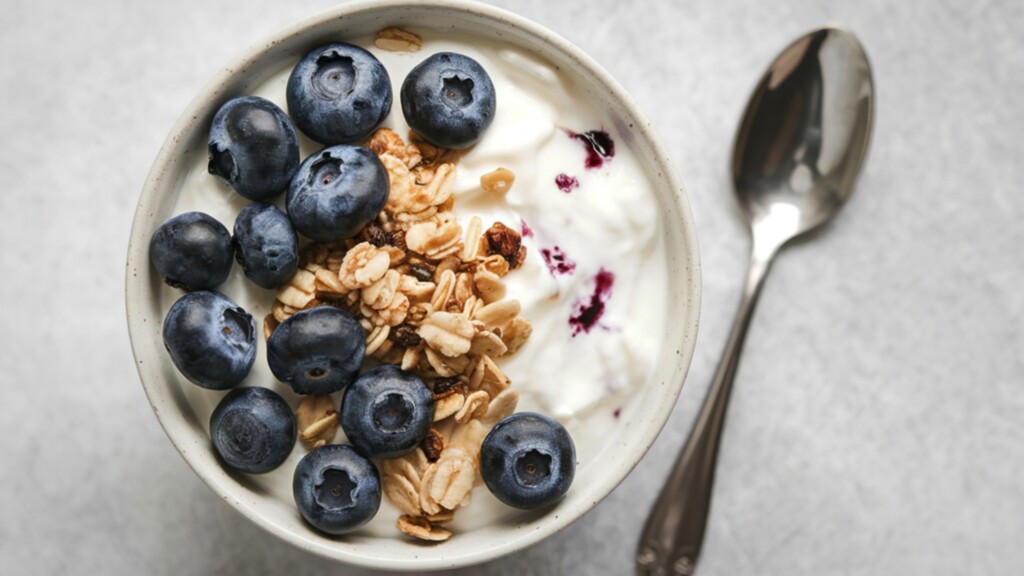
15. Blueberries
These small berries are packed with flavonoids, a type of antioxidant that plays a crucial role in immune defense systems. Frozen blueberries are picked at peak ripeness and are just as nutritious as fresh ones, making them a budget-friendly option year-round.
16. Chia Seeds
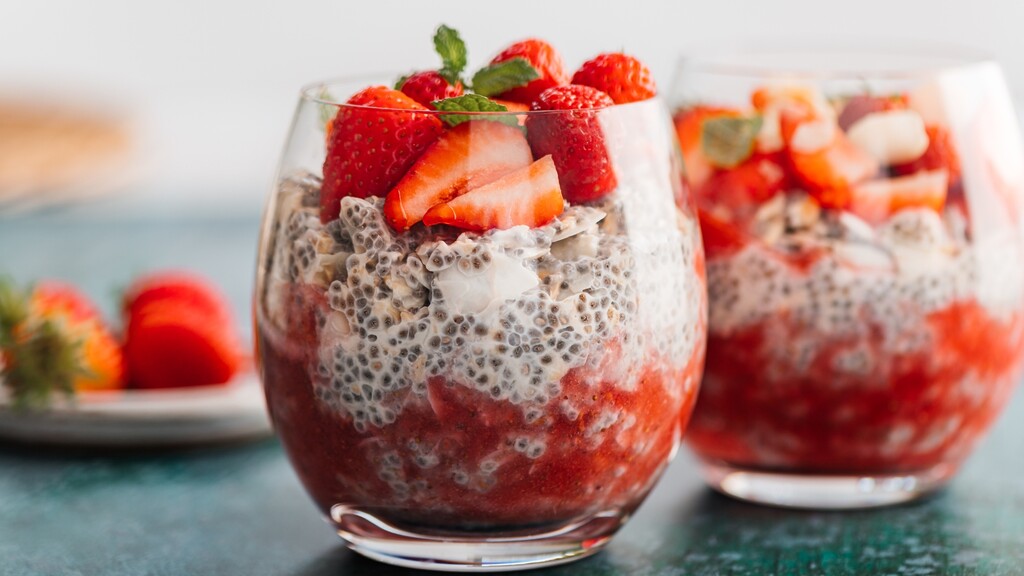
Chia seeds absorb water and create a gentle, sweeping action as they move through your digestive system. They provide a dense source of soluble fiber and healthy fats. You can mix a tablespoon into water with a squeeze of lemon, or let them sit in almond milk overnight for a simple pudding.
17. Citrus Fruits
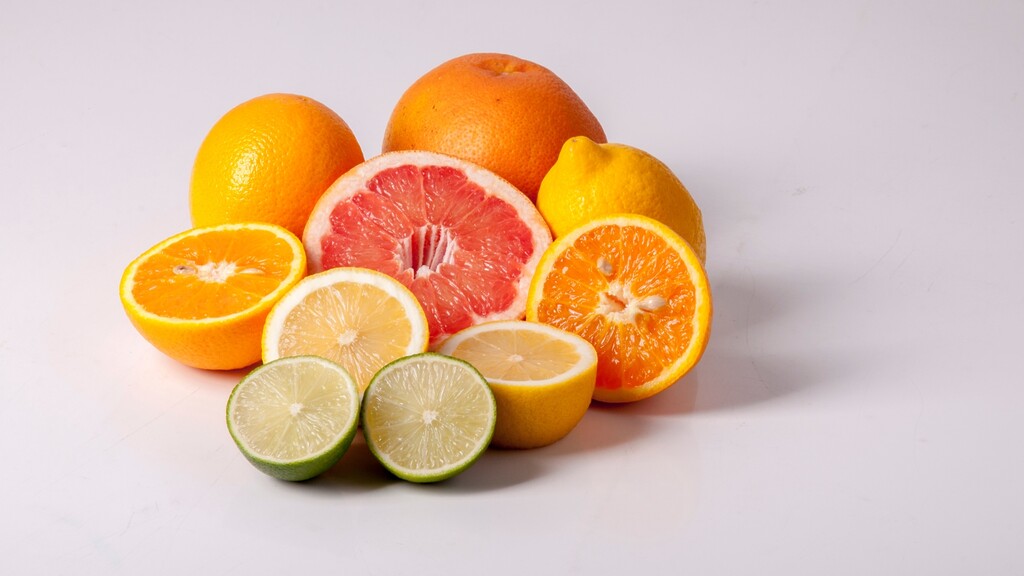
Oranges, grapefruits, and lemons are the classic vitamin C staples for a reason. Vitamin C is known to support the production of white blood cells. Eating the whole fruit instead of just drinking the juice ensures you also get the beneficial fiber your gut needs.
You do not need to eat all 17 of these items today. Pick two or three that already sound good to you, add them to your next grocery list, and let your body slowly adjust to the extra nourishment.
Kristina Hanson is an independent wellness researcher and the founder of DailyZests. She specializes in translating nutritional science into simple, delicious recipes that fit into real life. When she isn’t in the kitchen, you’ll find her hiking the trails or enjoying a slow morning coffee with her Golden Retriever, Barnaby. Read her full story.



 This post may contain affiliate links.