I spent years fighting the infamous 3 PM blood sugar crash. You know the one: the heavy eyelids, the brain fog, and the sudden, overwhelming craving for anything wrapped in crinkly plastic. Learning to eat in a way that supported my insulin resistance, rather than fighting it, changed everything. But at first, standing in the grocery store aisles felt entirely overwhelming.
That is exactly why I put this list together. Over morning coffees on the porch with my dog, Barnaby, I finally organized my scattershot grocery runs into a reliable, repeatable system.
Eating fewer carbs doesn’t have to feel like a punishment or a restriction. Research on lower-carb eating patterns suggests they can support blood-sugar goals for some people, especially when they are built around protein, healthy fats, and fiber-rich vegetables. It is simply a matter of shifting your focus to the perimeter of the grocery store and knowing exactly what to look for.
The Complete Low-Carb Grocery List
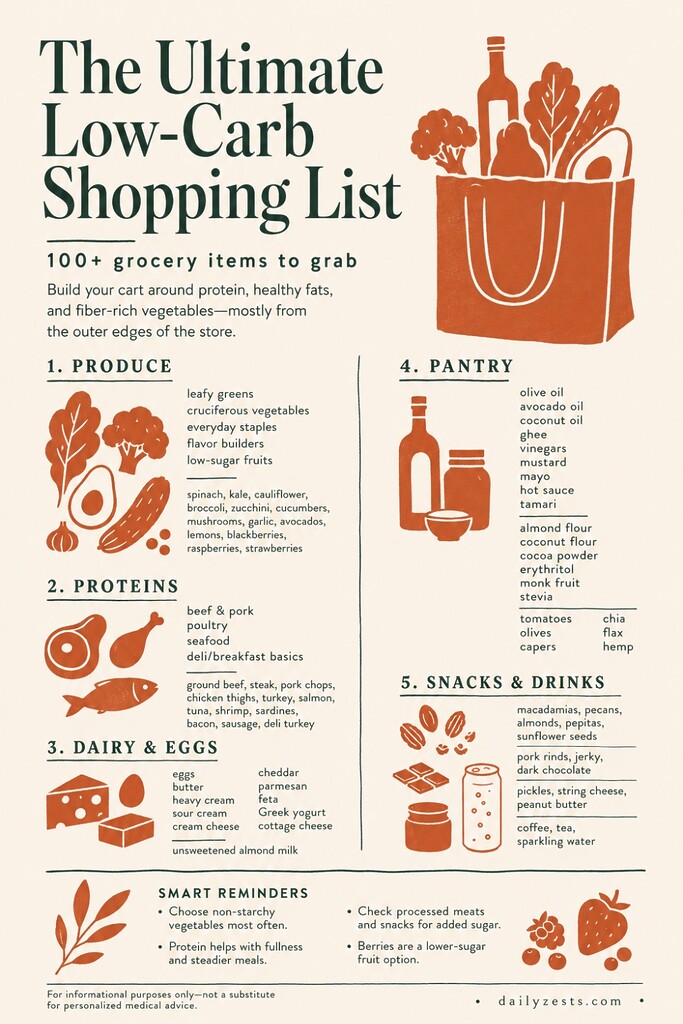
This is what works for me. It is a focus on whole, simple ingredients that you can find at nearly any local supermarket. I have broken down over 100 items by category so you can mentally map out your cart before you even grab the keys.
Produce: Fresh Greens and Low-Sugar Fruits
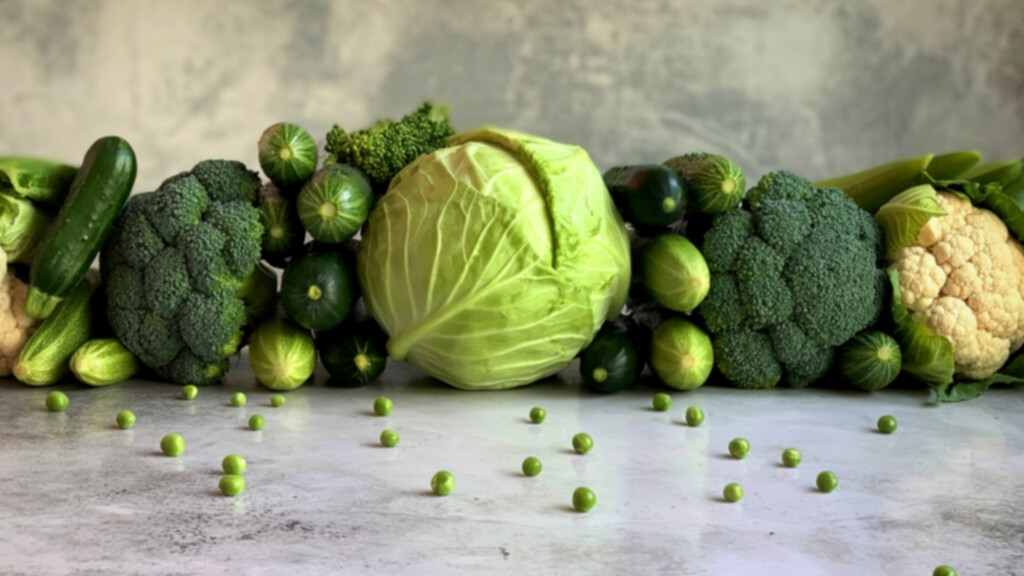
Vegetables are the foundation of a healthy low-carb kitchen. Look for non-starchy vegetables most often, since they naturally contain fewer carbohydrates than potatoes, corn, peas, and other starchier picks.
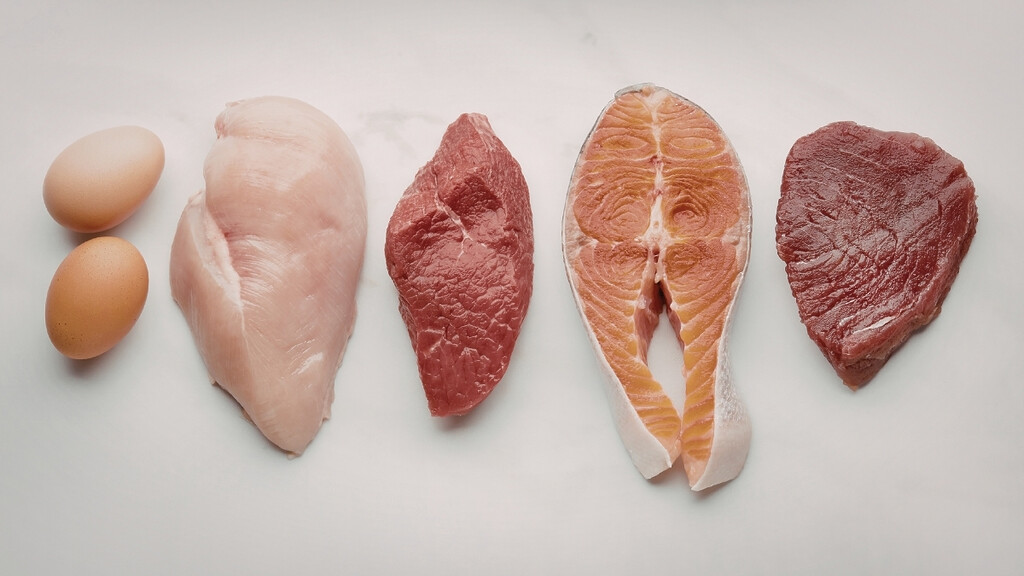
Protein is what keeps you full and helps smooth out the blood-sugar rise from a meal. I always check the labels on processed meats like bacon or sausage to make sure no sneaky sugars were added during curing.
Beef & Pork: Ground beef (80/20 is great for flavor), ribeye steak, sirloin, pork chops, pork tenderloin
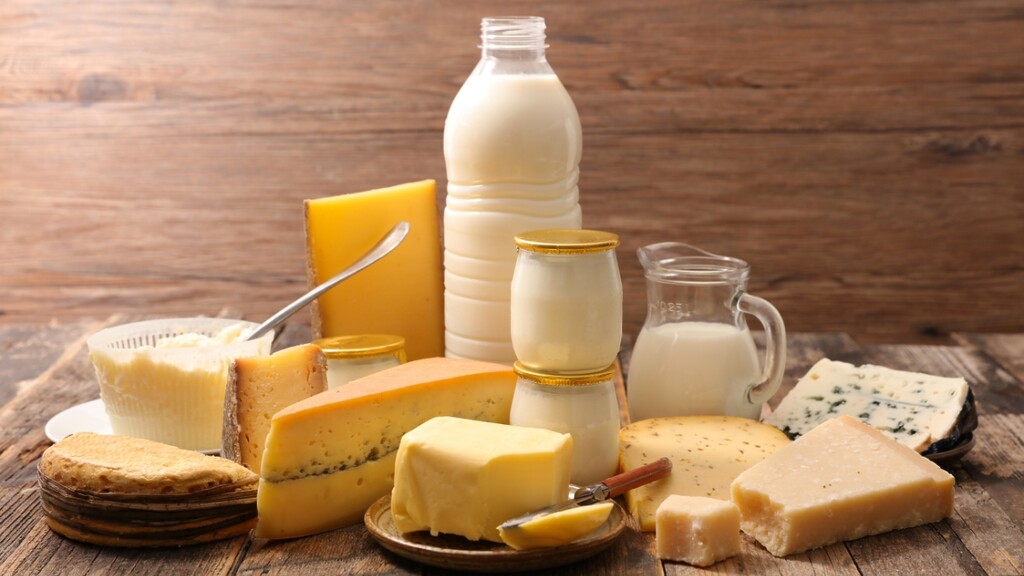
Full-fat dairy adds richness and satisfaction to your meals. If you are watching your carbohydrate intake, plain full-fat dairy can feel more satisfying, but milk itself still contains lactose whether it is skim or whole.
The Basics: Large eggs, grass-fed butter, heavy whipping cream, sour cream, cream cheese
Hard Cheeses: Sharp cheddar, parmesan, pepper jack, swiss, gouda
Soft Cheeses: Fresh mozzarella, feta, goat cheese, brie, blue cheese
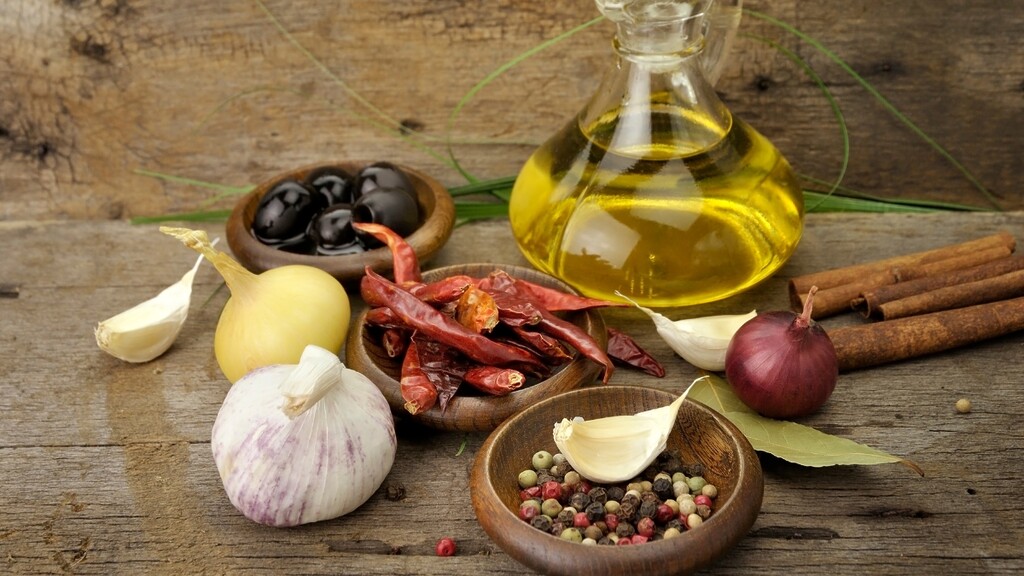
A well-stocked pantry means you are never more than twenty minutes away from a good meal. These are the items that bring a recipe together and add the necessary fats and flavors.
Low-Carb Sweeteners: Erythritol, monk fruit sweetener, stevia
Canned Goods & Add-ins: Chicken bone broth, canned diced tomatoes, tomato paste, black olives, green olives, capers
Seeds: Chia seeds, flaxseed meal, hemp hearts
Snacks, Nuts & Drinks
When the afternoon hunger does hit, having a handful of the right snacks ready prevents poor, rushed decisions. Keep these within easy reach.
Nuts: Macadamia nuts, pecans, walnuts, almonds
Seeds: Pumpkin seeds (pepitas), sunflower seeds
Quick Snacks: Pork rinds, beef jerky (check for zero sugar), dark chocolate (85% cacao or higher), dill pickles, string cheese, seaweed snacks
Spreads: Peanut butter (just peanuts and salt), almond butter
Beverages: Coffee beans, green tea, herbal tea, unflavored sparkling water, club soda
—
Frequently Asked Questions
Is eating low-carb expensive?
It can be if you buy pre-packaged “keto” snacks and specialty baked goods. Sticking to whole foods (like eggs, seasonal vegetables, ground meat, and block cheese) keeps the budget manageable while offering better nutrition.
Can I still eat fruit?
Yes, but portion and type matter. Berries (strawberries, raspberries, blackberries) are naturally lower in sugar, and raspberries and blackberries are especially high in fiber, making them an excellent choice compared to tropical fruits like bananas or mangoes.
How strict do I need to be with carb counting?
This depends entirely on your personal body, blood sugar, medications, and goals. I found the most success by simply prioritizing protein and green vegetables, rather than agonizing over every single gram of carbohydrate. Listen to your body, and work with your care team if you use diabetes medications.
—
Grocery shopping shouldn’t feel like navigating a minefield. Print this list out, keep it in your notes app, or just memorize the few aisles you actually need. Take a deep breath, grab your cart, and stick to the outer edges of the store. You’ve got this.
Kristina Hanson is an independent wellness researcher and the founder of DailyZests. She specializes in translating nutritional science into simple, delicious recipes that fit into real life. When she isn’t in the kitchen, you’ll find her hiking the trails or enjoying a slow morning coffee with her Golden Retriever, Barnaby. Read her full story.


 This post may contain affiliate links.