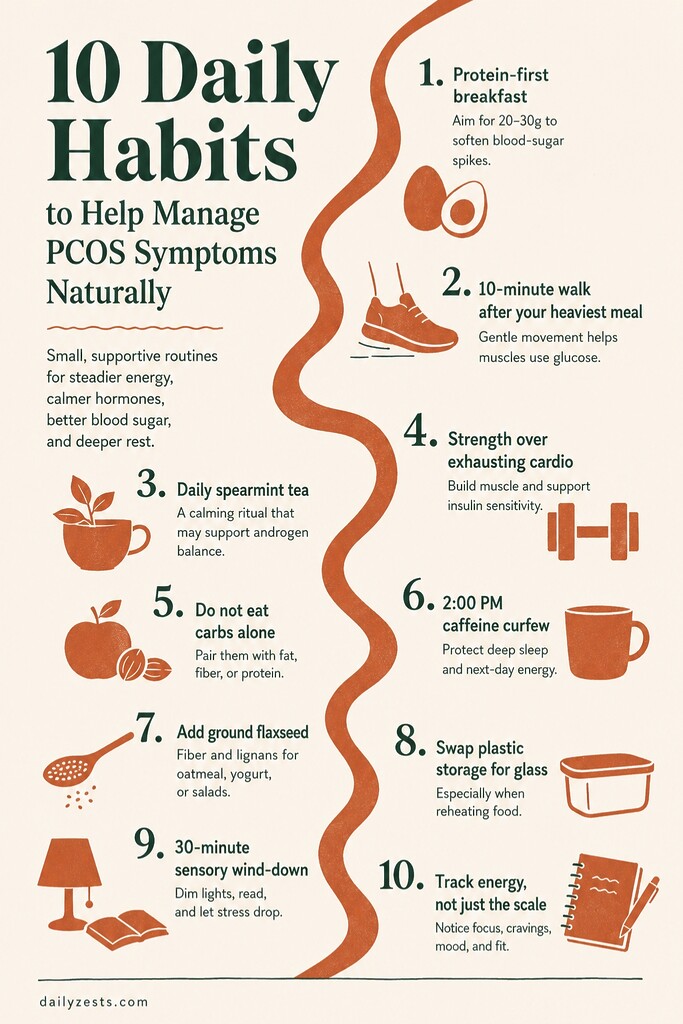
For years, living with my diagnosis felt like I was in a constant argument with my own body. If you are searching for natural ways to manage PCOS, you already know how exhausting that fight can be. Things finally shifted for me when I stopped looking for aggressive fixes and started focusing on small, supportive routines. These are the daily habits that helped me find common ground with my hormones.
You don’t need to adopt all of these at once. Pick one or two that sound comforting or easy to implement, and let them become second nature before adding another.
1. Front-load your morning with protein
Breakfast sets the tone for your blood sugar for the rest of the day. When we eat a typical American breakfast of toast, cereal, or a pastry, our blood sugar spikes, followed inevitably by a mid-morning crash. This roller coaster demands more insulin production, which is exactly what many of us are trying to calm down.
I aim for 20 to 30 grams of protein in my first meal. The gentle why behind this is simple: protein digests slowly. It acts as a buffer, releasing energy steadily over hours instead of all at once. Two eggs and a half-cup of cottage cheese is my usual go-to because it takes about four minutes to throw together.
2. Take a 10-minute walk after your heaviest meal
You do not need to sweat to see the benefits of movement. Taking a short, leisurely walk shortly after dinner is one of the kindest things you can do for your metabolism.
When you walk, your leg muscles need energy. They pull glucose directly out of your bloodstream to use as fuel, which means your pancreas doesn’t have to pump out as much insulin to clear that glucose away. It is an incredibly effective way to support your body’s natural processes without stepping foot in a gym.
3. Sip a daily cup of spearmint tea
This is easily my favorite habit on the list. Taking ten minutes on the porch with my dog, Barnaby, and a warm mug of spearmint tea feels like a treat rather than a protocol.
Some research suggests that spearmint tea has mild anti-androgen properties. This means it may help gently lower the excess testosterone that often drives issues like hormonal breakouts and unwanted hair growth. Two cups a day is what the small study on spearmint used, but even one cup is a lovely, supportive ritual.
4. Choose resistance training over exhausting cardio
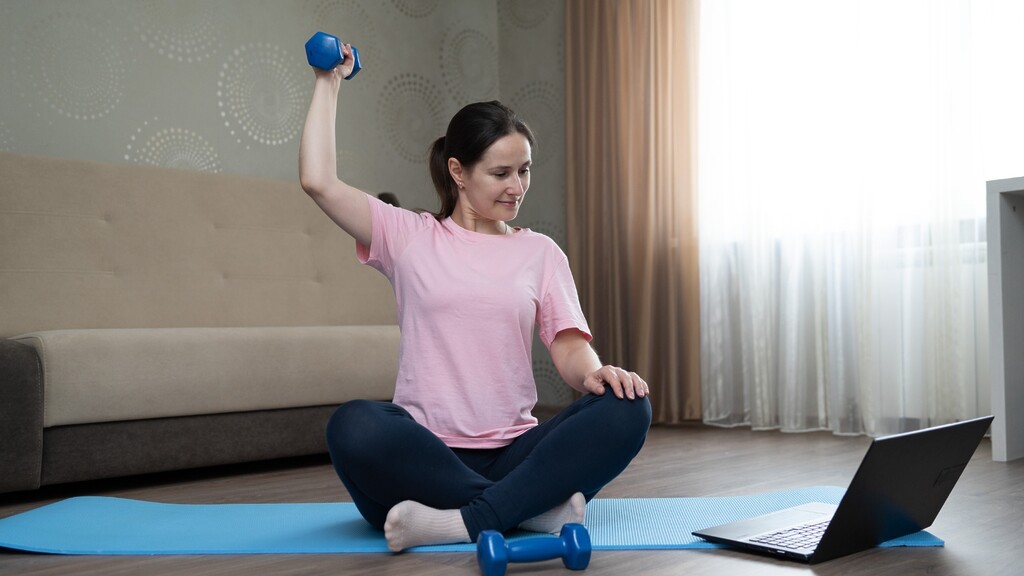
For a long time, I thought the only way to be healthy was to leave an exercise class completely drenched in sweat and gasping for air. But high-intensity workouts can sometimes cause cortisol (our primary stress hormone) to spike. If your body is already dealing with internal stress from PCOS, starting with supportive strength training can feel more sustainable than forcing workouts that leave you depleted.
Strength training (like lifting weights or doing Pilates) builds muscle, which naturally improves how your body handles insulin. Plus, it leaves you feeling strong and capable, not depleted.
5. Never eat your carbohydrates “naked”
Carbohydrates are not the enemy. They provide quick, necessary energy. But eating them completely on their own (what some call a “naked” carb) can cause your blood sugar to rise sharply.
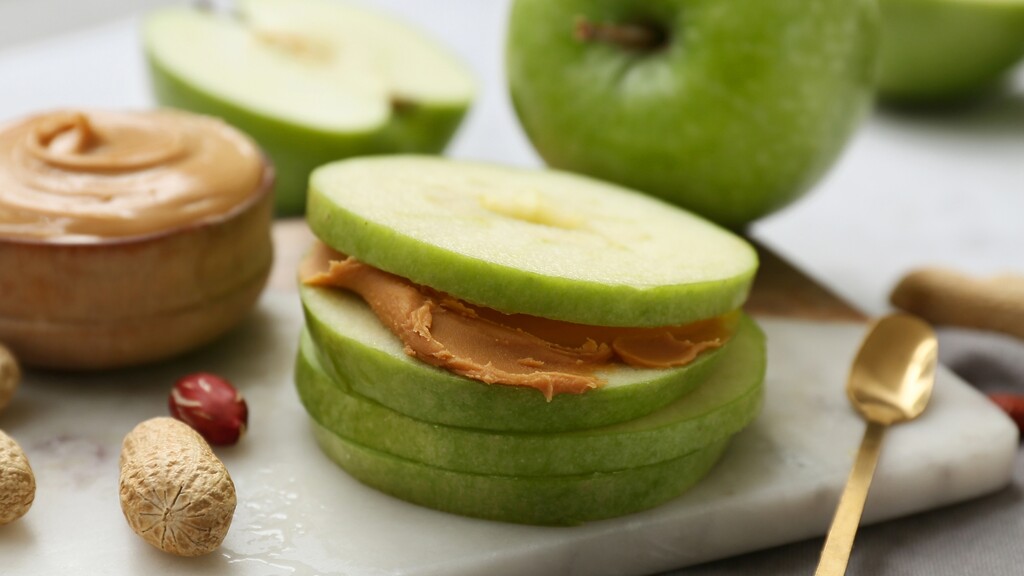
Instead, give your carbs some clothing. Pair an apple with a handful of almonds or a spoonful of peanut butter. Eat your crackers with a slice of cheese. Adding a source of fat or fiber slows down the digestive process, turning a sharp energy spike into a gentle rolling hill.
6. Enforce a 2:00 PM caffeine curfew
Caffeine lingers in the system much longer than we tend to realize. Even if you can physically fall asleep after an evening espresso, caffeine reduces the quality of deep sleep. Poor sleep directly impacts how your cells respond to insulin the very next morning. Cutting off caffeine by early afternoon protects your rest.
7. Add ground flaxseed to your day
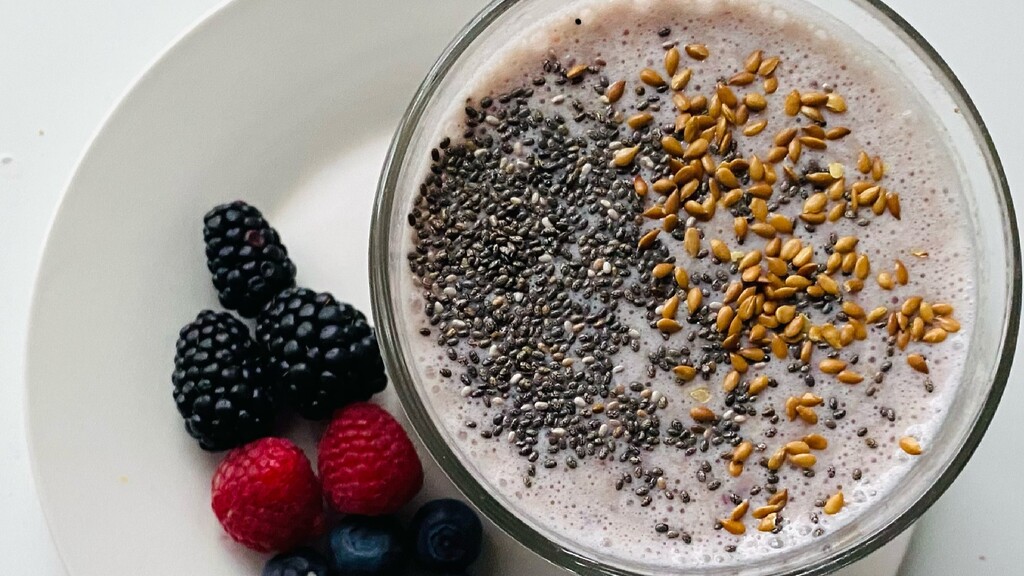
Flaxseeds contain lignans, which are plant compounds being studied for their effects on PCOS metabolic markers. They also add a great boost of fiber.
A quick, practical detail: always buy your flaxseed pre-ground, or grind it yourself, because whole flaxseeds pass right through the body undigested. Keep the ground bag in the refrigerator so the delicate oils don’t turn rancid, and sprinkle a tablespoon onto oatmeal, yogurt, or salads.
8. Swap the plastic food storage for glass
Certain chemicals found in plastics, like BPA and phthalates, are known as endocrine disruptors. They can mimic or block hormones in the body, which is the last thing we need when we are actively trying to find balance.
Replacing an entire kitchen cabinet of plastic storage is expensive and overwhelming. You don’t have to throw everything away today. Just start by refusing to heat your food in plastic. When you warm up leftovers, simply transfer them to a ceramic plate or a glass bowl first.
9. Create a 30-minute sensory wind-down
Cortisol should naturally drop in the evening, signaling to your body that it is safe to rest. Bright overhead lights, stressful emails, and loud television keep the nervous system on high alert.
Giving yourself a 30-minute buffer before sleep makes a profound difference. Dim the lamps, switch to a physical book, and let your nervous system realize the day is actually over.
10. Track your energy, not just the scale
When you live with PCOS, the bathroom scale is often a terrible metric for progress. Hormonal fluctuations and water retention can cause the number to jump around randomly, leading to intense frustration even when you are doing everything right.
I strongly believe you should stop weighing yourself daily. Instead, track the things that actually indicate your metabolism is healing. Are you waking up with less brain fog? Have your afternoon sugar cravings softened? Are your clothes fitting differently? Energy and mood are far more honest messengers than a piece of metal on the bathroom floor.
Common Questions About New Habits
Do I have to do all of these every single day?
Absolutely not. Trying to completely overhaul your life by Monday morning is a recipe for burnout. Pick the one habit that sounds the easiest, maybe buying a box of spearmint tea or having a spoonful of peanut butter with your afternoon apple. Do that until it requires zero mental effort, and only then consider adding another.
How long does it take to notice a difference?
Hormones take time to adjust. While you might notice steadier energy and fewer afternoon slumps within a week of balancing your blood sugar, deeper hormonal shifts (like clearer skin or more regular cycles) often take about three months to show up. Be patient with your body; it is doing the best it can. And as a reminder, I am a researcher sharing my personal experience, not a doctor. Always bring your questions to a trusted healthcare provider when making bigger changes.
The goal here isn’t perfection. It is simply about making choices that ask a little less of your system, so your body can finally take a deep breath.
Kristina Hanson is an independent wellness researcher and the founder of DailyZests. She specializes in translating nutritional science into simple, delicious recipes that fit into real life. When she isn’t in the kitchen, you’ll find her hiking the trails or enjoying a slow morning coffee with her Golden Retriever, Barnaby. Read her full story.



 This post may contain affiliate links.