You might be doing everything right, yet your body still feels unpredictable. The sudden mood dips, the skin breakouts that make no sense, and that heavy fatigue might not be a lack of willpower. Often, this frustration comes down to a quiet communication breakdown between your digestive system and your hormones.
A quick note before we start. I am a researcher sharing what worked for me and what current studies suggest, not a doctor prescribing a treatment. Always check with your healthcare provider before making major changes to your routine.
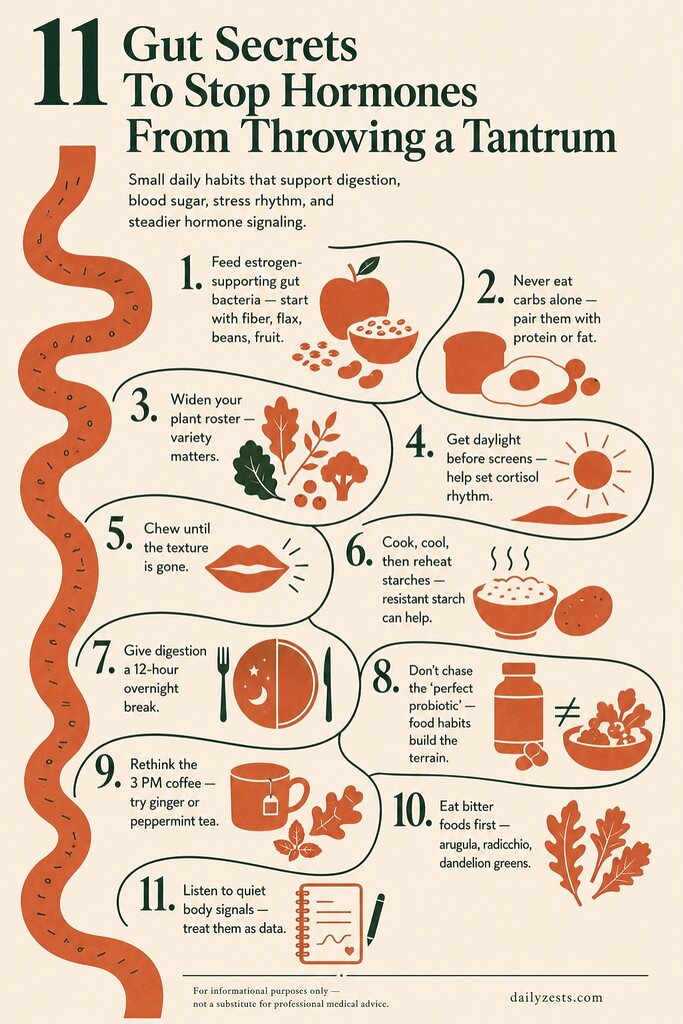
1. Feed the bacteria that manage your estrogen
There is a specific set of bacterial genes in your digestive tract that helps process and recirculate estrogen. Science calls this the research on the estrobolome. When your digestion is sluggish, this clearance can become less efficient. Some estrogen that should be leaving your body can end up re-entering your bloodstream.
This recycling process may be one piece of the hormone puzzle, but heavy cycles and mood swings can also have many causes. To support this cleanup crew, they need fiber. If a big bowl of beans feels intimidating, start small. Toss a spoonful of ground flax meal into your standard oatmeal or add half an apple to your afternoon snack.
2. Stop eating naked carbohydrates
Eating a carbohydrate by itself can send your blood sugar up quickly. Your body responds by flooding your system with insulin to bring that sugar back down. When I was first trying to untangle my own PCOS symptoms, this specific rollercoaster was my biggest hurdle. My hormones were sending desperate signals, but my system was too flooded with insulin to hear them.
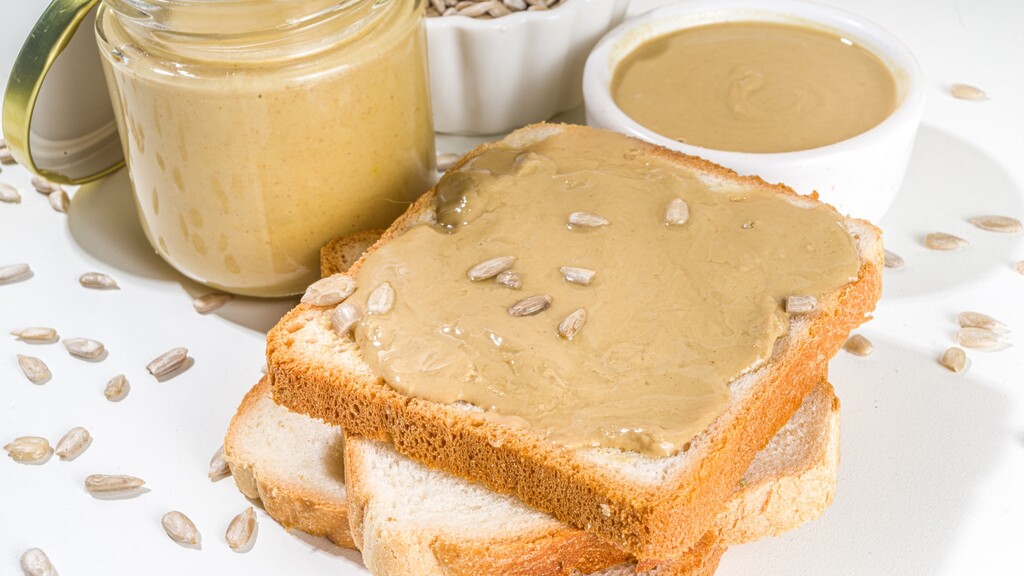
You do not have to give up the foods you enjoy. Just dress them up. Pair that morning toast with a smear of almond butter or an egg. Add a handful of walnuts to your fruit. Fat and protein act like a speed bump, slowing down the release of sugar and helping insulin rise in a calmer pattern.
3. Widen your plant roster
Most of us rotate through the same five vegetables every week. Spinach, carrots, broccoli, onions, and maybe tomatoes. Your gut microbes thrive on variety, not just volume. Different bacteria prefer different types of plant fibers, and a diverse microbiome is much better at keeping inflammation low.
Try picking up one unfamiliar vegetable or herb during your next grocery trip. Radishes, parsley, fennel, or a different type of squash. Even spices count toward your plant diversity. A pinch of cinnamon in your coffee or fresh dill on your eggs gives those microbes new materials to work with, echoing research on plant variety.
4. Step outside before you look at a screen
Light helps set your circadian rhythm, which helps regulate cortisol. Cortisol is your main stress hormone, and it directly impacts your digestion. If you wake up and immediately stare at the artificial light of a phone, it can blur the clean morning signal your body uses to set its day.
I like to take my morning coffee out to the porch with my dog, Barnaby, before checking a single email. Just ten minutes of natural daylight soon after waking signals to your brain that it is morning. A steadier morning signal can make it easier for your body to wind down later, giving digestion a better chance to rest overnight.
5. Chew until the texture is gone
Your stomach does not have teeth. This sounds obvious, but it is the easiest thing to forget when you are eating lunch over a keyboard. Digestion begins in the mouth, where enzymes in your saliva start breaking down food. If you swallow large pieces of food, your stomach has to work overtime, leading to bloating and stress on your system.
The habit of chewing your food until it is almost liquid can feel incredibly tedious at first. You will probably catch yourself swallowing too early. Just notice it and try again on the next bite. It is completely free and makes a massive difference in how you feel after a meal.
6. Cook, cool, and reheat your potatoes
Starchy foods like potatoes and rice change their chemical structure when you cook them and let them cool in the fridge overnight. They develop something called research on resistant starch. This type of starch resists normal digestion and travels all the way to your lower intestine, where it becomes prime food for beneficial bacteria.
Okay, with one caveat. If you hate the texture of leftover potatoes, you do not have to force this. But if you already meal prep, cooking your rice a day early is a beautifully passive way to support your gut.
7. Give your digestion an overnight break
Your digestive tract has a built-in cleaning cycle called the migrating motor complex. It sweeps leftover food and bacteria downward, keeping your system clear. The catch is that this sweeping motion only happens when you are not actively digesting food.
Closing the kitchen after dinner and giving your body a 12-hour break before breakfast gives this cleaning cycle time to run. It requires no special drinks or supplements. It is just a quiet pause that lets your body do what it already knows how to do.
8. Let go of the perfect probiotic illusion
There is a very common worry that if you just find the exact right probiotic pill, all your digestive and hormonal problems will vanish. I have spent too much money on refrigerated bottles hoping for a quick fix. Supplements can be helpful, but they are visitors in your system. The environment you build with your daily meals decides if those visitors can actually stick around and help.
9. Rethink the afternoon caffeine reach
When energy slumps around 3 PM, coffee feels like the only logical answer. The problem is that caffeine can raise cortisol. If you are already running on a stressed system, that afternoon cup can affect blood sugar and keep your nervous system wired well into the evening.
If you genuinely enjoy the ritual of a warm drink in the afternoon, try swapping it for peppermint or ginger tea. Ginger can feel soothing to the digestive tract, while peppermint works for some people but may bother reflux; both still give you the warm-drink ritual without the chemical push.
10. Eat the bitter foods first
Bitter flavors stimulate your digestion. When bitter compounds hit taste receptors, they can nudge gastric acid and other digestive signals into motion. A salad with arugula, radicchio, or dandelion greens eaten before your main meal primes your body to break down the heavier proteins and fats that follow.
A simple dressing of olive oil and lemon juice over bitter greens is a cornerstone of Mediterranean cooking for good reason. It prepares the system.
11. Listen to the quiet signals
Your body rarely throws a tantrum without whispering first. The slight bloating after certain meals, the dull headache, or the afternoon exhaustion are all pieces of information. Instead of treating these signals as annoyances to push through, treat them as data.
If a specific food constantly makes you feel heavy and tired, it does not matter if it is universally considered healthy. Your body is telling you how it handles that ingredient right now. Give yourself permission to make choices based on how you actually feel, rather than how a label says you should feel.
Start with one small shift tomorrow morning, like adding a little fat to your breakfast or taking your coffee by a window. The goal is steady support, not a perfect scorecard.
Kristina Hanson is an independent wellness researcher and the founder of DailyZests. She specializes in translating nutritional science into simple, delicious recipes that fit into real life. When she isn’t in the kitchen, you’ll find her hiking the trails or enjoying a slow morning coffee with her Golden Retriever, Barnaby. Read her full story.



 This post may contain affiliate links.