Changing your diet for blood sugar control often feels like memorizing a restrictive rulebook. You do not have to give up every favorite meal to find stability. Building a plate that supports your health is much easier once you understand how certain ingredients actually behave in your body.
I spent years dreading the middle of the afternoon. The 3 PM crash was a daily event that left me exhausted, reaching for whatever quick snack was sitting in the pantry. It was only after I began researching insulin resistance that I understood what was happening. My meals were creating massive spikes in my blood sugar, and my body was responding with an equally massive crash.
Food is not the enemy. It is simply information that tells your metabolism what to do next. When we choose ingredients that digest slowly and provide steady energy, our bodies respond with a quiet consistency.
A quick reminder before we look at the specific foods. I share what research and my own daily life have taught me, but I am an independent researcher, not a doctor. Always check with your medical team before making significant changes to your management plan.
The Ingredients That Keep You Steady
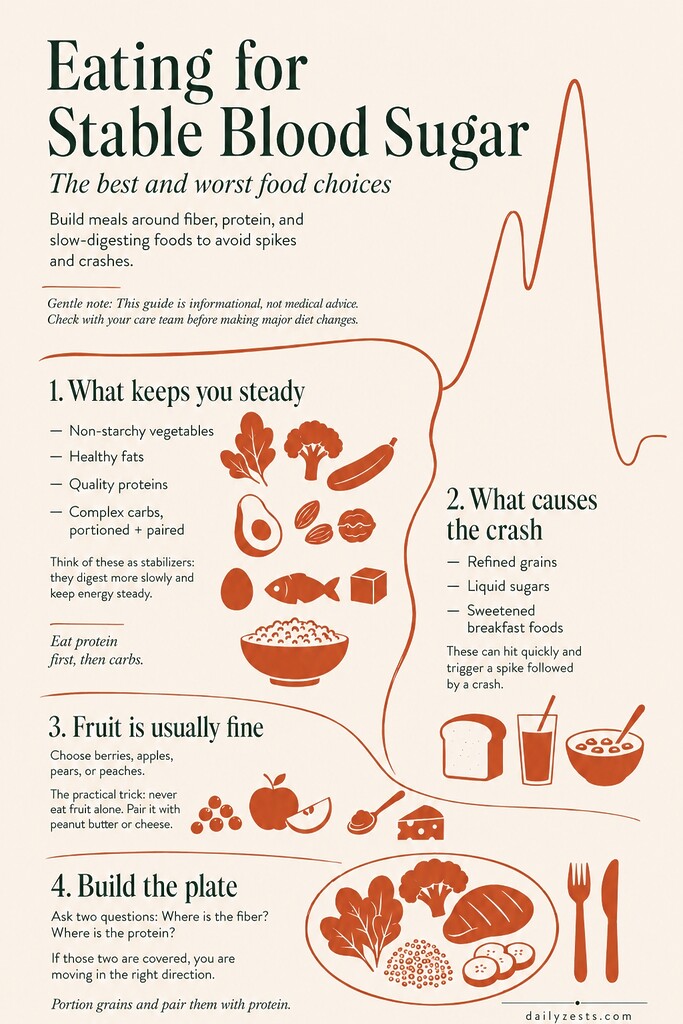
The foundation of your meals should rely on foods that process slowly. These are the items that keep you full without sending your glucose levels skyrocketing. You can think of them as the stabilizers.
Non-Starchy Vegetables
These are the unquestioned heroes of any blood sugar strategy. Spinach, broccoli, cauliflower, zucchini, and leafy greens are packed with vitamins and bulk but contain very few carbohydrates. The fiber in these vegetables acts as a physical barrier in your digestive tract, slowing down the absorption of whatever else you eat with them.
Healthy Fats
Fat does not raise blood sugar the way carbohydrates do. When you eat it with carbohydrates, it can slow stomach emptying and change the shape of the spike. Olive oil, avocados, nuts, and seeds are incredibly supportive. I almost always keep a small handful of almonds resting in a blue ceramic bowl on my desk. If I need a snack, the fat and protein in the almonds keep me perfectly level until dinner.
Quality Proteins
Like fat, protein digests slowly and has a minimal impact on your glucose levels. Chicken, turkey, eggs, tofu, fish, and Greek yogurt provide the satiety you need. Eating your protein first during a meal before you touch your carbohydrates is a simple structural habit that many find highly effective for flattening a post-meal spike.
Complex Carbohydrates
Whole grains like quinoa, farro, and steel-cut oats are widely recommended for sustained energy. Actually, that requires a slight correction. They are only helpful if you portion them well and eat them alongside protein. A massive bowl of plain brown rice can still cause a significant spike if eaten completely on its own.
The Culprits Behind the Crash
Some foods hit your bloodstream like a freight train. They require almost no breakdown by your digestive system, meaning the glucose floods your body all at once.
Refined Grains
White bread, white pasta, pastries, and traditional baked goods usually have much of their fiber and many nutrients reduced during processing. Your body treats a slice of white bread almost exactly the same way it treats a spoonful of table sugar. If you love pasta or bread, look for varieties made from chickpeas, lentils, or whole sprouted grains.
Liquid Sugars
Sweetened sodas and sweet teas are obvious problems, but fruit juice often catches people off guard. Juice is simply fruit with the fiber removed. Without that fibrous structure, the natural sugars enter your system with nothing to slow them down. Drinking a large glass of orange juice can cause a rapid shift in your numbers, especially if you drink it on its own. Whole fruit is usually the better everyday choice.
Sweetened Breakfast Foods
Breakfast is often the trickiest meal of the day. You might be reading this and wondering if you have to give up your morning routine entirely. You do not, but you do need to read labels. Most boxed cereals, flavored instant oatmeals, and yogurts with fruit on the bottom are hiding astonishing amounts of added sugar. Starting your day with a massive glucose spike sets you up for a rollercoaster of cravings that lasts until bedtime.
What About Fruit?
This is a major source of confusion. Many people are told to avoid fruit entirely when managing diabetes, which is highly restrictive and often unnecessary. Berries are fantastic choices because they are loaded with fiber and relatively low in sugar. Apples, pears, and peaches are also highly supportive.
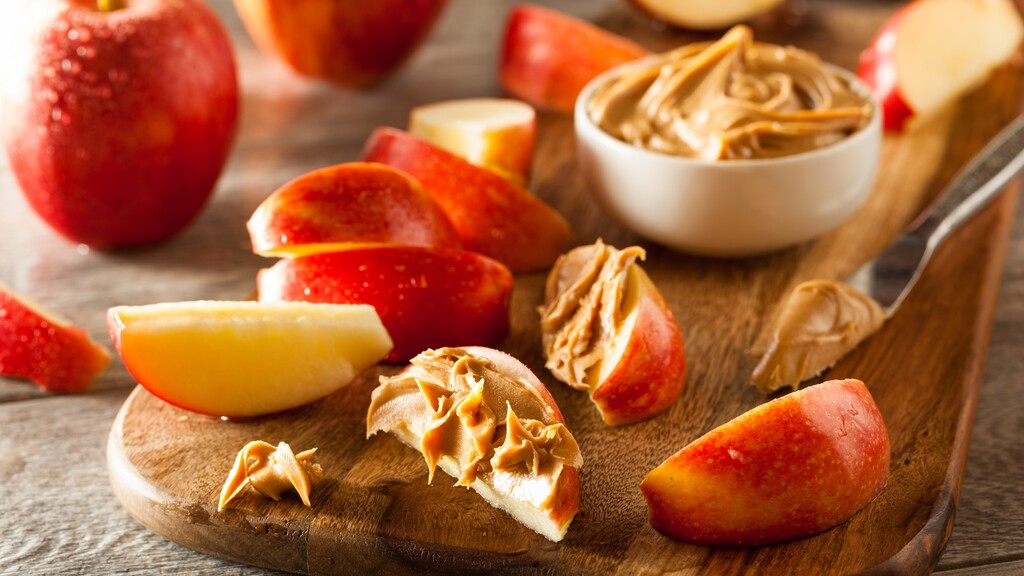
The practical secret is to never eat fruit naked. If you want an apple, slice it up and pair it with a heavy spoonful of peanut butter or a slice of cheese. The fat from the peanut butter will slow the digestion of the apple.
Putting the Pieces Together
It is much easier to focus on what you can add to your plate rather than what you have to remove. When you look at a meal, ask yourself where the fiber is and where the protein is. If you have those two elements covered, you are already moving in the right direction.
You will learn exactly how your body responds over time. Some people handle sweet potatoes beautifully, while others notice a sharp rise. Paying attention to how you feel and, if you monitor, what your numbers look like two hours after a meal will tell you much more than guesswork.
Kristina Hanson is an independent wellness researcher and the founder of DailyZests. She specializes in translating nutritional science into simple, delicious recipes that fit into real life. When she isn’t in the kitchen, you’ll find her hiking the trails or enjoying a slow morning coffee with her Golden Retriever, Barnaby. Read her full story.
Okay, so I get the whole ‘ditch the white bread’ thing, but seriously, life without a good cookie now and then? That’s just cruel! Also, is it just me, or does anyone else feel like they need a PhD in nutrition just to figure out what to eat? I swear, one minute avocados are good, the next they’re the devil’s fruit. I’m trying, I really am, but sometimes a girl just needs some comfort food. Is there any hope for a reformed sugar addict like me?
Amelia, I hear you! Believe me, I understand the cookie cravings. The good news is, you absolutely can have a cookie now and then! It’s all about moderation and making smart choices most of the time so that when you do indulge, it’s not sending your blood sugar into orbit. As for the avocado confusion, you’re not alone. Nutritional advice seems to change faster than fashion trends! The key is to focus on whole, unprocessed foods as much as possible, and don’t get too bogged down in the minutiae. And hey, there are tons of amazing “healthified” dessert recipes out there that use things like almond flour and natural sweeteners. We can swap some recipes if you like! There’s definitely hope for you, Brenda! Small changes over time can make a big difference. Keep up the good work!
This article is helpful, but it all feels so…restrictive. Like I’m being told what I can’t eat all the time. Plus, who has time to cook elaborate meals every day? I work full-time and have two kids – meal prep for me often involves the drive-thru. And don’t even get me started on ‘mindful eating.’ How am I supposed to be mindful when I’m inhaling my salad in between meetings? Is there a realistic way to make this work for busy people, or are we all just doomed?
Harper, you’re speaking for so many people! It’s true, this can feel overwhelming, especially with a busy schedule. But ‘restrictive’ is the last thing I want this to be. Think of it as ‘smart choices’ instead. And you’re right, elaborate meals aren’t always realistic. The good news is, healthy eating with diabetes doesn’t have to be complicated. Simple swaps can make a big difference – like choosing grilled chicken instead of fried at the drive-thru or grabbing a salad with grilled chicken if you’re pressed for time. As for mindful eating – haha, I know, it sounds a bit ‘woo-woo’ when you’re on the go! But even just taking a few deep breaths before you eat and paying attention to the taste and texture of your food (even if it’s just for a minute or two) can be beneficial. It’s about finding what works for you and your lifestyle. You’re definitely not doomed, Tiffany! Small steps are the key. Maybe start with one meal a day or even one snack a day where you consciously make a healthier choice. You’ve got this!
Wow, this article is comprehensive, but also a little overwhelming! I’ve been trying to get my blood sugar under control, but honestly, it feels like a full-time job. They say to avoid processed snacks, but sometimes a girl just needs a cookie, you know? Is there any room for a little indulgence, or do I have to say goodbye to all my favorite treats forever? Also, I hate fish. Can I still get enough omega 3 with my other foods? I appreciate all this info, but it would be nice to see a little more about how to make this sustainable in the real world.
Ashley, I hear you! It definitely can feel like a lot to take in. You’re totally right, it’s about finding balance. You don’t have to banish all treats forever. The key is moderation and mindful indulgence. Maybe choose a smaller portion of your favorite cookie, or pair it with a handful of nuts to help balance out the sugar. As for the fish, if you hate it, don’t force yourself! You can get omega-3s from other sources like flaxseeds, chia seeds, and walnuts. Maybe try sprinkling some ground flaxseed on your oatmeal or adding chia seeds to a smoothie. The “real world” part is the most important. It’s about finding what works for YOU and making small, sustainable changes over time. Keep experimenting, and don’t be afraid to ask for help from a dietitian or diabetes educator if you need more personalized guidance!
Okay, I laughed out loud at ‘Dairy Dilemmas.’ So true! I love cheese, but I know it’s not the best for me. Are there any lower-fat cheeses that are actually, you know, edible? Also, this article mentions stress a few times. Like, duh, life is stressful! Are there any practical tips for managing stress that don’t involve meditating on a mountaintop for hours? I have a job and kids, I don’t have time for all that!
Jennifer, I’m glad you got a chuckle out of that! Cheese can be a tough one. There are definitely some decent lower-fat options. Look for part-skim mozzarella, feta (in moderation), or even some of the lighter versions of your favorite cheeses. They might not be exactly the same, but they can still satisfy that cheesy craving. And yes, stress! Who has time to become a Zen master when you’re juggling work and kids? Practical tips are key. Try taking a few deep breaths throughout the day, even if it’s just for a minute or two. Listening to calming music, taking a quick walk outside, or even just laughing with your kids can help. Even five minutes of mindful movement like stretching or a quick yoga video can make a difference. The important thing is to find small, manageable things that you can actually incorporate into your busy day. Small moments of stress relief add up!



 This post may contain affiliate links.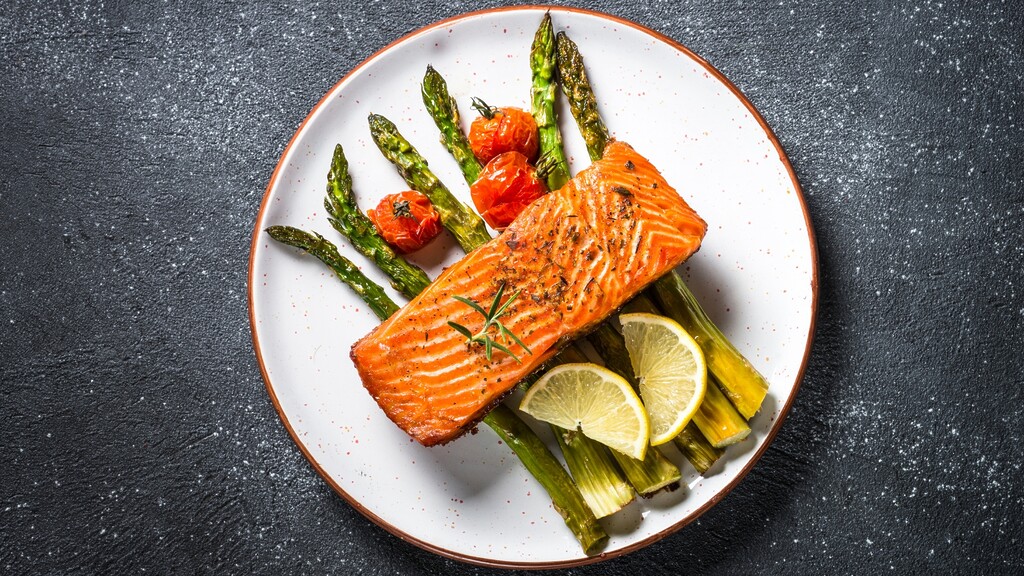







Okay, so I get the whole ‘ditch the white bread’ thing, but seriously, life without a good cookie now and then? That’s just cruel! Also, is it just me, or does anyone else feel like they need a PhD in nutrition just to figure out what to eat? I swear, one minute avocados are good, the next they’re the devil’s fruit. I’m trying, I really am, but sometimes a girl just needs some comfort food. Is there any hope for a reformed sugar addict like me?
Amelia, I hear you! Believe me, I understand the cookie cravings. The good news is, you absolutely can have a cookie now and then! It’s all about moderation and making smart choices most of the time so that when you do indulge, it’s not sending your blood sugar into orbit. As for the avocado confusion, you’re not alone. Nutritional advice seems to change faster than fashion trends! The key is to focus on whole, unprocessed foods as much as possible, and don’t get too bogged down in the minutiae. And hey, there are tons of amazing “healthified” dessert recipes out there that use things like almond flour and natural sweeteners. We can swap some recipes if you like! There’s definitely hope for you, Brenda! Small changes over time can make a big difference. Keep up the good work!
This article is helpful, but it all feels so…restrictive. Like I’m being told what I can’t eat all the time. Plus, who has time to cook elaborate meals every day? I work full-time and have two kids – meal prep for me often involves the drive-thru. And don’t even get me started on ‘mindful eating.’ How am I supposed to be mindful when I’m inhaling my salad in between meetings? Is there a realistic way to make this work for busy people, or are we all just doomed?
Harper, you’re speaking for so many people! It’s true, this can feel overwhelming, especially with a busy schedule. But ‘restrictive’ is the last thing I want this to be. Think of it as ‘smart choices’ instead. And you’re right, elaborate meals aren’t always realistic. The good news is, healthy eating with diabetes doesn’t have to be complicated. Simple swaps can make a big difference – like choosing grilled chicken instead of fried at the drive-thru or grabbing a salad with grilled chicken if you’re pressed for time. As for mindful eating – haha, I know, it sounds a bit ‘woo-woo’ when you’re on the go! But even just taking a few deep breaths before you eat and paying attention to the taste and texture of your food (even if it’s just for a minute or two) can be beneficial. It’s about finding what works for you and your lifestyle. You’re definitely not doomed, Tiffany! Small steps are the key. Maybe start with one meal a day or even one snack a day where you consciously make a healthier choice. You’ve got this!
Wow, this article is comprehensive, but also a little overwhelming! I’ve been trying to get my blood sugar under control, but honestly, it feels like a full-time job. They say to avoid processed snacks, but sometimes a girl just needs a cookie, you know? Is there any room for a little indulgence, or do I have to say goodbye to all my favorite treats forever? Also, I hate fish. Can I still get enough omega 3 with my other foods? I appreciate all this info, but it would be nice to see a little more about how to make this sustainable in the real world.
Ashley, I hear you! It definitely can feel like a lot to take in. You’re totally right, it’s about finding balance. You don’t have to banish all treats forever. The key is moderation and mindful indulgence. Maybe choose a smaller portion of your favorite cookie, or pair it with a handful of nuts to help balance out the sugar. As for the fish, if you hate it, don’t force yourself! You can get omega-3s from other sources like flaxseeds, chia seeds, and walnuts. Maybe try sprinkling some ground flaxseed on your oatmeal or adding chia seeds to a smoothie. The “real world” part is the most important. It’s about finding what works for YOU and making small, sustainable changes over time. Keep experimenting, and don’t be afraid to ask for help from a dietitian or diabetes educator if you need more personalized guidance!
Okay, I laughed out loud at ‘Dairy Dilemmas.’ So true! I love cheese, but I know it’s not the best for me. Are there any lower-fat cheeses that are actually, you know, edible? Also, this article mentions stress a few times. Like, duh, life is stressful! Are there any practical tips for managing stress that don’t involve meditating on a mountaintop for hours? I have a job and kids, I don’t have time for all that!
Jennifer, I’m glad you got a chuckle out of that! Cheese can be a tough one. There are definitely some decent lower-fat options. Look for part-skim mozzarella, feta (in moderation), or even some of the lighter versions of your favorite cheeses. They might not be exactly the same, but they can still satisfy that cheesy craving. And yes, stress! Who has time to become a Zen master when you’re juggling work and kids? Practical tips are key. Try taking a few deep breaths throughout the day, even if it’s just for a minute or two. Listening to calming music, taking a quick walk outside, or even just laughing with your kids can help. Even five minutes of mindful movement like stretching or a quick yoga video can make a difference. The important thing is to find small, manageable things that you can actually incorporate into your busy day. Small moments of stress relief add up!