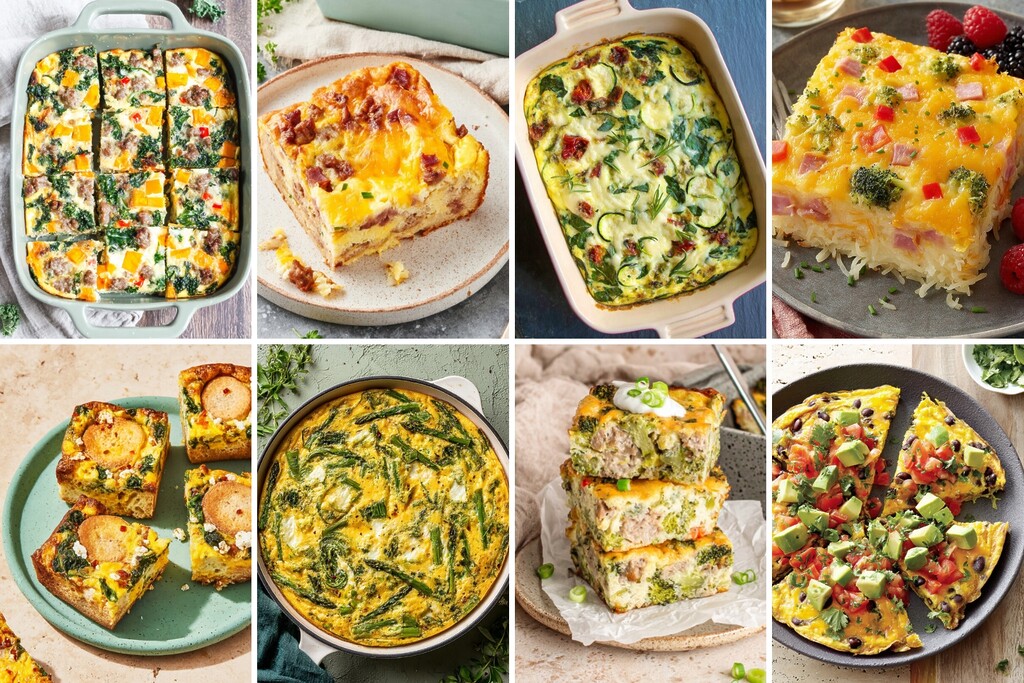
A morning that starts with a sharp blood sugar spike is not the start I want for the day. I learned that the hard way when figuring out my own insulin resistance. The fix was shifting to breakfasts built around protein and vegetables rather than quick carbohydrates. These sixteen diabetes-friendly breakfast casserole recipes make that transition incredibly simple, especially since you can bake them once and eat well all week.
A quick note: these recipes are selected for a carbohydrate-conscious morning plan, but this is not medical or nutritional advice. Individual needs and tolerances vary widely, so please consult your own doctor or registered dietitian to find what works best for your body.
Why a Breakfast Casserole Fits a Carbohydrate-Conscious Morning
The goal of a diabetes-friendly morning meal is avoiding the sharp glucose rise that often follows traditional breakfast foods. A baked egg casserole naturally limits refined carbohydrates while delivering a solid foundation of protein. Research suggests that starting the day with adequate protein can help support steadier blood sugar levels for hours afterward. The American Diabetes Association often highlights eggs and non-starchy vegetables as excellent choices for managing daily carbohydrates. By relying on ingredients like spinach, turkey sausage, and bell peppers, these bakes deliver real volume and flavor without leaning on bread or potatoes.
The Weekend Meal Prep Routine
Making breakfast from scratch every day is rarely realistic. I usually spend a quiet Sunday morning chopping vegetables for a frittata while my golden retriever Barnaby sleeps under the kitchen table. Once baked and cooled, you can slice the casserole into individual portions. Store them in airtight containers in the fridge for up to four days. A quick reheat in the microwave, until the center reaches 165°F, is all it takes to warm a slice on a busy Tuesday.
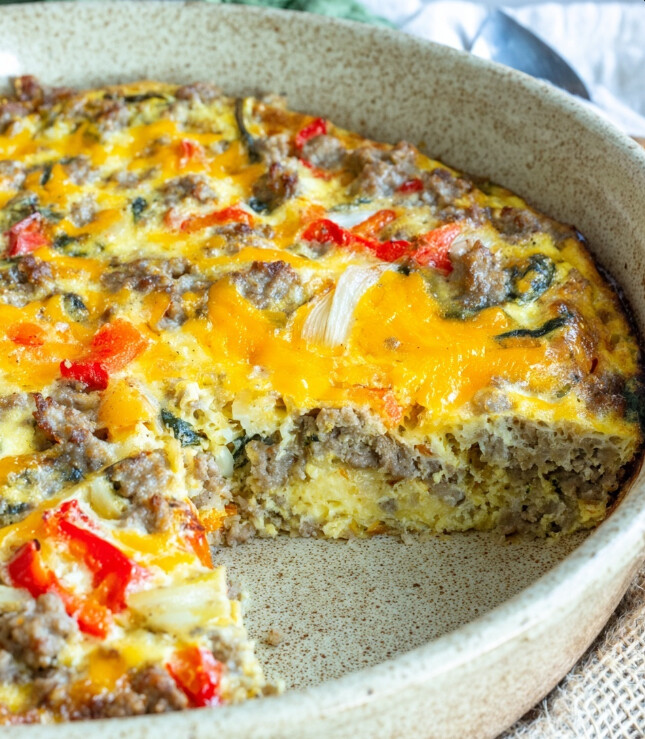
Zucchini and spinach bring natural moisture to this fluffy vegetable bake. The Colby-Jack cheese melts into a golden crust on top. I love dicing the peppers fairly small so every bite has a bit of crunch. Since the carbohydrate count is minimal, you might pair a slice with a small handful of berries.
🕒 Total Time: 55 Minutes
1g Fiber •2.5g Net Carbs • 9.5g Protein • 155 kcal
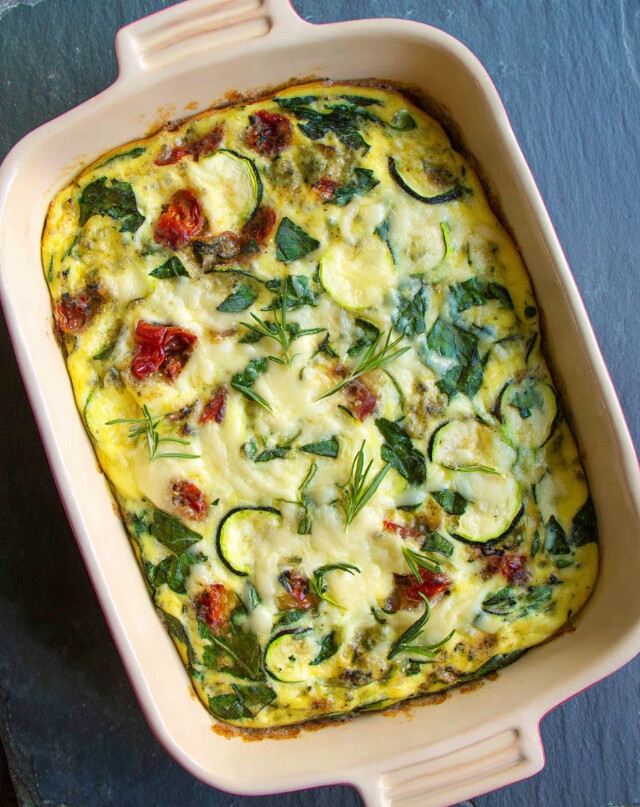
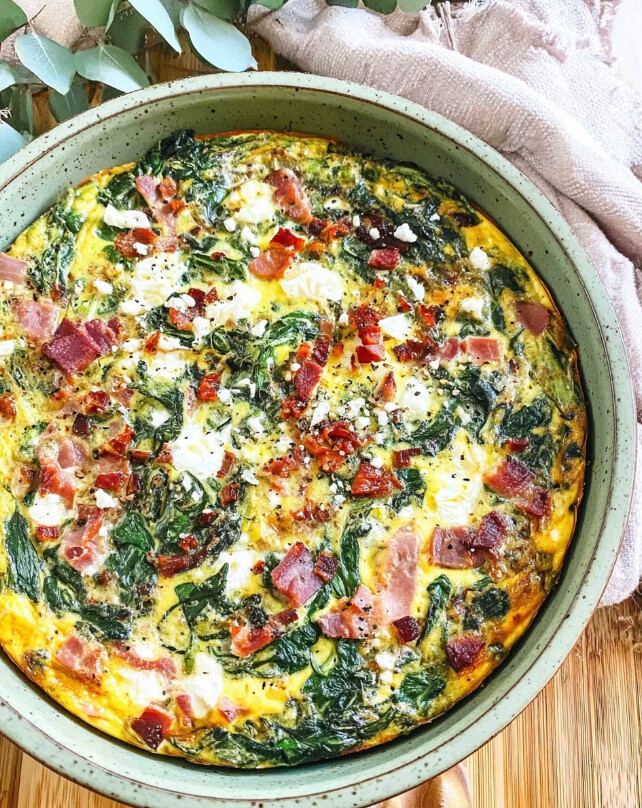
Fresh herbs completely change the profile of a simple egg dish. This lighter casserole layers tomatoes and mozzarella for a bright, Italian-inspired flavor. The spinach cooks down significantly in the oven, meaning you get a generous portion of greens without feeling like you are eating a salad for breakfast.
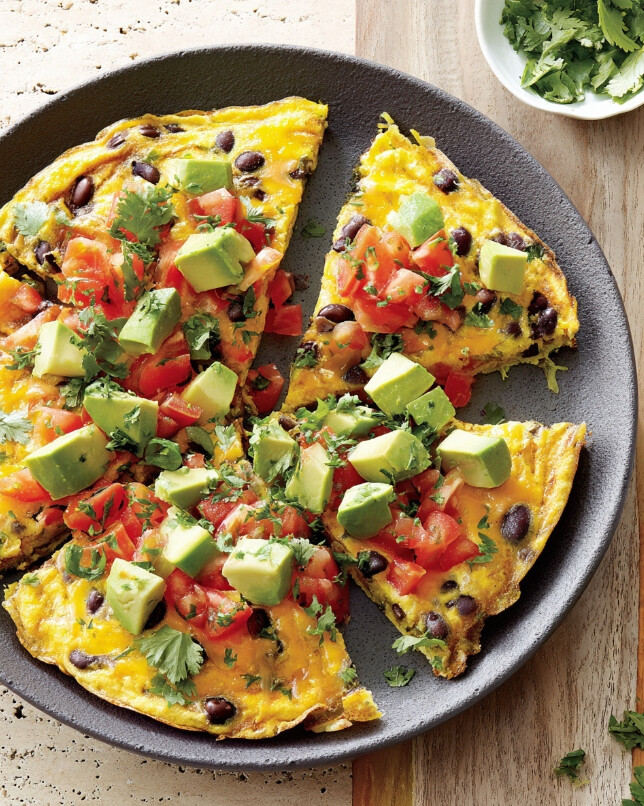
A cast-iron pan holds the sear where a nonstick steams, which makes all the difference for this quick ten-minute meal. Black beans add a solid source of fiber alongside the eggs and avocado. This works beautifully when you need a hot meal but only have a few minutes to spare.
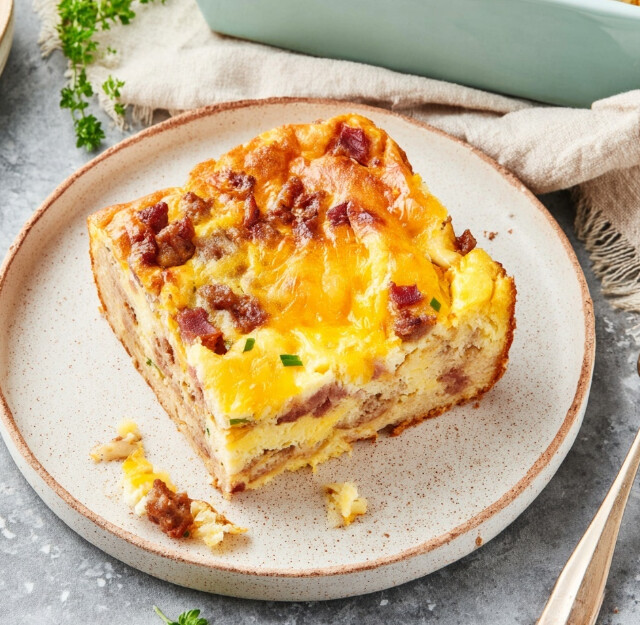
Whole wheat bread forms the base of this comforting strata, soaking up the egg mixture as it bakes. Turkey sausage brings robust savory notes without the heaviness of traditional pork. Letting the unbaked dish rest in the fridge overnight ensures the bread fully absorbs the liquid for the best texture.
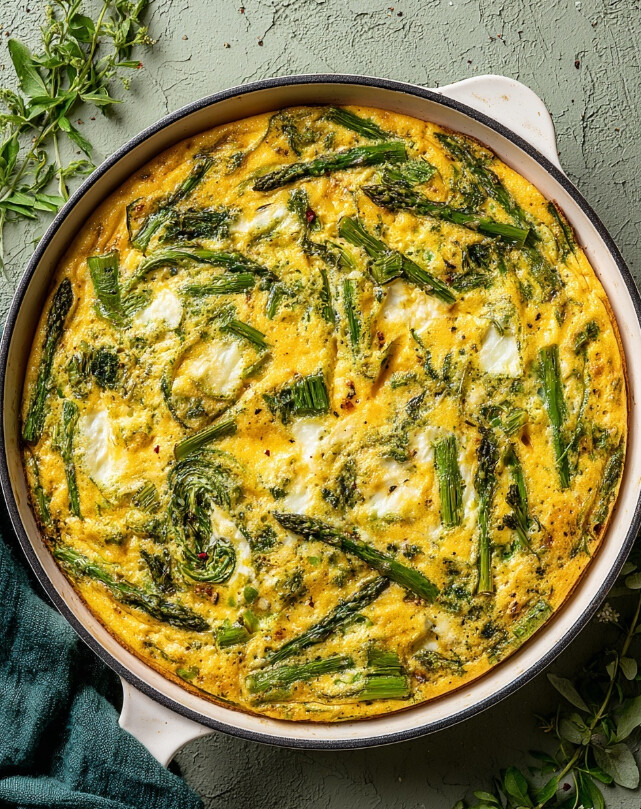
Tender asparagus spears and crisp bok choy make an unexpected but delicious combination. This cheese-topped frittata comes together in a flash using an egg substitute. It sits very low in carbohydrates naturally, so a side of sliced tomatoes balances the plate nicely.
Quinoa steps in for traditional grains here, offering a pleasant chew and sustained energy. The feta and cottage cheese blend into a creamy, tangy background for the vegetables. With twenty grams of net carbs, this bake sits slightly higher than the others, making it a great option for mornings when you plan on taking a long walk.
Smoked paprika gives this garden casserole a deep, rustic flavor before you even take a bite. The cottage cheese melts invisibly into the eggs, creating a surprisingly creamy texture that holds up well in the fridge. Kale retains its structure better than spinach when reheated later in the week.
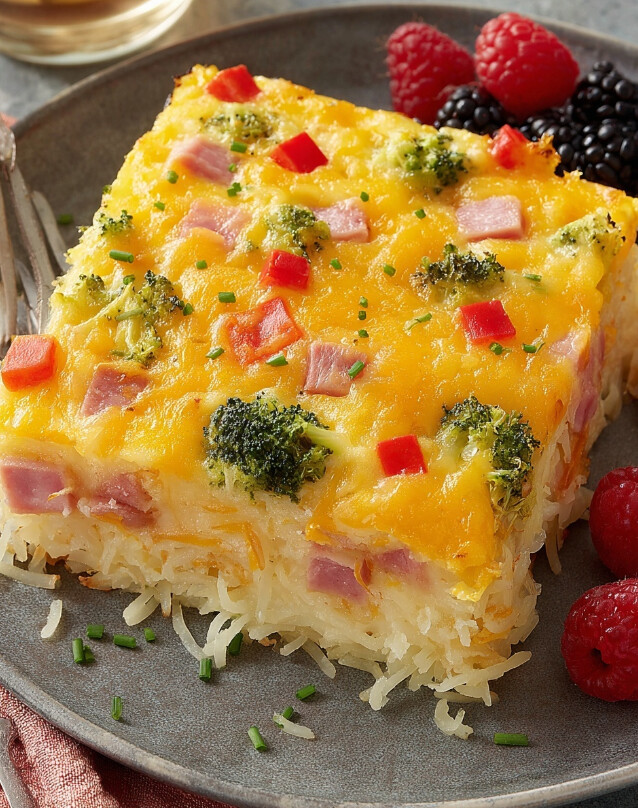
Hash browns create a hearty foundation for this classic combination. Broccoli florets soften just enough in the oven while the cheddar binds everything together. I once ran out of cheddar and discovered that shredded Swiss works just as well. The broccoli delivers a modest bump in dietary fiber.
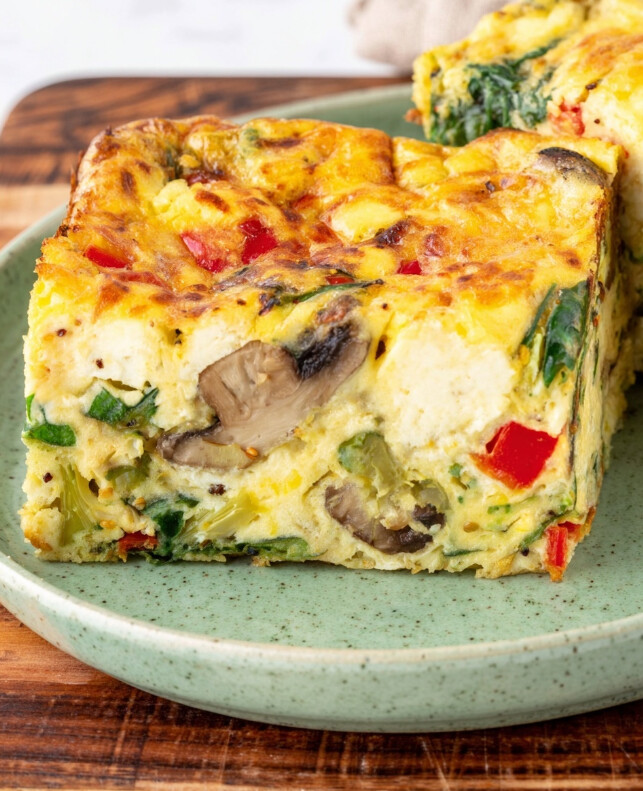
A single sheet pan provides maximum surface area for the Gruyère to brown and crisp. Mushrooms and bell peppers roast directly alongside the eggs for a concentrated flavor. Keep an eye on the oven around the twenty-minute mark, as a thinner layer of egg sets much faster than a deep baking dish.
🕒 Total Time: 40 Minutes
under 1g Fiber •2g Net Carbs •17g Protein • 192 kcal
English muffins absorb the seasoned egg and cream cheese mixture for a truly substantial meal. Sun-dried tomatoes offer intense, concentrated bites of sweetness against the salty feta. This recipe yields a generous amount of protein to help keep hunger away well into the afternoon.
A loose, almost-pudding center makes this cottage cheese bake feel genuinely decadent. Red onions and peppers provide a sharp contrast to the rich mozzarella topping. Pulling the pan out a minute early prevents the edges from drying out as it finishes cooking on the counter.
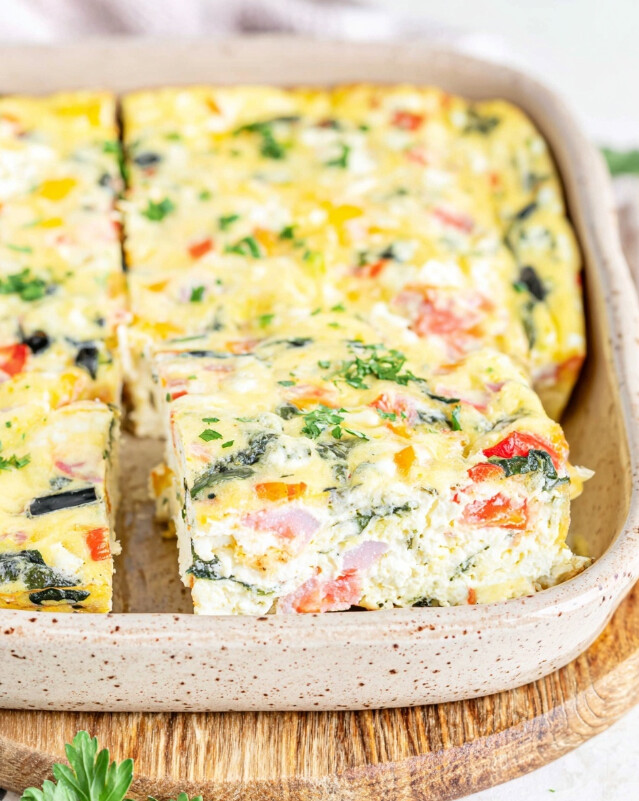
Dried herbs permeate the eggs beautifully while baking, especially when paired with salty ham and feta. This Mediterranean-inspired dish requires very little prep work. The ingredient list naturally leans low in carbohydrates, allowing the savory flavors of the meat and cheese to stand out.
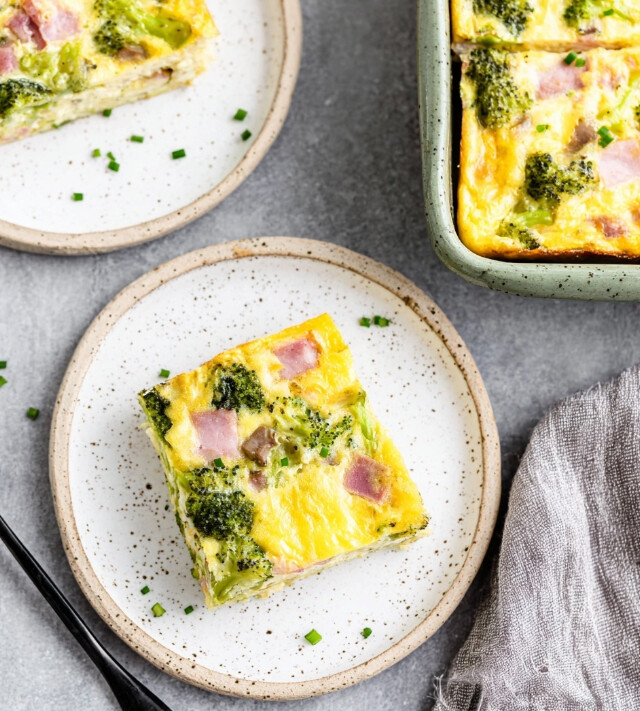
Classic flavors never really go out of style. This comforting bake combines tender broccoli with ham and peppers for a familiar morning staple. Chopping the broccoli very fine ensures it cooks evenly alongside the onions. The protein from the eggs and cheddar offers a solid start to any day.
🕒 Total Time: 50 Minutes
1.5g Fiber •4.5g Net Carbs •18g Protein • 210 kcal
Sage brings an earthy aroma to this vegetable and turkey casserole that smells wonderful in the oven. The bell peppers add a pop of color and slight sweetness to balance the sharp cheddar. It took a few tries to get the timing right, and dropping the oven heat slightly ensures the center sets perfectly without the bottom burning.
🕒 Total Time: 1 hour
under 1g Fiber •3g Net Carbs •26g Protein • 226 kcal
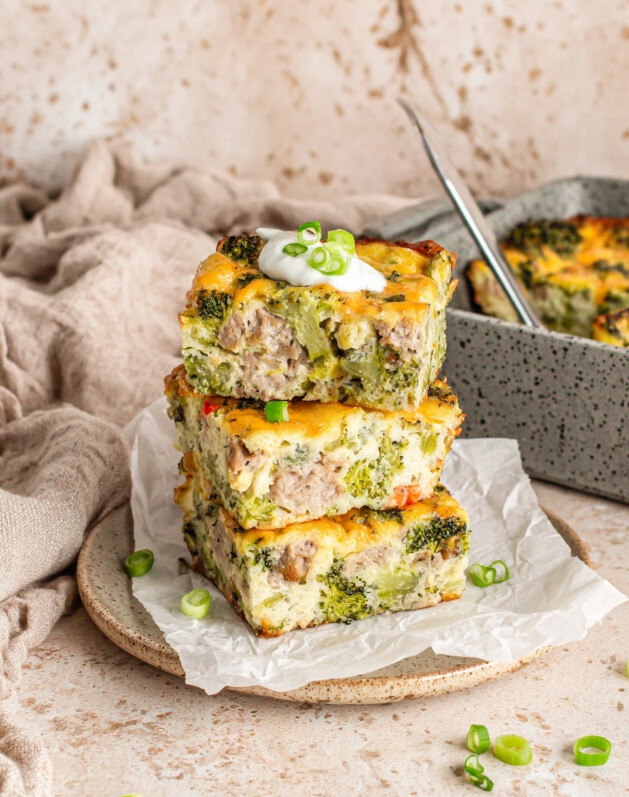
A highly dependable make-ahead option that holds its texture all week long. Turkey sausage and broccoli provide a sturdy, filling base under the eggs. Draining any excess liquid from the cooked vegetables before mixing them in prevents the final dish from turning watery, keeping the flavors tightly concentrated.
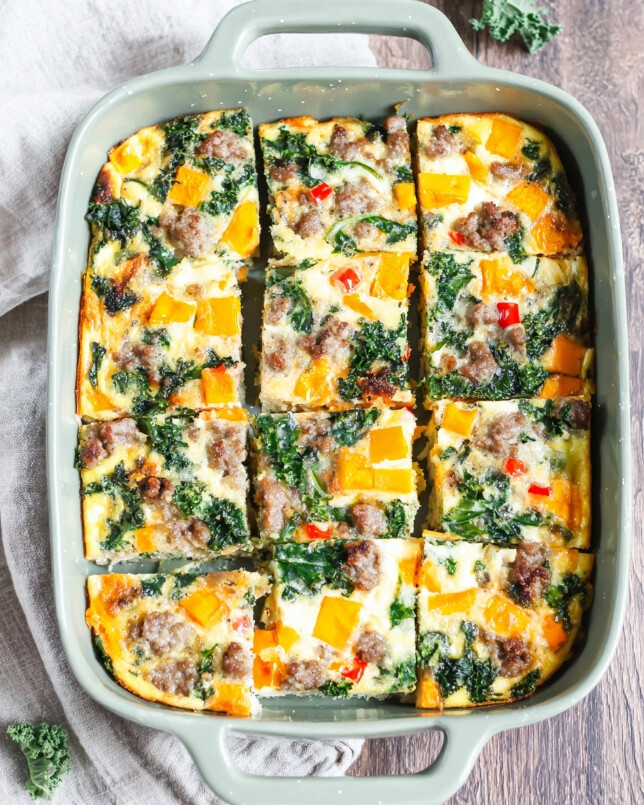
Sweet potatoes offer a gentle, complex carbohydrate source that pairs wonderfully with savory turkey sausage. The kale turns slightly crisp on the top layer while softening underneath. This is the exact meal I reach for on days when I know lunch will be delayed.
Most egg casseroles freeze reasonably well if they do not contain large amounts of dairy like cottage cheese. Wrap individual slices tightly in foil and place them in a freezer bag. Thaw them in the refrigerator overnight before reheating.
How do I prevent the bottom from burning?
Baking in a glass or ceramic dish distributes heat more evenly than dark metal pans. If your oven runs hot, lowering the temperature slightly and baking a few minutes longer can help the center set without overcooking the edges.
Are potatoes okay for a diabetes-friendly meal plan?
The American Diabetes Association notes that starchy vegetables like sweet potatoes can certainly fit into a balanced plan when portioned correctly. Pairing them with ample protein and fiber, as seen in a few of these recipes, can contribute to a steadier post-meal response.
Finding a morning routine that respects your body and your schedule is entirely possible. Bake one of these protein-rich casseroles this Sunday, and enjoy a much calmer week.
This content is provided for informational and educational purposes only and is not a substitute for professional medical, dietary, or nutritional advice, diagnosis, or treatment. Individual nutritional needs and tolerances vary greatly. Readers managing a diagnosed condition, like insulin resistance or diabetes, or taking medication should consult their own physician or registered dietitian before making meaningful changes to their diet. These statements have not been evaluated by the FDA and are not intended to diagnose, treat, cure, or prevent any disease. All provided nutrition values are estimates.
Kristina Hanson is an independent wellness researcher and the founder of DailyZests. She specializes in translating nutritional science into simple, delicious recipes that fit into real life. When she isn’t in the kitchen, you’ll find her hiking the trails or enjoying a slow morning coffee with her Golden Retriever, Barnaby. Read her full story.
This is a great list! I’m always looking for new breakfast ideas that won’t spike my blood sugar. I’m curious, though, about the sweet potato in the first recipe. Sweet potatoes are delicious, but I always thought they were higher in carbs than regular potatoes. Are they okay for someone with diabetes? I have type 2 diabetes.
Hi Sarah, thanks for the question! You’re right to consider the carbs in sweet potatoes. While they do have a bit more natural sugar than white potatoes, they also have a lower glycemic index, meaning they cause a slower, more gradual rise in blood sugar. Plus, they’re packed with fiber, which also helps with blood sugar control. In moderation, and as part of a balanced meal like this casserole, sweet potatoes can be a healthy and delicious option for people with type 2 diabetes. But, of course, it’s always best to monitor your blood sugar levels and see how they respond to different foods.
I love the idea of meal prepping breakfast casseroles, but I’m a little worried about reheating eggs. Do they get rubbery or dry when you reheat them? Any tips for keeping them moist and delicious throughout the week? I don’t want to waste food and I want to eat healthy food.
That’s a valid concern, Jessica! Reheated eggs can sometimes be a bit dry. Here are a few tips to help:
Slightly undercook the casserole initially: This will prevent them from overcooking when you reheat.
Reheat gently: Use a lower temperature in the oven or microwave, and cover the casserole to trap moisture.
Add a splash of liquid: A tablespoon of milk or water before reheating can help rehydrate the eggs.
Don’t overheat: Reheat just until warmed through to avoid that rubbery texture.
I hope these tips help!
This is a really helpful article! I love the variety of casseroles you’ve included. I’m trying to incorporate more vegetables into my diet, and these recipes seem like a great way to do that. I’m wondering though, are there any vegetables that are particularly good or bad for blood sugar control in these types of dishes?
Hi Mary, thanks for your comment! I’m glad you appreciate the variety. You’re thinking along the right lines – vegetables are a fantastic addition to a diabetes-friendly diet. In the context of these casseroles, most non-starchy vegetables are excellent choices.
Specifically, leafy greens like spinach and kale are packed with nutrients and fiber and have a minimal impact on blood sugar. Broccoli, cauliflower, zucchini, and bell peppers are also great options. They add bulk, flavor, and important vitamins and minerals without significantly raising blood sugar. It’s best to be a bit more mindful of starchy vegetables like potatoes, corn, and peas, as they contain more carbohydrates. While they can be included in moderation, it’s important to be aware of portion sizes and balance them with other lower-carb ingredients, as is done in the sweet potato casserole recipe. In general, focusing on a variety of colorful non-starchy vegetables is a great way to boost the nutritional value of these casseroles and support blood sugar management.
These recipes look so convenient for busy mornings! I’m definitely going to try some of them. My question is about cheese. Many of these casseroles include cheese, and I know some cheeses are higher in fat than others. Should I be concerned about the fat content in these recipes, especially if I’m also watching my cholesterol?
Hi Jennifer, thanks for your question! I’m happy to hear you’re planning to try the recipes. You’re right to be mindful of the fat content, especially if you’re also watching your cholesterol. While these casseroles are designed to be lower in carbs, some do contain cheese, which can contribute to the fat content.
The good news is that the fat in cheese isn’t necessarily all bad. Cheese provides calcium and protein, and some studies suggest that dairy fat may not have as negative an impact on cholesterol as previously thought. However, it’s still wise to choose lower-fat cheese options when possible. For example, you could use part-skim mozzarella, reduced-fat cheddar, or even consider using stronger-flavored cheeses like feta or goat cheese in smaller amounts to still get a good flavor without as much fat. You can also balance the fat content of the casseroles by including plenty of lean protein sources like chicken, turkey, or lean sausage, and by loading up on vegetables. If you have specific concerns about your cholesterol, it’s always best to consult with your doctor or a registered dietitian who can provide personalized dietary advice.
Okay, I’m intrigued! I’ve been trying to get my husband to eat healthier since his diabetes diagnosis, but he’s a “meat and potatoes” kind of guy. These casseroles sound like they might actually get him excited about breakfast again. I’m especially eyeing that Pork Lover’s Keto Breakfast Casserole – maybe I can sneak in some extra veggies without him noticing, haha! But I’m a little confused about something. If these are low-carb, how can they include ingredients like sweet potatoes or corn? Aren’t those pretty high in carbs? Also, are these really freezer-friendly? I’ve had bad luck freezing egg dishes before… they always turn out watery.
Hi Deborah! Thanks for your comment! I totally get it – it can be tough to change eating habits, especially when dealing with a “meat and potatoes” fan! I think the Pork Lover’s is a great starting point. And yes, you can totally sneak in extra veggies!
Regarding your question about sweet potatoes and corn: You’re right, they do have more carbs than, say, spinach or broccoli. However, in the context of a balanced meal and in moderation, they can still fit into a diabetic-friendly diet. It’s all about portion control and watching the overall carb count for the entire meal. These recipes aim to strike that balance. They provide nutritional info, so you can make informed choices. As for freezing, I hear you! The key is to let the casserole cool completely before freezing and to thaw it thoroughly in the fridge overnight before reheating. This helps minimize excess moisture. You might also want to underbake them just a tad before freezing, so they don’t overcook when reheated. Hope this helps! Let me know how it goes with the Pork Lover’s!
These look yummy, but I have a question about substitutions. I’m not a big fan of goat cheese (it’s a texture thing for me). Can I just swap it out for cheddar or another cheese in these recipes? And what about dairy-free alternatives? My daughter is lactose intolerant, but I’d love to make these for the whole family. Also, and this might sound silly, but is there a way to make these… less eggy? Sometimes the egg flavor is just too overpowering for me. Thanks for sharing these, by the way! It’s nice to see some diabetic-friendly recipes that aren’t just plain grilled chicken and steamed broccoli.
Hi Susan! Great questions! Absolutely, you can swap out the goat cheese. Cheddar, Monterey Jack, or even mozzarella would work well in most of these recipes. For a dairy-free option, there are some great plant-based cheeses on the market now that melt pretty well. Just be sure to check the labels, as some can be higher in carbs. As for making them less “eggy,” you could try adding a bit more of the other ingredients (veggies, meat) to balance out the egg. Also, using a mix of whole eggs and egg whites can sometimes help. Or, you can consider a dairy free milk alternative like almond milk to thin it out just a tad. I’m glad you’re finding the recipes inspiring! There’s definitely more to diabetic-friendly eating than just chicken and broccoli! Variety is the spice of life, right? Let me know which substitutions you try and how they turn out!




 This post may contain affiliate links.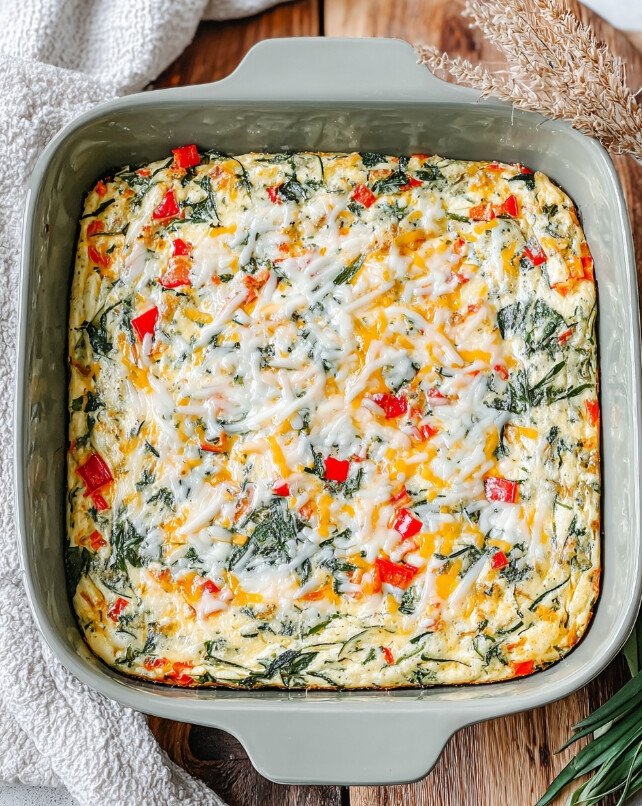







This is a great list! I’m always looking for new breakfast ideas that won’t spike my blood sugar. I’m curious, though, about the sweet potato in the first recipe. Sweet potatoes are delicious, but I always thought they were higher in carbs than regular potatoes. Are they okay for someone with diabetes? I have type 2 diabetes.
Hi Sarah, thanks for the question! You’re right to consider the carbs in sweet potatoes. While they do have a bit more natural sugar than white potatoes, they also have a lower glycemic index, meaning they cause a slower, more gradual rise in blood sugar. Plus, they’re packed with fiber, which also helps with blood sugar control. In moderation, and as part of a balanced meal like this casserole, sweet potatoes can be a healthy and delicious option for people with type 2 diabetes. But, of course, it’s always best to monitor your blood sugar levels and see how they respond to different foods.
I love the idea of meal prepping breakfast casseroles, but I’m a little worried about reheating eggs. Do they get rubbery or dry when you reheat them? Any tips for keeping them moist and delicious throughout the week? I don’t want to waste food and I want to eat healthy food.
That’s a valid concern, Jessica! Reheated eggs can sometimes be a bit dry. Here are a few tips to help:
Slightly undercook the casserole initially: This will prevent them from overcooking when you reheat.
Reheat gently: Use a lower temperature in the oven or microwave, and cover the casserole to trap moisture.
Add a splash of liquid: A tablespoon of milk or water before reheating can help rehydrate the eggs.
Don’t overheat: Reheat just until warmed through to avoid that rubbery texture.
I hope these tips help!
This is a really helpful article! I love the variety of casseroles you’ve included. I’m trying to incorporate more vegetables into my diet, and these recipes seem like a great way to do that. I’m wondering though, are there any vegetables that are particularly good or bad for blood sugar control in these types of dishes?
Hi Mary, thanks for your comment! I’m glad you appreciate the variety. You’re thinking along the right lines – vegetables are a fantastic addition to a diabetes-friendly diet. In the context of these casseroles, most non-starchy vegetables are excellent choices.
Specifically, leafy greens like spinach and kale are packed with nutrients and fiber and have a minimal impact on blood sugar. Broccoli, cauliflower, zucchini, and bell peppers are also great options. They add bulk, flavor, and important vitamins and minerals without significantly raising blood sugar. It’s best to be a bit more mindful of starchy vegetables like potatoes, corn, and peas, as they contain more carbohydrates. While they can be included in moderation, it’s important to be aware of portion sizes and balance them with other lower-carb ingredients, as is done in the sweet potato casserole recipe. In general, focusing on a variety of colorful non-starchy vegetables is a great way to boost the nutritional value of these casseroles and support blood sugar management.
These recipes look so convenient for busy mornings! I’m definitely going to try some of them. My question is about cheese. Many of these casseroles include cheese, and I know some cheeses are higher in fat than others. Should I be concerned about the fat content in these recipes, especially if I’m also watching my cholesterol?
Hi Jennifer, thanks for your question! I’m happy to hear you’re planning to try the recipes. You’re right to be mindful of the fat content, especially if you’re also watching your cholesterol. While these casseroles are designed to be lower in carbs, some do contain cheese, which can contribute to the fat content.
The good news is that the fat in cheese isn’t necessarily all bad. Cheese provides calcium and protein, and some studies suggest that dairy fat may not have as negative an impact on cholesterol as previously thought. However, it’s still wise to choose lower-fat cheese options when possible. For example, you could use part-skim mozzarella, reduced-fat cheddar, or even consider using stronger-flavored cheeses like feta or goat cheese in smaller amounts to still get a good flavor without as much fat. You can also balance the fat content of the casseroles by including plenty of lean protein sources like chicken, turkey, or lean sausage, and by loading up on vegetables. If you have specific concerns about your cholesterol, it’s always best to consult with your doctor or a registered dietitian who can provide personalized dietary advice.
Okay, I’m intrigued! I’ve been trying to get my husband to eat healthier since his diabetes diagnosis, but he’s a “meat and potatoes” kind of guy. These casseroles sound like they might actually get him excited about breakfast again. I’m especially eyeing that Pork Lover’s Keto Breakfast Casserole – maybe I can sneak in some extra veggies without him noticing, haha! But I’m a little confused about something. If these are low-carb, how can they include ingredients like sweet potatoes or corn? Aren’t those pretty high in carbs? Also, are these really freezer-friendly? I’ve had bad luck freezing egg dishes before… they always turn out watery.
Hi Deborah! Thanks for your comment! I totally get it – it can be tough to change eating habits, especially when dealing with a “meat and potatoes” fan! I think the Pork Lover’s is a great starting point. And yes, you can totally sneak in extra veggies!
Regarding your question about sweet potatoes and corn: You’re right, they do have more carbs than, say, spinach or broccoli. However, in the context of a balanced meal and in moderation, they can still fit into a diabetic-friendly diet. It’s all about portion control and watching the overall carb count for the entire meal. These recipes aim to strike that balance. They provide nutritional info, so you can make informed choices. As for freezing, I hear you! The key is to let the casserole cool completely before freezing and to thaw it thoroughly in the fridge overnight before reheating. This helps minimize excess moisture. You might also want to underbake them just a tad before freezing, so they don’t overcook when reheated. Hope this helps! Let me know how it goes with the Pork Lover’s!
These look yummy, but I have a question about substitutions. I’m not a big fan of goat cheese (it’s a texture thing for me). Can I just swap it out for cheddar or another cheese in these recipes? And what about dairy-free alternatives? My daughter is lactose intolerant, but I’d love to make these for the whole family. Also, and this might sound silly, but is there a way to make these… less eggy? Sometimes the egg flavor is just too overpowering for me. Thanks for sharing these, by the way! It’s nice to see some diabetic-friendly recipes that aren’t just plain grilled chicken and steamed broccoli.
Hi Susan! Great questions! Absolutely, you can swap out the goat cheese. Cheddar, Monterey Jack, or even mozzarella would work well in most of these recipes. For a dairy-free option, there are some great plant-based cheeses on the market now that melt pretty well. Just be sure to check the labels, as some can be higher in carbs. As for making them less “eggy,” you could try adding a bit more of the other ingredients (veggies, meat) to balance out the egg. Also, using a mix of whole eggs and egg whites can sometimes help. Or, you can consider a dairy free milk alternative like almond milk to thin it out just a tad. I’m glad you’re finding the recipes inspiring! There’s definitely more to diabetic-friendly eating than just chicken and broccoli! Variety is the spice of life, right? Let me know which substitutions you try and how they turn out!