Finding diabetic friendly snacks for work shouldn’t mean settling for chalky protein bars between meetings. These packable, macro-conscious bites swap heavy flours and refined sugars for whole ingredients, giving you a stash of real-food options that actually taste like a treat.
A quick note: These recipes are designed around macros that fit a diabetes-friendly lifestyle — they’re not medical advice. Carb tolerance is personal; always run new foods past your healthcare provider and check your own blood sugar response.
The Macro Logic Behind a Carb-Conscious Desk Snack
When putting together a rotation of low-carb office snacks, the goal is simple: prioritize protein and fiber while keeping net carbs on the lower side. Finding that balance makes the afternoon slump feel a lot more manageable without relying on vending machine quick-fixes.
According to the American Diabetes Association, pairing fiber-rich ingredients with lean proteins or healthy fats is generally considered a smart strategy to support a more gradual, balanced response after eating. These recipes lean heavily into that framework, utilizing ingredients like almond flour, eggs, and nut butters to keep you satisfied through your afternoon calls.
Why This Workday Lineup Earns Its Keep
Macro-Aware: Every recipe here keeps net carbs in check, leaving plenty of room for your main meals.
Highly Portable: No messy sauces or complicated reheating required—just grab and go.
Pantry-Driven: You won’t need to hunt down obscure ingredients; most rely on staples like eggs, cheese, and nut butter.
Batch-Friendly: Spend thirty minutes on Sunday, and your desk-snacking is sorted for the week.
Fudgy, deeply chocolatey, and ready before your morning coffee is finished brewing. These one-bowl bites deliver that classic peanut butter cup flavor without a heavy, sugar-laden filling. They are my absolute favorite thing to keep stashed in the breakroom fridge.
Why it fits a diabetes-friendly plate: Relies on the natural fats and protein from peanut butter, which is generally considered helpful for supporting satiety, all while keeping the footprint to a minimal 1.7g of net carbs per serving.
🕒 Total Time: 1 hour 10 minutes
1.7g Net Carbs •1.6g Fiber •0.6g Sugar • 3.7g Protein • 109 kcal
When you crave something savory and pizza-like at 3 PM, these pull-apart rolls hit the spot perfectly. Baking the cheese into a pliable wrap is a brilliant trick that eliminates the need for dough entirely, creating a salty, satisfying bite that’s incredibly easy to pack.
Why it fits a diabetes-friendly plate: By utilizing cheese as the base rather than a wheat crust, this savory option provides a robust 21g of protein, which may help support a feeling of fullness between meals.
🕒 Ready in: 11 minutes
2g Net Carbs •1g Fiber •2g Sugar • 21g Protein • 250 kcal
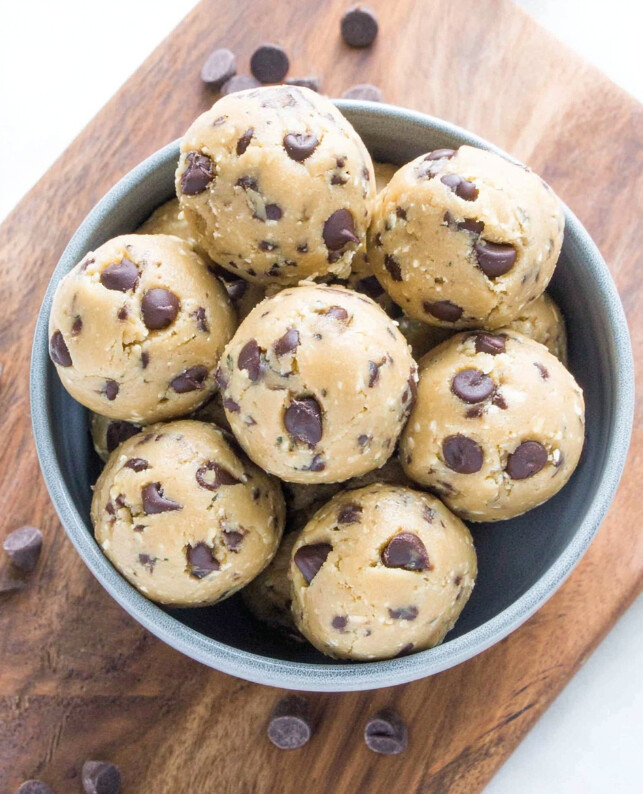
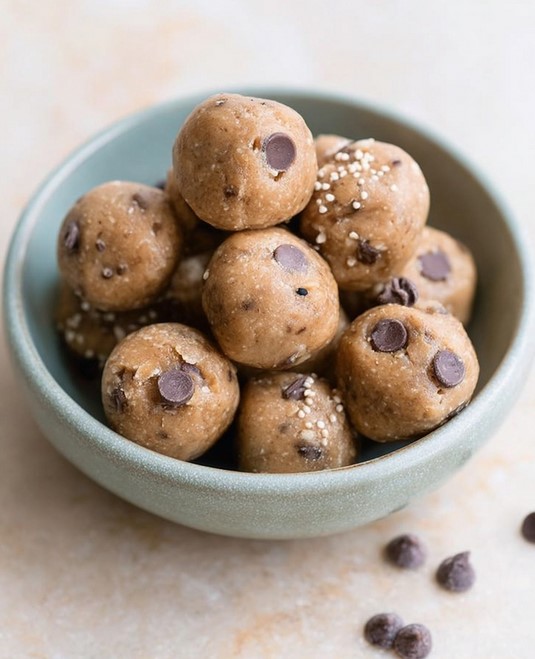
Capture the nostalgic joy of licking the mixing bowl without worrying about raw flour or eggs. Enhanced with a touch of ground flaxseed for a perfectly doughy texture, these simple treats feel incredibly satisfying. Just mix, roll, and toss them into your lunchbag.
Why it fits a diabetes-friendly plate: Incorporates ground flaxseed, a solid source of dietary fiber that research suggests can contribute to a more balanced digestion profile compared to traditional all-purpose flour.
🕒 Ready in: 10 minutes
4g Net Carbs •3g Fiber •1g Sugar • 5g Protein • 132 kcal
Light, bouncy, and endlessly adaptable, these mini frittatas are the unsung heroes of meal prep. Baked in a muffin tin, they emerge perfectly portioned and ready to be eaten cold or quickly warmed in the office microwave. Toss in whatever herbs you have wilting in the crisper drawer.
Why it fits a diabetes-friendly plate: Comes in at just 1g of net carbs per cup, focusing almost entirely on lean protein to round out your daily intake without requiring extra insulin planning for most carb-counting routines.
🕒 Ready in: 26 minutes
1g Net Carbs •0.2g Fiber •0g Sugar • 6.2g Protein • 39 kcal
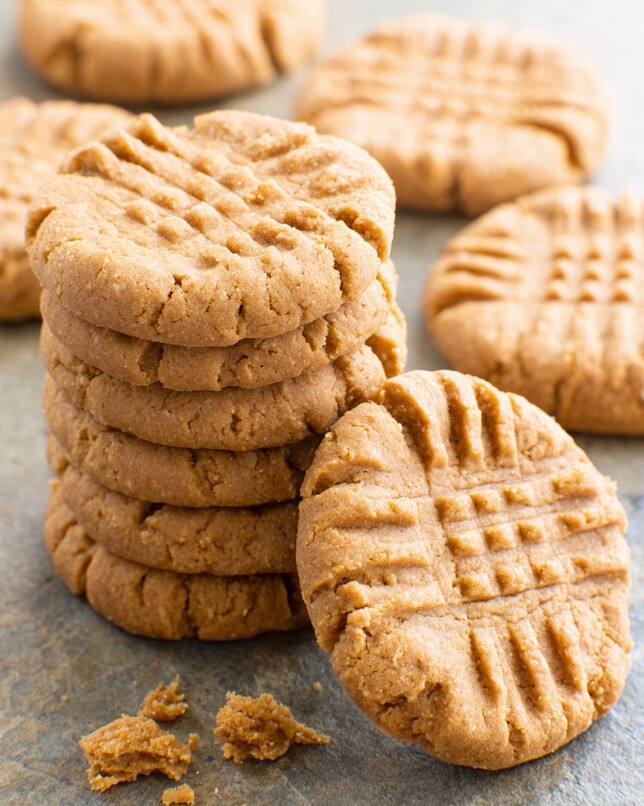
A miracle of minimalist baking. Flourless, butter-free, and held together by a simple trio of ingredients, these tender rounds offer a deeply nutty flavor with crispy edges. If you’ve got ten minutes and a jar of peanut butter, you have an afternoon snack ready to go.
Why it fits a diabetes-friendly plate: By skipping wheat flour entirely, this cookie avoids refined starches, instead providing a fat-and-protein matrix that is generally considered better for a balanced dietary approach.
🕒 Ready in: 35 minutes
3g Net Carbs •2g Fiber •1g Sugar • 6g Protein • 135 kcal
These are the perfect quick-fix bites to stash in your desk drawer. Warming cinnamon and roasted almond flavors mingle in a no-bake base sweetened seamlessly with a monk fruit blend. They offer a wonderfully chewy texture without requiring you to turn on the oven.
Why it fits a diabetes-friendly plate: Uses an erythritol and monk fruit blend, which provides sweetness without adding to the net carb count, keeping the entire serving at a manageable 4.2g of net carbs.
🕒 Active Prep: 15 minutes
4.2g Net Carbs •3g Fiber •1.1g Sugar • 12.9g Protein • 207 kcal
Don’t let the word “breakfast” fool you; these hearty muffins make brilliant mid-afternoon snacks. Loaded with smoky bacon, cheddar, and finely chopped broccoli, they are deeply savory and hold up beautifully in a lunchbox over a long workday.
Why it fits a diabetes-friendly plate: Sneaks nonstarchy vegetables (broccoli) into a protein-dense base, a combination that the American Diabetes Association notes may help support your daily fiber intake without spiking the carb load.
🕒 Total Time: 55 minutes
3.5g Net Carbs •1g Fiber •2.2g Sugar • 16.1g Protein • 230 kcal
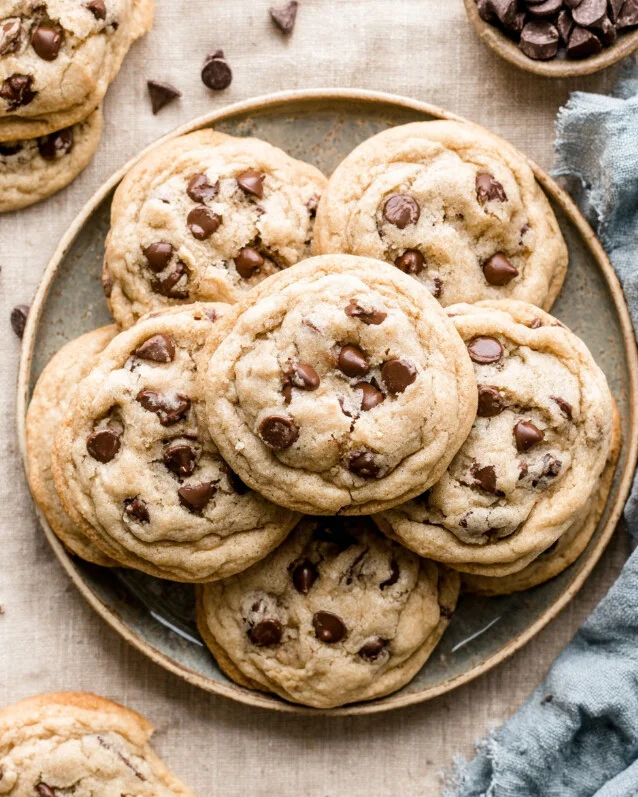
Sometimes you just need a classic comfort food alongside your afternoon tea. Swapping traditional oils and adding a hint of cinnamon gives these bakery-style cookies a remarkably tender crumb. My kids never guess these are the carb-conscious batch.
Why it fits a diabetes-friendly plate: Delivers that essential chocolate chip cookie experience while staying at just 3g of net carbs, making it a simple swap that aligns smoothly with a low-glycemic eating pattern.
🕒 Ready in: 22 minutes
3g Net Carbs •2g Fiber •0g Sugar • 3g Protein • 100 kcal
If you love the toasted, nutty aroma of shredded coconut, these incredibly simple one-bowl treats are for you. They bake up with a deeply chewy center and perfectly golden edges, offering an elegant snack that feels far fancier than the prep time suggests.
Why it fits a diabetes-friendly plate: Shredded coconut provides a dose of plant-based fat and fiber, a combination that studies indicate can contribute to a more gradual digestion process compared to sugar-heavy bakery goods.
🕒 Ready in: 22 minutes
1.2g Net Carbs •2.3g Fiber •1g Sugar • 2.2g Protein • 100 kcal
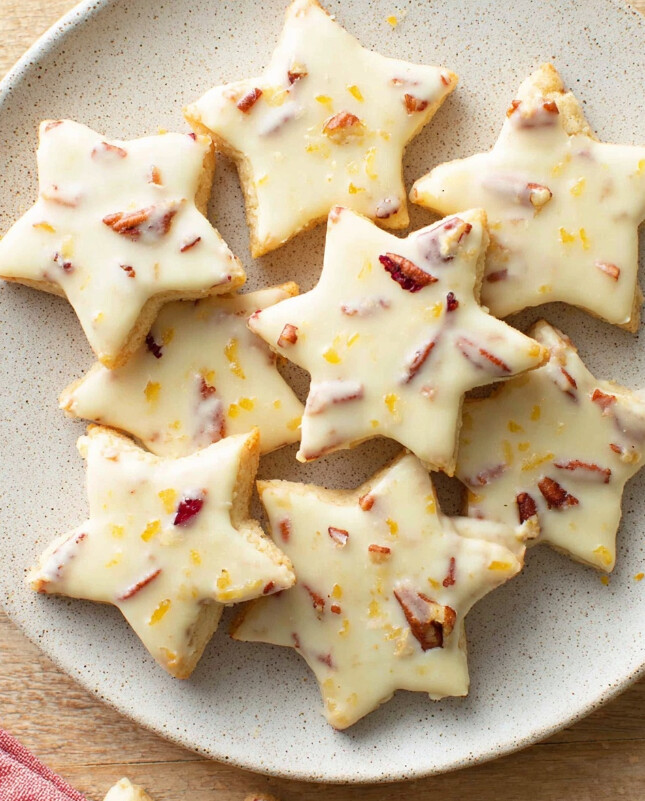
The ultimate sleeper hit for the office breakroom. Bright orange zest cuts through the rich, buttery almond flour base, while tart cranberries and earthy pecans add gorgeous texture. They are melt-in-your-mouth soft and pair beautifully with afternoon coffee.
Why it fits a diabetes-friendly plate: Bypasses traditional baking flours in favor of almond flour, a swap that is generally considered excellent for keeping the overall carbohydrate load remarkably low per serving.
🕒 Ready in: 30 minutes
2g Net Carbs •2g Fiber •0g Sugar • 2g Protein • 98 kcal
Keep it Cool: If you’re making the no-bake bites or egg cups, invest in a small insulated lunch bag with an ice pack. They hold their texture best when kept chilled until snack time.
Smart Swaps: When baking with alternative sweeteners like erythritol or monk fruit, remember they can sometimes crystallize when cooled. If you prefer a softer bite, try a liquid allulose blend in the cookie dough recipes.
Mind the Nuts: Almond flour and peanut butter are fantastic for keeping net carbs low, but they are calorie-dense. Pre-portion your snacks into small containers so you aren’t tempted to mindlessly graze while answering emails.
Hydrate: Increased fiber from ingredients like flaxseed and coconut needs plenty of water to digest well. Keep your water bottle full at your desk!
Common Questions, Answered
Are low-carb snacks always diabetes-friendly?
Not necessarily. While lowering carbohydrate intake is a common strategy, a balanced diabetes-friendly approach also considers the quality of fats, sodium levels, and fiber content. It’s about looking at the whole nutritional profile, not just the carb line.
How do I calculate the net carbs for these recipes?
To find the net carbs, subtract the grams of dietary fiber (and certain sugar alcohols, if applicable) from the total carbohydrates. Because fiber isn’t digested the same way as other carbs, the American Diabetes Association notes that it has a milder impact on your blood sugar response.
Can I leave egg muffins or cheese snacks at my desk?
For food safety, any snack containing eggs, cheese, or meat should not be left at room temperature for more than two hours. Pop them into the office refrigerator as soon as you get to work.
What if a recipe still uses a little bit of natural sugar?
Small amounts of natural sugars (like those found in the cranberries or small quantities of peanut butter) can often fit into a broader meal plan. Carb tolerance is highly individual, so it is generally considered best practice to test your own response with a glucose monitor when trying new foods.
Whether you’re leaning toward the savory pepperoni swirls or the sweet comfort of those edible cookie dough bites, having a plan makes the workday infinitely better. Which one are you trying first? Save this to your Pinterest board and let me know in the comments!
The recipes and information shared here are designed to fit a diabetes-friendly meal plan and are intended for informational and educational purposes only. They are not a substitute for professional medical, dietary, or nutritional advice. Always monitor your own blood sugar response to new foods, and consult your doctor, registered dietitian, or certified diabetes care and education specialist (CDCES) before making significant changes to your eating pattern — especially if you take insulin or other diabetes medications. Statements on this site have not been evaluated by the FDA and are not intended to diagnose, treat, cure, or prevent any disease. Nutrition values are estimates and may vary based on ingredients and portion sizes.
Kristina Hanson is an independent wellness researcher and the founder of DailyZests. She specializes in translating nutritional science into simple, delicious recipes that fit into real life. When she isn’t in the kitchen, you’ll find her hiking the trails or enjoying a slow morning coffee with her Golden Retriever, Barnaby. Read her full story.
These are some great snack ideas, but I’m a bit worried about the trail mix suggestion. Most of the pre-made trail mixes I’ve seen are loaded with sugar and unhealthy ingredients. Do you have any recommendations for specific brands or a recipe for a truly diabetic-friendly trail mix? Also, I find it really hard to stick to portion sizes when it comes to nuts. They’re just so easy to overeat. Any tips for keeping portions in check?
Hi Sarah, you’re right to be cautious about pre-made trail mixes. Many do contain added sugars, chocolate, or sugar-sweetened dried fruits. The best option is to make your own! It’s really easy. Combine your favorite raw or unsalted nuts (almonds, walnuts, pecans), seeds (pumpkin, sunflower), and a small amount of unsweetened dried fruit (like a few unsweetened cranberries or goji berries). You can also add a sprinkle of unsweetened coconut flakes for extra flavor. Avoid adding any chocolate or candy. As for portion control with nuts, I totally understand. They’re delicious and easy to munch on mindlessly. Try pre-portioning your trail mix into small containers or snack bags. A good serving size for nuts is about 1/4 cup. You can also try pairing your nuts with a piece of fruit or some veggie sticks to help fill you up and make you less likely to overeat the nuts.
I struggle with finding the time to prepare healthy snacks during the work week. It’s so much easier to just grab something from the vending machine. Do you have any suggestions for quick and easy snacks that require minimal preparation? Also, I’ve heard conflicting information about cheese. Is it really a healthy snack for people with diabetes, considering its saturated fat content?
Hi Emily, I hear you! Convenience is key when it comes to healthy snacking, especially with a busy schedule. Some great no-prep options include a small apple with a tablespoon of natural peanut butter, a handful of almonds, a hard-boiled egg, or a single-serving container of Greek yogurt. You can also buy pre-cut veggie sticks and single-serving hummus cups for a super quick and easy snack. Regarding your question about cheese, it’s a good source of protein and calcium, but some types can be high in saturated fat. The American Heart Association recommends limiting saturated fat intake, especially for people with diabetes who are at higher risk of heart disease. However, recent studies suggest that the saturated fat in cheese might not be as harmful as previously thought, possibly due to other nutrients in cheese like calcium and specific fatty acids. The key is moderation and choosing lower-fat options like part-skim mozzarella or cottage cheese more often. It’s always best to discuss your individual dietary needs with your doctor or a registered dietitian.
Okay, I gotta say, this article is pretty helpful, but I have some serious questions about this “mindful snacking” thing. Like, am I supposed to meditate over my almonds or something? Seriously though, how do you actually DO mindful snacking when Brenda from accounting is yammering on about her cat’s latest hairball incident during your snack break? Also, how many almonds is too many? I could eat a whole bag, easy, but then I’m probably defeating the whole purpose, right? Help!
Jessica, you’re hilarious! No meditation required, although if you want to chant “ohm” over your almonds, who am I to judge? “Mindful snacking” is just about paying attention to what and how you’re eating. So, maybe try to tune out Brenda (or politely tell her you need a moment of peace for your snack), and focus on the taste and texture of your food. As for the almond count, a good rule of thumb is about a small handful (around 1/4 cup). You’re right, too many nuts, even healthy ones, can pack in the calories and carbs. Think of it as a satisfying nibble, not a whole meal!
This article has some good ideas, but I’m a little skeptical about the avocado toast. Isn’t avocado like, super high in fat? I thought people with diabetes were supposed to avoid fatty foods? Also, what kind of bread are we talking about here? White bread is obviously a no-go, but even some of those “whole wheat” breads are sneaky with added sugar. And one more thing – what if you HATE avocados? Any alternatives? My taste buds are offended just thinking about them.
Sarah, great questions! It’s true, avocados are high in fat, but it’s the GOOD kind of fat – monounsaturated and polyunsaturated fats, which can actually help improve cholesterol levels and are beneficial for heart health. So, for most people with diabetes, avocado in moderation is totally fine. As for the bread, you’re spot on – white bread is best avoided. Look for 100% whole-grain bread with at least 3 grams of fiber per slice, and always check the label for hidden sugars. And if you’re not an avocado fan, no worries! You could try topping your whole-grain toast with a thin layer of natural peanut butter (check for no added sugar!), or a sprinkle of seeds for that healthy fat and added crunch. There are plenty of other options in the article to try out!
Okay, ‘mindful snacking’? Is that code for ‘boring snacking’? Seriously though, I work a high-stress job, and sometimes a girl just needs a little something sweet to get through the afternoon. Are you telling me I can NEVER have a cookie again? Also, ‘veggie sticks with hummus’? That sounds like rabbit food. And what about those pre-packaged 100-calorie snack packs? Are those okay? They seem convenient. Give me some real-world advice here!
Hey Linda, Snack Queen, I hear you! ‘Mindful snacking’ doesn’t mean you have to banish all joy (and cookies!) from your life. It just means being a little more aware of WHAT and WHY you’re snacking. Think of it like this: you can still enjoy a cookie, but maybe instead of mindlessly munching it at your desk while answering emails, you take a little break, savor each bite, and really enjoy it. And maybe you pair that cookie with a handful of nuts for some protein to balance things out. As for those 100-calorie packs, some can be okay, but always check the label! Some are loaded with sugar and artificial ingredients, which won’t do your blood sugar any favors. And hey, if veggie sticks and hummus aren’t your jam, there are tons of other options! A small apple with peanut butter, a hard-boiled egg, or even some Greek yogurt with berries can be delicious and satisfying. It’s all about finding what works for YOU and your taste buds! This is about making choices that make you feel good, both physically and mentally!
This all sounds great in theory, but I’m a busy working mom. I barely have time to pack my kids’ lunches, let alone plan out elaborate snacks for myself. ‘Planning ahead’? Yeah, right! And ‘mindful eating’? I’m lucky if I can scarf down a granola bar between meetings! Are there any REALLY quick and easy snack ideas that don’t require a ton of prep work? Also, I’m allergic to nuts, so a lot of these suggestions won’t work for me. Any nut-free alternatives? And how can I make snacks like these appealing to my kids too?
Hey Patricia, I totally get it – life as a working mom is a whirlwind! ‘Planning ahead’ can be as simple as throwing a few hard-boiled eggs, a baggie of edamame, or some cheese sticks into your bag in the morning. No elaborate prep work required! And trust me, you can be mindful even while scarfing down a snack between meetings. It’s about taking even just a few seconds to check in with your body and make a conscious choice. For nut-free alternatives, you’ve got tons of options! Sunflower seed butter is a great swap for peanut butter. Roasted chickpeas, pumpkin seeds, or edamame are other great nut-free snacks. As for making these snacks appealing to your kids, try getting them involved in the process! Let them help you make a trail mix (with seeds instead of nuts), or create fun shapes with fruits and veggies. You can also try pairing healthy snacks with a small amount of their favorite treat to make the transition easier. It is about finding small, manageable steps that fit into your busy life. You got this!



 This post may contain affiliate links.













These are some great snack ideas, but I’m a bit worried about the trail mix suggestion. Most of the pre-made trail mixes I’ve seen are loaded with sugar and unhealthy ingredients. Do you have any recommendations for specific brands or a recipe for a truly diabetic-friendly trail mix? Also, I find it really hard to stick to portion sizes when it comes to nuts. They’re just so easy to overeat. Any tips for keeping portions in check?
Hi Sarah, you’re right to be cautious about pre-made trail mixes. Many do contain added sugars, chocolate, or sugar-sweetened dried fruits. The best option is to make your own! It’s really easy. Combine your favorite raw or unsalted nuts (almonds, walnuts, pecans), seeds (pumpkin, sunflower), and a small amount of unsweetened dried fruit (like a few unsweetened cranberries or goji berries). You can also add a sprinkle of unsweetened coconut flakes for extra flavor. Avoid adding any chocolate or candy. As for portion control with nuts, I totally understand. They’re delicious and easy to munch on mindlessly. Try pre-portioning your trail mix into small containers or snack bags. A good serving size for nuts is about 1/4 cup. You can also try pairing your nuts with a piece of fruit or some veggie sticks to help fill you up and make you less likely to overeat the nuts.
I struggle with finding the time to prepare healthy snacks during the work week. It’s so much easier to just grab something from the vending machine. Do you have any suggestions for quick and easy snacks that require minimal preparation? Also, I’ve heard conflicting information about cheese. Is it really a healthy snack for people with diabetes, considering its saturated fat content?
Hi Emily, I hear you! Convenience is key when it comes to healthy snacking, especially with a busy schedule. Some great no-prep options include a small apple with a tablespoon of natural peanut butter, a handful of almonds, a hard-boiled egg, or a single-serving container of Greek yogurt. You can also buy pre-cut veggie sticks and single-serving hummus cups for a super quick and easy snack. Regarding your question about cheese, it’s a good source of protein and calcium, but some types can be high in saturated fat. The American Heart Association recommends limiting saturated fat intake, especially for people with diabetes who are at higher risk of heart disease. However, recent studies suggest that the saturated fat in cheese might not be as harmful as previously thought, possibly due to other nutrients in cheese like calcium and specific fatty acids. The key is moderation and choosing lower-fat options like part-skim mozzarella or cottage cheese more often. It’s always best to discuss your individual dietary needs with your doctor or a registered dietitian.
Okay, I gotta say, this article is pretty helpful, but I have some serious questions about this “mindful snacking” thing. Like, am I supposed to meditate over my almonds or something? Seriously though, how do you actually DO mindful snacking when Brenda from accounting is yammering on about her cat’s latest hairball incident during your snack break? Also, how many almonds is too many? I could eat a whole bag, easy, but then I’m probably defeating the whole purpose, right? Help!
Jessica, you’re hilarious! No meditation required, although if you want to chant “ohm” over your almonds, who am I to judge? “Mindful snacking” is just about paying attention to what and how you’re eating. So, maybe try to tune out Brenda (or politely tell her you need a moment of peace for your snack), and focus on the taste and texture of your food. As for the almond count, a good rule of thumb is about a small handful (around 1/4 cup). You’re right, too many nuts, even healthy ones, can pack in the calories and carbs. Think of it as a satisfying nibble, not a whole meal!
This article has some good ideas, but I’m a little skeptical about the avocado toast. Isn’t avocado like, super high in fat? I thought people with diabetes were supposed to avoid fatty foods? Also, what kind of bread are we talking about here? White bread is obviously a no-go, but even some of those “whole wheat” breads are sneaky with added sugar. And one more thing – what if you HATE avocados? Any alternatives? My taste buds are offended just thinking about them.
Sarah, great questions! It’s true, avocados are high in fat, but it’s the GOOD kind of fat – monounsaturated and polyunsaturated fats, which can actually help improve cholesterol levels and are beneficial for heart health. So, for most people with diabetes, avocado in moderation is totally fine. As for the bread, you’re spot on – white bread is best avoided. Look for 100% whole-grain bread with at least 3 grams of fiber per slice, and always check the label for hidden sugars. And if you’re not an avocado fan, no worries! You could try topping your whole-grain toast with a thin layer of natural peanut butter (check for no added sugar!), or a sprinkle of seeds for that healthy fat and added crunch. There are plenty of other options in the article to try out!
Okay, ‘mindful snacking’? Is that code for ‘boring snacking’? Seriously though, I work a high-stress job, and sometimes a girl just needs a little something sweet to get through the afternoon. Are you telling me I can NEVER have a cookie again? Also, ‘veggie sticks with hummus’? That sounds like rabbit food. And what about those pre-packaged 100-calorie snack packs? Are those okay? They seem convenient. Give me some real-world advice here!
Hey Linda, Snack Queen, I hear you! ‘Mindful snacking’ doesn’t mean you have to banish all joy (and cookies!) from your life. It just means being a little more aware of WHAT and WHY you’re snacking. Think of it like this: you can still enjoy a cookie, but maybe instead of mindlessly munching it at your desk while answering emails, you take a little break, savor each bite, and really enjoy it. And maybe you pair that cookie with a handful of nuts for some protein to balance things out. As for those 100-calorie packs, some can be okay, but always check the label! Some are loaded with sugar and artificial ingredients, which won’t do your blood sugar any favors. And hey, if veggie sticks and hummus aren’t your jam, there are tons of other options! A small apple with peanut butter, a hard-boiled egg, or even some Greek yogurt with berries can be delicious and satisfying. It’s all about finding what works for YOU and your taste buds! This is about making choices that make you feel good, both physically and mentally!
This all sounds great in theory, but I’m a busy working mom. I barely have time to pack my kids’ lunches, let alone plan out elaborate snacks for myself. ‘Planning ahead’? Yeah, right! And ‘mindful eating’? I’m lucky if I can scarf down a granola bar between meetings! Are there any REALLY quick and easy snack ideas that don’t require a ton of prep work? Also, I’m allergic to nuts, so a lot of these suggestions won’t work for me. Any nut-free alternatives? And how can I make snacks like these appealing to my kids too?
Hey Patricia, I totally get it – life as a working mom is a whirlwind! ‘Planning ahead’ can be as simple as throwing a few hard-boiled eggs, a baggie of edamame, or some cheese sticks into your bag in the morning. No elaborate prep work required! And trust me, you can be mindful even while scarfing down a snack between meetings. It’s about taking even just a few seconds to check in with your body and make a conscious choice. For nut-free alternatives, you’ve got tons of options! Sunflower seed butter is a great swap for peanut butter. Roasted chickpeas, pumpkin seeds, or edamame are other great nut-free snacks. As for making these snacks appealing to your kids, try getting them involved in the process! Let them help you make a trail mix (with seeds instead of nuts), or create fun shapes with fruits and veggies. You can also try pairing healthy snacks with a small amount of their favorite treat to make the transition easier. It is about finding small, manageable steps that fit into your busy life. You got this!