When a sweet craving hits, you need quick diabetic desserts that deliver on flavor without the wait. These rich, fuss-free treats come together fast, using smart ingredient swaps to keep carbs in check so you can dig right in.
A quick note: These recipes are designed around macros for a diabetes-friendly lifestyle, but they are not medical advice. Carb tolerance is deeply personal, so always consult your doctor and monitor your own blood sugar response when trying new foods.
When planning desserts for a carb-conscious lifestyle, finding the right balance of macros is key. The American Diabetes Association notes that pairing carbohydrates with fiber or protein may help support a more gradual rise in blood sugar compared to eating simple sugars alone.
That is exactly what these recipes aim to do. By leaning on ingredients like almond flour, Greek yogurt, and lower-carb sweeteners, these treats keep net carbs much lower than traditional sweets. It is a practical, flavorful way to satisfy your sweet tooth while honoring your nutritional goals.
Why These Recipes Earn Their Spot
Macro-conscious: Every recipe is anchored in lower Net Carbs and skips the heavy refined sugars.
Lightning fast: Nothing here takes more than 20 minutes from start to finish.
Pantry-friendly: We lean heavily on accessible everyday staples like almond flour, eggs, and nut butters.
Actually satisfying: You get deep chocolate notes and real creamy textures, not generic substitute flavors.
This single-serving wonder is the perfect answer when you need something rich right now. The secret here is a dash of instant espresso, which deepens the dark, fudgy mocha-spice flavor beautifully. It is perfectly portioned to handle sudden cravings without leaving you with an entire pan of temptation on the counter.
The carb-conscious breakdown: By swapping traditional wheat flour for almond flour, this brownie comes in at just 4.2g Net Carbs. The generous 6.2g of fiber from the ingredients may help support a steadier digestion process.
🕒 Ready in: 4 Minutes
4.2g Net Carbs • 6.2g Fiber • 1.6g Sugar • 9.8g Protein • 364 kcal
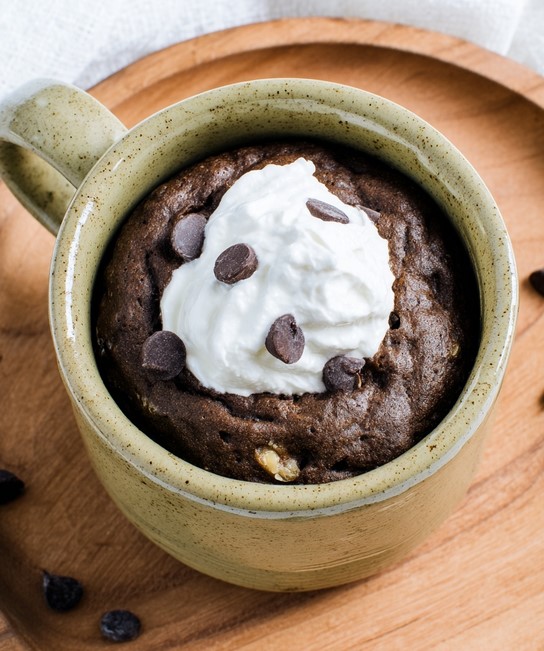
Forget pulling out the hand mixer for this one. We use a brilliantly simple one-bowl method to create a tender, springy crumb that bakes in just sixty seconds. I wasn’t sure a microwave cake could mimic the real deal, honestly. That first bite shut me right up.
How it balances your macros: This cake skips refined sugar entirely, helping it maintain a modest 6.1g Net Carbs. The fat from the almond flour is generally considered helpful for keeping you satisfied longer after eating.
🕒 Ready in: 6 Minutes
6.1g Net Carbs • 4.8g Fiber • 0g Sugar • 10.8g Protein • 346 kcal
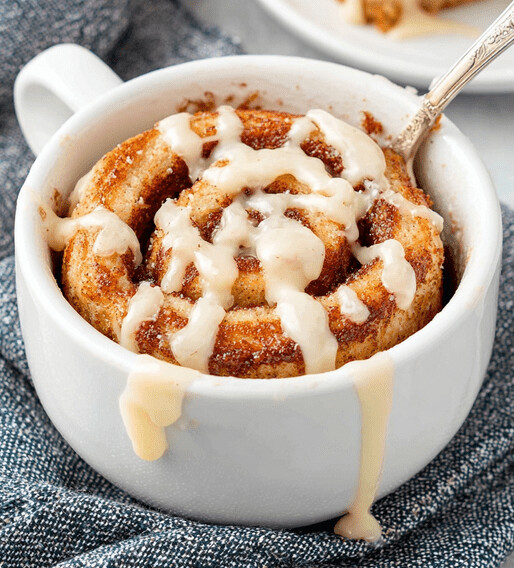
You know that warm, sticky-sweet center of a classic cinnamon roll? That is exactly what is happening in this single-serve mug cake. From mixing the batter to swirling in the “frosting,” everything happens in one vessel. Fair warning: this disappears fast, even from the carb-counters in the family.
The diabetes-friendly dessert logic: It captures the essence of a bakery classic for only 2g Net Carbs. Utilizing smart sugar alternatives keeps the total sugar to a mere 1g per serving, which research suggests can support steadier macros.
🕒 Ready in: 7 Minutes
2g Net Carbs • 3g Fiber • 1g Sugar • 11g Protein • 355 kcal
Okay, can we talk about how good toasted coconut is? These wonderfully chewy, no-bake bites are a lifesaver to have stashed in the fridge. They deliver a satisfyingly sweet, dense bite that feels like a candy bar but takes barely five minutes to press into shape.
The smart-carb logic for this bite: With only 1.5g Net Carbs and 1g of sugar, these bars provide a rich mouthfeel from the coconut fats, which can contribute to early satiety without piling on the carbohydrates.
🕒 Ready in: 5 Minutes
1.5g Net Carbs • 2.5g Fiber • 1g Sugar • 1g Protein • 115 kcal
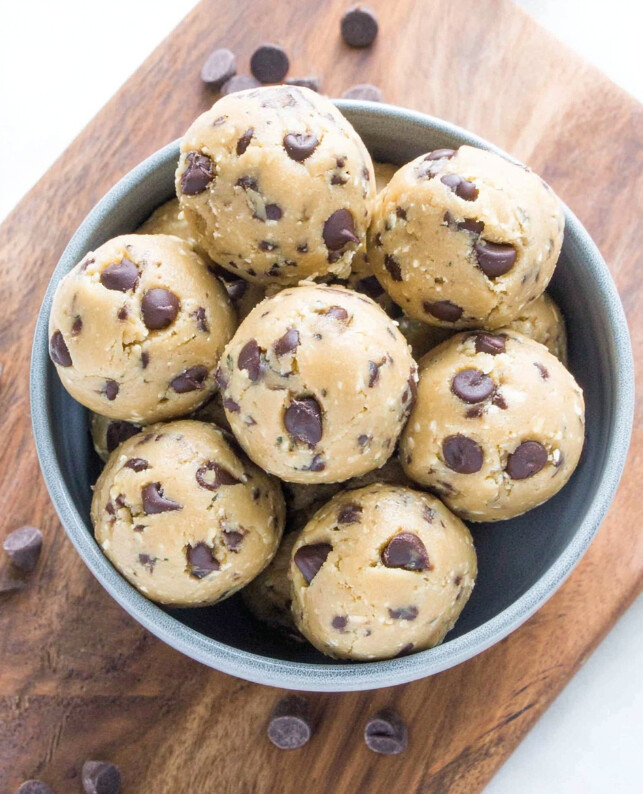
Licking the mixing bowl is arguably the best part of baking, and these safe-to-eat bites let you skip straight to the reward. We use a touch of ground flaxseed to nail that signature gritty-yet-soft texture of traditional cookie dough. It is a nostalgic American-style snack made remarkably easy.
Why this snack makes the cut: Skipping the wheat flour keeps these at a modest 4g Net Carbs. The added flaxseed introduces extra fiber, which is generally considered helpful for supporting a balanced meal plan.
🕒 Ready in: 10 Minutes
4g Net Carbs • 3g Fiber • 1g Sugar • 5g Protein • 132 kcal
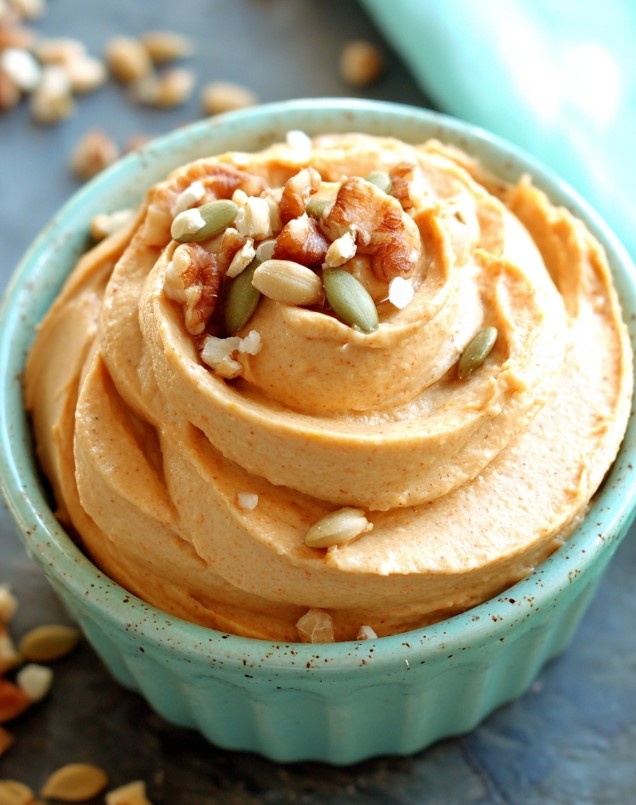
This is not just for fall. A beautiful piped swirl of this light, airy, and warmly spiced mousse makes any evening feel special. It is creamy without being heavy, using a perfectly balanced base of coconut cream to achieve that luxurious whipped consistency in just five minutes.
How it fits a balanced routine: Coming in at 3.5g Net Carbs, it leans on the natural richness of coconut cream rather than heavy dairy and sugar, keeping it well within a low-carb dessert range.
🕒 Ready in: 10 Minutes
3.5g Net Carbs • 2.5g Fiber • 2g Sugar • 3.5g Protein • 100 kcal
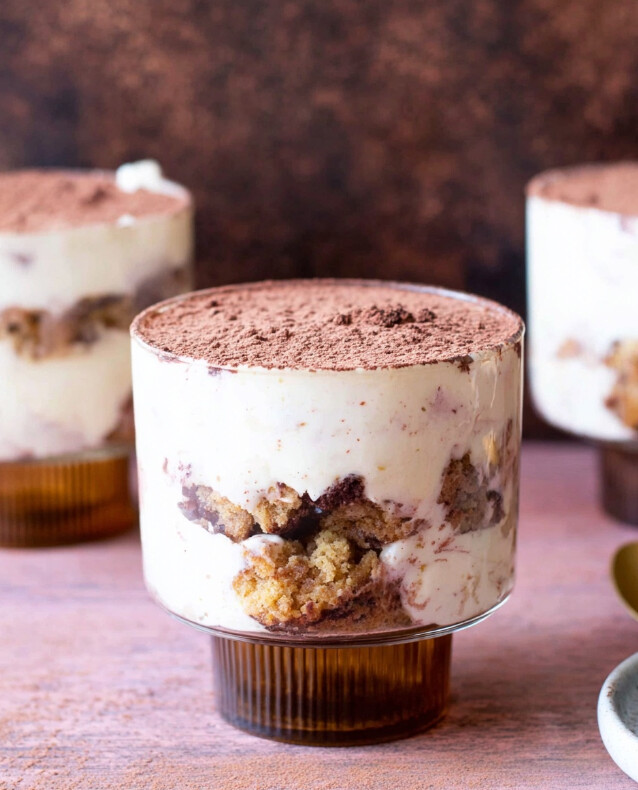
These individually portioned parfaits capture the elegant essence of an Italian classic, but with a lighter, everyday twist. The toasted almond-espresso crumble layered with creamy goodness offers a deeply rich experience without the heaviness of traditional soaked cake layers.
Why this parfait makes the cut: By pairing protein-rich Greek yogurt with almond flour, you get 10g of protein and only 4g Net Carbs. The ADA notes that protein may help support a steadier post-meal experience.
🕒 Ready in: 18 Minutes
4g Net Carbs • 1g Fiber • 3g Sugar • 10g Protein • 130 kcal
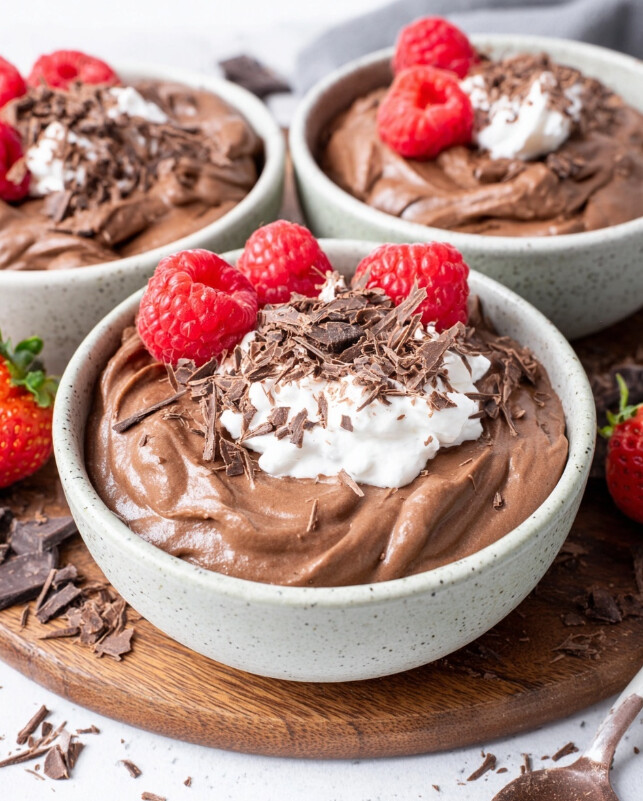
If you need a sophisticated finish to dinner but have zero energy left, this is it. Blending rich cocoa with the tang of Greek yogurt creates a velvety, thick spoonful every time. The hint of espresso deepens the chocolate notes beautifully without taking over the flavor profile.
The macro breakdown here: This treats offers a solid 9g of protein alongside 11g Net Carbs. The robust protein-to-carb ratio is generally considered helpful for rounding out a balanced plate.
🕒 Ready in: 12 Minutes
11g Net Carbs • 7g Fiber • 6g Sugar • 9g Protein • 150 kcal
Sometimes the simplest things are the most stunning. Layers of vibrant mixed berries and rich, almond-scented cream create an effortless dessert that feels completely decadent. It takes just minutes to whip up and looks gorgeous served in a glass goblet or small mason jar.
The carb-conscious angle: Fresh berries are naturally lower in sugar, and paired with the rich cream, this treat sits comfortably at 7g Net Carbs. The 5g of fiber from the berries is an excellent added bonus.
🕒 Ready in: 10 Minutes
7g Net Carbs • 5g Fiber • 5g Sugar • 4g Protein • 227 kcal
These are the sleeper hit of the collection. Naturally gluten-free and packed with deep, roasted peanut flavor, these cookies bake up golden and tender in a flash. My husband is the peanut butter fan in our house, and he eats these right off the cooling rack.
Why these cookies fit the plan: At just 1.5g Net Carbs per serving, they rely entirely on the natural fats and proteins of the peanut butter rather than refined grains to hold their shape, which may help support your macro goals.
🕒 Ready in: 15 Minutes
1.5g Net Carbs • 1.1g Fiber • 0.6g Sugar • 3.5g Protein • 79 kcal
Mastering the microwave: For the mug cakes, microwaves vary wildly. Start checking your cake about 15 seconds before the recipe suggests so it stays moist.
Sugar substitutes: We love granulated monk fruit or erythritol blends for these recipes. They measure cup-for-cup like sugar but keep the Net Carbs practically zero.
Plate method reminder: Remember that dessert fits into the bigger picture! Enjoying these alongside a balanced meal of lean protein and nonstarchy vegetables is a smart way to approach sweet treats.
Chill factor: For the no-bake bars and mousses, letting them chill for an extra 20 minutes (if you have the time) really helps the flavors meld and the textures firm up.
Frequently Asked Questions
Are low-carb sweeteners safe for a diabetes-friendly diet?
Yes, the American Diabetes Association notes that FDA-approved sugar substitutes can be a helpful tool for managing carbohydrate intake. They are generally considered a practical swap when consumed in moderation.
What is the difference between total carbs and net carbs?
Total carbs include all carbohydrates in a food. Net carbs are calculated by subtracting fiber (and often sugar alcohols) from the total. Because fiber is not digested the same way, many carb-conscious eaters focus on net carbs, which research suggests have a much smaller impact on blood sugar.
Can I swap almond flour for coconut flour in these quick diabetic desserts?
Not at a 1:1 ratio. Coconut flour absorbs significantly more liquid than almond flour. If you try to swap them directly without adjusting liquids and eggs, your baked goods will turn out incredibly dry and crumbly.
How long do low-carb mug cakes last?
Mug cakes are definitely best enjoyed immediately while they are warm and tender. If you must save some, cover it tightly and keep it at room temperature for up to a day, but expect the texture to become a bit denser over time.
From that gooey cinnamon roll mug cake to the airy pumpkin mousse, satisfying a sweet tooth does not have to mean an hour of prep or a carb overload. Which of these fast, diabetes-friendly treats are you whipping up tonight? Be sure to pin this list to your favorite Pinterest recipe board so you have it ready the next time a craving hits!
The recipes and information shared in this article are provided for educational and informational purposes only and do not constitute professional medical, dietary, or nutritional advice. Because carb tolerance varies widely, readers must monitor their own blood sugar responses and consult with a doctor, dietitian, or CDCES before making dietary changes, especially if taking insulin or other medications. These statements have not been evaluated by the FDA and are not intended to diagnose, treat, cure, or prevent any disease. Nutritional values provided are estimates and may vary based on specific ingredient brands used.
Kristina Hanson is an independent wellness researcher and the founder of DailyZests. She specializes in translating nutritional science into simple, delicious recipes that fit into real life. When she isn’t in the kitchen, you’ll find her hiking the trails or enjoying a slow morning coffee with her Golden Retriever, Barnaby. Read her full story.
This article is a godsend! I’m always looking for quick and easy diabetic-friendly desserts. But I’m a bit skeptical about some of these ingredients. “Fat bombs,” for example, sound really unhealthy, even if they’re low in sugar. And are these artificial sweeteners like erythritol and stevia really safe for long-term consumption? I’ve heard mixed things. Also, the article mentions that these desserts are ready in under 20 minutes, but is that realistic for someone who’s not a seasoned baker? I’d love to see some step-by-step instructions or maybe even videos to make it easier to follow.
Hi Barbara, thanks for your comment! I’m glad you found the article helpful. You’re right to question the term “fat bombs.” While it might sound unhealthy, it refers to snacks that are high in healthy fats and low in carbs, which can be beneficial for stabilizing blood sugar levels. These fats help you feel full and satisfied, preventing overeating. As for artificial sweeteners, research on erythritol and stevia generally indicates they are safe for consumption and much better than sugar, especially for people with diabetes. However, moderation is always key. The National Institutes of Health (NIH) and the Food and Drug Administration (FDA) have deemed these sweeteners to be safe. But, if you have any concerns, it is always best to speak with a doctor or dietician. Regarding the preparation time, most of these recipes are truly simple and require minimal cooking skills. Many involve just mixing ingredients together and chilling them. I understand your desire for more detailed instructions. I’ll consider adding step-by-step instructions or linking to relevant videos in the future to make the recipes even easier to follow. Thanks for the suggestion!
I’m an avid baker, and while I appreciate the idea of quick desserts, I’m a bit skeptical about the taste and texture of some of these recipes. For example, can a “no-bake” cheesecake really compare to the real deal? And using avocado in a chocolate pudding sounds, well, interesting, but I’m not sure it would satisfy my chocolate cravings. Do you have any tips for ensuring these desserts are actually delicious and not just “good for being sugar-free”? Also, I noticed that many recipes call for chilling. Does that mean I can’t eat them immediately? I want a dessert that’s ready when my craving strikes, as your title suggests.
Hi Patricia, thanks for your comment! As an avid baker myself, I understand your concern about taste and texture. I agree that nothing can truly replace a traditional cheesecake, but the no-bake version offers a creamy, satisfying alternative that’s much quicker to make and lower in carbs. The avocado in the chocolate pudding adds a surprisingly creamy texture and richness that many people find delicious. It’s worth trying at least once! To enhance the flavor of these desserts, I recommend using high-quality ingredients, such as good quality cocoa powder and vanilla extract. Don’t be afraid to adjust the sweetness and flavorings to your liking. As for the chilling time, it’s often necessary to allow the desserts to set and the flavors to meld. However, you can usually sneak a taste before they’re fully chilled! Think of it as a little preview. Also, some recipes, like the fat bombs, can be enjoyed right away. I hope this helps!
These desserts look delicious and quick, which is exactly what I need! My concern is with the ‘fat bombs.’ I know they’re low-carb, but are they really healthy? I’m also watching my fat intake, especially saturated fat. Could you elaborate on the types of fats used in these recipes and if there are any healthier substitutions we could make?
Hi Betty, thanks for your great question! It’s important to be mindful of fat intake, even on a low-carb diet. The term ‘fat bomb’ simply refers to a food that is high in fat and low in carbohydrates, often used to help with satiety on low-carb diets. However, the type of fat is crucial.
In the peanut butter and spiced pecan pie fat bombs mentioned, the primary fats come from peanut butter and pecans, respectively. These contain primarily monounsaturated and polyunsaturated fats, which are considered healthy fats. However, they also contain some saturated fat.
Here are some ways to make these even healthier:
Choose natural peanut butter: Avoid peanut butters with added sugars and hydrogenated oils (trans fats).
Use a mix of nuts: Instead of only pecans, you could incorporate other nuts like walnuts or almonds, which have a slightly different fatty acid profile.
Be mindful of portion sizes: Even healthy fats should be consumed in moderation. These are calorie-dense.
For other fat bomb recipes not specifically listed here, it’s important to pay attention to the ingredients. Look for recipes that prioritize healthy fats like those found in nuts, seeds, avocados, olive oil, and coconut oil. Minimizing saturated fats from butter, cream cheese (in large amounts), and coconut oil (in large amounts) is a good general rule. Thanks for bringing up this important point about fat quality!
These recipes are perfect for my late-night sweet cravings! I especially like the idea of the mug cake and the no-bake cheesecake. My question is about storage. Since these are quick recipes, I assume they’re best eaten fresh. But if I wanted to make a larger batch of something, like the cheesecake or the fat bombs, how should I store them to maintain their texture and flavor?
Hi Helen, thanks for your question! It’s a great point about storage, especially for these quick and easy desserts. You’re right, many of them are best enjoyed fresh, but some can be stored for later.
Here are some storage tips:
Peanut Butter Fat Bombs/Spiced Pecan Pie Fat Bombs: These are best stored in the refrigerator in an airtight container for up to a week. They can also be frozen for longer storage (up to a month). Just let them thaw in the refrigerator before eating.
Almond Flour Mug Cake: This is truly best eaten fresh. It tends to dry out quickly, so it’s not recommended to store it for more than a day or two in an airtight container at room temperature. You could make the batter ahead of time and store it in the refrigerator for a day or two, then bake it in the microwave when you’re ready to eat it.
Chia Seed Pudding: This can be stored in the refrigerator for up to 3-4 days in an airtight container.
Chocolate Coconut Haystacks: These can be stored at room temperature in an airtight container for up to a week.
“No-Bake” Keto Cheesecake: This should be stored in the refrigerator in an airtight container for up to 3-4 days.
In general, refrigerating these desserts will help maintain their freshness and prevent spoilage. For anything with a creamy or moist texture, airtight containers are essential to prevent them from drying out. Thanks for asking about storage – it’s a very practical consideration!
This sounds too good to be true! Desserts in under 20 minutes that are actually okay for diabetics? I’m skeptical, especially about that “Chocolate Chip Cookie Dough” one. Isn’t raw flour dangerous? And what’s a “fat bomb” anyway, LOL? It doesn’t sound very healthy, even if it is sugar-free. Also, where do I find some of these ingredients? My local grocery store doesn’t carry stuff like erythritol, and I’m not even sure what that is.
Hi Betty, I understand your skepticism! It’s natural to be cautious, especially when it comes to managing diabetes. Let me address your concerns. The “Chocolate Chip Cookie Dough” bites are completely safe to eat because they don’t contain any raw flour. The recipe likely uses a combination of almond flour and other ingredients to mimic the texture and flavor of cookie dough without the risk.
As for “fat bombs,” the name might sound a little strange, but they’re essentially small, energy-boosting snacks that are high in healthy fats and low in carbs. The healthy fats, like those from peanut butter or coconut oil, can help you feel full and satisfied, and they have a minimal impact on blood sugar levels. The peanut butter ones do not even require any cooking or baking, so try those first!
Regarding ingredients like erythritol, it’s a sugar alcohol that’s often used as a natural sweetener in low-carb and diabetic-friendly recipes. It has a very low glycemic index, meaning it doesn’t cause a significant spike in blood sugar. You might be able to find it in larger grocery stores or health food stores, but if not, you can easily order it online. I hope this helps!
Okay, I’m intrigued! These recipes sound delicious, and I love that they’re quick and easy. But I’m not much of a baker, and I’m worried about messing them up. Which recipe would you recommend for a complete beginner? Also, the article mentions using these desserts as a way to satisfy cravings. But won’t eating sweets just make me crave them more? I’m trying to break my sugar addiction, not feed it!
Hi Susan, I’m glad you’re interested in trying the recipes! If you’re a beginner baker, I’d definitely recommend starting with the Peanut Butter Fat Bombs, the Chocolate Coconut Haystacks or the Whipped Coconut Cream with Berries. They require no baking at all and are practically foolproof! You just mix the ingredients together and you’re good to go. Also, all three of these are very customizable.
As for your concern about cravings, it’s a valid one. However, these desserts are designed to be low in sugar and high in healthy fats and fiber, which can help stabilize blood sugar levels and prevent the crashes that often lead to more cravings. While it is true that sugar can be addicting, these desserts use sugar substitutes. By satisfying your sweet tooth with these healthier alternatives, you might find it easier to manage your overall sugar intake. Plus, enjoying a treat now and then can make your healthy eating plan more sustainable in the long run. Remember, moderation is key! Let me know if you have any other questions.





 This post may contain affiliate links.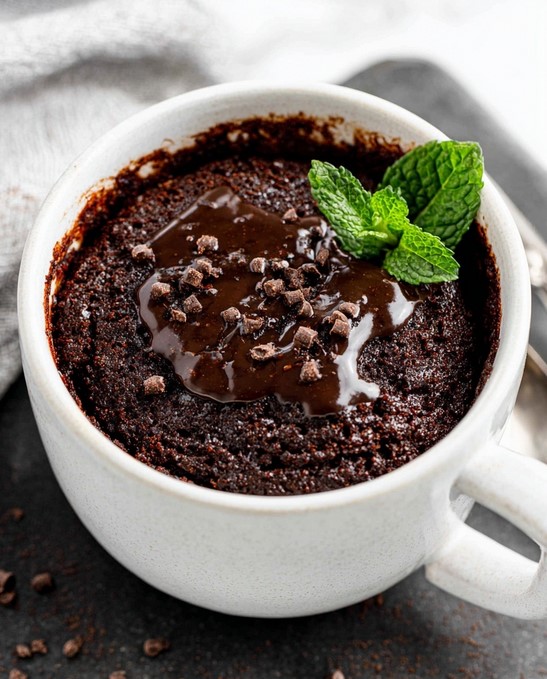









This article is a godsend! I’m always looking for quick and easy diabetic-friendly desserts. But I’m a bit skeptical about some of these ingredients. “Fat bombs,” for example, sound really unhealthy, even if they’re low in sugar. And are these artificial sweeteners like erythritol and stevia really safe for long-term consumption? I’ve heard mixed things. Also, the article mentions that these desserts are ready in under 20 minutes, but is that realistic for someone who’s not a seasoned baker? I’d love to see some step-by-step instructions or maybe even videos to make it easier to follow.
Hi Barbara, thanks for your comment! I’m glad you found the article helpful. You’re right to question the term “fat bombs.” While it might sound unhealthy, it refers to snacks that are high in healthy fats and low in carbs, which can be beneficial for stabilizing blood sugar levels. These fats help you feel full and satisfied, preventing overeating. As for artificial sweeteners, research on erythritol and stevia generally indicates they are safe for consumption and much better than sugar, especially for people with diabetes. However, moderation is always key. The National Institutes of Health (NIH) and the Food and Drug Administration (FDA) have deemed these sweeteners to be safe. But, if you have any concerns, it is always best to speak with a doctor or dietician. Regarding the preparation time, most of these recipes are truly simple and require minimal cooking skills. Many involve just mixing ingredients together and chilling them. I understand your desire for more detailed instructions. I’ll consider adding step-by-step instructions or linking to relevant videos in the future to make the recipes even easier to follow. Thanks for the suggestion!
I’m an avid baker, and while I appreciate the idea of quick desserts, I’m a bit skeptical about the taste and texture of some of these recipes. For example, can a “no-bake” cheesecake really compare to the real deal? And using avocado in a chocolate pudding sounds, well, interesting, but I’m not sure it would satisfy my chocolate cravings. Do you have any tips for ensuring these desserts are actually delicious and not just “good for being sugar-free”? Also, I noticed that many recipes call for chilling. Does that mean I can’t eat them immediately? I want a dessert that’s ready when my craving strikes, as your title suggests.
Hi Patricia, thanks for your comment! As an avid baker myself, I understand your concern about taste and texture. I agree that nothing can truly replace a traditional cheesecake, but the no-bake version offers a creamy, satisfying alternative that’s much quicker to make and lower in carbs. The avocado in the chocolate pudding adds a surprisingly creamy texture and richness that many people find delicious. It’s worth trying at least once! To enhance the flavor of these desserts, I recommend using high-quality ingredients, such as good quality cocoa powder and vanilla extract. Don’t be afraid to adjust the sweetness and flavorings to your liking. As for the chilling time, it’s often necessary to allow the desserts to set and the flavors to meld. However, you can usually sneak a taste before they’re fully chilled! Think of it as a little preview. Also, some recipes, like the fat bombs, can be enjoyed right away. I hope this helps!
These desserts look delicious and quick, which is exactly what I need! My concern is with the ‘fat bombs.’ I know they’re low-carb, but are they really healthy? I’m also watching my fat intake, especially saturated fat. Could you elaborate on the types of fats used in these recipes and if there are any healthier substitutions we could make?
Hi Betty, thanks for your great question! It’s important to be mindful of fat intake, even on a low-carb diet. The term ‘fat bomb’ simply refers to a food that is high in fat and low in carbohydrates, often used to help with satiety on low-carb diets. However, the type of fat is crucial.
In the peanut butter and spiced pecan pie fat bombs mentioned, the primary fats come from peanut butter and pecans, respectively. These contain primarily monounsaturated and polyunsaturated fats, which are considered healthy fats. However, they also contain some saturated fat.
Here are some ways to make these even healthier:
Choose natural peanut butter: Avoid peanut butters with added sugars and hydrogenated oils (trans fats).
Use a mix of nuts: Instead of only pecans, you could incorporate other nuts like walnuts or almonds, which have a slightly different fatty acid profile.
Be mindful of portion sizes: Even healthy fats should be consumed in moderation. These are calorie-dense.
For other fat bomb recipes not specifically listed here, it’s important to pay attention to the ingredients. Look for recipes that prioritize healthy fats like those found in nuts, seeds, avocados, olive oil, and coconut oil. Minimizing saturated fats from butter, cream cheese (in large amounts), and coconut oil (in large amounts) is a good general rule. Thanks for bringing up this important point about fat quality!
These recipes are perfect for my late-night sweet cravings! I especially like the idea of the mug cake and the no-bake cheesecake. My question is about storage. Since these are quick recipes, I assume they’re best eaten fresh. But if I wanted to make a larger batch of something, like the cheesecake or the fat bombs, how should I store them to maintain their texture and flavor?
Hi Helen, thanks for your question! It’s a great point about storage, especially for these quick and easy desserts. You’re right, many of them are best enjoyed fresh, but some can be stored for later.
Here are some storage tips:
Peanut Butter Fat Bombs/Spiced Pecan Pie Fat Bombs: These are best stored in the refrigerator in an airtight container for up to a week. They can also be frozen for longer storage (up to a month). Just let them thaw in the refrigerator before eating.
Almond Flour Mug Cake: This is truly best eaten fresh. It tends to dry out quickly, so it’s not recommended to store it for more than a day or two in an airtight container at room temperature. You could make the batter ahead of time and store it in the refrigerator for a day or two, then bake it in the microwave when you’re ready to eat it.
Chia Seed Pudding: This can be stored in the refrigerator for up to 3-4 days in an airtight container.
Chocolate Coconut Haystacks: These can be stored at room temperature in an airtight container for up to a week.
“No-Bake” Keto Cheesecake: This should be stored in the refrigerator in an airtight container for up to 3-4 days.
In general, refrigerating these desserts will help maintain their freshness and prevent spoilage. For anything with a creamy or moist texture, airtight containers are essential to prevent them from drying out. Thanks for asking about storage – it’s a very practical consideration!
This sounds too good to be true! Desserts in under 20 minutes that are actually okay for diabetics? I’m skeptical, especially about that “Chocolate Chip Cookie Dough” one. Isn’t raw flour dangerous? And what’s a “fat bomb” anyway, LOL? It doesn’t sound very healthy, even if it is sugar-free. Also, where do I find some of these ingredients? My local grocery store doesn’t carry stuff like erythritol, and I’m not even sure what that is.
Hi Betty, I understand your skepticism! It’s natural to be cautious, especially when it comes to managing diabetes. Let me address your concerns. The “Chocolate Chip Cookie Dough” bites are completely safe to eat because they don’t contain any raw flour. The recipe likely uses a combination of almond flour and other ingredients to mimic the texture and flavor of cookie dough without the risk.
As for “fat bombs,” the name might sound a little strange, but they’re essentially small, energy-boosting snacks that are high in healthy fats and low in carbs. The healthy fats, like those from peanut butter or coconut oil, can help you feel full and satisfied, and they have a minimal impact on blood sugar levels. The peanut butter ones do not even require any cooking or baking, so try those first!
Regarding ingredients like erythritol, it’s a sugar alcohol that’s often used as a natural sweetener in low-carb and diabetic-friendly recipes. It has a very low glycemic index, meaning it doesn’t cause a significant spike in blood sugar. You might be able to find it in larger grocery stores or health food stores, but if not, you can easily order it online. I hope this helps!
Okay, I’m intrigued! These recipes sound delicious, and I love that they’re quick and easy. But I’m not much of a baker, and I’m worried about messing them up. Which recipe would you recommend for a complete beginner? Also, the article mentions using these desserts as a way to satisfy cravings. But won’t eating sweets just make me crave them more? I’m trying to break my sugar addiction, not feed it!
Hi Susan, I’m glad you’re interested in trying the recipes! If you’re a beginner baker, I’d definitely recommend starting with the Peanut Butter Fat Bombs, the Chocolate Coconut Haystacks or the Whipped Coconut Cream with Berries. They require no baking at all and are practically foolproof! You just mix the ingredients together and you’re good to go. Also, all three of these are very customizable.
As for your concern about cravings, it’s a valid one. However, these desserts are designed to be low in sugar and high in healthy fats and fiber, which can help stabilize blood sugar levels and prevent the crashes that often lead to more cravings. While it is true that sugar can be addicting, these desserts use sugar substitutes. By satisfying your sweet tooth with these healthier alternatives, you might find it easier to manage your overall sugar intake. Plus, enjoying a treat now and then can make your healthy eating plan more sustainable in the long run. Remember, moderation is key! Let me know if you have any other questions.