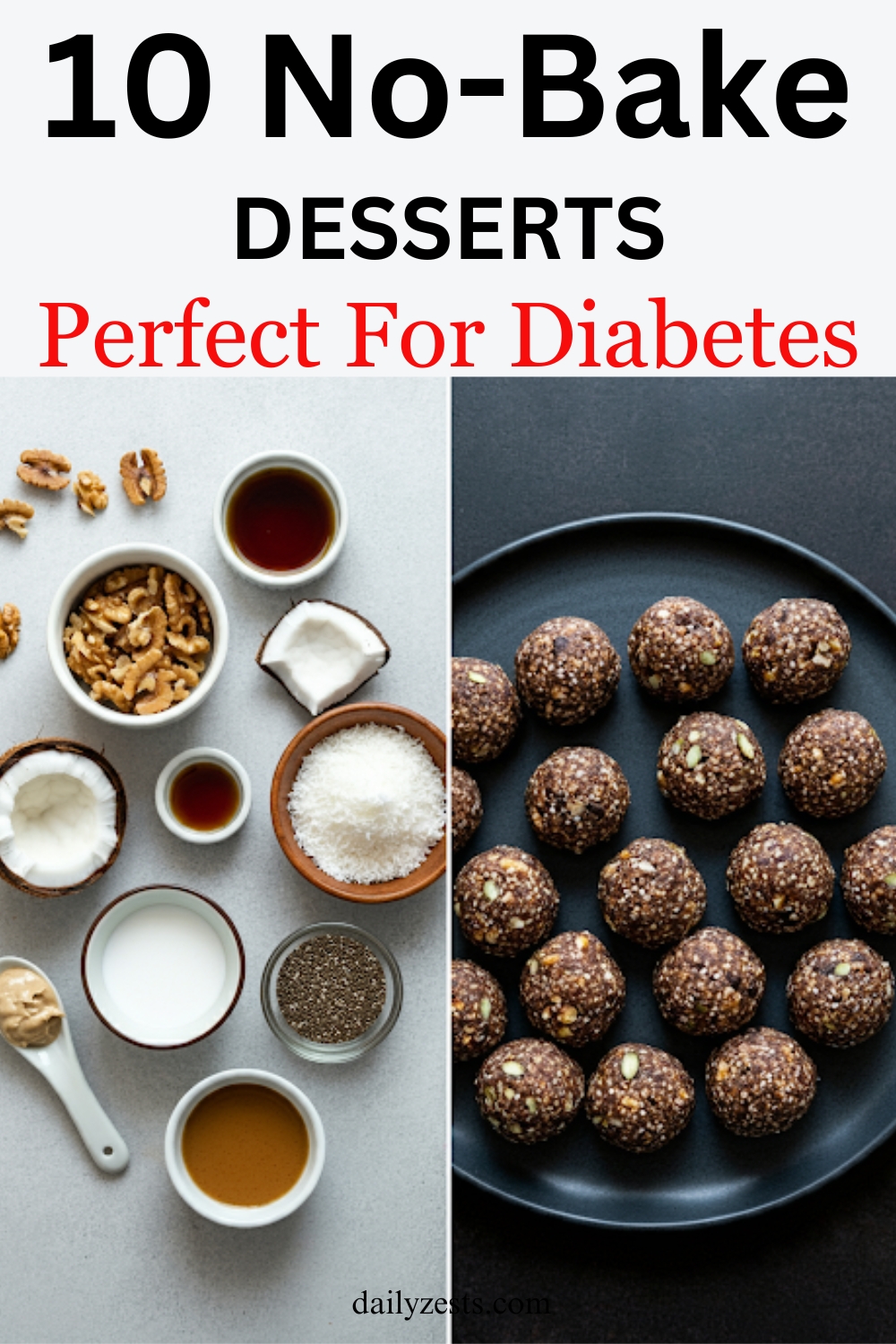
Finding no bake diabetic desserts that actually satisfy a sweet tooth shouldn’t require complicated prep. These ten quick, carb-conscious recipes skip the oven entirely. You get sticky peanut butter bites and creamy mousse layers that come together in minutes.
Just a heads-up: The recipes below are organized around smart-carb principles to fit a diabetes-friendly routine, but they aren’t medical advice. Everyone’s carb tolerance varies, so always consult your healthcare team and test your own blood sugar.
When mapping out a lower-carb dessert strategy, focusing on the balance of dietary fiber, protein, and lower net carbs is generally considered a smart approach. By swapping refined flours for nut bases and utilizing alternative sweeteners, these recipes keep the macro profile in check.
Following frameworks like the American Diabetes Association’s Diabetes Plate Method encourages overall balance. While desserts aren’t on the main plate, choosing options rich in fiber or healthy fats may help support a more gradual digestion process compared to standard sugary sweets.
Why These No-Bake Recipes Earn Their Spot
Macro-conscious: Every recipe is anchored by lower net carbs and mindful sugar counts.
Zero-bake time: Perfect for warm nights or busy weekdays when you can’t be bothered to preheat an oven.
Whole-food focus: They rely heavily on nuts, seeds, berries, and high-quality dark chocolate.
Family-approved: These treats focus on rich textures and real flavors, skipping that artificial “diet food” aftertaste.
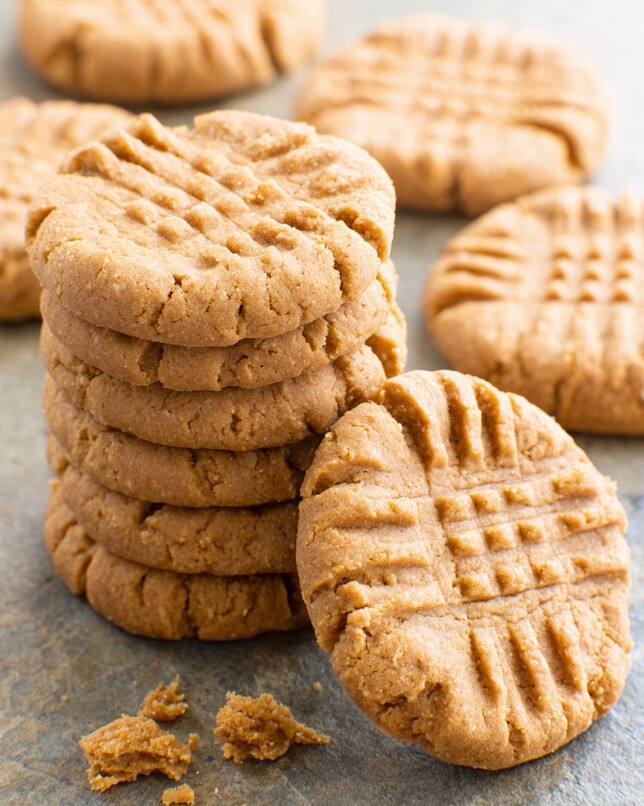
Rich, dense, and deeply satisfying, these one-bowl bites deliver serious peanut butter flavor. They have a fabulous fudgy center that feels substantial, making them the perfect grab-and-go option when you need something sweet without a sink full of dishes.
The carb-conscious logic: Built on peanut butter for a dose of fat and protein, these bites come in at just 1.7g net carbs per serving, making them an easy fit for a low-carb routine.
🕒 Active Prep: 10 minutes
1.7g Net Carbs •1.6g Fiber •0.6g Sugar • 3.7g Protein • 109 kcal
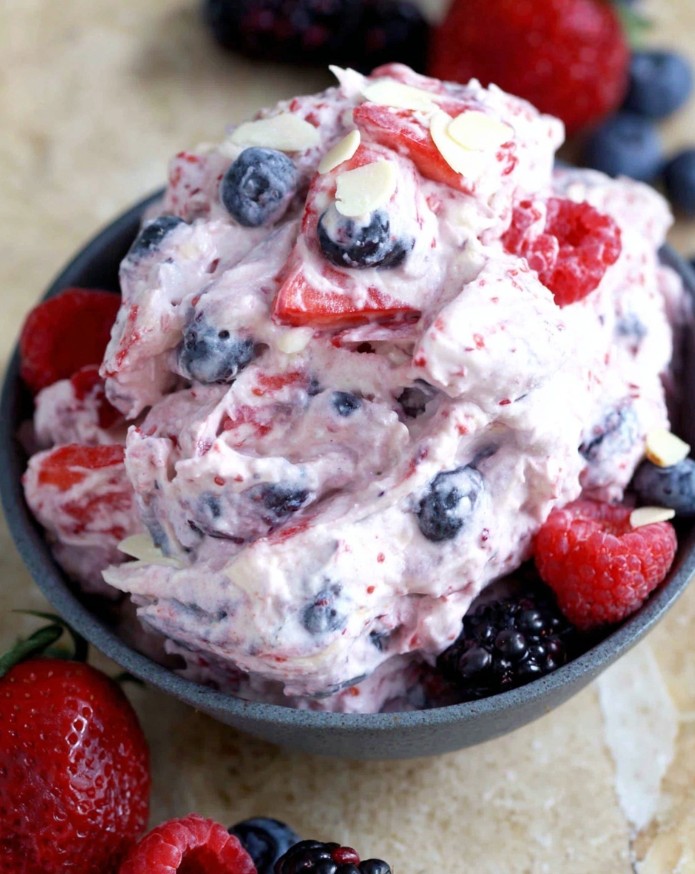
A cool, fluffy spoon-dessert packed with juicy mixed berries. We blend everything start-to-finish in a single bowl, achieving a beautifully creamy texture that rivals any traditional bakery slice. My family requests this one constantly.
How it balances your macros: By ditching the traditional graham cracker crust and leaning on berries for natural sweetness and fiber, this cheesecake alternative keeps the net carbs reasonably low.
🕒 Ready in: 35 minutes
5.3g Net Carbs •2g Fiber •4.3g Sugar • 2.3g Protein • 97 kcal
Warm cinnamon and toasted almond flavors take center stage in this simple snack. They pack a solid crunchy texture from the almonds while a monk fruit blend keeps things perfectly sweet without the heavy syrup.
Why this snack makes the cut: Incorporating almonds adds both protein and dietary fiber, which is generally considered helpful for supporting a more balanced nutritional profile.
🕒 Active Prep: 15 minutes
4.2g Net Carbs •3g Fiber •1.1g Sugar • 12.9g Protein • 207 kcal
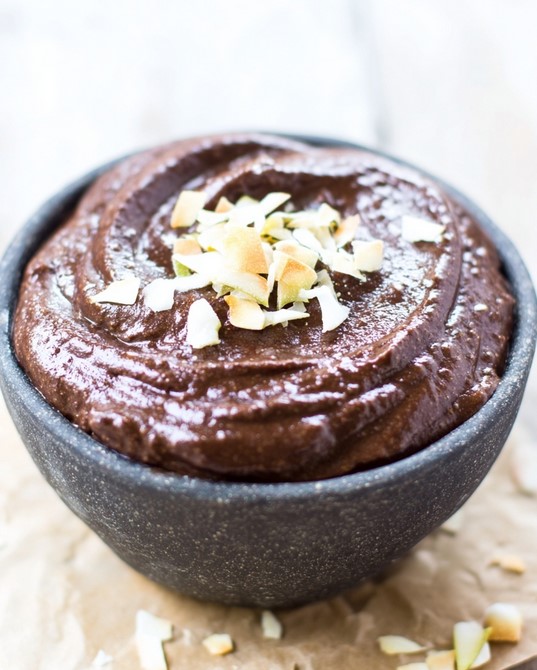
Okay, can we talk about how a food processor works magic here? This dairy-free mousse whips up into a surprisingly rich, airy whip in just five minutes. It’s elegant enough for dinner guests but easy enough for a Tuesday.
The smart-carb breakdown: It skips refined sugar entirely, relying instead on keto-friendly bases that provide a rich mouthfeel while staying at 4.5g net carbs per serving.
🕒 Active Prep: 5 minutes
4.5g Net Carbs •7.6g Fiber •0.8g Sugar • 3.6g Protein • 158 kcal
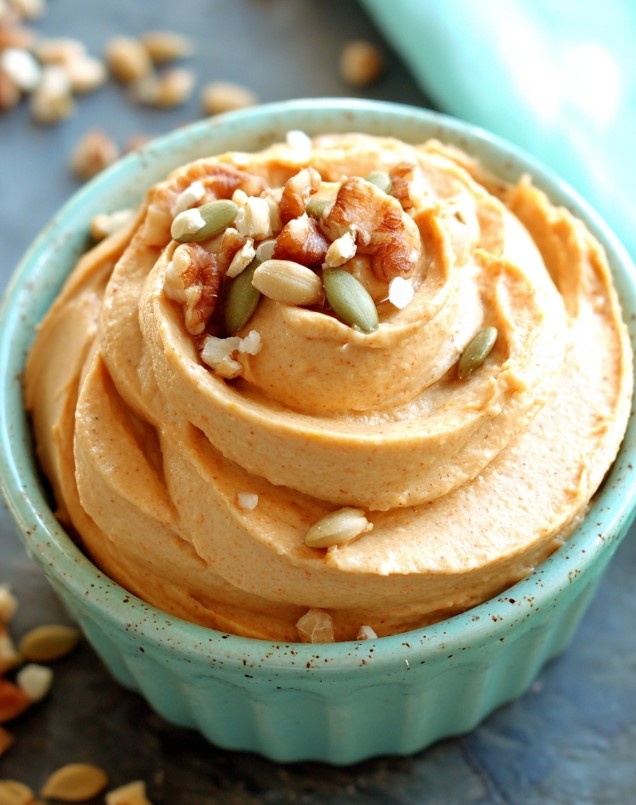
Forget waiting for fall to enjoy warm spices. This light mousse uses a balanced amount of coconut cream to create a beautiful piped swirl and a rich mouthfeel without the heavy effort of baking a traditional pie.
Why this treat works: Real pumpkin provides a touch of natural fiber, while the coconut cream base adds satisfying fats, contributing to a lower-carb profile that fits a diabetes-friendly meal plan.
🕒 Ready in: 10 minutes
3.5g Net Carbs •2.5g Fiber •2g Sugar • 3.5g Protein • 100 kcal
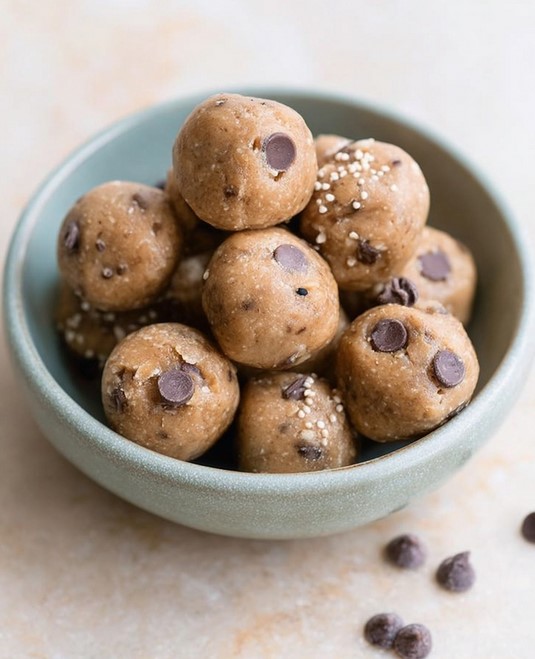
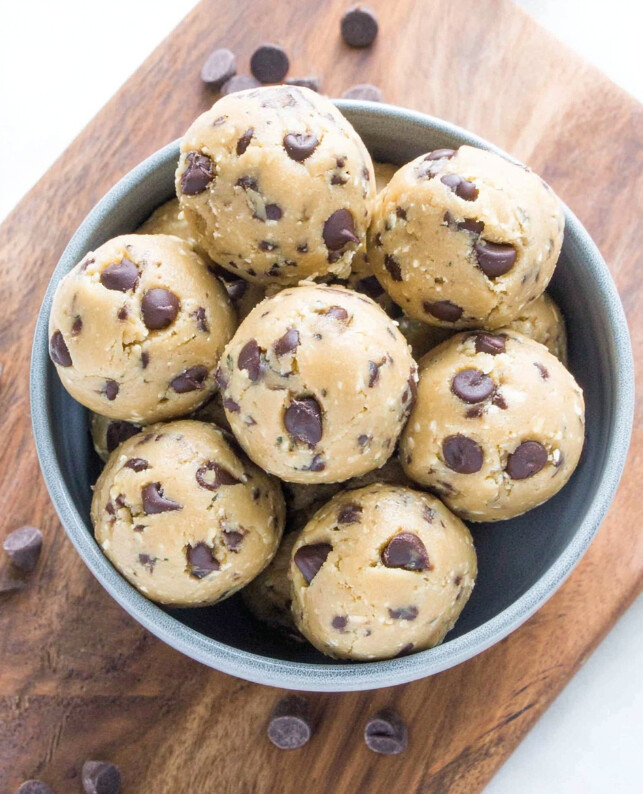
Capture that nostalgic joy of licking the mixing bowl without the raw eggs or flour. A touch of ground flaxseed adds a fantastic chewy texture to these bites. Quick—are you Team Chocolate Chip or Team Peanut Butter Chip?
The macro-conscious logic: Enhanced with flaxseed for extra dietary fiber, these bites skip conventional wheat flour to stay at just 4g net carbs per piece.
🕒 Ready in: 10 minutes
4g Net Carbs •3g Fiber •1g Sugar • 5g Protein • 132 kcal
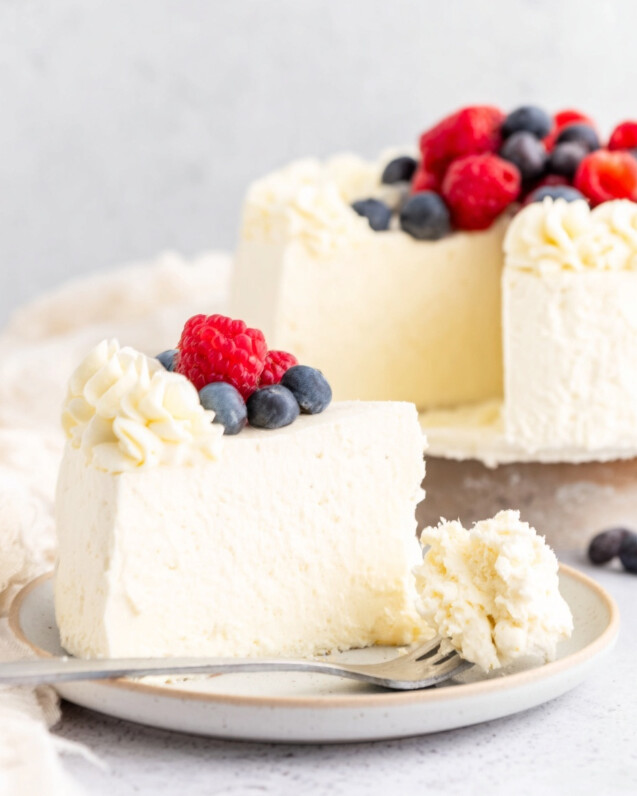
We increased the yogurt slightly here to boost the creaminess, resulting in a fantastic airy lightness that feels incredibly sophisticated. It’s a wonderful alternative to a dense, heavy cake block, and it only requires three ingredients.
How this dessert fits: Using reduced-fat cream cheese and yogurt offers a lighter base with a bump in protein, keeping the net carbs incredibly low at 2g per serving.
🕒 Active Prep: 10 minutes
2g Net Carbs •0g Fiber •2g Sugar • 6g Protein • 120 kcal
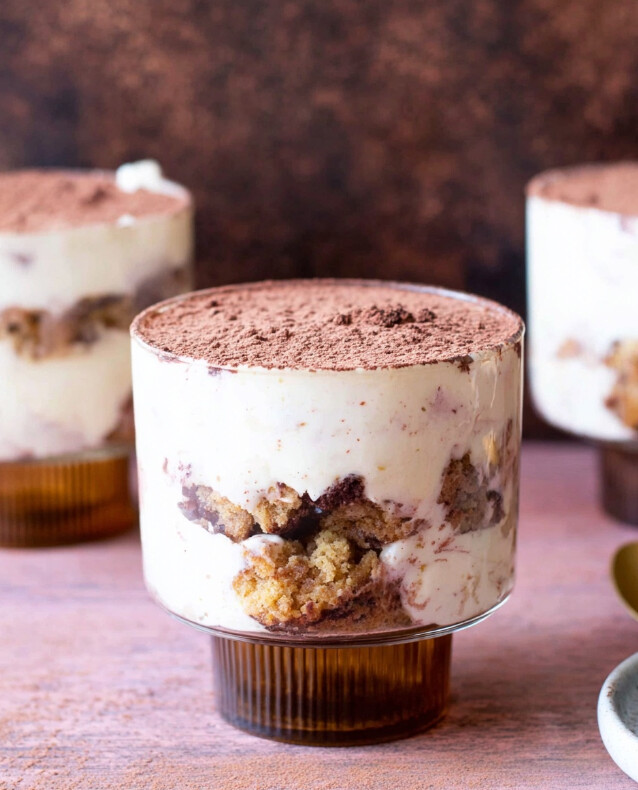
These individually portioned parfaits bring the elegant essence of classic Italian tiramisu right into your kitchen. A toasted almond-espresso crumble pairs beautifully with the creamy layers for a deeply satisfying crunch without the traditional cake sponge.
The diabetes-friendly dessert logic: By swapping traditional ladyfingers for an almond-based crumble, this recipe significantly lowers the carbohydrate load while adding a solid 10g of protein from Greek yogurt.
🕒 Ready in: 18 minutes
4g Net Carbs •1g Fiber •3g Sugar • 10g Protein • 130 kcal
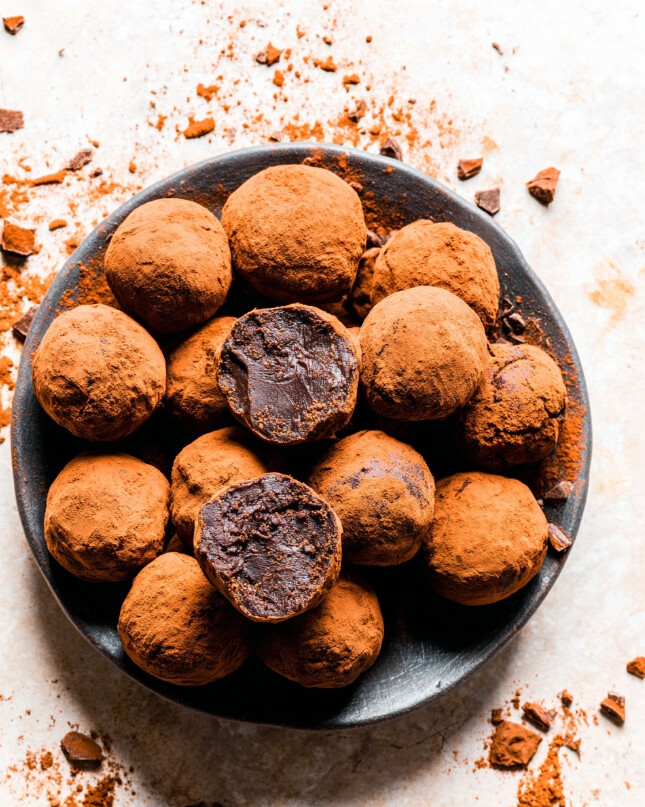
These luxurious truffles prove you don’t need a massive pantry to create a sophisticated dessert. Focusing on high-quality dark chocolate yields a deeply intense flavor that’s perfectly portioned for a quick evening treat.
The carb-aware breakdown: High-percentage, sugar-free dark chocolate is naturally lower in sugar and higher in fiber, which is generally considered a smart choice for carb-conscious snacking.
🕒 Active Prep: 15 minutes
2.5g Net Carbs •3.9g Fiber •0.2g Sugar • 0.9g Protein • 59 kcal
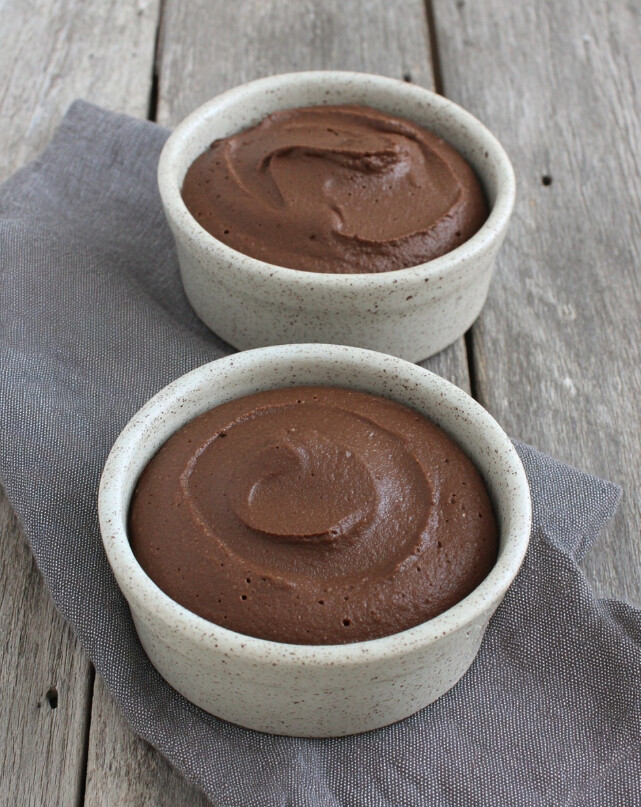
If you loved the truffles, you’ll be all over these simple protein cups. They swap heavy coconut bases for an ingredient that creates an impossibly silky texture. It feels like a fancy confection but takes mere minutes to prep.
Why this bite works: Incorporating a protein-forward base instead of sugar-heavy fillers helps balance the macro profile, maintaining an easy 4g of net carbs per cup.
🕒 Active Prep: 10 minutes
4g Net Carbs •2g Fiber •1g Sugar • 5g Protein • 117 kcal
Respect the chill time: No-bake recipes rely on cold temperatures to set properly. Don’t rush the fridge time if you want that clean slice or perfect texture.
Check your sweetener conversions: If you swap monk fruit for stevia or allulose, check the brand’s conversion chart. They don’t all measure 1:1 like sugar.
Mind the portions: Even with low net carbs, nuts and heavy creams add up. Sticking to the listed serving sizes helps keep these treats within a balanced meal plan.
Storage is everything: Keep mousse and cheesecake desserts tightly covered in the fridge so they don’t absorb other food odors. Keep protein bites in the freezer for a firmer chew.
Common Questions About Low-Carb Sweets
Are no-bake desserts okay for a diabetes-friendly diet?
They certainly can be when properly planned. Desserts built on nuts, seeds, and alternative sweeteners are generally considered more macro-friendly than traditional baked goods, as noted by the American Diabetes Association. It always comes down to portion size and what else you’re eating that day.
What’s the difference between total carbs and net carbs?
Total carbs include all the different types of carbohydrates in a food. Net carbs are calculated by subtracting fiber (and sometimes certain sugar alcohols) from the total carbs. Since fiber isn’t fully digested, tracking net carbs is a common approach for those monitoring their daily intake.
Can I use regular chocolate instead of sugar-free in these recipes?
You can, but it will change the nutrition profile. Using standard milk or semi-sweet chocolate will significantly increase the sugar and net carbs per serving. If you want to keep the carb count low, stick to a sugar-free brand or a very high percentage dark chocolate.
Which of these quick, carb-conscious treats is making its way into your dessert rotation this week? The beauty of skipping the oven is that you can decide you want dessert and have it prepping in the fridge ten minutes later. Don’t forget to save this list to your favorite Pinterest board so you have it ready the next time a sweet craving hits on a busy evening!
The nutritional data and recipes shared here are provided for informational and educational purposes only and are not intended as a substitute for professional medical, dietary, or nutritional advice. Because individual carb tolerance and metabolic responses vary, readers must monitor their own blood sugar and consult a qualified physician or registered dietitian before making any changes to their diet, especially if taking insulin or other medications. Statements regarding macros and ingredients have not been evaluated by the FDA and are not intended to diagnose, treat, cure, or prevent any disease. Nutritional values are estimates.
Kristina Hanson is an independent wellness researcher and the founder of DailyZests. She specializes in translating nutritional science into simple, delicious recipes that fit into real life. When she isn’t in the kitchen, you’ll find her hiking the trails or enjoying a slow morning coffee with her Golden Retriever, Barnaby. Read her full story.
These recipes sound delicious, but I’m a little concerned about the use of artificial sweeteners. I’ve heard mixed things about their impact on health, and I’m especially wary of them as someone with diabetes. Are there any truly natural, diabetic-friendly sweeteners that you recommend? Also, could these desserts potentially cause digestive issues for someone not used to sugar substitutes or high-fat ingredients?
Hi Emily, thanks for raising these important points! You’re right to be mindful of the type of sweeteners you consume, especially with diabetes. While the article mentions natural sweeteners like erythritol, stevia, and monk fruit, it’s important to understand that “natural” doesn’t always mean “perfect” for everyone.
Erythritol is a sugar alcohol that is generally well-tolerated and has a minimal impact on blood sugar. Stevia and monk fruit are plant-derived sweeteners that are also considered safe for people with diabetes. However, some individuals may experience digestive discomfort, such as bloating or gas, with any of these sweeteners, especially when consumed in large quantities. It is also worth noting that everyone reacts differently to different sweeteners.
If you’re concerned about artificial sweeteners or any sugar substitutes, here are a few other options to consider:
Allulose: This is a newer sweetener that is a type of “rare sugar” found naturally in small amounts in some foods. It has a similar taste and texture to sugar but with minimal calories and a negligible impact on blood sugar. It is worth noting that some individuals find that it causes stomach upset.
Yacon Syrup: Derived from the yacon plant, this syrup is lower in calories than sugar and has a lower glycemic index.
Dates (in moderation): While dates are high in natural sugars, they also contain fiber, which can help slow down sugar absorption. You can use pureed dates as a sweetener in some recipes, but be mindful of the portion size.
Regarding digestive issues, it’s possible that any dietary change, including introducing new sweeteners or increasing fat intake, could cause temporary digestive upset. It’s always best to start slowly and see how your body reacts. Gradually increasing your intake of fiber and healthy fats can help your digestive system adjust. It might be helpful to start with a small portion of these desserts to see how you tolerate them. If you experience persistent digestive problems, it’s a good idea to consult with a doctor or a registered dietitian. They can help you determine the best approach for managing your diabetes and satisfying your sweet tooth without causing discomfort.
I’m excited to try these recipes, especially the fat bombs! But I’m a little confused about the difference between all the different types of fat bombs mentioned. Could you explain the differences between them a bit more? Also, are these desserts really filling enough to satisfy a craving, or will I just end up wanting more sweets afterward?
Hi Ashley, it’s great that you’re interested in the fat bombs! They’re definitely a fun and tasty way to incorporate healthy fats into your diet.
The main difference between the fat bomb recipes mentioned lies in their flavor profiles and some of their ingredients:
Coconut Fat Bombs: These are the simplest, primarily featuring coconut oil and shredded coconut. They offer a pure coconut flavor and are a great base for other variations.
Lemon Fat Bombs: These add lemon juice and zest to the basic coconut base, providing a refreshing, citrusy twist.
Matcha Green Tea Fat Bombs: These incorporate matcha powder for an earthy, slightly bitter flavor and a boost of antioxidants.
Spiced Pecan Pie Fat Bombs: These use pecan butter and spices like cinnamon and nutmeg to mimic the flavors of pecan pie.
Think of the coconut fat bomb as the “original,” while the others are variations that build upon that base with different flavors and ingredients. All of them, however, share the common thread of being high in healthy fats, particularly from coconut oil or nut butter.
As for satiety, fat bombs are generally quite filling due to their high fat content. Fat takes longer to digest than carbohydrates or protein, which helps to promote a feeling of fullness and satisfaction. This can help to curb cravings for other sweets and keep you feeling satisfied for longer.
However, individual responses can vary. Some people find that a small fat bomb is enough to satisfy their sweet tooth, while others might need a slightly larger portion. It also depends on what else you’ve eaten that day and your overall hunger levels. The key is to listen to your body and pay attention to your hunger and fullness cues. You can adjust portion sizes as needed to find what works best for you.
It is also important to remember that these are treats. They are healthier than your standard dessert, but if you are trying to lose weight, it is still a good idea to eat them in moderation.
Okay, “fat bombs”? Are we trying to scare people away from these desserts? 😂 Also, can I just replace all the almond flour with regular flour? Asking for a friend who’s allergic to healthy living. 😉
Tiffany, I know, the name is a bit much, right? But trust me, these “bombs” are delicious and won’t explode your diet! They are called “Fat bombs” because they are rich in fats, but healthy fats. Think of them as energy bites! As for the almond flour, it’s crucial for keeping these recipes low-carb and blood sugar-friendly. Regular flour would defeat the purpose. Maybe your friend could try coconut flour as an alternative, but it behaves differently in recipes, so some experimentation might be needed! 😉
No-bake, diabetic-friendly, AND delicious? This sounds way too good to be true. I’m expecting these to taste like cardboard. Also, where’s the ice cream? A dessert without ice cream is like a day without sunshine. 🤨
Emily, I promise you, these desserts are the real deal! No cardboard here, just pure deliciousness. Give them a try and prepare to be amazed! And about the ice cream, while it’s not in these particular recipes, there are plenty of diabetic-friendly ice cream recipes out there. You could even make a no-bake cheesecake and serve it with a scoop of sugar-free ice cream. The possibilities are endless! 😊
Okay, these sound delicious, but ‘no-bake’ usually means ‘no-flavor’ in my experience. Are these desserts actually tasty, or will they leave me feeling like I’m eating sweetened cardboard? Also, ‘fat bombs’? That sounds, well, a little scary! Are they really as healthy as they claim to be? And honestly, who has time to make separate desserts? I need something the whole family will enjoy, even the picky eaters!
Hi Reese, I totally get your skepticism! ‘No-bake’ can sometimes be code for ‘bland,’ but I promise these recipes are packed with flavor. We’re using ingredients like natural sweeteners, cocoa powder, nut butters, and spices to create truly delicious treats. And about those ‘fat-bombs’ – the name is a bit intense, but they’re actually a great way to get healthy fats that can help stabilize blood sugar and keep you feeling full. Think of them as little energy bites, not diet food. As for the whole family, many of these recipes can be adapted. For instance, you can make a larger batch of the No-Bake Almond Butter Fudge and just portion out smaller servings for yourself to manage your carb intake. For the pickier eaters, how about the No-Bake Chocolate Chip Cookie Dough Bars? They are sure to be a hit with the whole family! You can also try the Chia Seed Pudding, which can be a base for different toppings. The kids can choose their own fruit and nut combinations, making it a fun and interactive dessert. It’s all about finding that sweet spot (pun intended!) between healthy and delicious that works for everyone. Give them a try, and let me know what you think!
Alright, you’ve got my attention with ‘no-bake’ because I’m pretty sure I’d burn water if I tried to bake. But I’m also on a budget. Are these fancy ingredients going to cost me a fortune? And ‘erythritol’? ‘Stevia’? Are those even real food? Also, what if I don’t have a food processor? Can I still make these, or am I doomed to a life of sugar-free Jell-O?
Hi Jennifer, I hear you! Baking can be intimidating, and nobody wants to break the bank on dessert. The good news is, many of these recipes use common ingredients you might already have, like peanut butter, eggs, and cocoa powder. While some recipes call for things like almond flour or natural sweeteners (erythritol and stevia are plant-based sweeteners, by the way!), you can often find affordable options at most grocery stores or online. And you are right to be skeptical, recent studies show that artificial sweeteners can have a negative impact on gut health. As for the food processor, it’s helpful but not always essential. For recipes like the fat bombs, you can often get by with just mixing the ingredients by hand. For the cheesecakes or cookie dough bars, you might need to get a little creative with mashing or blending, but it’s definitely doable. Think of it as an arm workout! And hey, there’s nothing wrong with sugar-free Jell-O once in a while, but I promise these no-bake desserts are way more satisfying (and delicious!). Don’t be afraid to experiment and find what works for you and your budget. You might be surprised at how easy and affordable it is to make tasty, diabetic-friendly treats!


 This post may contain affiliate links.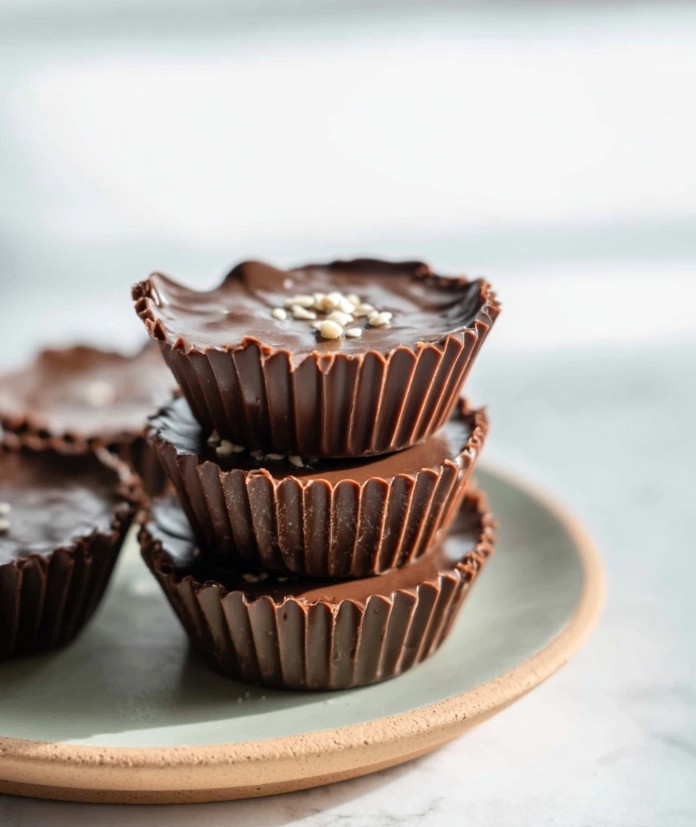






These recipes sound delicious, but I’m a little concerned about the use of artificial sweeteners. I’ve heard mixed things about their impact on health, and I’m especially wary of them as someone with diabetes. Are there any truly natural, diabetic-friendly sweeteners that you recommend? Also, could these desserts potentially cause digestive issues for someone not used to sugar substitutes or high-fat ingredients?
Hi Emily, thanks for raising these important points! You’re right to be mindful of the type of sweeteners you consume, especially with diabetes. While the article mentions natural sweeteners like erythritol, stevia, and monk fruit, it’s important to understand that “natural” doesn’t always mean “perfect” for everyone.
Erythritol is a sugar alcohol that is generally well-tolerated and has a minimal impact on blood sugar. Stevia and monk fruit are plant-derived sweeteners that are also considered safe for people with diabetes. However, some individuals may experience digestive discomfort, such as bloating or gas, with any of these sweeteners, especially when consumed in large quantities. It is also worth noting that everyone reacts differently to different sweeteners.
If you’re concerned about artificial sweeteners or any sugar substitutes, here are a few other options to consider:
Allulose: This is a newer sweetener that is a type of “rare sugar” found naturally in small amounts in some foods. It has a similar taste and texture to sugar but with minimal calories and a negligible impact on blood sugar. It is worth noting that some individuals find that it causes stomach upset.
Yacon Syrup: Derived from the yacon plant, this syrup is lower in calories than sugar and has a lower glycemic index.
Dates (in moderation): While dates are high in natural sugars, they also contain fiber, which can help slow down sugar absorption. You can use pureed dates as a sweetener in some recipes, but be mindful of the portion size.
Regarding digestive issues, it’s possible that any dietary change, including introducing new sweeteners or increasing fat intake, could cause temporary digestive upset. It’s always best to start slowly and see how your body reacts. Gradually increasing your intake of fiber and healthy fats can help your digestive system adjust. It might be helpful to start with a small portion of these desserts to see how you tolerate them. If you experience persistent digestive problems, it’s a good idea to consult with a doctor or a registered dietitian. They can help you determine the best approach for managing your diabetes and satisfying your sweet tooth without causing discomfort.
I’m excited to try these recipes, especially the fat bombs! But I’m a little confused about the difference between all the different types of fat bombs mentioned. Could you explain the differences between them a bit more? Also, are these desserts really filling enough to satisfy a craving, or will I just end up wanting more sweets afterward?
Hi Ashley, it’s great that you’re interested in the fat bombs! They’re definitely a fun and tasty way to incorporate healthy fats into your diet.
The main difference between the fat bomb recipes mentioned lies in their flavor profiles and some of their ingredients:
Coconut Fat Bombs: These are the simplest, primarily featuring coconut oil and shredded coconut. They offer a pure coconut flavor and are a great base for other variations.
Lemon Fat Bombs: These add lemon juice and zest to the basic coconut base, providing a refreshing, citrusy twist.
Matcha Green Tea Fat Bombs: These incorporate matcha powder for an earthy, slightly bitter flavor and a boost of antioxidants.
Spiced Pecan Pie Fat Bombs: These use pecan butter and spices like cinnamon and nutmeg to mimic the flavors of pecan pie.
Think of the coconut fat bomb as the “original,” while the others are variations that build upon that base with different flavors and ingredients. All of them, however, share the common thread of being high in healthy fats, particularly from coconut oil or nut butter.
As for satiety, fat bombs are generally quite filling due to their high fat content. Fat takes longer to digest than carbohydrates or protein, which helps to promote a feeling of fullness and satisfaction. This can help to curb cravings for other sweets and keep you feeling satisfied for longer.
However, individual responses can vary. Some people find that a small fat bomb is enough to satisfy their sweet tooth, while others might need a slightly larger portion. It also depends on what else you’ve eaten that day and your overall hunger levels. The key is to listen to your body and pay attention to your hunger and fullness cues. You can adjust portion sizes as needed to find what works best for you.
It is also important to remember that these are treats. They are healthier than your standard dessert, but if you are trying to lose weight, it is still a good idea to eat them in moderation.
Okay, “fat bombs”? Are we trying to scare people away from these desserts? 😂 Also, can I just replace all the almond flour with regular flour? Asking for a friend who’s allergic to healthy living. 😉
Tiffany, I know, the name is a bit much, right? But trust me, these “bombs” are delicious and won’t explode your diet! They are called “Fat bombs” because they are rich in fats, but healthy fats. Think of them as energy bites! As for the almond flour, it’s crucial for keeping these recipes low-carb and blood sugar-friendly. Regular flour would defeat the purpose. Maybe your friend could try coconut flour as an alternative, but it behaves differently in recipes, so some experimentation might be needed! 😉
No-bake, diabetic-friendly, AND delicious? This sounds way too good to be true. I’m expecting these to taste like cardboard. Also, where’s the ice cream? A dessert without ice cream is like a day without sunshine. 🤨
Emily, I promise you, these desserts are the real deal! No cardboard here, just pure deliciousness. Give them a try and prepare to be amazed! And about the ice cream, while it’s not in these particular recipes, there are plenty of diabetic-friendly ice cream recipes out there. You could even make a no-bake cheesecake and serve it with a scoop of sugar-free ice cream. The possibilities are endless! 😊
Okay, these sound delicious, but ‘no-bake’ usually means ‘no-flavor’ in my experience. Are these desserts actually tasty, or will they leave me feeling like I’m eating sweetened cardboard? Also, ‘fat bombs’? That sounds, well, a little scary! Are they really as healthy as they claim to be? And honestly, who has time to make separate desserts? I need something the whole family will enjoy, even the picky eaters!
Hi Reese, I totally get your skepticism! ‘No-bake’ can sometimes be code for ‘bland,’ but I promise these recipes are packed with flavor. We’re using ingredients like natural sweeteners, cocoa powder, nut butters, and spices to create truly delicious treats. And about those ‘fat-bombs’ – the name is a bit intense, but they’re actually a great way to get healthy fats that can help stabilize blood sugar and keep you feeling full. Think of them as little energy bites, not diet food. As for the whole family, many of these recipes can be adapted. For instance, you can make a larger batch of the No-Bake Almond Butter Fudge and just portion out smaller servings for yourself to manage your carb intake. For the pickier eaters, how about the No-Bake Chocolate Chip Cookie Dough Bars? They are sure to be a hit with the whole family! You can also try the Chia Seed Pudding, which can be a base for different toppings. The kids can choose their own fruit and nut combinations, making it a fun and interactive dessert. It’s all about finding that sweet spot (pun intended!) between healthy and delicious that works for everyone. Give them a try, and let me know what you think!
Alright, you’ve got my attention with ‘no-bake’ because I’m pretty sure I’d burn water if I tried to bake. But I’m also on a budget. Are these fancy ingredients going to cost me a fortune? And ‘erythritol’? ‘Stevia’? Are those even real food? Also, what if I don’t have a food processor? Can I still make these, or am I doomed to a life of sugar-free Jell-O?
Hi Jennifer, I hear you! Baking can be intimidating, and nobody wants to break the bank on dessert. The good news is, many of these recipes use common ingredients you might already have, like peanut butter, eggs, and cocoa powder. While some recipes call for things like almond flour or natural sweeteners (erythritol and stevia are plant-based sweeteners, by the way!), you can often find affordable options at most grocery stores or online. And you are right to be skeptical, recent studies show that artificial sweeteners can have a negative impact on gut health. As for the food processor, it’s helpful but not always essential. For recipes like the fat bombs, you can often get by with just mixing the ingredients by hand. For the cheesecakes or cookie dough bars, you might need to get a little creative with mashing or blending, but it’s definitely doable. Think of it as an arm workout! And hey, there’s nothing wrong with sugar-free Jell-O once in a while, but I promise these no-bake desserts are way more satisfying (and delicious!). Don’t be afraid to experiment and find what works for you and your budget. You might be surprised at how easy and affordable it is to make tasty, diabetic-friendly treats!