We have all had those nights where the house is perfectly quiet, but the mind refuses to clock out. A warm cup of tea before bed is not just about the herbs inside the mug. It is a physical, sensory signal to your body that the day’s work is finally done.
During my years struggling with chronic fatigue, my sleep cycle was entirely unmoored. I would drag myself through the afternoon, only to feel strangely wired at 11 PM. What finally helped me was giving my body a bridge between the chaos of the day and the quiet of the night. Learning to use specific herbs became that bridge.
The right herbal tea for sleep does not force you into drowsiness like a pill. Instead, it gently shifts your nervous system out of overdrive, inviting rest rather than demanding it.
The 5 Best Herbal Tea Blends for Evening Calm
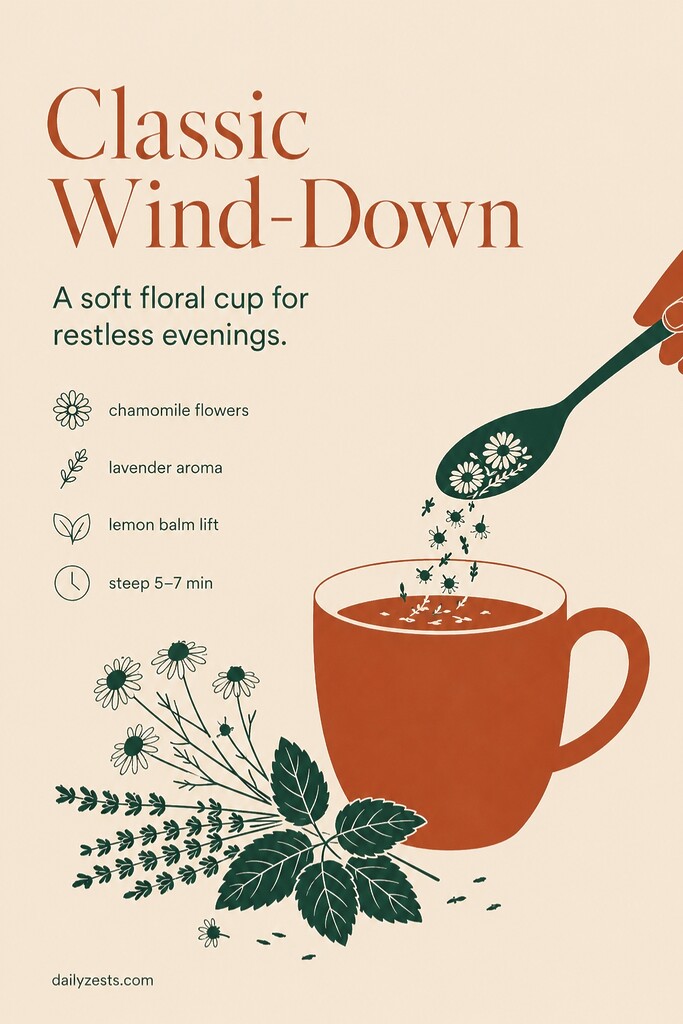
1. The Classic Wind-Down: Chamomile, Lavender, and Lemon Balm
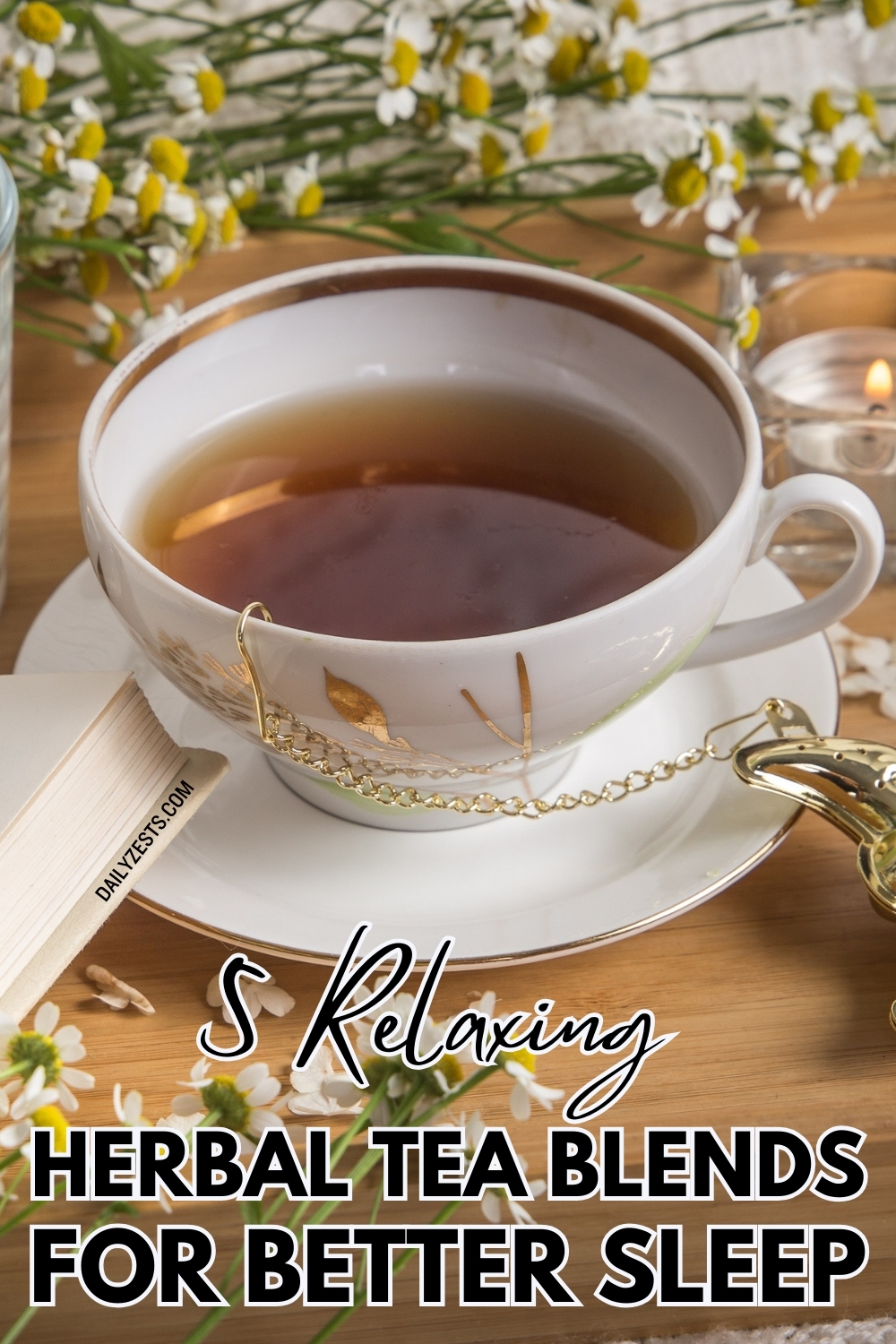
There is a reason chamomile is the most famous sleep herb in the world. It contains an antioxidant called apigenin, which research suggests may bind to specific receptors in your brain involved in anxiety and sleep. But on its own, chamomile can taste a bit like dusty apples.
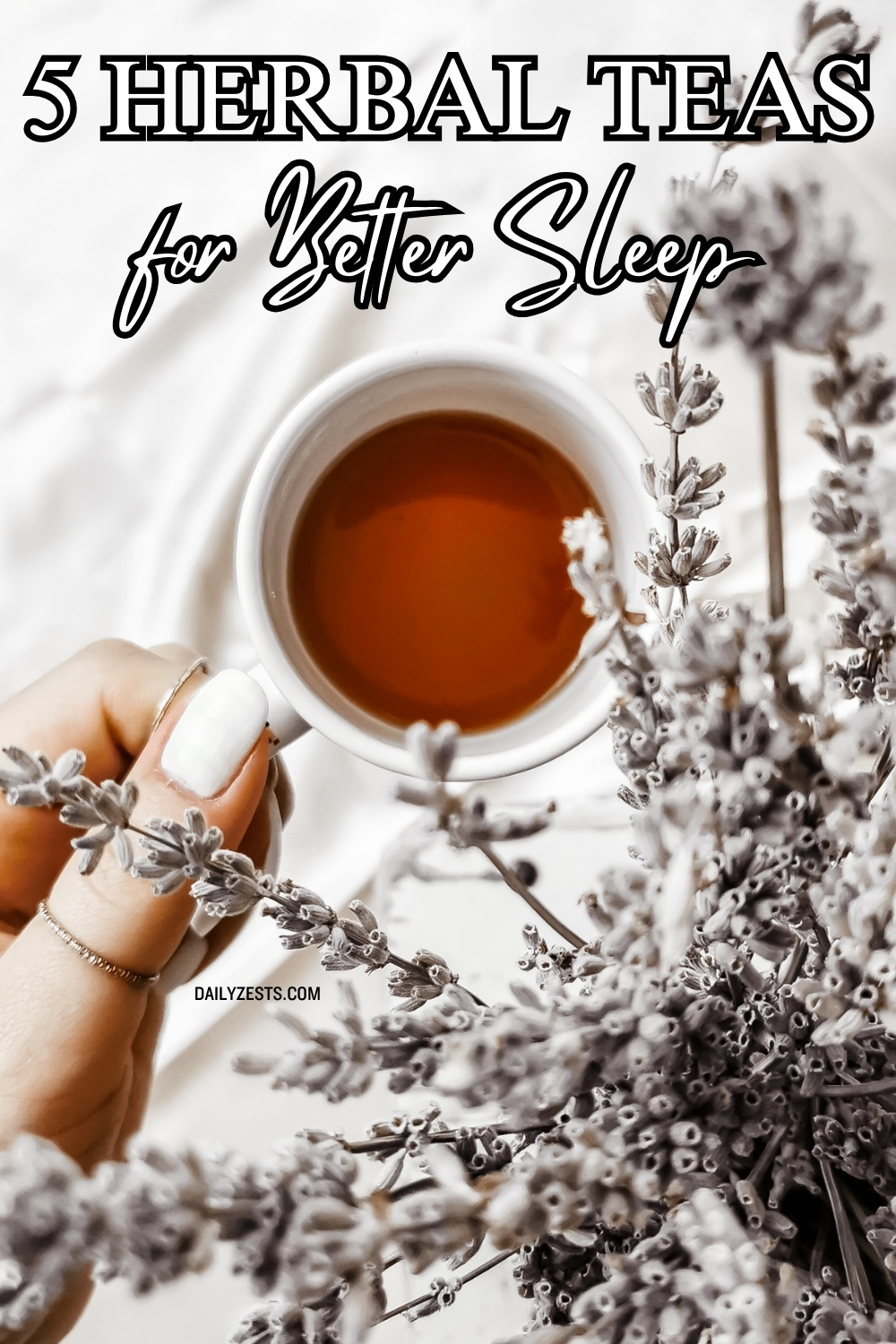
Adding lavender brings a floral depth that works on your sense of smell as much as your digestion. The aroma of lavender has been studied for lowering heart rate and blood pressure. A pinch of lemon balm brightens the whole cup, lifting the heavy floral notes with a soft, citrusy finish. This is the blend I keep in a glass jar on my kitchen counter all winter.
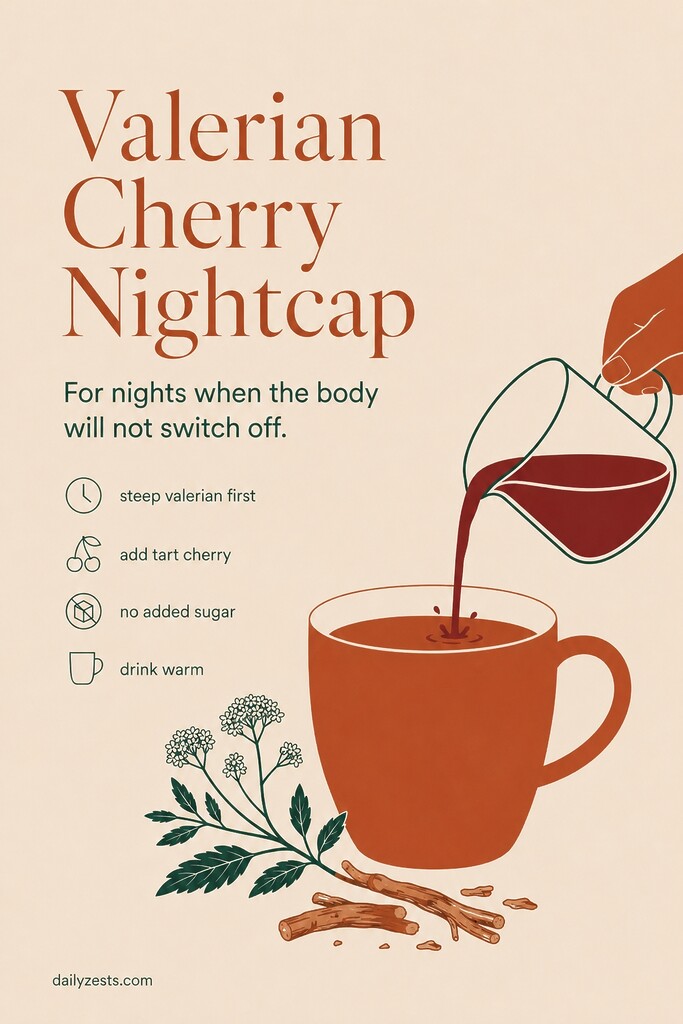
2. The Heavy Hitter: Valerian Root and Tart Cherry
If you need serious help shutting down, valerian root is often the herbalist’s first choice. It has been used for centuries to support deep, restorative sleep. The research on valerian sleep is mixed, but some people find it helpful for quieting physical restlessness.
But let’s be honest: valerian root smells a bit like old gym socks. You probably will not enjoy sipping it on its own.
To fix the flavor, steep the valerian root by itself, then stir in two ounces of pure, unsweetened tart cherry juice before drinking. Tart cherries are one of the few natural food sources of melatonin, the hormone that regulates your sleep-wake cycle. The tart sweetness completely masks the valerian, turning a tough medicinal herb into a pleasant, fruity nightcap.
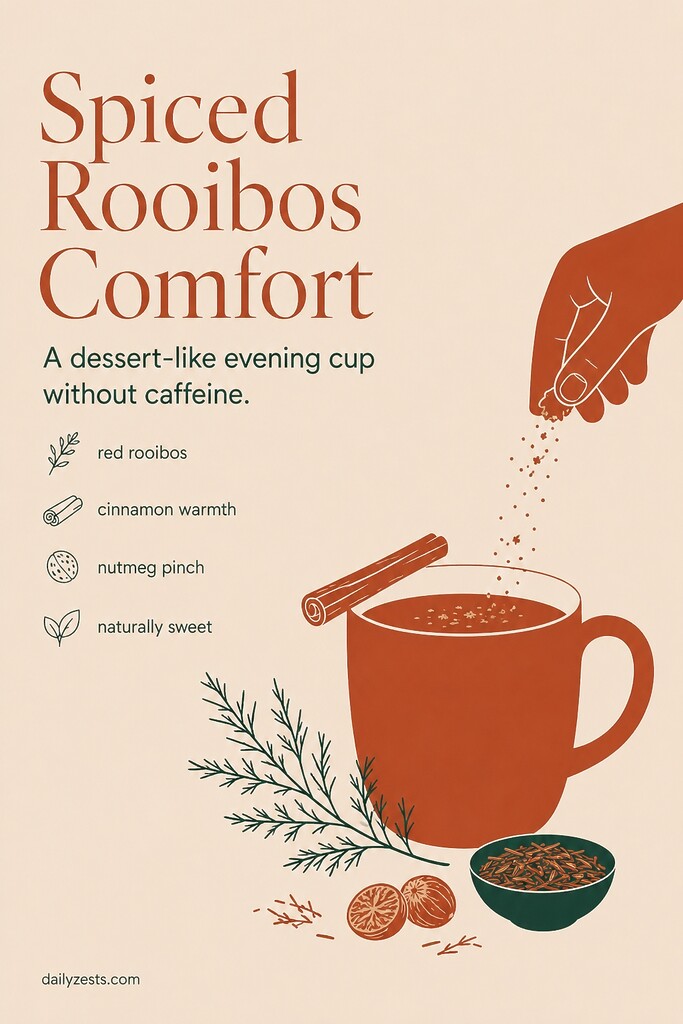
3. The Sweet Comfort: Spiced Rooibos
Sometimes you don’t want a floral or medicinal tea. Sometimes you want dessert in a mug. Rooibos is a red bush tea from South Africa that is completely caffeine-free and naturally sweet, with a warm, nutty flavor.
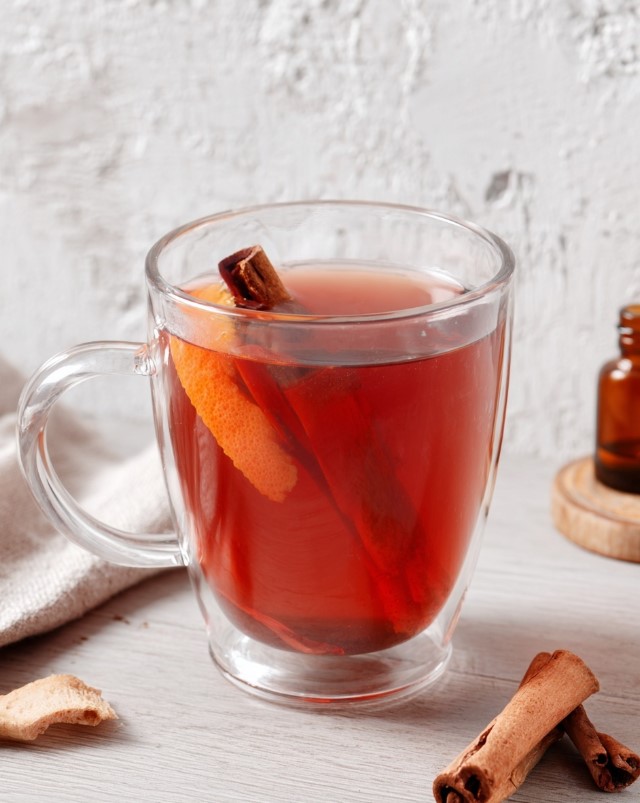
When you simmer rooibos with a cinnamon stick and a pinch of freshly grated nutmeg, you get a rich, comforting drink that satisfies the late-night craving for something sweet. Cinnamon has been studied for blood sugar support, but in this blend, its biggest job is giving you that dessert-like warmth without adding sugar.
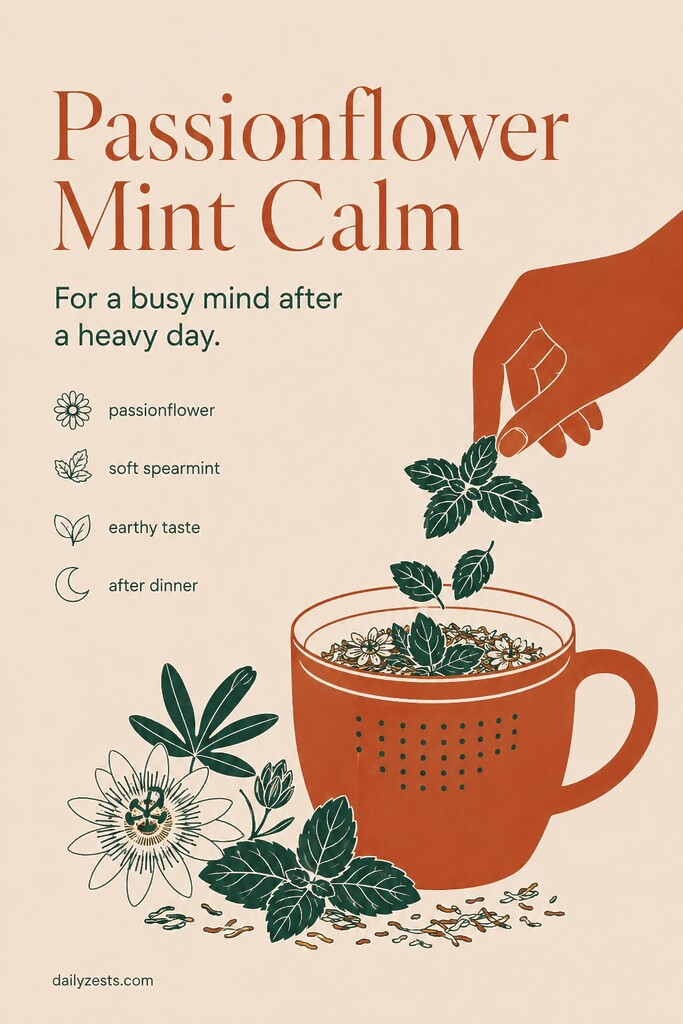
4. The Tension Melter: Passionflower and Spearmint
Passionflower is brilliant for the kind of exhaustion where your mind is racing in loops. While chamomile physically relaxes the body, passionflower seems to quiet the internal chatter. It appears to interact with the brain’s GABA system, a chemical pathway that helps regulate mood and calm the nervous system.
Because passionflower has a very mild, earthy taste, it pairs perfectly with spearmint. Spearmint is softer and sweeter than peppermint, making it ideal for the evening. It also gently supports digestion, which is helpful if a heavy dinner is making it hard to settle down.
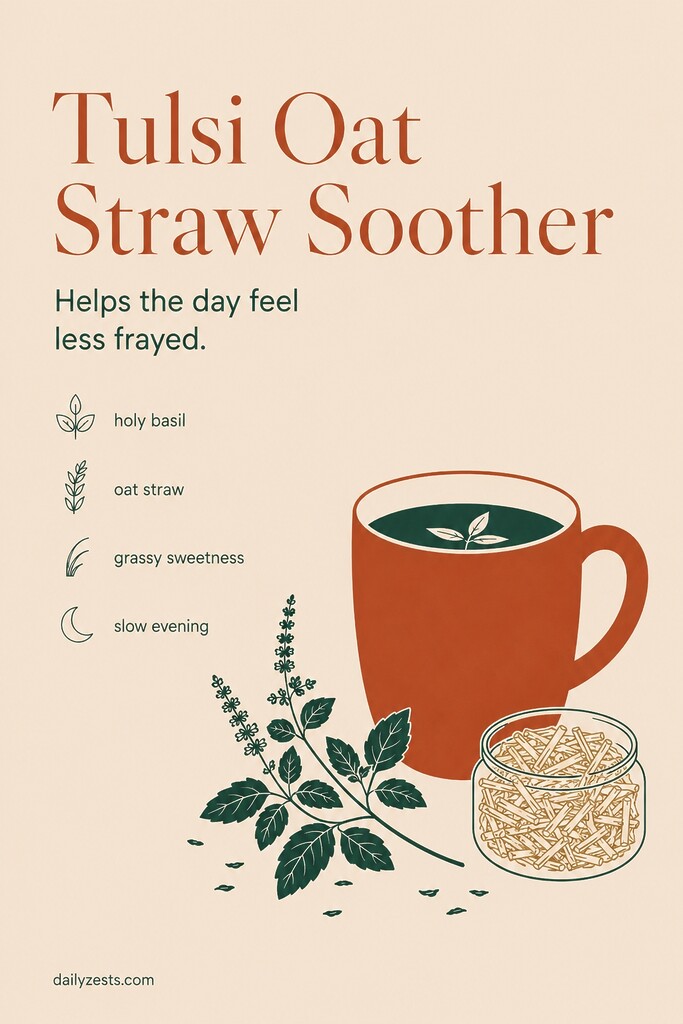
5. The Nervous System Soother: Holy Basil and Oat Straw
This pairing is less about immediate sleepiness and more about recovering from a high-stress day. Holy Basil, often called Tulsi, is an adaptogen. Adaptogens are herbs that help the body respond to stress and maintain balance.
Oat straw is the green, unripened grass of the oat plant. It is deeply nourishing, packed with calcium and magnesium, and tastes slightly sweet and grassy. Together, this blend does not knock you out. It just makes you feel wrapped in a warm blanket, easing the frazzled edges of a long afternoon so your body feels safe enough to rest.
A Quick Note on Brewing for Better Sleep
If you want genuine benefits from your evening tea, try to step away from the dusty, mass-produced tea bags that have been sitting on grocery store shelves for three years. Loose-leaf herbs are far more potent, hold their essential oils better, and honestly, they just taste better.
When you brew these blends, keep two small details in mind:
Watch your water temperature. Boiling water (212°F) can scald delicate flowers like chamomile and lavender, turning them bitter. Let your kettle sit for about two minutes off the heat so the water drops to roughly 200°F before you pour.
Always cover your mug. As herbal tea steeps, the medicinal essential oils evaporate with the steam. Place a small saucer or a lid over your mug for the 5 to 7 minutes it takes to brew. When you lift the lid, tilt it so the condensation drips back into your cup. That is the good stuff.
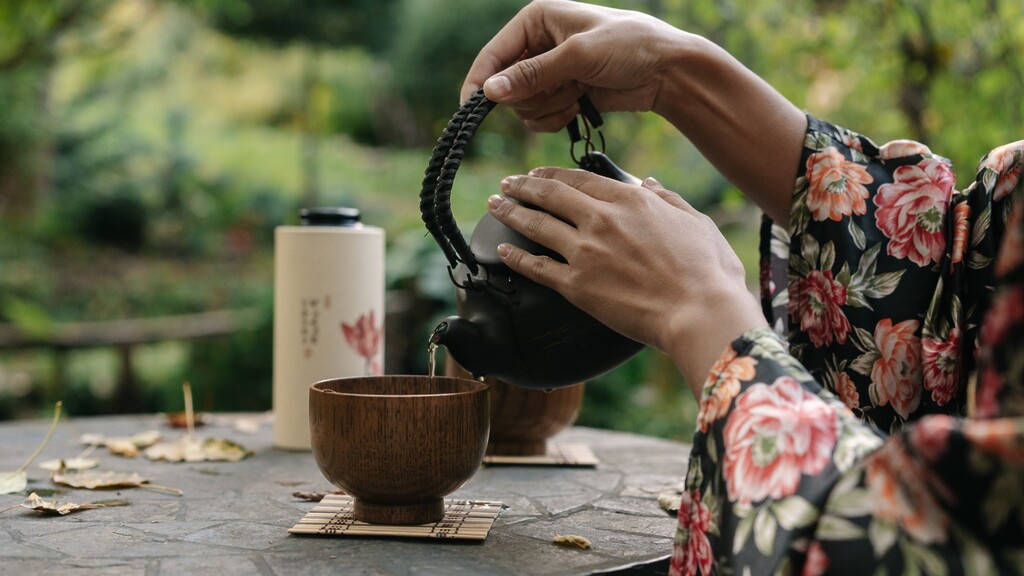
There is no perfect routine. Some nights I measure my loose herbs carefully, and other nights I just toss a handful into a French press. The magic isn’t in brewing it flawlessly. It is in the simple act of choosing to slow down, pouring the hot water, and letting the day finally go.
Kristina Hanson is an independent wellness researcher and the founder of DailyZests. She specializes in translating nutritional science into simple, delicious recipes that fit into real life. When she isn’t in the kitchen, you’ll find her hiking the trails or enjoying a slow morning coffee with her Golden Retriever, Barnaby. Read her full story.



 This post may contain affiliate links.