I used to think fighting my chronic fatigue meant completely overhauling my meals. Looking back, the most lasting changes I made were actually the smallest ones. It turns out, some of the most potent anti inflammatory spices are likely already sitting right in your kitchen cabinet.
Supporting your body doesn’t have to feel like a punishment or a strict regimen. Sometimes, it just looks like adding a little warmth to your morning cup or a dash of earthiness to your roasted vegetables.
A quick note from my kitchen: I am a researcher sharing what works for me, not a medical professional. Always loop in your care team before making dietary shifts, especially if you take medications.
The Everyday Spices That Support a Calm Body
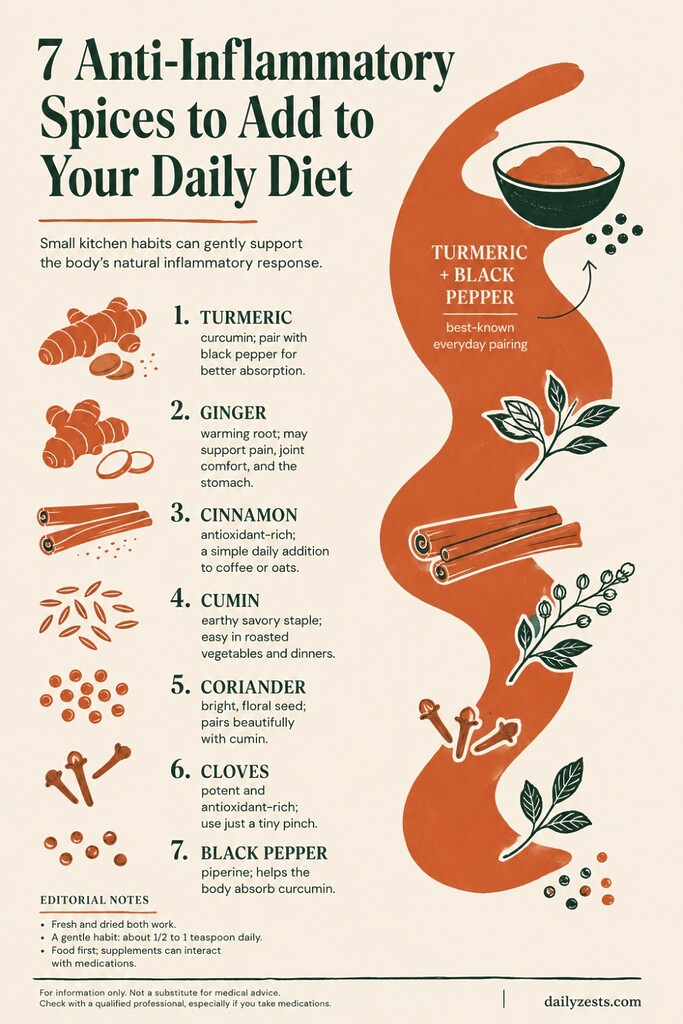
You don’t need a pantry full of expensive superfoods to get started. These seven kitchen staples are widely researched for their ability to gently support the body’s natural inflammatory response.
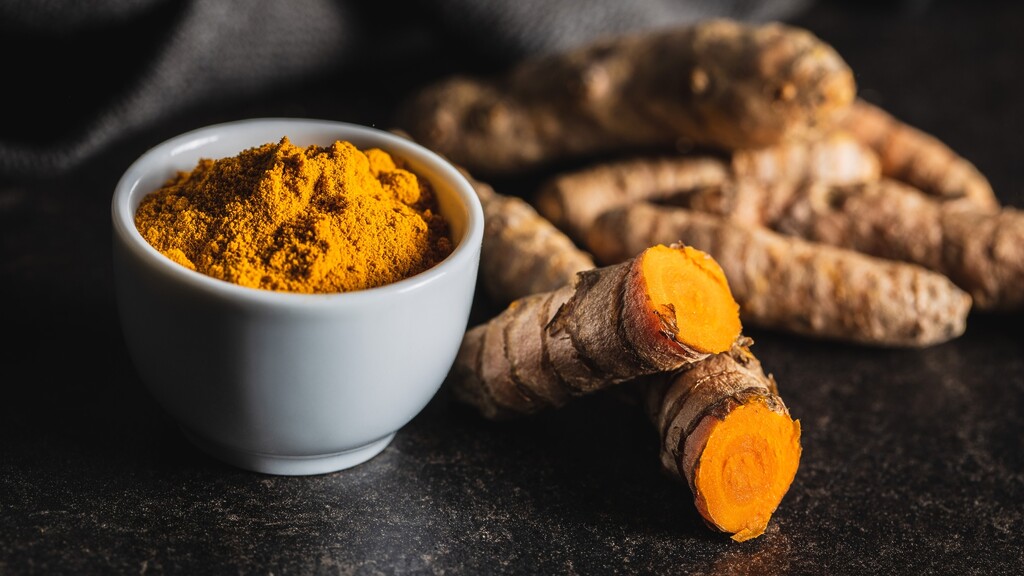
1. Turmeric: The Cabinet Heavyweight
If you’ve spent any time reading about wellness, you’ve probably seen turmeric mentioned. It gets a lot of attention, and for good reason. Turmeric contains a compound called curcumin, which acts a bit like a biological peacekeeper, and research on curcumin supplementation suggests it may help calm inflammatory markers.
There is a catch, though. Curcumin is notoriously difficult for our bodies to absorb on its own. To give it a better shot, pair it with a pinch of black pepper, which can improve absorption, or a source of healthy fat. I like to keep a small jar of pre-mixed turmeric and black pepper on my counter so I can easily toss it into soups, scrambled eggs, or a warm cup of milk.
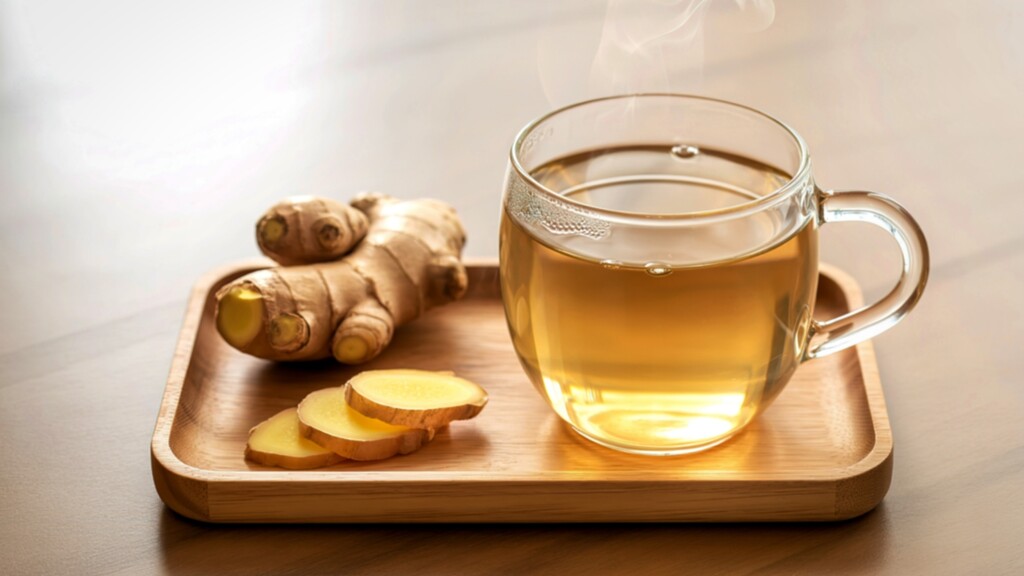
2. Ginger: The Warming Root
Ginger is my favorite way to wake up a dull recipe. It contains gingerol, one active component behind the root’s anti-inflammatory effects, and research suggests ginger may help with pain and joint comfort. Beyond its anti-inflammatory properties, ginger is incredibly soothing on the stomach.
Fresh ginger has a bright, sharp bite, while dried ground ginger is mellower and sweeter. Both are effective. A simple habit is grating fresh ginger into hot water first thing in the morning, or mixing the dried version into a batch of overnight oats.
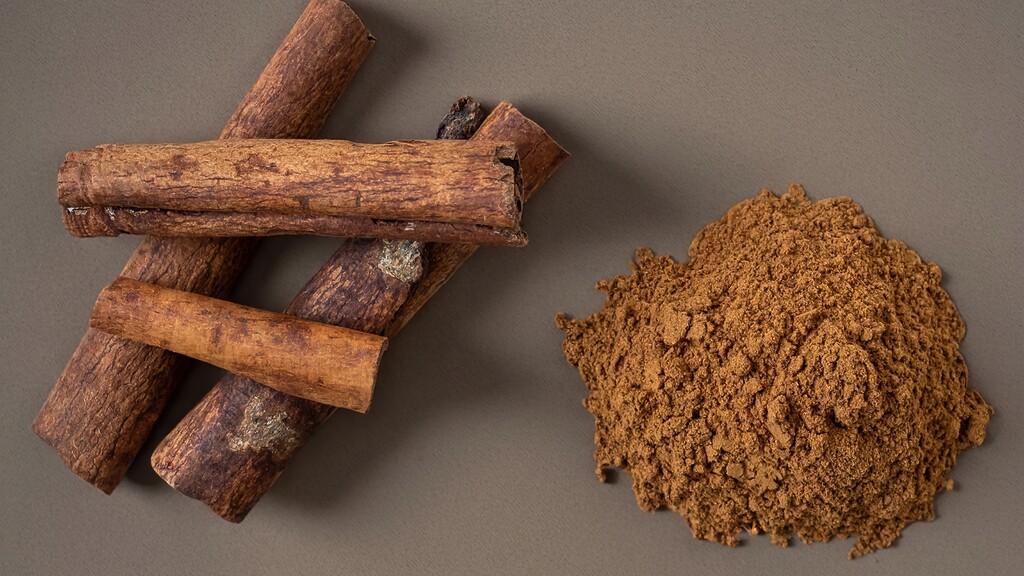
3. Cinnamon: The Morning Routine Staple
Most of us associate cinnamon with holiday baking, but it is a genuine powerhouse for everyday wellness. Cinnamon is packed with antioxidants that help protect the body from oxidative stress, a key driver of inflammation.
When I sit on the porch with my dog, Barnaby, for my morning coffee, there is always a dash of cinnamon in the mug. It offers a gentle, natural sweetness that makes sugar feel entirely unnecessary. If you plan to use it daily, look for Ceylon cinnamon (often labeled “true cinnamon”), which is gentler on the liver in high amounts than the more common Cassia variety.
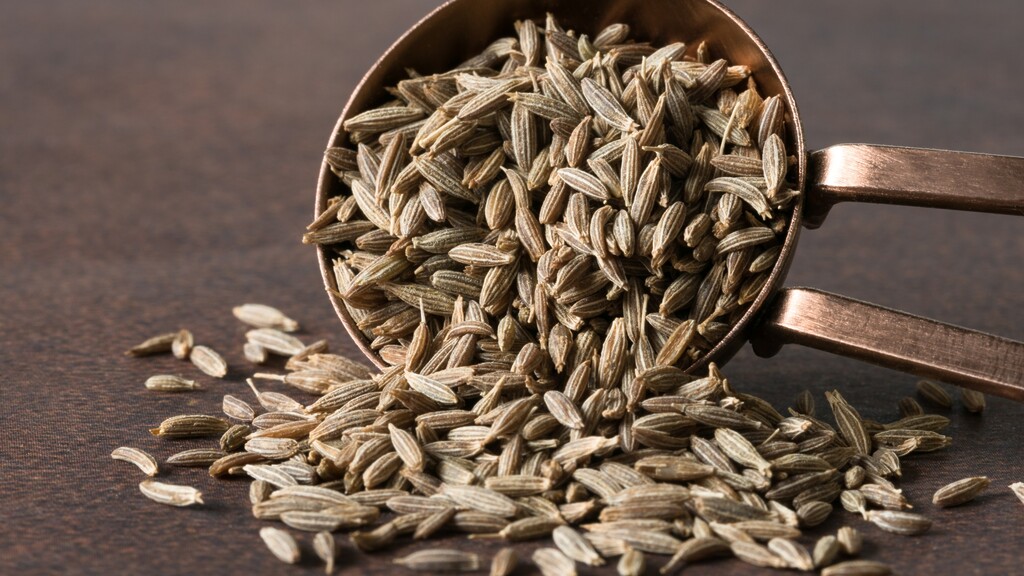
4. Cumin: The Savory Anchor
Cumin is the backbone of so many great chili and taco recipes, bringing a deep, earthy warmth. It is rich in flavonoids that naturally combat inflammation.
Because it is distinctly savory, cumin is one of the easiest spices to sneak into lunch and dinner. Try tossing chopped sweet potatoes or carrots in olive oil, cumin, and sea salt before roasting them. It transforms a simple side dish into something deeply satisfying.
5. Coriander: The Bright Balancer
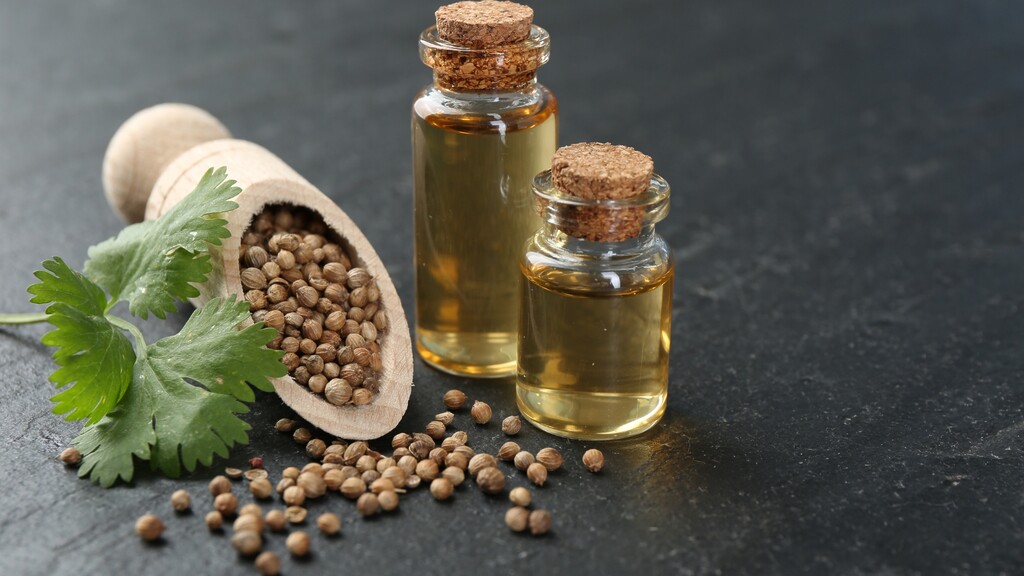
Coriander comes from the seeds of the cilantro plant, but it tastes completely different from the fresh leaves. It has a bright, slightly floral, almost citrus-like flavor. Lab and animal studies suggest its extract may help protect against cellular damage.
Coriander pairs beautifully with cumin. Whenever I use one, I almost always add a pinch of the other. It works exceptionally well in homemade salad dressings, lentil stews, or rubbed onto chicken before baking.
6. Cloves: The Unsung Antioxidant
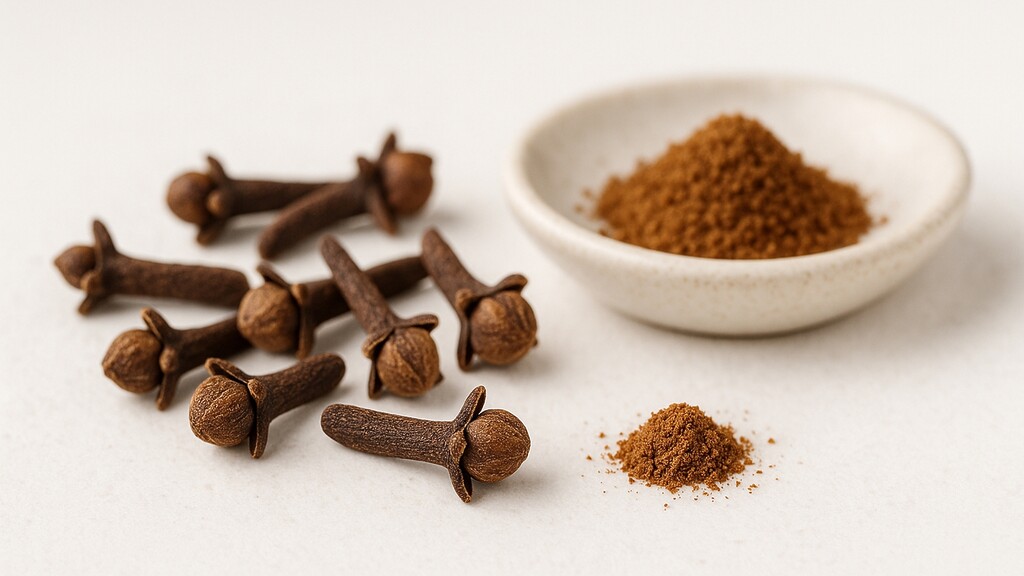
Cloves rarely get the spotlight, yet they are especially rich in antioxidant compounds. They contain eugenol, a natural compound that has been shown mostly in lab and animal studies to influence inflammatory pathways.
A little goes a very long way. You only need a tiny pinch of ground cloves to flavor a pot of oatmeal, a smoothie, or a batch of homemade applesauce. The flavor is intense, warm, and slightly sweet.
7. Black Pepper: The Essential Activator
Black pepper is so ubiquitous that we often forget it has its own benefits. Its active compound, piperine, is mildly anti-inflammatory on its own, but its true magic lies in how it behaves with other foods.
Piperine may help your body absorb more curcumin from turmeric by increasing absorption and reducing clearance. A few cracks of fresh black pepper over your meals isn’t just about taste. It is about giving your body a better chance to use some of the benefits of everything else on your plate.
Frequently Asked Questions
Are fresh spices better than dried ones?
Not necessarily. While fresh ginger and turmeric have a wonderful flavor and high water content, the drying process actually concentrates the active compounds in many spices. A mix of both fresh and dried is perfectly fine, just use whatever is most accessible to you.
How much of these spices do I need to see a benefit?
You don’t need massive doses. Research does not pin this down to one magic kitchen dose, but culinary amounts of spices have been studied, so starting with about 1/2 to 1 teaspoon a day is a reasonable, gentle habit. Consistency matters far more than quantity.
Do I need to take spice supplements instead?
For general wellness, incorporating spices into your daily food is usually enough and much gentler on the stomach. High-dose supplements can sometimes interact with medications, so if you are considering a concentrated extract, you should definitely run it by your doctor first.
Taking care of yourself doesn’t require a perfect diet. Just pick one spice that sounds good to you today, leave it on the counter where you can see it, and see what happens when you add a pinch to your morning routine.
Kristina Hanson is an independent wellness researcher and the founder of DailyZests. She specializes in translating nutritional science into simple, delicious recipes that fit into real life. When she isn’t in the kitchen, you’ll find her hiking the trails or enjoying a slow morning coffee with her Golden Retriever, Barnaby. Read her full story.



 This post may contain affiliate links.