A prediabetes diagnosis usually arrives in a quick phone call or a sterile room, accompanied by a printout of numbers and a vague instruction to watch your carbs. It can feel like a heavy, intimidating sentence. But shifting your blood sugar is mostly about understanding how your body processes energy, rather than punishing yourself with endless restriction.
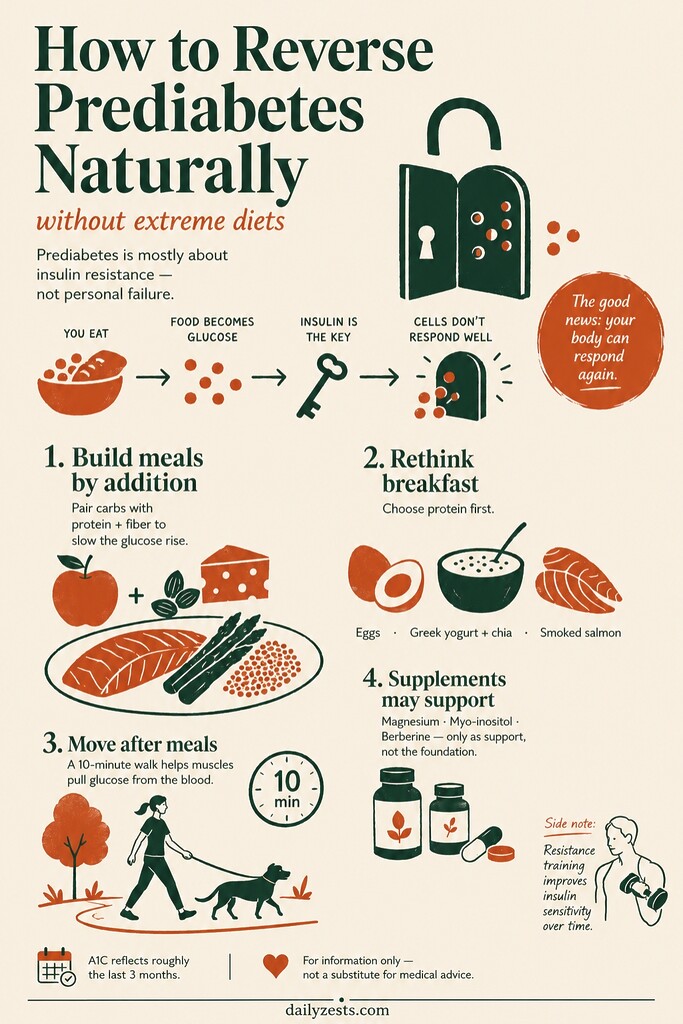
To reverse prediabetes naturally, it helps to know what your body is actually asking for. When you eat, your digestive system breaks food down into glucose, which enters your bloodstream. Your pancreas then releases insulin, a hormone that acts like a key, unlocking your cells so they can use that glucose for energy.
With prediabetes, your cells have stopped responding well to that key. This is called insulin resistance. Your pancreas pumps out more insulin to force the doors open, but eventually, glucose starts building up in the blood. Before I understood my own insulin resistance, my afternoons were defined by a 3 PM crash so heavy I could barely keep my eyes open. I assumed it was just a lack of willpower. It was just biology.
You might be worried that addressing this means a lifetime of dry salads and zero bread. That is a common fear, but the research points in a much more sustainable direction. You do not need to eat perfectly to improve your metabolic health. You just need a few consistent habits.
Building a Prediabetes Diet Plan
There is a persistent myth that you have to strip your plate bare to lower your blood sugar. A truly effective prediabetes diet plan focuses much more on what you add to your meals than what you take away.
A balanced, low-carb approach works beautifully for this, provided you do not take it to extremes. Refined or low-fiber carbohydrates can digest quickly, causing sharper spikes in blood sugar. Protein and fiber digest slowly. When you pair them together, the protein and fiber act like a buffer, slowing the release of glucose into your bloodstream.
If you love having an apple in the afternoon, keep the apple. Just slice it and pair it with a handful of almonds or a slice of sharp cheddar cheese. That simple addition changes the way your body processes the sugar.
Rethink Your Breakfast
The first meal of the day sets your metabolic tone. Starting with a bowl of cereal or sweet oatmeal demands a massive insulin response right out of the gate. That often leads to a blood sugar crash two hours later, leaving you craving more sugar. Prioritizing protein in the morning keeps your levels steady.
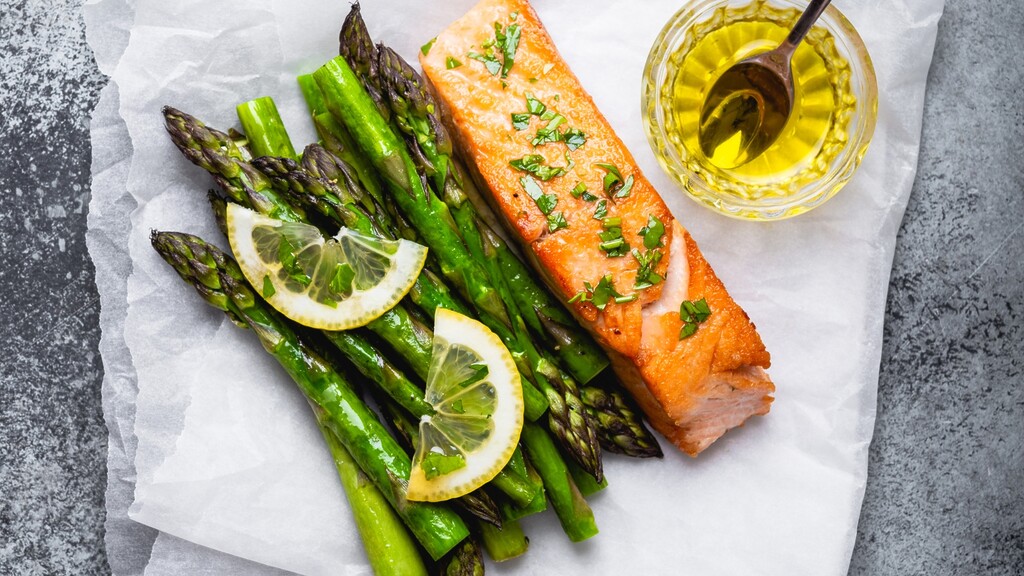
Eggs, smoked salmon, or Greek yogurt with chia seeds are excellent foundations. Once you stabilize your morning blood sugar, the rest of the day requires much less effort to manage.
Movement as a Glucose Sink
I used to think movement only mattered if it was a sweaty, hour-long workout. Actually, that is not quite right. A casual ten-minute stroll is one of the most powerful tools you have for blood sugar management.
Your muscles are the largest consumers of glucose in your body. When you walk, your muscles need energy, and they pull glucose directly out of your bloodstream to get it. They do this without needing insulin. A short walk right after dinner uses up the glucose from your meal before your body has to store it. I take my golden retriever, Barnaby, for a quick loop around the neighborhood every evening after we eat, and it makes a noticeable difference in how I feel the next morning.
Resistance training is also highly supportive. Building a bit of extra muscle essentially gives your body a larger storage tank for glucose, which improves your overall insulin sensitivity over time.
Supplements That May Support the Process
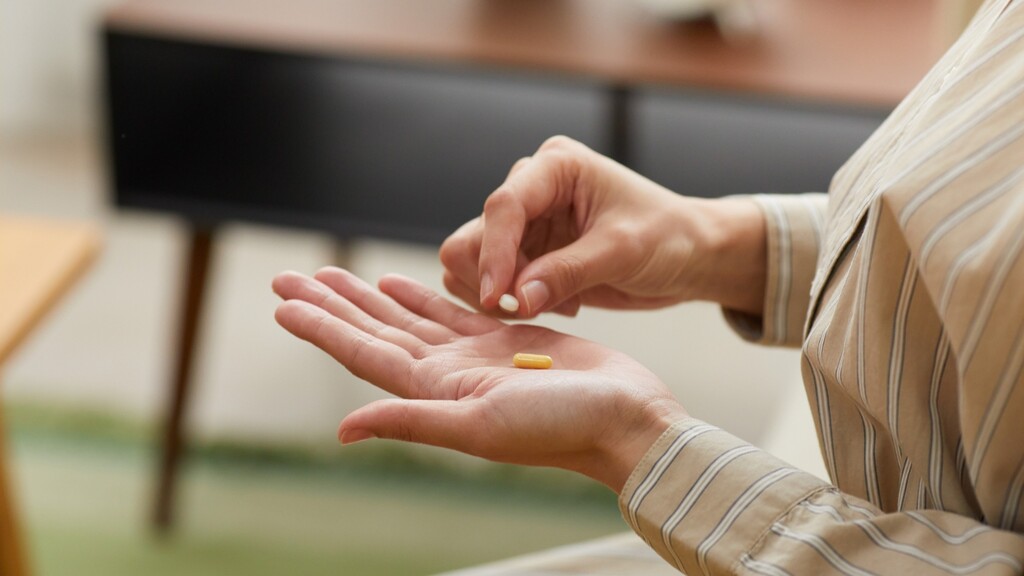
It is important to note that you cannot out-supplement a diet high in processed foods. As a researcher, I always look at supplements as a bonus layer of support, not the foundation. Because this involves your metabolic health, you should absolutely talk to your doctor before adding anything new to your routine.
That said, some research suggests a few specific nutrients may help support healthy blood sugar levels.
Magnesium: Some people with insulin resistance have low magnesium. This mineral plays a direct role in how your cells respond to insulin. Research on magnesium supplementation suggests possible benefits for glucose and insulin-sensitivity markers, and some forms of magnesium are absorbed better than others, so ask your doctor which type makes sense for you.
Inositol: Often studied for its role in cellular signaling, myo-inositol has been shown in some literature to support insulin sensitivity.
Berberine: This plant compound has gained attention in recent years. Several studies indicate it may help regulate blood sugar metabolism, including pathways involving AMPK, an enzyme inside cells that plays a major role in regulating metabolism.
Frequently Asked Questions
How long does it take to see changes in my A1C?
Blood cells live for roughly three months, which is why your A1C reflects your recent few months of blood sugar. If you consistently apply dietary changes and light movement, you may see noticeable improvements at your very next three-month checkup. It does not happen overnight, but the body is incredibly responsive once you stop overloading it.
Moving Forward
Reversing prediabetes is a process of learning to work with your body instead of fighting it. You do not need absolute perfection to make progress. Start by adding a little more protein to your breakfast, take a short walk after your heaviest meal, and give your system the space it needs to reset.
Kristina Hanson is an independent wellness researcher and the founder of DailyZests. She specializes in translating nutritional science into simple, delicious recipes that fit into real life. When she isn’t in the kitchen, you’ll find her hiking the trails or enjoying a slow morning coffee with her Golden Retriever, Barnaby. Read her full story.




 This post may contain affiliate links.