When I was first trying to figure out my own insulin resistance, the 3 PM blood sugar crash was a daily reality. I would stare into the fridge, completely exhausted, and end up grabbing whatever was fastest, which usually wasn’t doing my body any favors.
The turning point for me wasn’t a magic recipe. It was learning how to remove the friction between being hungry and eating something supportive of my health. These 7 easy meal prep hacks for diabetic-friendly meals completely changed how I run my kitchen, turning good intentions into automatic habits.
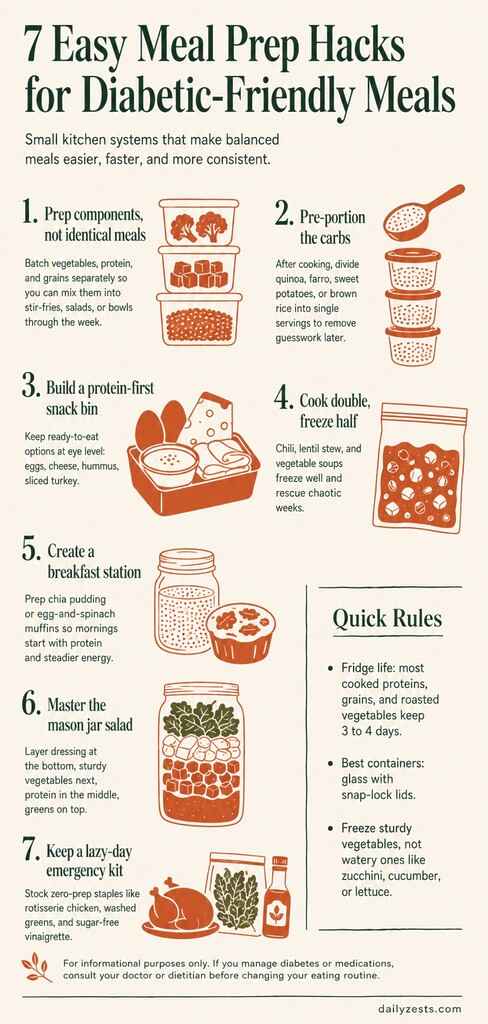
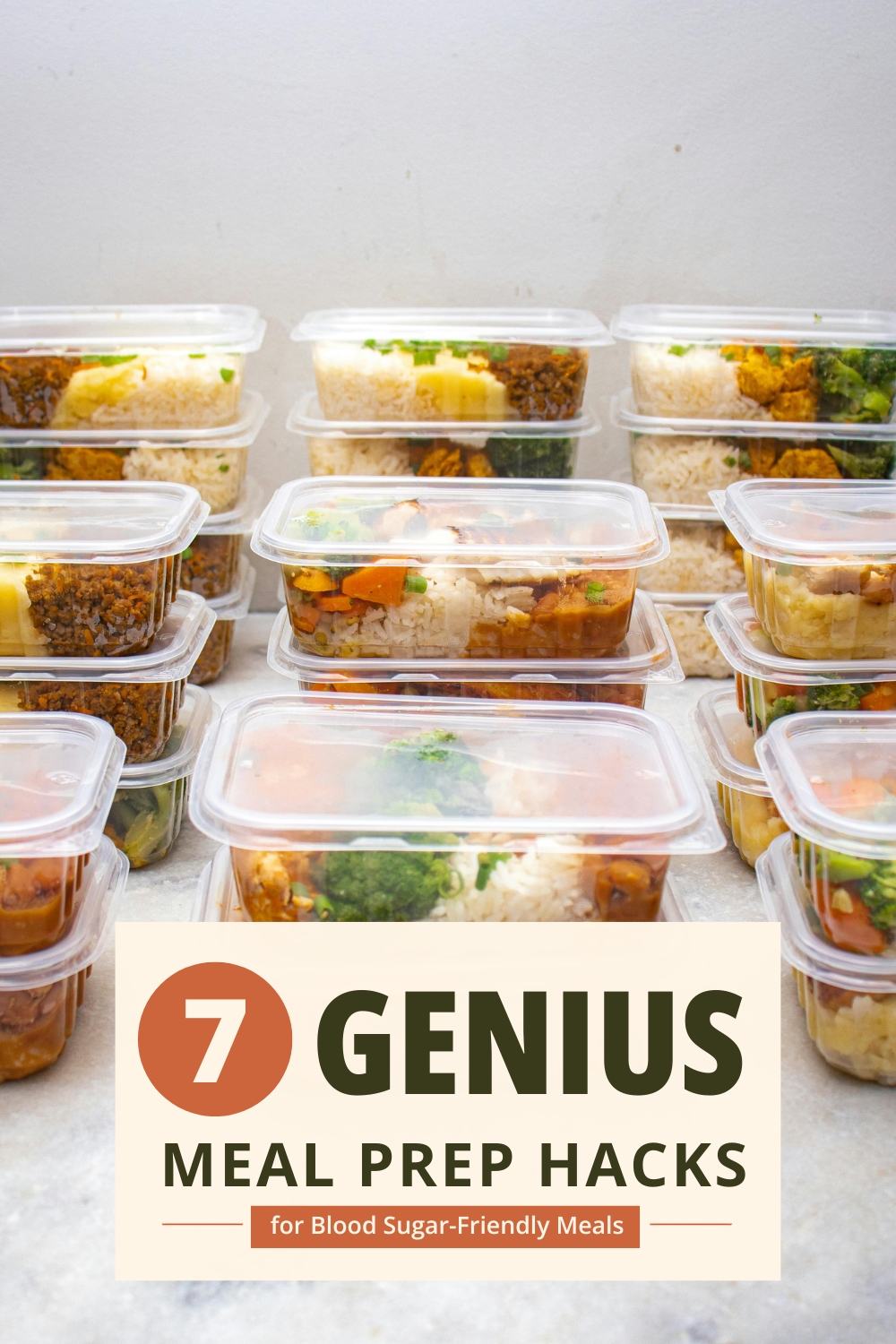
A lot of people give up on meal prep because eating the exact same chicken-and-broccoli container four days in a row gets incredibly boring. Instead of prepping full meals, try “buffet style” component prep.
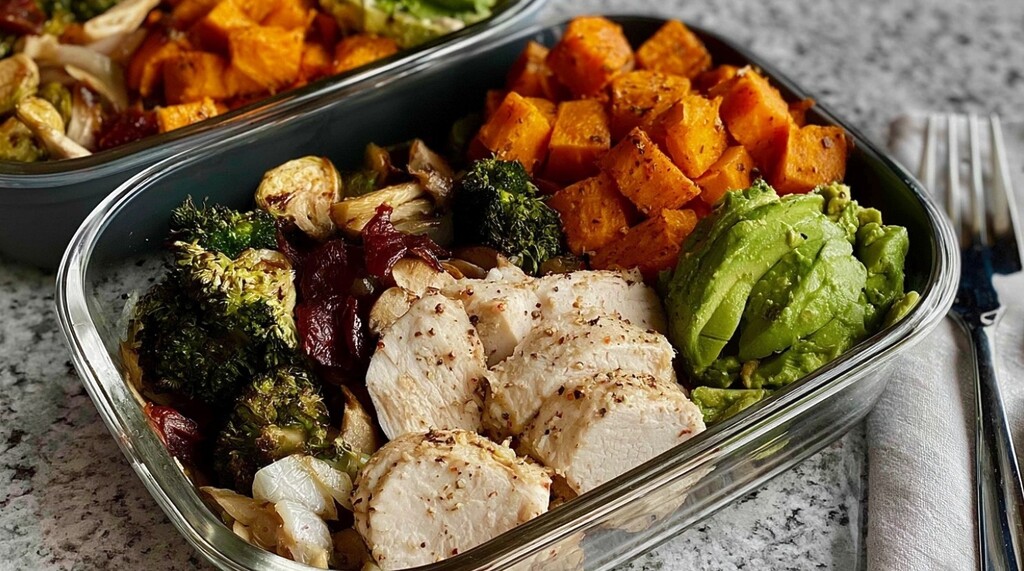
Spend one hour on Sunday roasting a large sheet pan of vegetables at 400°F, grilling a batch of chicken thighs, and making a pot of quinoa or brown rice. Store them in separate glass containers in the fridge. On Tuesday night, you can throw those components into a quick stir-fry. By Thursday, you can toss them over greens for a salad. You get the speed of meal prep without the meal fatigue.
2. Pre-Portion the Carbohydrates
Carbohydrates aren’t the enemy, but portion sizes can easily get away from us, especially when we’re hungry. One of the best ways to keep your plate balanced is to pre-portion your complex carbs right after cooking them.
If you make a batch of sweet potatoes or farro, don’t leave it in one giant bowl. Scoop it into half-cup or one-cup individual containers right away. When you’re building a meal later, you can grab one small container of carbs, add a large handful of greens, and pile on the protein. It completely removes the guesswork when you are too tired to measure.
3. Build a “Protein First” Snack Bin
Snacking isn’t a bad thing, especially if it prevents you from walking into dinner ravenous. But relying on pantry snacks often leads to blood sugar spikes.
Clear out a designated drawer in your fridge at eye level and fill it exclusively with protein-heavy, ready-to-eat snacks. Hard-boiled eggs, string cheese, small containers of hummus, and sliced turkey breast go here. When that afternoon crash tries to hit, you open the fridge and the first thing you see is something that can actually help steady your blood sugar.
4. Utilize Freezer-Friendly Batch Cooking
Your freezer is the best tool you have for staying on track during those weeks when everything goes wrong. Some of the most diabetic-friendly meals, like chili, lentil stew, and bone broth-based vegetable soups, freeze beautifully.
Whenever you make a stew, double the recipe. Eat half for the week, and freeze the other half in individual silicone molds or heavy-duty freezer bags laid flat. Building up a stash of freezer meals means you always have a blood-sugar-friendly dinner zero minutes away from a microwave.
5. Set Up a Bulletproof Breakfast Station
Mornings are chaotic, and a high-carb, low-protein breakfast can set you up for bigger blood sugar swings instead of steady energy. Protect your mornings by prepping breakfast the night before.
You can mix up a batch of chia seed pudding in individual jars, or bake a dozen egg-and-spinach muffins on Sunday afternoon. Having breakfast ready to grab as you pour your coffee means you start the day with stable blood sugar, which makes making healthy choices at lunch much easier.
6. Master the Mason Jar Salad
Leafy greens are incredibly supportive of metabolic health, but making a fresh salad every day is tedious. If you prep salads in traditional containers, they usually turn into a soggy mess by day two.
The mason jar hack solves this entirely. Put your dressing at the very bottom of a tall glass jar. Add hard vegetables next (like cherry tomatoes, cucumbers, or carrots). Add your protein (chicken, beans, or tofu) in the middle. Put your delicate leafy greens at the very top, as far from the dressing as possible. These stay crisp in the fridge for up to four days. Just shake and pour into a bowl when you’re ready.
7. Keep a “Lazy Day” Emergency Kit
No matter how well you plan, there will be days when you just don’t have it in you to cook. That is a normal part of life. Instead of fighting it or reaching for takeout menus, plan for it.
Keep a few zero-prep items stocked specifically for these nights. A store-bought rotisserie chicken, a bag of pre-washed salad greens, and a jar of sugar-free vinaigrette can become a fantastic, balanced dinner in less than three minutes. Perfection isn’t the goal; consistency is.
Frequently Asked Questions
How long do prepped meals actually last in the fridge?
Most cooked proteins, roasted vegetables, and grains will stay fresh in an airtight container for three to four days. If you prep on Sunday, plan to eat those meals by Thursday. For anything you want to eat on Friday or Saturday, lean on your freezer stash.
What are the best containers for meal prep?
Glass containers with snap-locking lids are generally the best investment. They don’t absorb food odors, you can safely reheat them in the microwave without worrying about plastic degrading, and seeing the food through the glass makes you more likely to actually eat it.
Can I freeze low-carb vegetables like zucchini?
Vegetables with a high water content, like zucchini, cucumbers, and lettuce, change texture significantly when frozen and thawed. They become very mushy. It is best to freeze hearty items like broccoli, cauliflower, carrots, and dense squashes instead.
Meal prep doesn’t have to look like those picture-perfect social media feeds to be effective. It is just about doing a favor for your future self. Start with just one or two of these hacks this week, and see how much easier it feels to keep your plate balanced.
As always, what works beautifully for my daily routine might need a little tweaking for yours. Keep your doctor or dietitian in the loop when making changes to how you eat, especially if you are managing medications.
Kristina Hanson is an independent wellness researcher and the founder of DailyZests. She specializes in translating nutritional science into simple, delicious recipes that fit into real life. When she isn’t in the kitchen, you’ll find her hiking the trails or enjoying a slow morning coffee with her Golden Retriever, Barnaby. Read her full story.


 This post may contain affiliate links.