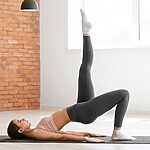
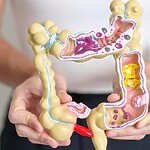
That heavy, tight, entirely uncomfortable feeling of a bloated stomach is your body asking for a little help, not a punishment. When my digestion feels physically stuck, I stop fighting it, roll out my mat, and rely on a few gentle movements to ease the pressure.
During the years I spent navigating chronic fatigue, my digestion often slowed to a frustrating crawl. I’d sit on the porch with my morning coffee, petting my Golden Retriever, Barnaby, feeling entirely weighed down before the day even began. It took time to realize that trying to push through the discomfort only made my body tense up further. Learning to stretch rather than stress over my stomach was a turning point.
These yoga poses for bloating relief aren’t about getting a workout in. They act more like a gentle internal massage. When you compress and twist your torso, you may help trapped gas feel less stuck and give your abdomen a chance to soften. It’s a supportive way to help get things moving naturally.
If you’re feeling puffy and uncomfortable right now, find a quiet spot on the floor. You don’t need to be flexible. Just move slowly, breathe deeply, and let’s give your gut a little grace.
7 Poses to Soothe Your Stomach
I find it helpful to move through these poses sequentially, but you can entirely pick and choose the ones that feel best for your body today.
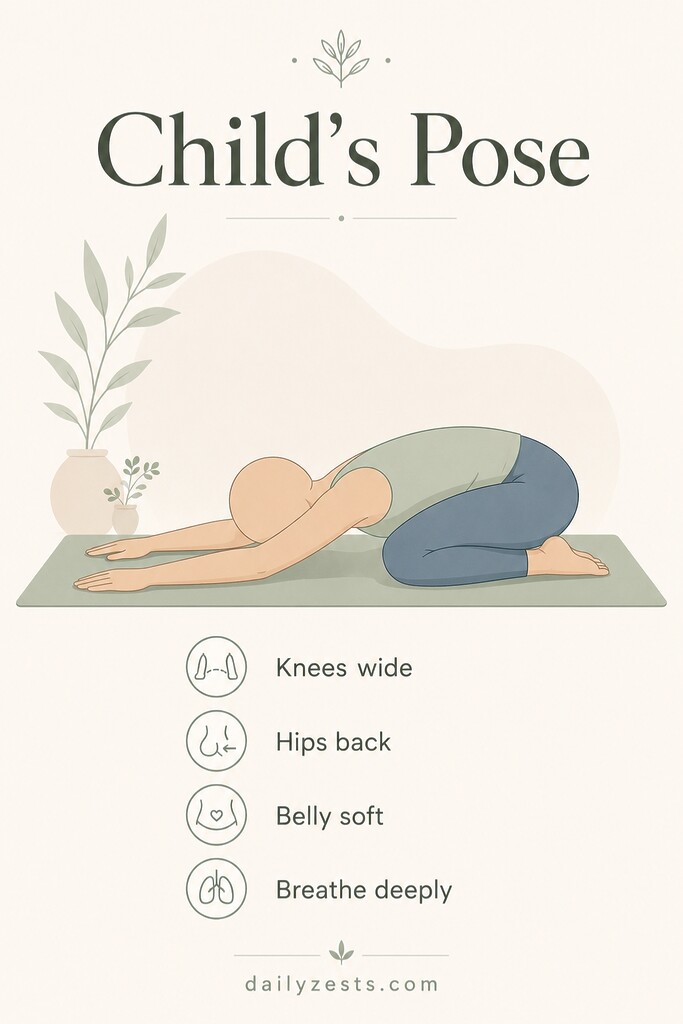
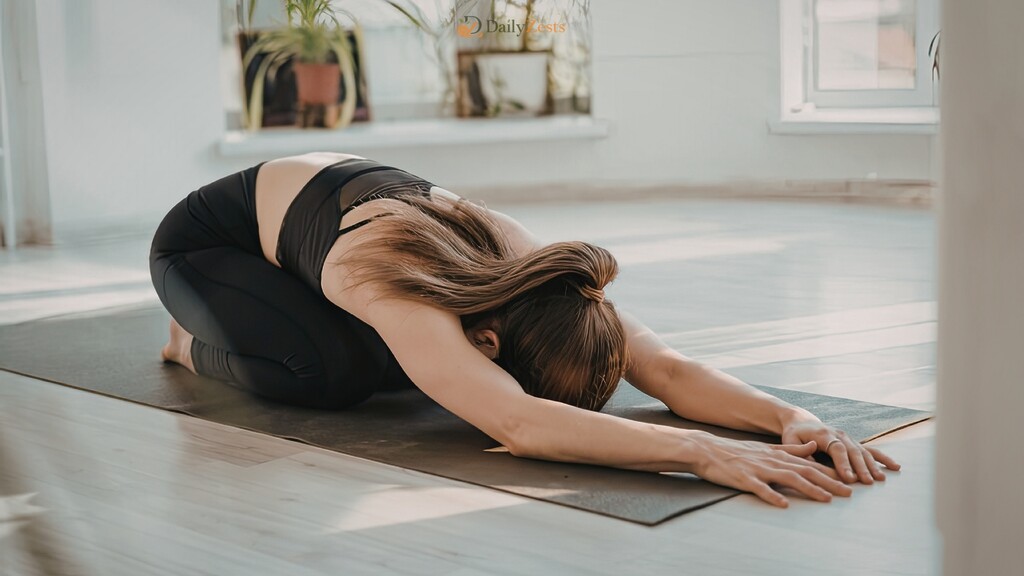
1. Child’s Pose (Balasana)
This is my favorite resting posture. By folding your torso over your thighs, you create a soft, natural compression on your abdomen. This gentle pressure is often used for helping trapped gas feel a little less stuck.
How to do it:
Start on your hands and knees.
Bring your big toes together and spread your knees wide apart, giving your belly room to rest.
Sit your hips back onto your heels.
Walk your hands forward and rest your forehead on the mat.
Breathe deeply into your lower back and belly for 5 to 10 breaths.
Modification: If your hips or knees feel tight, slide a rolled blanket behind your knees or place a soft pillow under your chest.
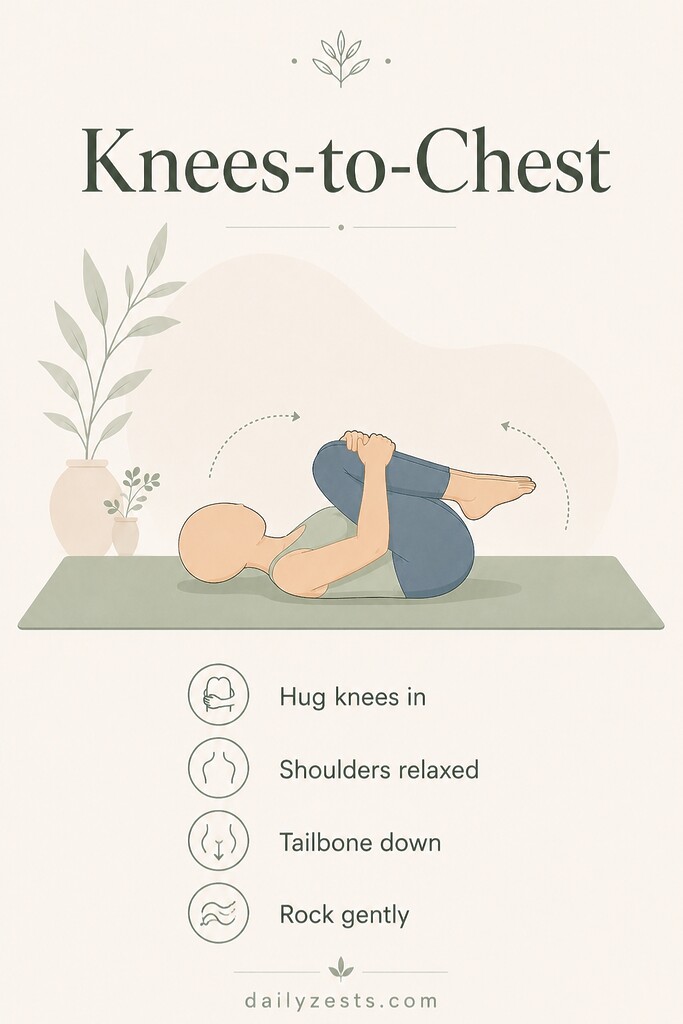
2. Knees-to-Chest Pose (Apanasana)
In Sanskrit, “Apana” refers to the downward-flowing energy in the body, which includes digestion and elimination. Pulling your knees to your chest quite literally hugs your digestive system, encouraging sluggish bowels to wake up.
How to do it:
Lie flat on your back and relax your shoulders.
Draw both knees up toward your chest and wrap your arms around your shins.
Keep your tailbone grounded on the floor.
Gently rock side to side to massage your lower back and stimulate the gut.
Hold for 5 to 10 slow, deep breaths.
Modification: If holding both knees is uncomfortable, pull one knee in at a time while leaving the other leg extended flat on the floor.
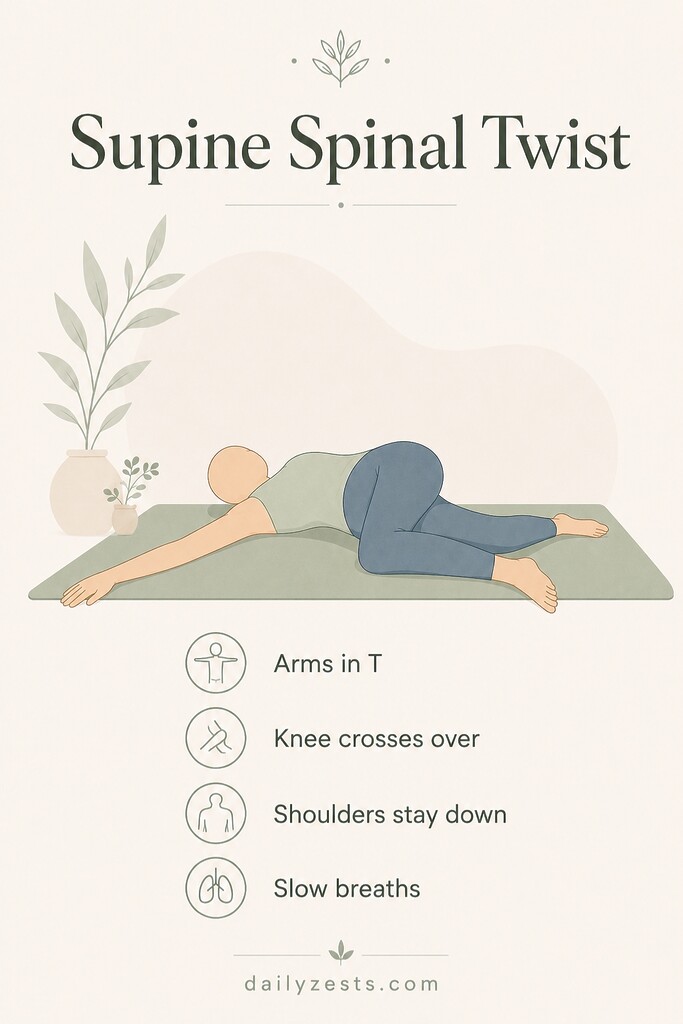
3. Supine Spinal Twist (Supta Matsyendrasana)
Twists are incredible for digestion. Think of your torso like a damp sponge; gently twisting helps “wring out” tension and encourages fresh blood flow to your internal organs once you release the posture.
How to do it:
Lying on your back, extend your arms out to the sides like a letter T.
Draw your right knee into your chest.
Exhale and gently guide your right knee across your body toward the left floor.
Keep both shoulder blades anchored to the mat.
Look over your right shoulder if it feels okay on your neck.
Hold for 5 to 10 breaths, then repeat on the opposite side.
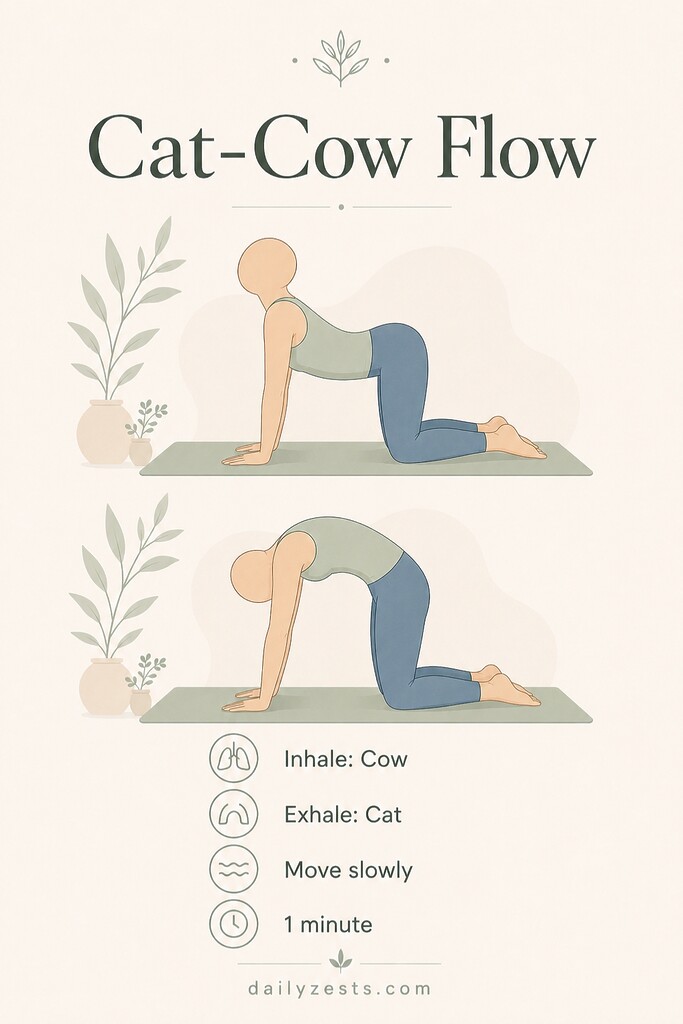
4. Cat-Cow Pose (Marjaryasana to Bitilasana)
This simple, flowing movement wakes up the entire spine. The alternating contraction and extension of your abdominal muscles lightly massages the intestines, which is exactly what we want for yoga for bloating relief.
How to do it:
Start on your hands and knees in a tabletop position.
Cow Pose: As you inhale, drop your belly toward the floor, lift your chest, and tilt your tailbone up.
Cat Pose: As you exhale, press the floor away, round your spine toward the ceiling, and tuck your chin.
Flow back and forth with your breath for 1 minute.
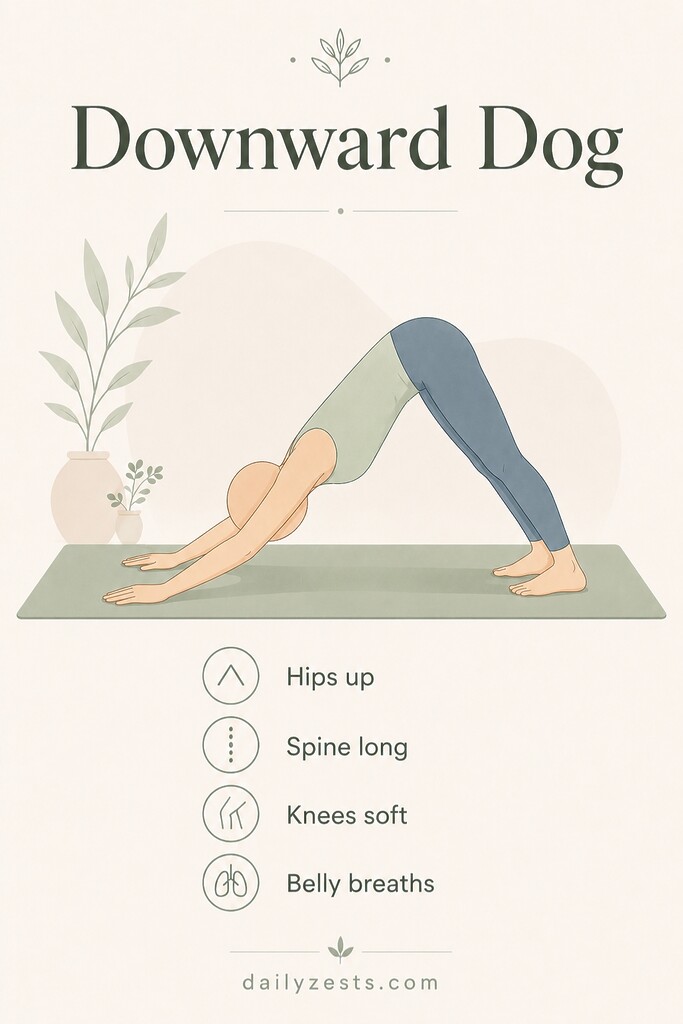
5. Downward-Facing Dog (Adho Mukha Svanasana)
While often thought of as a hamstring stretch, Downward Dog is also a mild inversion. Getting your hips higher than your heart can help you lengthen through the ribs and create a little more breathing room in the abdomen.
How to do it:
From tabletop, tuck your toes and lift your hips up and back.
Spread your fingers wide and press the mat away.
Pedal your feet by bending one knee and then the other to release tension in your legs.
Take 5 to 10 deep belly breaths in this shape.
Modification: Keep a generous bend in your knees. Your spine being straight is far more important than your legs being straight.
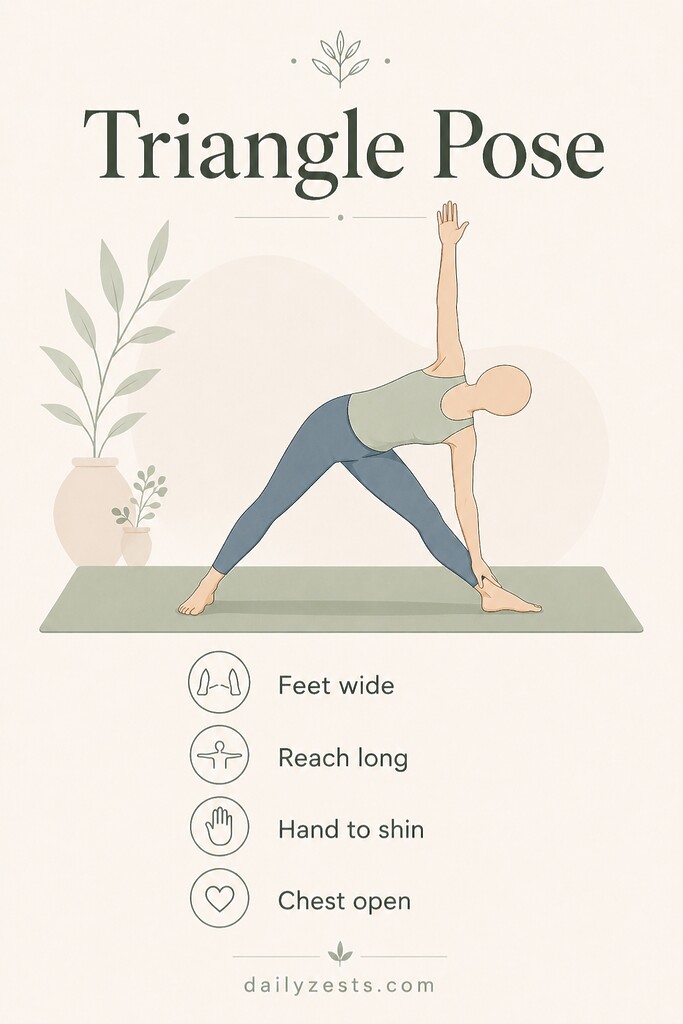
6. Triangle Pose (Trikonasana)
Triangle pose opens up the sides of your waist. By stretching the oblique muscles, you relieve the tight, cramped feeling that often accompanies a bout of severe bloating.
How to do it:
Stand with your feet about three to four feet apart.
Turn your right toes out 90 degrees and angle your left toes in slightly.
Extend your arms out parallel to the floor.
Reach your right hand forward, then hinge at the hip, resting your right hand on your shin.
Reach your left arm straight up to the ceiling.
Hold for 5 to 10 breaths, then switch sides.
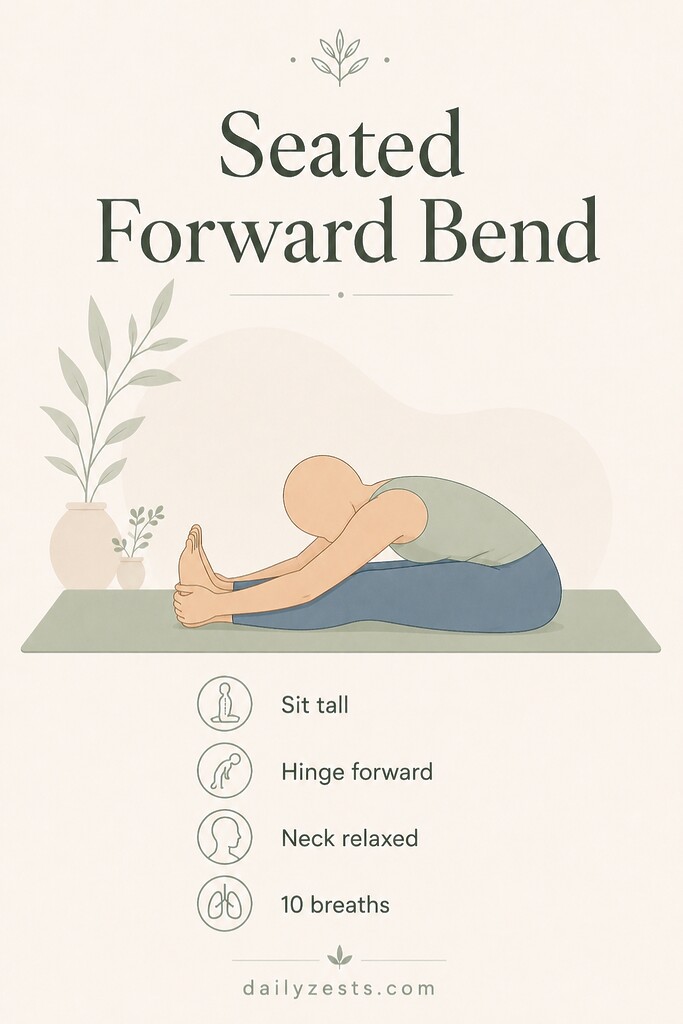
7. Seated Forward Bend (Paschimottanasana)
We finish on the floor to calm the nervous system. Stress can change gut movement; by calming your nervous system with a forward fold, you invite your body to “rest and digest.”
How to do it:
Sit on your mat with your legs extended straight in front of you.
Inhale and sit up tall, reaching the crown of your head upward.
Exhale and hinge forward from your hips, walking your hands down your legs.
Rest your hands on your shins, ankles, or feet.
Let your head and neck relax. Hold for 10 deep breaths.
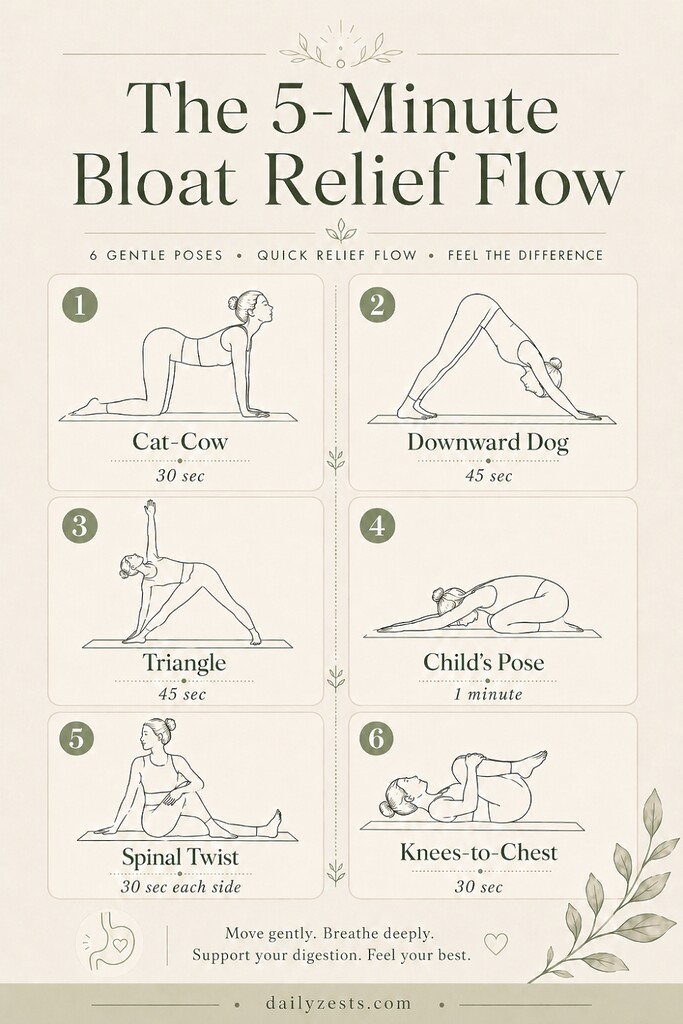
The 5-Minute Bloat Relief Sequence
If you don’t want to think about what to do next, just follow this simple flow. Moving in this specific order takes you from gentle warming to active stretching, and finally, down to restful compression.
Cat-Cow: 1 minute (to warm up the torso)
Downward-Facing Dog: 30 seconds
Triangle Pose: 30 seconds per side
Child’s Pose: 1 minute (focus on belly breathing)
Supine Spinal Twist: 30 seconds per side
Knees-to-Chest: 30 seconds (rock gently)
A Quick Word on Breathing (The Missing Link)
You can do all the twisting in the world, but if your breathing is shallow, your digestion may still feel sluggish. Diaphragmatic breathing (or belly breathing) gently changes pressure in your abdomen, and research suggests it can help some people feel less distended.
As you move through these poses, actively push your belly out when you inhale, and let it soften entirely when you exhale. It feels counterintuitive when we are so used to holding our stomachs in, but giving your belly permission to expand may be part of what helps the trapped air feel less stuck.
Once you are feeling a bit more comfortable, you might want to look into identifying the common triggers that upset your gut, or perhaps building a few gentle morning habits to improve digestion long-term.
Frequently Asked Questions
Can I do yoga right after eating a big meal?
I highly recommend waiting until that heavy, overfull feeling has settled before doing any twisting or bending. Trying to compress or bend over a very full stomach can actually aggravate acid reflux or make nausea worse. Stick to a gentle walk immediately after eating, and save the yoga for a bit later.
How long does it take for these poses to relieve gas?
Some people do feel better after a few minutes of gentle movement and deep belly breathing. However, if your bloating is accompanied by severe, sharp pain that doesn’t go away, always trust your instincts and consult with a healthcare provider.
What else can I do if the bloating won’t budge?
If the poses don’t entirely do the trick, heat is a wonderful companion. A heating pad on your lower belly, or sipping a soothing cup of ginger tea, can help your belly feel calmer and support what you just did on the mat.
Our bodies usually aren’t trying to punish us; they are just communicating. The next time your stomach feels tight and uncomfortable, try skipping the frustration. Roll out your mat, take a deep breath, and give your body the space it needs to sort itself out.
Kristina Hanson is an independent wellness researcher and the founder of DailyZests. She specializes in translating nutritional science into simple, delicious recipes that fit into real life. When she isn’t in the kitchen, you’ll find her hiking the trails or enjoying a slow morning coffee with her Golden Retriever, Barnaby. Read her full story.


 This post may contain affiliate links.