I remember when trying to avoid that heavy 3 PM blood sugar crash felt like a full-time job. Cooking did not feel like cooking anymore; it felt like a relentless math test. But equipping your kitchen with a few smart tools changes the entire rhythm of making food. The right kitchen gadgets for diabetics remove the guesswork so you can focus on enjoying what is on your plate.
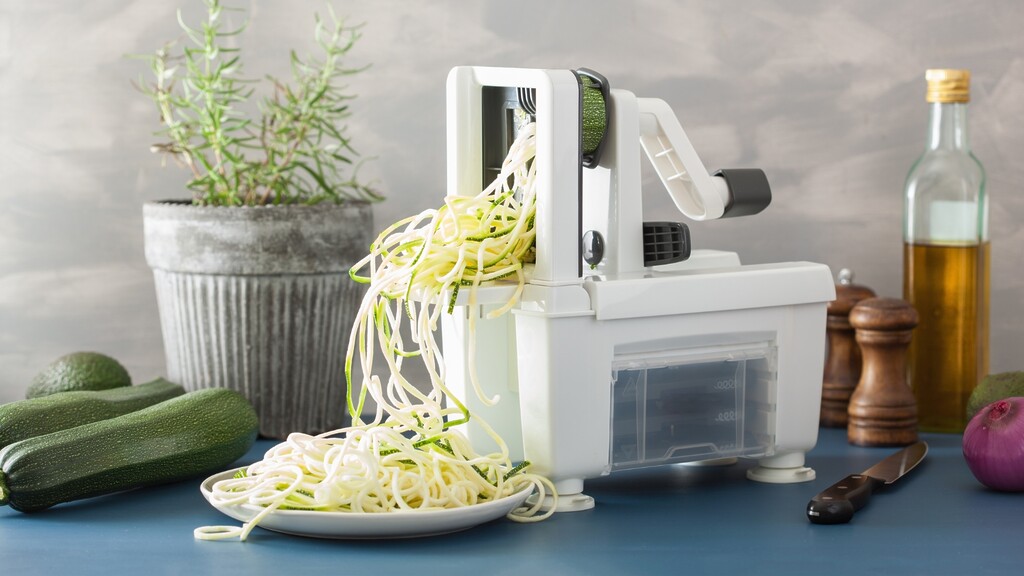
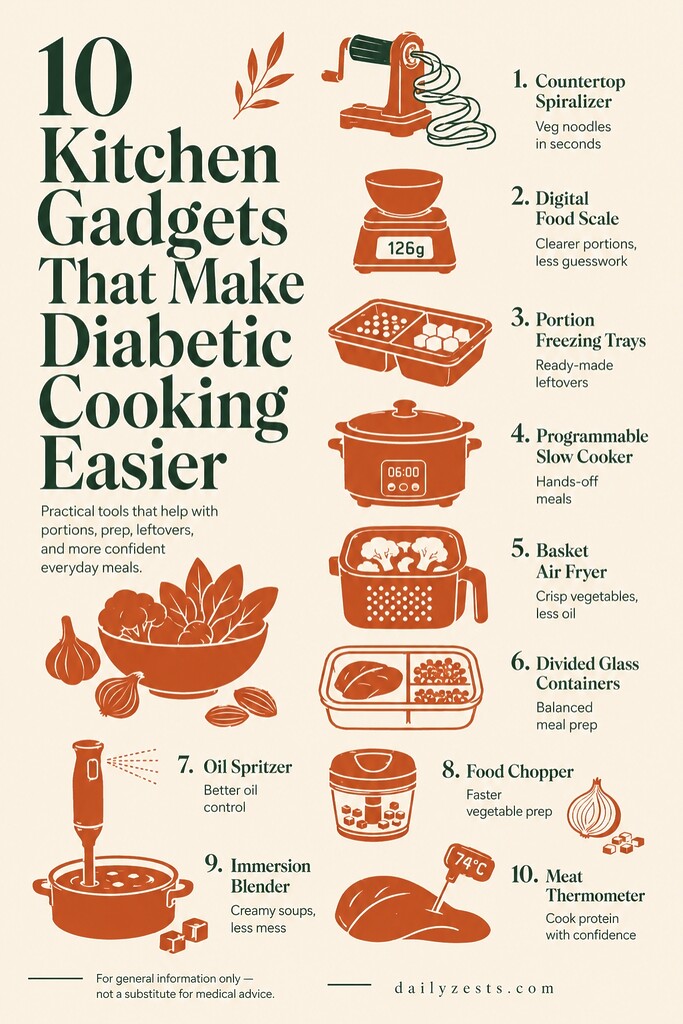
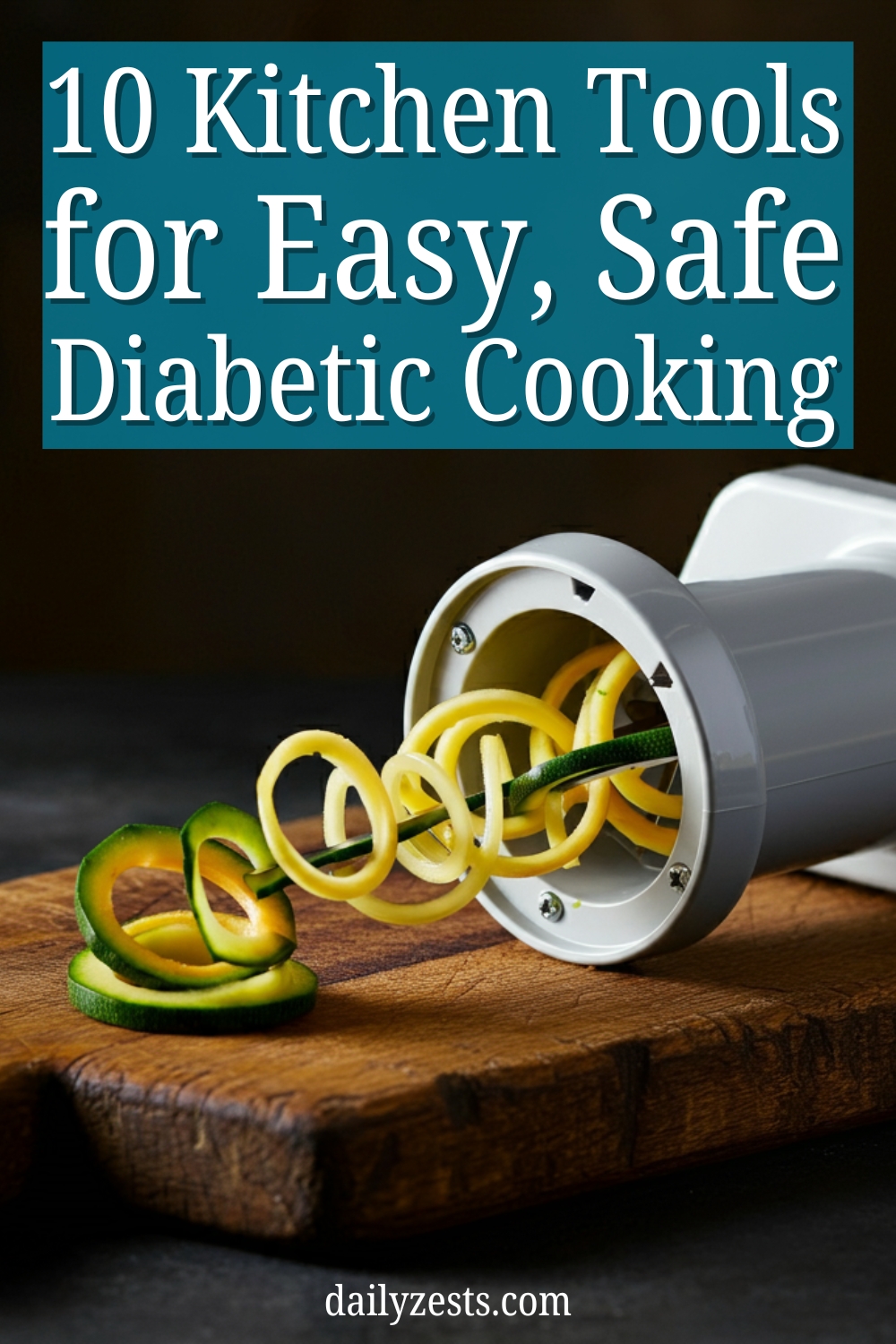
Swapping regular pasta for zucchini or squash noodles is a classic trick for keeping post-meal numbers steady. A good spiralizer turns a dense vegetable into a bowl of noodles in about thirty seconds.
Skip the small handheld plastic versions that look like pencil sharpeners. They require entirely too much grip strength and usually leave you with a large core of wasted vegetable. A countertop model with a hand crank and suction cups on the base will do the work for you.
2. A Simple Digital Food Scale
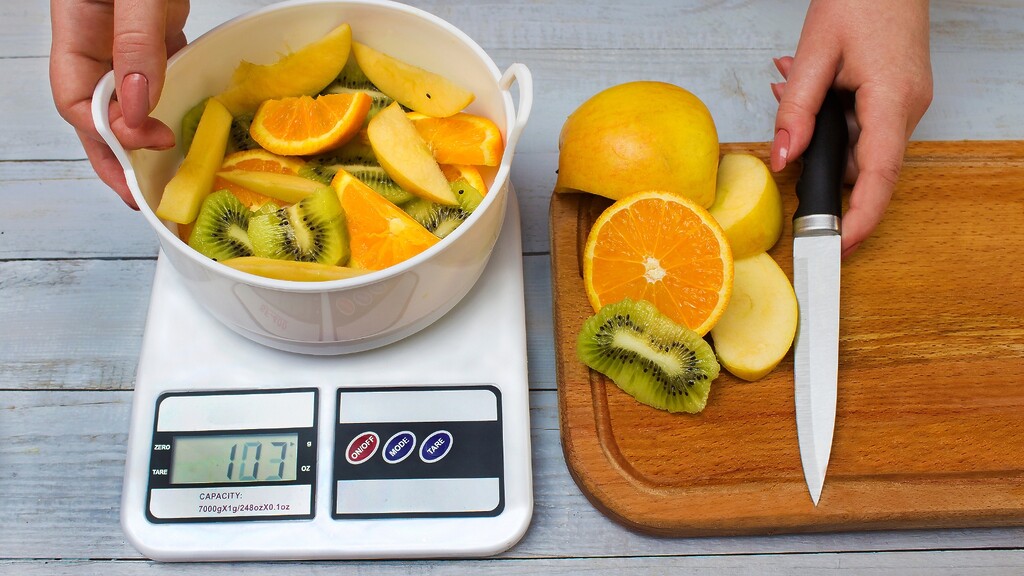
For a long time, I assumed weighing my food meant I was sliding into a restrictive diet mindset. Actually, that is not quite right. A food scale is simply an instrument of freedom. It means you stop having to do mental math or wonder what a true serving of almonds looks like.
When you are looking at portion control kitchen tools, a flat digital scale is the most valuable item you can own. It removes the anxiety from plating carbohydrates and helps you understand exactly what you are eating.
3. Silicone Portion-Freezing Trays
Cooking every single night is exhausting. On the days you have the energy to make a large batch of low-carb chili or vegetable soup, you want to save the leftovers in a way that actually serves you later.
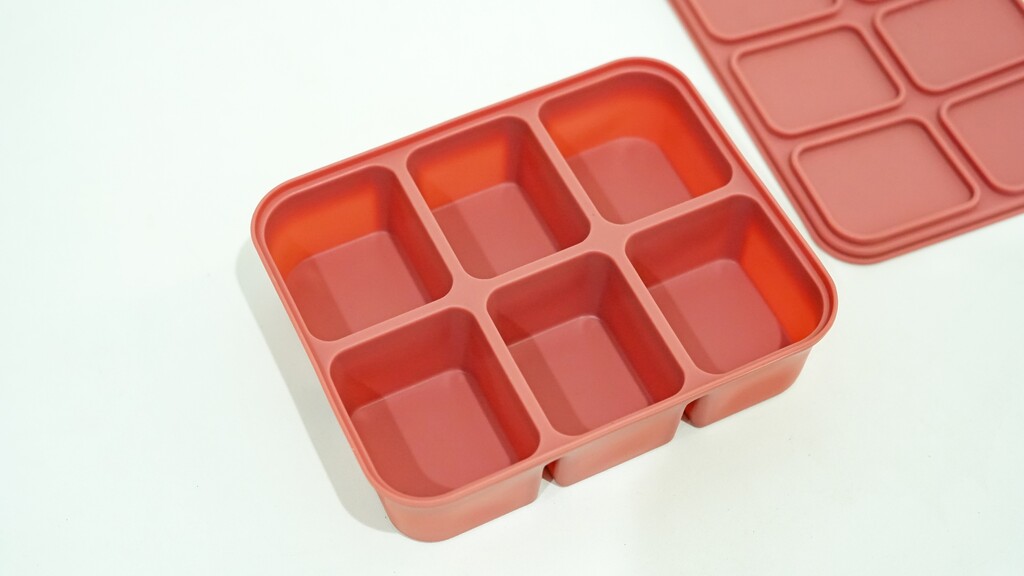
Heavy-duty silicone freezing trays allow you to freeze soups and stews in exact one-cup or two-cup blocks. Once frozen solid, you pop the blocks out and store them in a freezer bag. When you need a quick lunch, you know exactly how many carbohydrates are in one cube.
4. A Programmable Slow Cooker
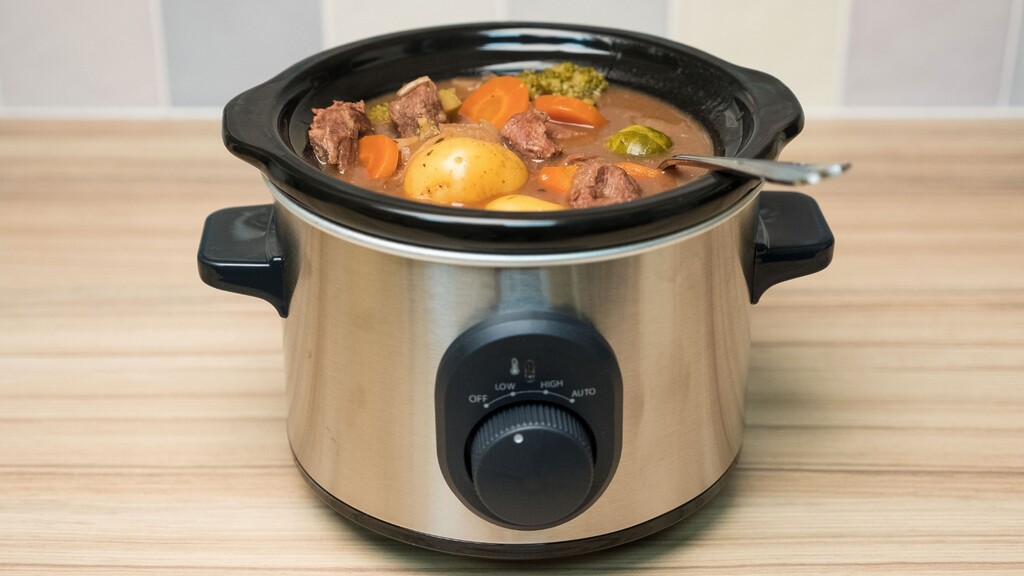
Slow cookers are legacy diabetic cooking tools for a very good reason. They turn tough, inexpensive cuts of protein into incredibly tender meals without requiring you to stand over a hot stove.
A programmable model is highly recommended. You can set it to cook for a specific number of hours and then automatically switch to the “keep warm” setting. This means if you get delayed running errands, your dinner will not turn to mush.
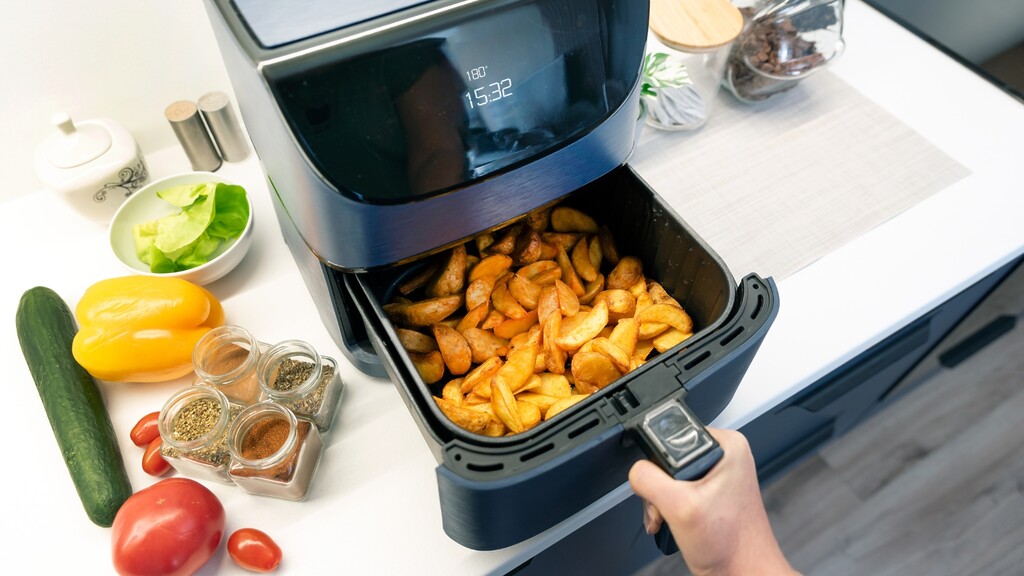
5. An Air Fryer with a Basket
People often call the air fryer a trendy appliance. I call it the single best way to make broccoli taste good on a Tuesday night. Getting enough fiber is much easier when your vegetables have a satisfying, savory crunch.
An air fryer circulates hot air to crisp up green beans, Brussels sprouts, and chicken wings using a fraction of the oil you would need for roasting or frying. It also reheats leftovers far better than a microwave.
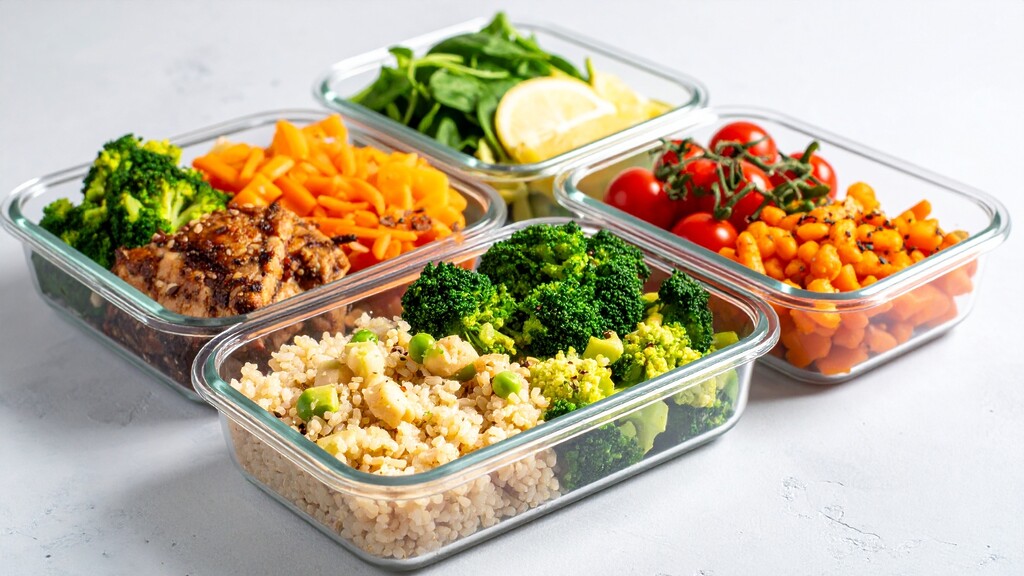
6. Glass Containers with Built-in Dividers
Packing a lunch that supports your blood sugar is infinitely easier when the container itself guides you. Glass meal prep containers with two or three compartments provide automatic visual cues for portioning.
You can fill the large section with leafy greens or roasted vegetables, one small section with protein, and the final small section with a complex carbohydrate. Glass is preferable to plastic because it will not stain when you store tomato-based sauces, and it moves safely from the fridge to the microwave.
7. A Pump-Action Oil Spritzer
Dietary fat can be a helpful tool for smoothing the early blood sugar rise from a meal because it slows down digestion. It gives your body more time to process the meal, though very high-fat meals can sometimes push glucose higher later. But pouring oil straight from a heavy bottle makes it nearly impossible to know how much you just added to the skillet.
A reusable oil spritzer lets you lightly coat your pans or vegetables with olive oil or avocado oil. You get the flavor and the cooking benefits without unintentionally overloading your meal with liquid fats.
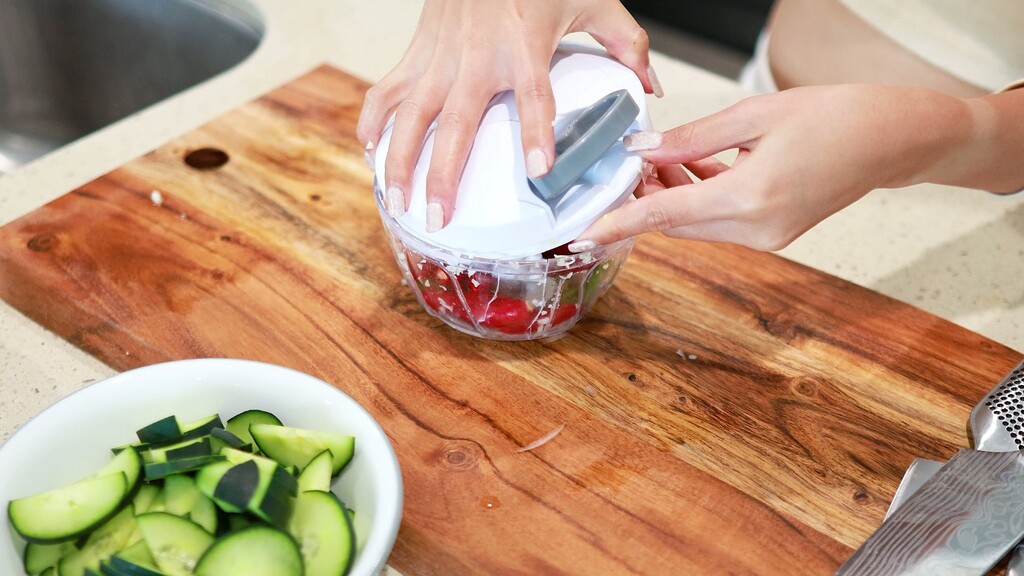
8. A Heavy-Duty Food Chopper
You finish your morning coffee on the porch, maybe let the dog out, and suddenly it is time to make lunch. The barrier between you and a healthy meal is usually the sheer amount of chopping involved.
A manual pull-cord chopper or an electric mini-prep processor takes the friction out of eating vegetables. You can dice an entire onion or mince a handful of garlic cloves in seconds. When prep work takes less time, you are much more likely to cook the meals you planned.
9. An Immersion Blender
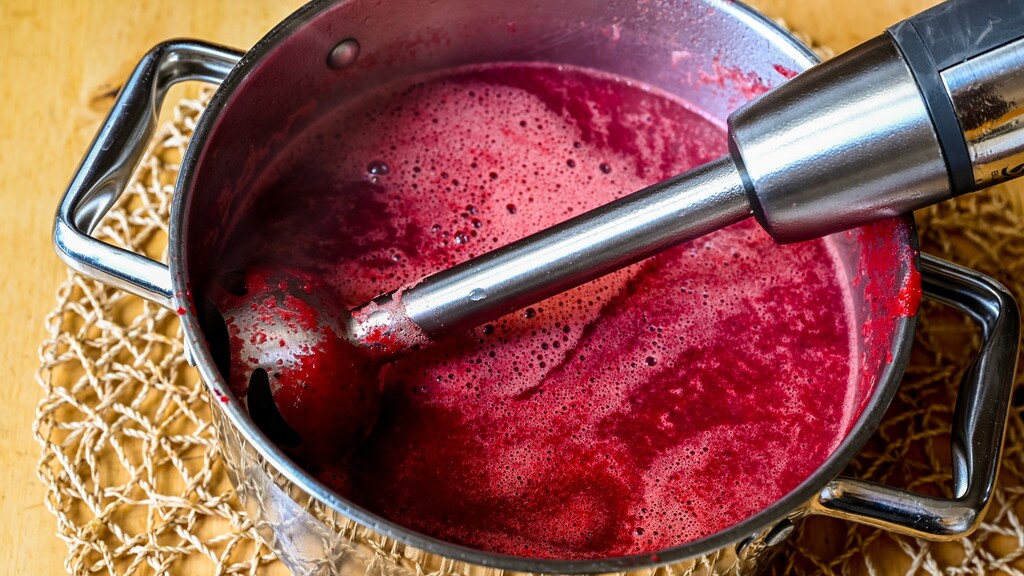
Creamy soups are wonderful comfort food, but traditional recipes rely heavily on potatoes or flour for thickening. Many find that blending vegetables like cauliflower or butternut squash creates that same rich texture with a gentler impact on blood sugar.
An immersion blender lets you puree soups right in the cooking pot. Pouring hot, heavy liquid into a standard blender is a messy safety hazard, and having a handheld blender removes that step completely.
10. A Reliable Meat Thermometer
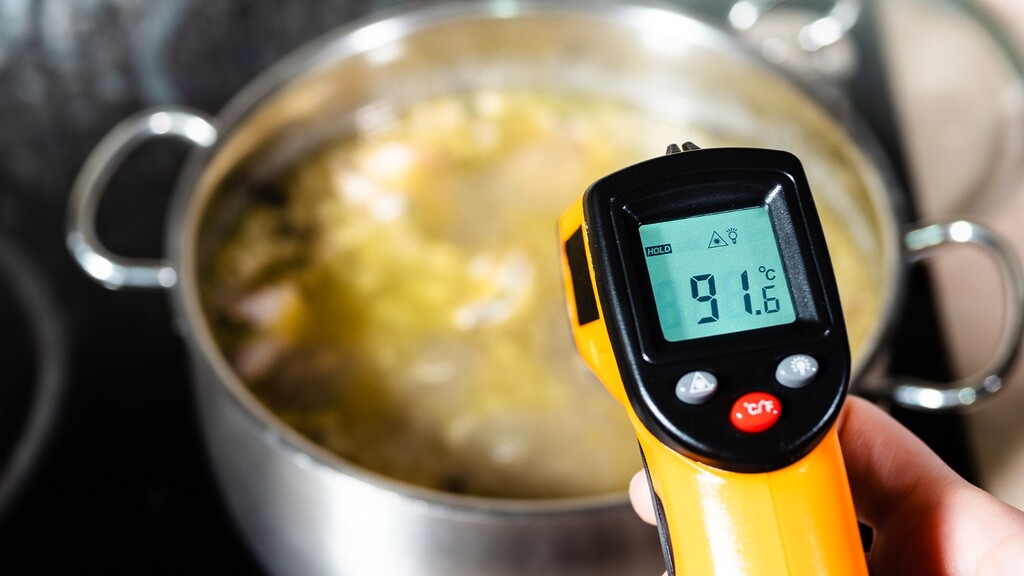
Managing diabetes often means choosing lean protein that helps you stay full and keeps meals balanced. Chicken breasts and pork tenderloins dry out very quickly if they stay in the oven even five minutes too long.
An instant-read digital meat thermometer completely eliminates the guesswork of cooking protein. You will stop cutting your chicken open to check if it is done, which lets the juices stay inside where they belong.
A well-equipped kitchen does not demand perfection. It just gives you a little more room to breathe while you make dinner.
Kristina Hanson is an independent wellness researcher and the founder of DailyZests. She specializes in translating nutritional science into simple, delicious recipes that fit into real life. When she isn’t in the kitchen, you’ll find her hiking the trails or enjoying a slow morning coffee with her Golden Retriever, Barnaby. Read her full story.


 This post may contain affiliate links.