Eating for stable blood sugar doesn’t mean facing down a sad plate of steamed broccoli every night. I spent years fighting the 3 PM blood sugar crash before I learned that adding vegetables actually makes meals richer. Here are eight ways to blend them in beautifully.
Just a quick note from my kitchen to yours: I share what has helped support my own insulin resistance, but I am a researcher and not a doctor. Always check with your medical team before making major changes to your diet.
8 Clever Ways to Sneak Vegetables Into Your Meals
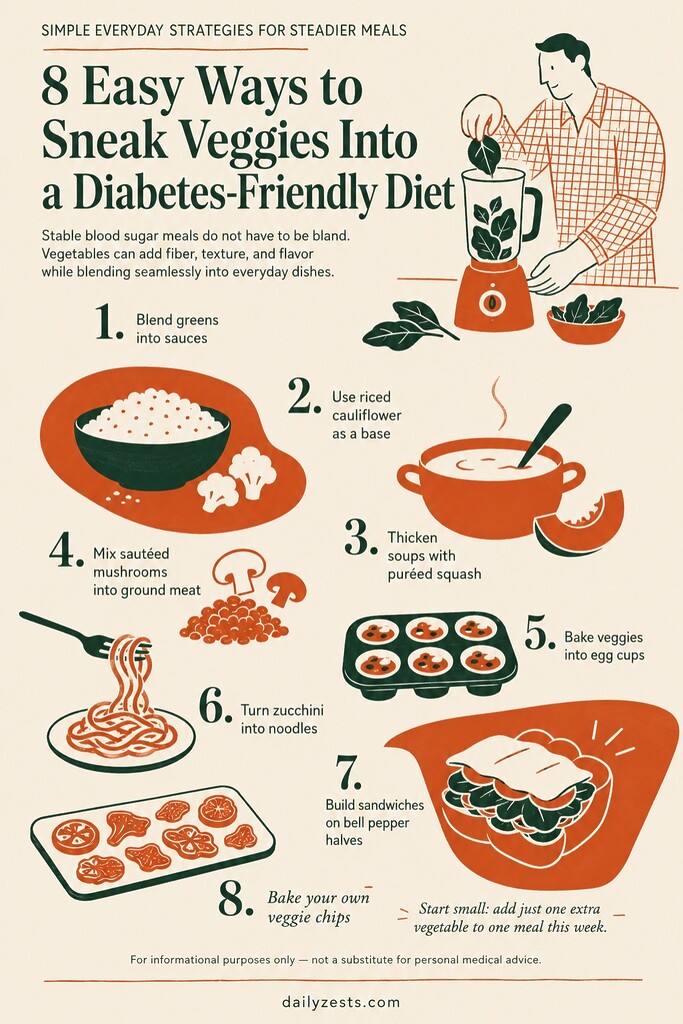
1. Blend greens right into your sauces
If you have picky eaters at your table, or if you simply do not enjoy the texture of cooked greens, your blender is about to become your best tool. Spinach and kale melt perfectly into marinara, pesto, and even enchilada sauce. The trick is to blend the raw greens directly into the liquid components of your sauce before heating it. The dark green color might slightly alter a red tomato sauce, but the flavor remains entirely undetectable.
2. Swap traditional bases for riced cauliflower
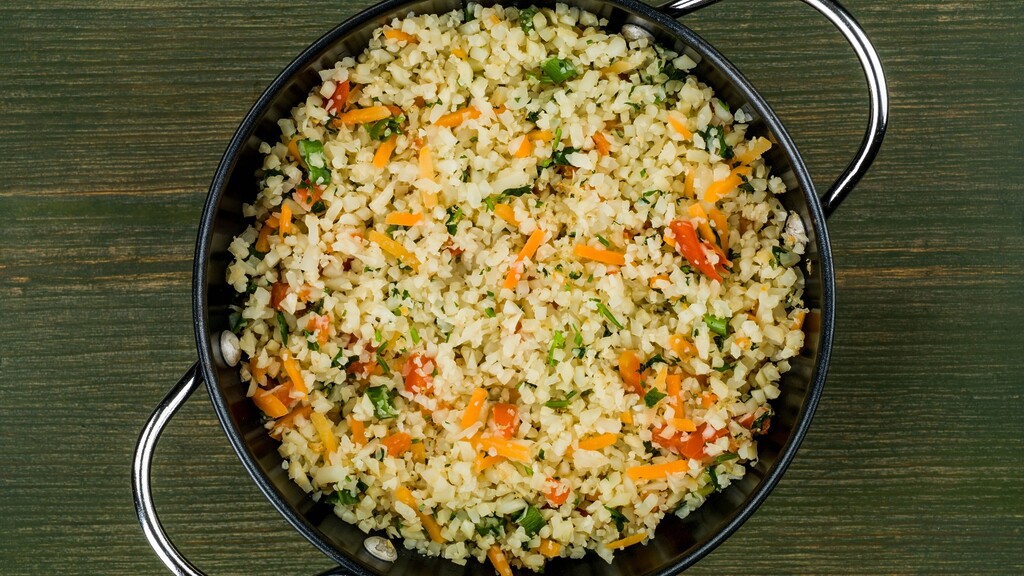
Cauliflower is a true kitchen chameleon. You can find it pre-riced in the freezer section of almost any grocery store, which saves a tremendous amount of prep time. I honestly believe cauliflower rice tastes best when you do not expect it to be an exact replica of white rice. Let it be its own delicious base. It excels at soaking up rich flavors like soy sauce, garlic, and ginger in a stir-fry.
3. Thicken soups with puréed squash
Flour and cornstarch are standard soup thickeners, but they can prompt a quick rise in blood sugar. Blended vegetables offer a much gentler alternative. When you purée cooked butternut squash or zucchini into a broth, you add a velvety texture along with a helpful dose of fiber. This fiber actually slows down how quickly your body processes the meal, which research suggests is very supportive for maintaining steady energy levels.
4. Stretch your ground meat with mushrooms
Finely chopped mushrooms blend so seamlessly into ground beef or turkey that you will barely know they are there. They add moisture and a deep, savory flavor while adding very little carbohydrate to the meal. A common mistake people make here is tossing raw, chopped mushrooms directly into the raw meat. That adds too much water and leaves you with a soggy texture. Sauté the mushrooms first to release their moisture, and then mix them into your burger patties or meatloaf.
5. Bake vegetables into morning egg cups
Mornings are usually rushed, making breakfast the hardest meal to balance. Baking eggs in a muffin tin on Sunday gives you a portable, protein-rich breakfast for the whole week. You can easily pack these cups with diced bell peppers, onions, and shredded zucchini. Having breakfast ready to go keeps my morning unhurried. I usually eat one of these on the porch with my coffee while my golden retriever Barnaby hopes I drop a crumb.
If you use frozen spinach in your egg cups, make sure to thaw it and squeeze it completely dry in a paper towel first. Excess water will ruin the texture of the eggs.
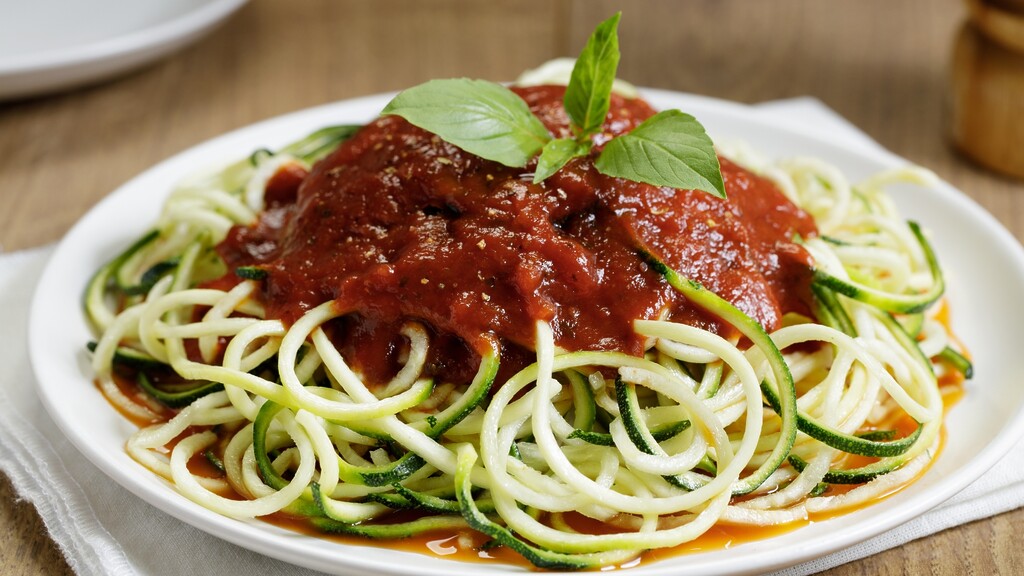
6. Turn zucchini into savory noodles
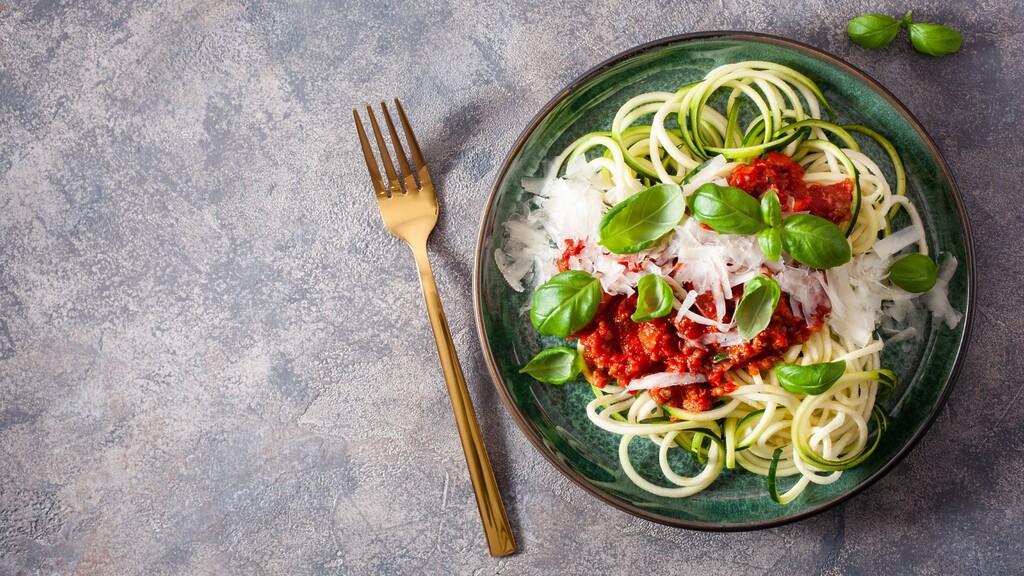
You do not need to abandon pasta night. Zucchini noodles, often called zoodles, provide a brilliant vehicle for heavy, savory meat sauces. They take only two or three minutes to sauté in a warm pan with a little olive oil. If you overcook them, they will turn to mush, so pull them off the heat the moment they soften.
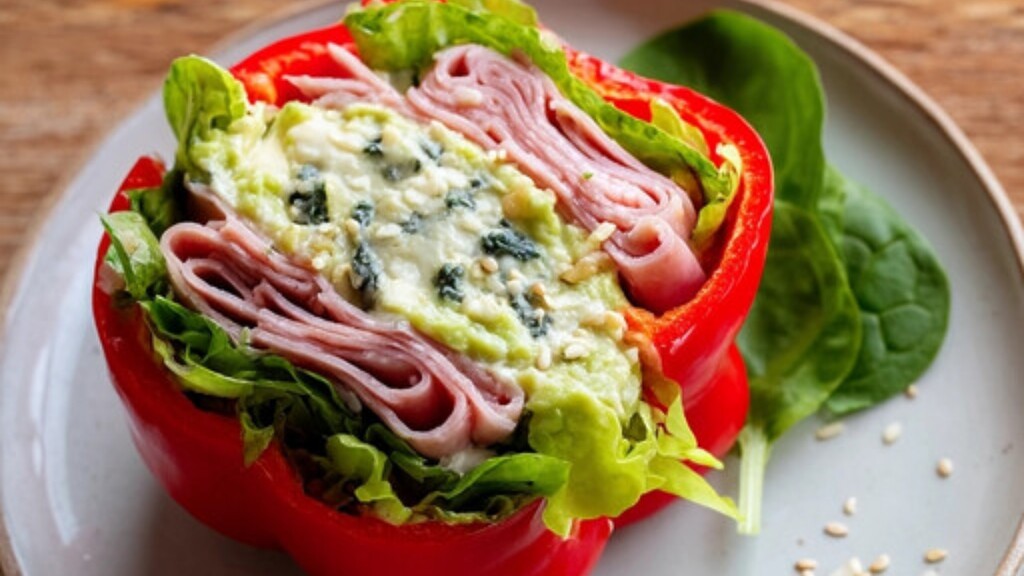
7. Build sandwiches on bell pepper halves
Bread can be tricky to navigate when you are monitoring your blood sugar. A fresh, crisp bell pepper sliced cleanly in half makes a surprisingly sturdy replacement for bread. Scoop out the seeds and layer in your favorite deli turkey, mustard, cheese, and avocado. It provides a satisfying crunch that regular sandwich bread simply cannot offer.
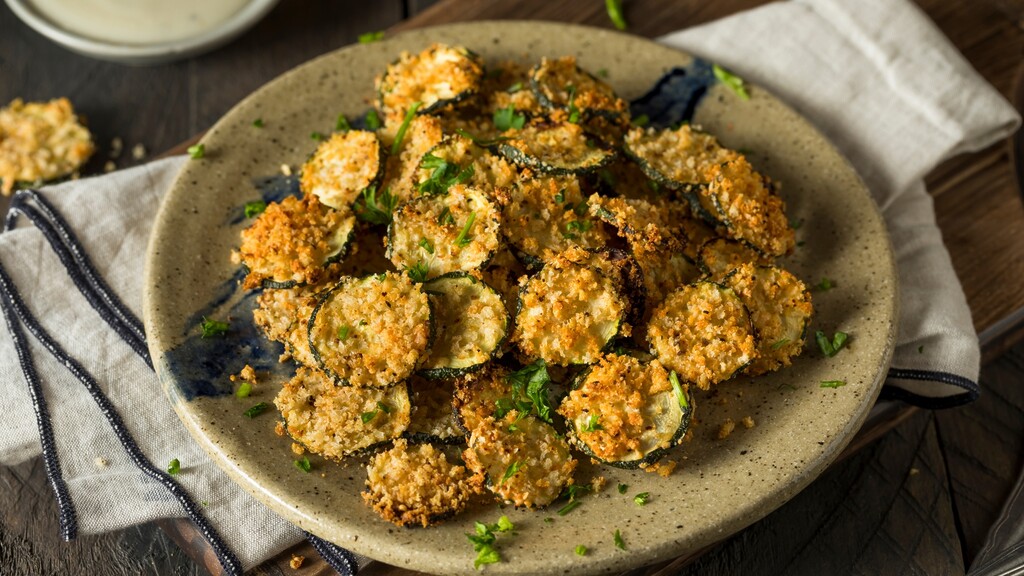
8. Bake your own crispy vegetable chips
Sometimes you just want something salty and crunchy to snack on. Store-bought potato chips can be tricky for blood sugar, but you can easily create your own alternative. Thinly sliced radishes, kale leaves, or zucchini rounds crisped up in the oven with olive oil and sea salt hit that exact same craving.
Start Small and Keep It Simple
You do not have to overhaul your entire pantry today. Just pick one meal this week and see where an extra handful of spinach or a blended zucchini might fit. Your body will appreciate the quiet support, and your taste buds might be pleasantly surprised.
Kristina Hanson is an independent wellness researcher and the founder of DailyZests. She specializes in translating nutritional science into simple, delicious recipes that fit into real life. When she isn’t in the kitchen, you’ll find her hiking the trails or enjoying a slow morning coffee with her Golden Retriever, Barnaby. Read her full story.
Okay, I gotta say, this article is speaking my language! I’m all about healthy eating, but let’s be real, sometimes veggies can be a bit…blah. I’m intrigued by the “Blend and Conquer” technique. I’m picturing myself as some kind of veggie ninja, silently slipping spinach into my unsuspecting family’s smoothies. My question is, does the spinach really disappear completely? Like, will my smoothie still taste like berries and sunshine, or will there be a lingering “green” aftertaste? Also, any tips on getting the consistency right? I don’t want a chunky, veggie-laden smoothie. Thanks!
Hi Camila! I love your “veggie ninja” analogy! You’re definitely on the right track. With the “Blend and Conquer” method, the goal is to make those greens virtually undetectable. To answer your question, yes, in a fruit smoothie, the spinach flavor is masked remarkably well, especially if you use flavorful additions like berries, bananas, or a bit of pineapple. The key is to use baby spinach, which has a milder flavor than mature spinach.
As for consistency, a good blender is your best friend here. Blend until it’s completely smooth – no one wants a chunky smoothie! Start with a small amount of spinach (maybe a handful) and gradually increase it as you get used to the taste. You can also add a little extra liquid (water, milk, or yogurt) if needed to reach your desired consistency. Let me know how your smoothie experiments go – I’m sure you’ll be a veggie-sneaking pro in no time!
This is a great article, but I’m a little skeptical about the “Muffin Makeover.” I mean, zucchini in muffins? Won’t that make them, well, soggy? I’m all for healthy swaps, but I don’t want to ruin a perfectly good muffin. And what about the taste? I can’t imagine beets tasting good in a sweet treat. Is there a way to make these veggie muffins actually taste good, or am I just setting myself up for disappointment? Also, do these muffins still rise properly with all that added moisture?
Hi Gabriela! I totally understand your skepticism about the “Muffin Makeover.” It sounds a bit strange, I know! But trust me, it works! The key is to grate the zucchini finely and then squeeze out the excess moisture using a clean kitchen towel or cheesecloth. This prevents the muffins from becoming soggy.
As for the taste, grated zucchini and carrots are quite mild and add a subtle sweetness. Beets, on the other hand, have a more distinct earthy flavor. If you’re hesitant, start with a small amount or try golden beets, which are milder than red beets. And yes, adding a little extra baking powder can help ensure they rise properly. You can also use spices like cinnamon, nutmeg, or ginger to complement the vegetable flavors and create a delicious, well-balanced muffin. Don’t be afraid to experiment – you might surprise yourself with how tasty and moist these veggie-packed muffins can be! They’re also fun to make with kids! I hope this clears up the questions you had.
Okay, this article is GENIUS! I’ve been struggling to get my picky husband to eat more veggies, and the “blend and conquer” technique sounds like a lifesaver. 😂 He’s obsessed with my spaghetti sauce, so maybe I can finally sneak some spinach in there without him noticing. Has anyone actually tried this? Does it really work, or will he be able to taste the difference? Also, the “muffin makeover” sounds interesting, but I’m worried about them tasting like… well, vegetables. Any tips on making them taste more like a treat and less like a health food?
Hey Riley! Glad you found the article helpful! The “blend and conquer” technique is a game-changer for picky eaters. I’ve successfully snuck spinach, kale, and even carrots into sauces and smoothies without any complaints! 😉 Just make sure to blend it really well. As for the muffins, adding a little extra sweetener (like a touch of honey or maple syrup, being mindful of your own dietary needs), along with spices like cinnamon and nutmeg, can definitely help mask the veggie taste. Also, using a sweeter veggie like carrots or zucchini can make a difference. Let me know how it goes!
I love all these ideas, but I’m a terrible cook. 😅 Like, I can barely boil water without burning it. Are these “sneaky” methods easy enough for a complete beginner in the kitchen? Also, I’m a little confused about the juicing part. If it removes the fiber, is it even worth doing, especially for someone with diabetes? It sounds like it might do more harm than good. 🤔 Any advice for a novice cook with diabetes who wants to eat healthier?
Hey Zoé! Don’t worry, you don’t have to be a master chef to sneak some veggies into your diet! 😂 Start with something simple like adding pre-chopped veggies to an omelet or mixing them into a pre-made pasta sauce. The “snack attack” is also super easy – just keep some cut veggies on hand. As for the juicing, you’re right, it’s not ideal for people with diabetes since it removes the fiber. It’s better to eat whole fruits and vegetables. But if you do juice, make it mostly vegetables and limit the amount of fruit, and maybe add some chia seeds for fiber. Also consider adding a source of healthy fat, like half an avocado, to help mitigate blood sugar spikes. My best advice is to start small, experiment with different recipes, and don’t be afraid to ask for help! You got this!





 This post may contain affiliate links.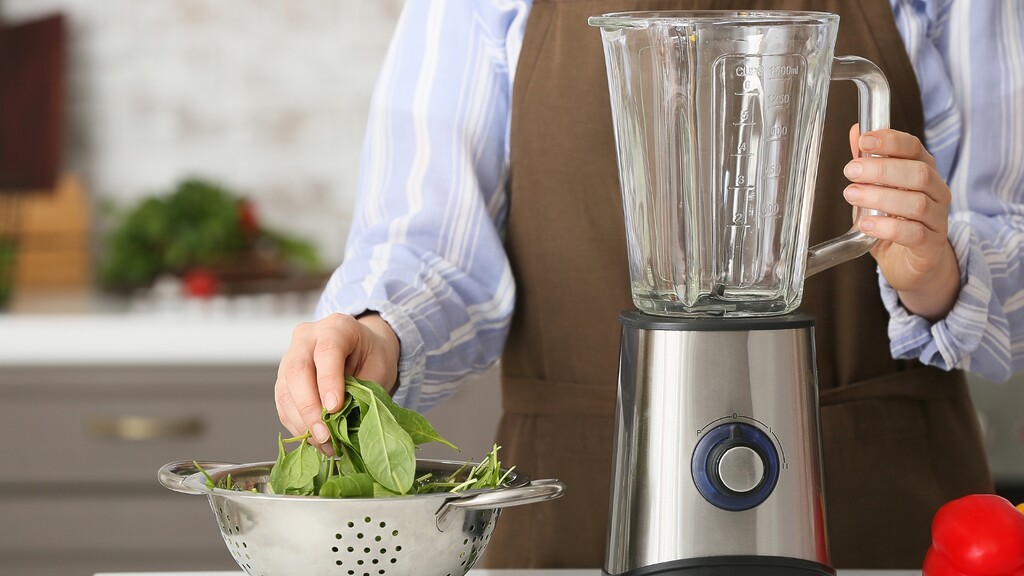










Okay, I gotta say, this article is speaking my language! I’m all about healthy eating, but let’s be real, sometimes veggies can be a bit…blah. I’m intrigued by the “Blend and Conquer” technique. I’m picturing myself as some kind of veggie ninja, silently slipping spinach into my unsuspecting family’s smoothies. My question is, does the spinach really disappear completely? Like, will my smoothie still taste like berries and sunshine, or will there be a lingering “green” aftertaste? Also, any tips on getting the consistency right? I don’t want a chunky, veggie-laden smoothie. Thanks!
Hi Camila! I love your “veggie ninja” analogy! You’re definitely on the right track. With the “Blend and Conquer” method, the goal is to make those greens virtually undetectable. To answer your question, yes, in a fruit smoothie, the spinach flavor is masked remarkably well, especially if you use flavorful additions like berries, bananas, or a bit of pineapple. The key is to use baby spinach, which has a milder flavor than mature spinach.
As for consistency, a good blender is your best friend here. Blend until it’s completely smooth – no one wants a chunky smoothie! Start with a small amount of spinach (maybe a handful) and gradually increase it as you get used to the taste. You can also add a little extra liquid (water, milk, or yogurt) if needed to reach your desired consistency. Let me know how your smoothie experiments go – I’m sure you’ll be a veggie-sneaking pro in no time!
This is a great article, but I’m a little skeptical about the “Muffin Makeover.” I mean, zucchini in muffins? Won’t that make them, well, soggy? I’m all for healthy swaps, but I don’t want to ruin a perfectly good muffin. And what about the taste? I can’t imagine beets tasting good in a sweet treat. Is there a way to make these veggie muffins actually taste good, or am I just setting myself up for disappointment? Also, do these muffins still rise properly with all that added moisture?
Hi Gabriela! I totally understand your skepticism about the “Muffin Makeover.” It sounds a bit strange, I know! But trust me, it works! The key is to grate the zucchini finely and then squeeze out the excess moisture using a clean kitchen towel or cheesecloth. This prevents the muffins from becoming soggy.
As for the taste, grated zucchini and carrots are quite mild and add a subtle sweetness. Beets, on the other hand, have a more distinct earthy flavor. If you’re hesitant, start with a small amount or try golden beets, which are milder than red beets. And yes, adding a little extra baking powder can help ensure they rise properly. You can also use spices like cinnamon, nutmeg, or ginger to complement the vegetable flavors and create a delicious, well-balanced muffin. Don’t be afraid to experiment – you might surprise yourself with how tasty and moist these veggie-packed muffins can be! They’re also fun to make with kids! I hope this clears up the questions you had.
Okay, this article is GENIUS! I’ve been struggling to get my picky husband to eat more veggies, and the “blend and conquer” technique sounds like a lifesaver. 😂 He’s obsessed with my spaghetti sauce, so maybe I can finally sneak some spinach in there without him noticing. Has anyone actually tried this? Does it really work, or will he be able to taste the difference? Also, the “muffin makeover” sounds interesting, but I’m worried about them tasting like… well, vegetables. Any tips on making them taste more like a treat and less like a health food?
Hey Riley! Glad you found the article helpful! The “blend and conquer” technique is a game-changer for picky eaters. I’ve successfully snuck spinach, kale, and even carrots into sauces and smoothies without any complaints! 😉 Just make sure to blend it really well. As for the muffins, adding a little extra sweetener (like a touch of honey or maple syrup, being mindful of your own dietary needs), along with spices like cinnamon and nutmeg, can definitely help mask the veggie taste. Also, using a sweeter veggie like carrots or zucchini can make a difference. Let me know how it goes!
I love all these ideas, but I’m a terrible cook. 😅 Like, I can barely boil water without burning it. Are these “sneaky” methods easy enough for a complete beginner in the kitchen? Also, I’m a little confused about the juicing part. If it removes the fiber, is it even worth doing, especially for someone with diabetes? It sounds like it might do more harm than good. 🤔 Any advice for a novice cook with diabetes who wants to eat healthier?
Hey Zoé! Don’t worry, you don’t have to be a master chef to sneak some veggies into your diet! 😂 Start with something simple like adding pre-chopped veggies to an omelet or mixing them into a pre-made pasta sauce. The “snack attack” is also super easy – just keep some cut veggies on hand. As for the juicing, you’re right, it’s not ideal for people with diabetes since it removes the fiber. It’s better to eat whole fruits and vegetables. But if you do juice, make it mostly vegetables and limit the amount of fruit, and maybe add some chia seeds for fiber. Also consider adding a source of healthy fat, like half an avocado, to help mitigate blood sugar spikes. My best advice is to start small, experiment with different recipes, and don’t be afraid to ask for help! You got this!