Bottled vinaigrettes are mostly water. These low carb salad dressing recipes use real emulsions for a luxurious mouthfeel. Drizzle thick, chunky blue cheese and velvety avocado-lime creams that actually cling to every leaf. It transforms raw greens into a rich, crave-worthy experience.
Zero Hidden Sugars: Every recipe here is either naturally sugar-free or uses smart, low-carb sweeteners, so you can pour generously without worrying about the carb count.
Quality Fats: We skip the cheap vegetable oils and focus on wholesome staples like extra virgin olive oil, avocado oil, and Greek yogurt for a satisfying richness.
Kitchen Staples: You won’t need to hunt for exotic ingredients; most of these come together with what is already in your pantry and crisper drawer.
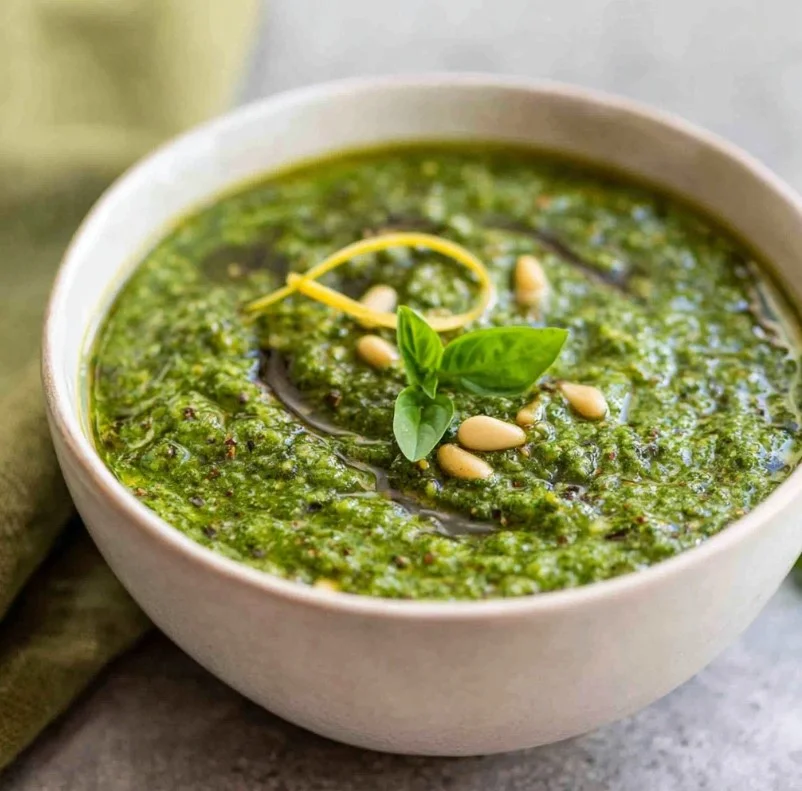
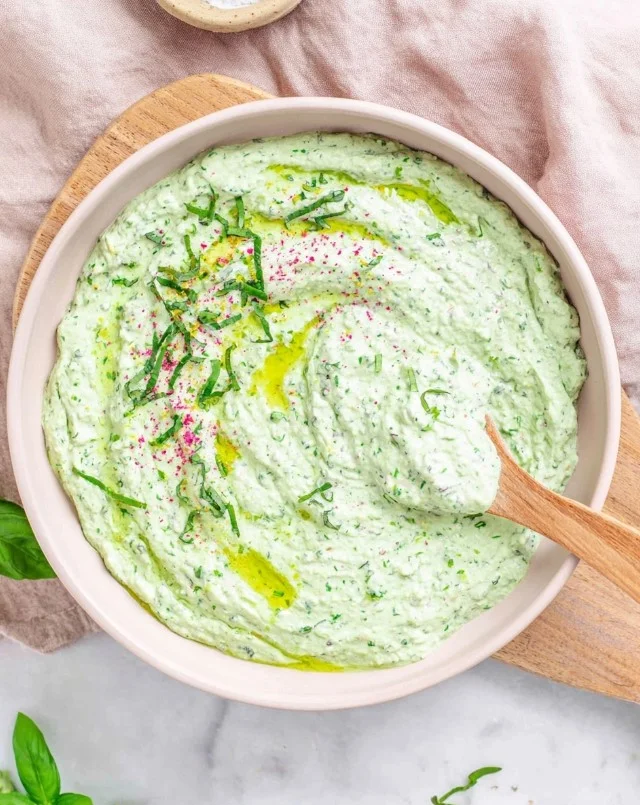
This dressing is like liquid gold for basil lovers, transforming the classic Genoese sauce into a pourable delight. It features a rich, nutty depth from pine nuts and parmesan that clings perfectly to arugula or roasted veggies. It’s an easy way to add gourmet flair to a simple lunch.
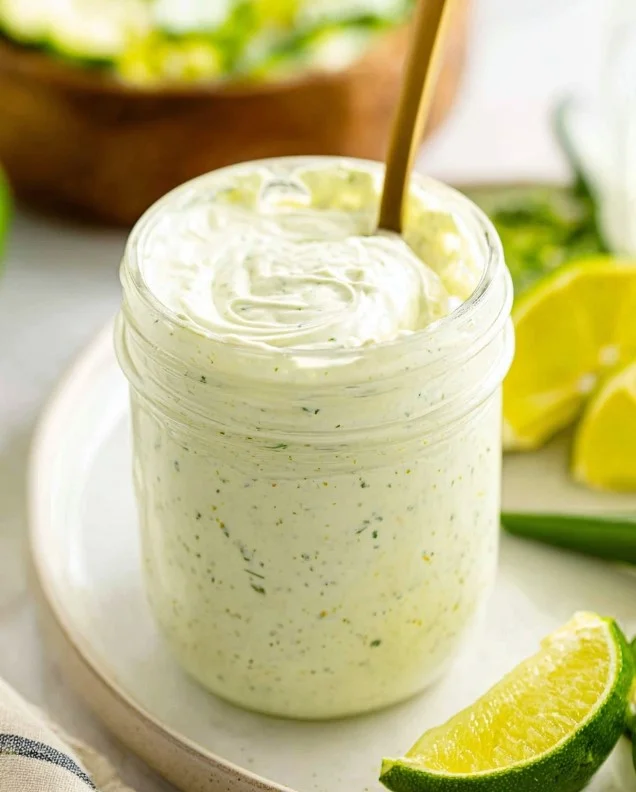
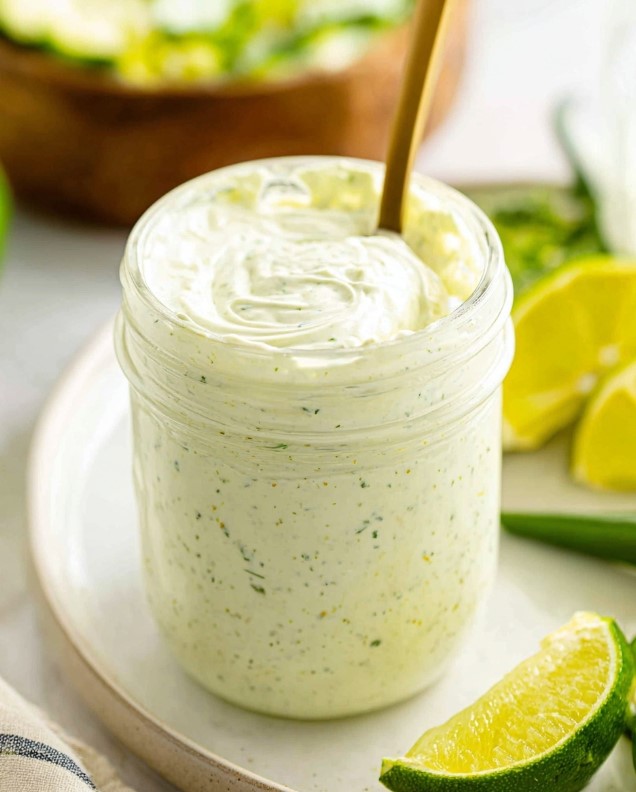
Bright, tangy, and incredibly refreshing, this dressing is a must-have for taco salads or grilled chicken bowls. The Greek yogurt base provides a velvety, creamy texture without the heaviness of mayonnaise, while the fresh lime juice cuts through rich ingredients for a perfectly balanced bite.
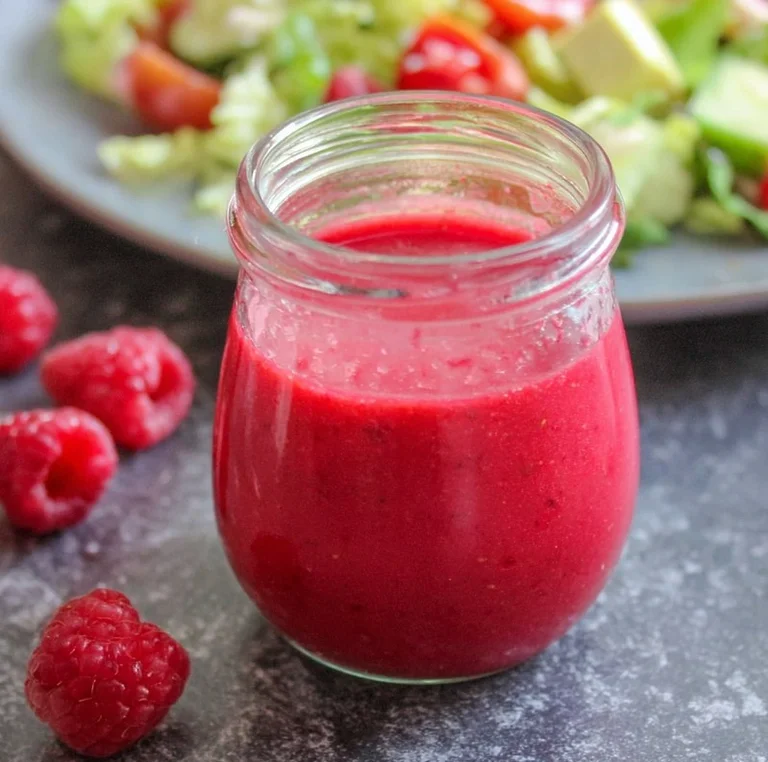
Finally, a fruit vinaigrette that isn’t a sugar bomb! This beautiful ruby-red dressing uses fresh berries for authentic, vibrant fruit flavor that pairs beautifully with spinach and nuts. It’s sweet, tangy, and sophisticated enough for a dinner party while being totally sugar-free.
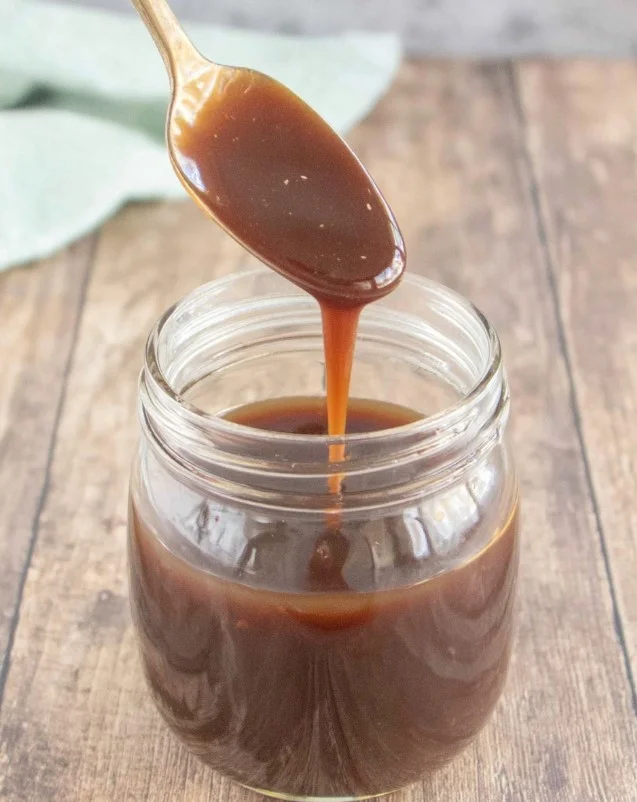
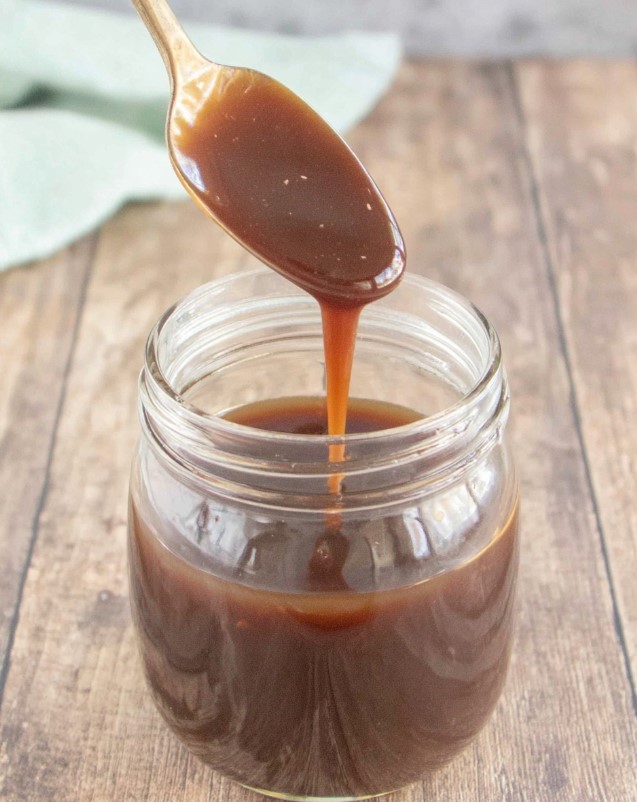
This is the ultimate pantry staple, reimagined without the sugary syrup found in commercial balsamic glazes. The combination of aged vinegar and sharp Dijon creates a bold, savory-sweet profile that clings to greens rather than sliding off. It’s a robust choice for hearty steak salads.
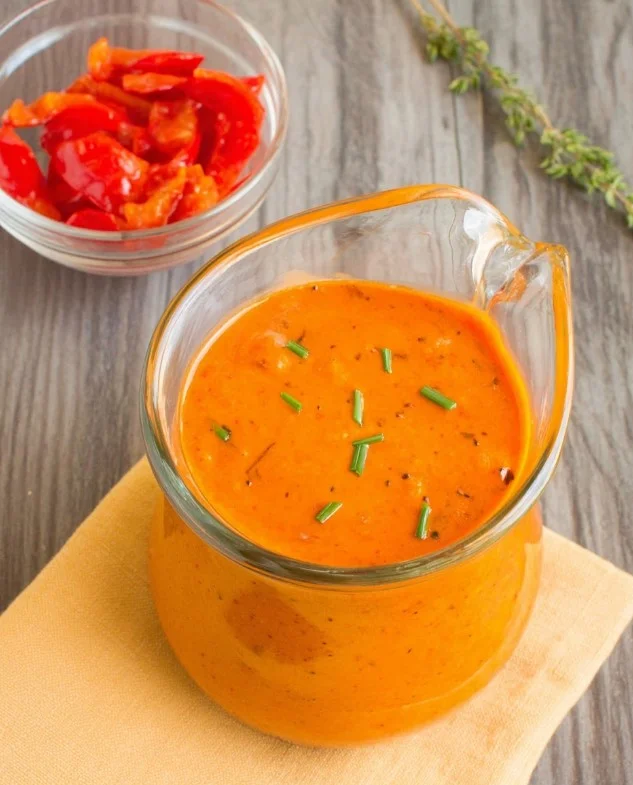
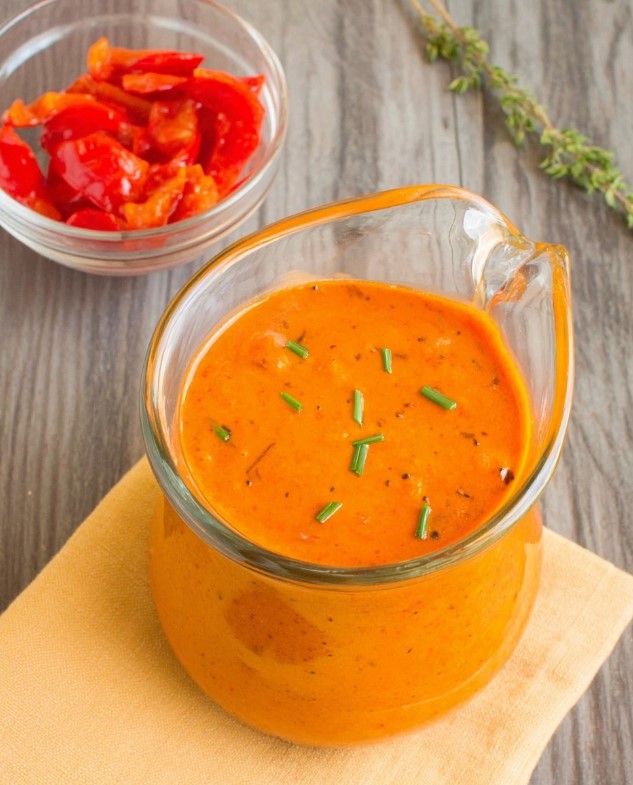
Smoky, sweet, and vividly orange, this dressing is a fantastic way to brighten up a simple bowl of greens. The roasted peppers provide a luscious, thick texture that feels indulgent but is actually light and veggie-packed. It doubles beautifully as a marinade for grilled chicken.
This is the queen of creamy dressings, blending ripe avocado with a garden’s worth of fresh herbs. It offers an ultra-rich mouthfeel and a punch of garlicky goodness that makes raw veggies impossible to stop eating. It’s filling, wholesome, and completely dairy-free adaptable.
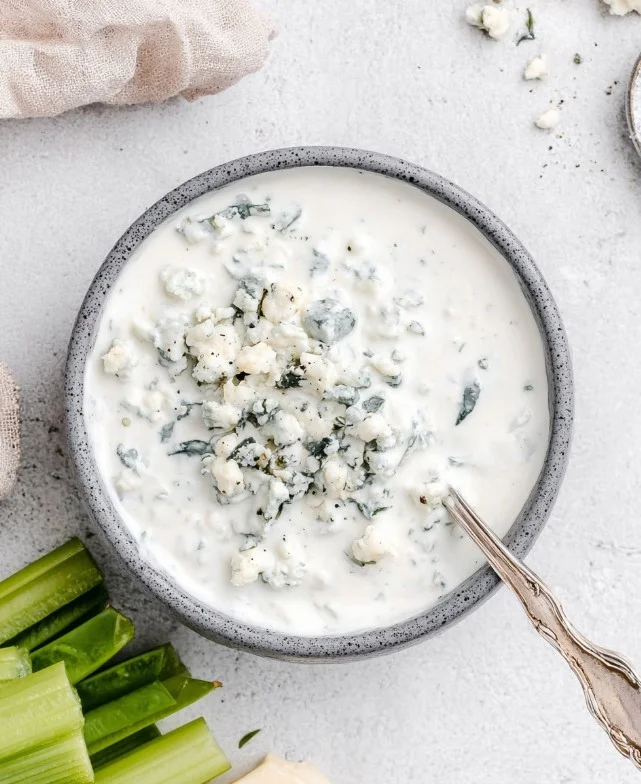
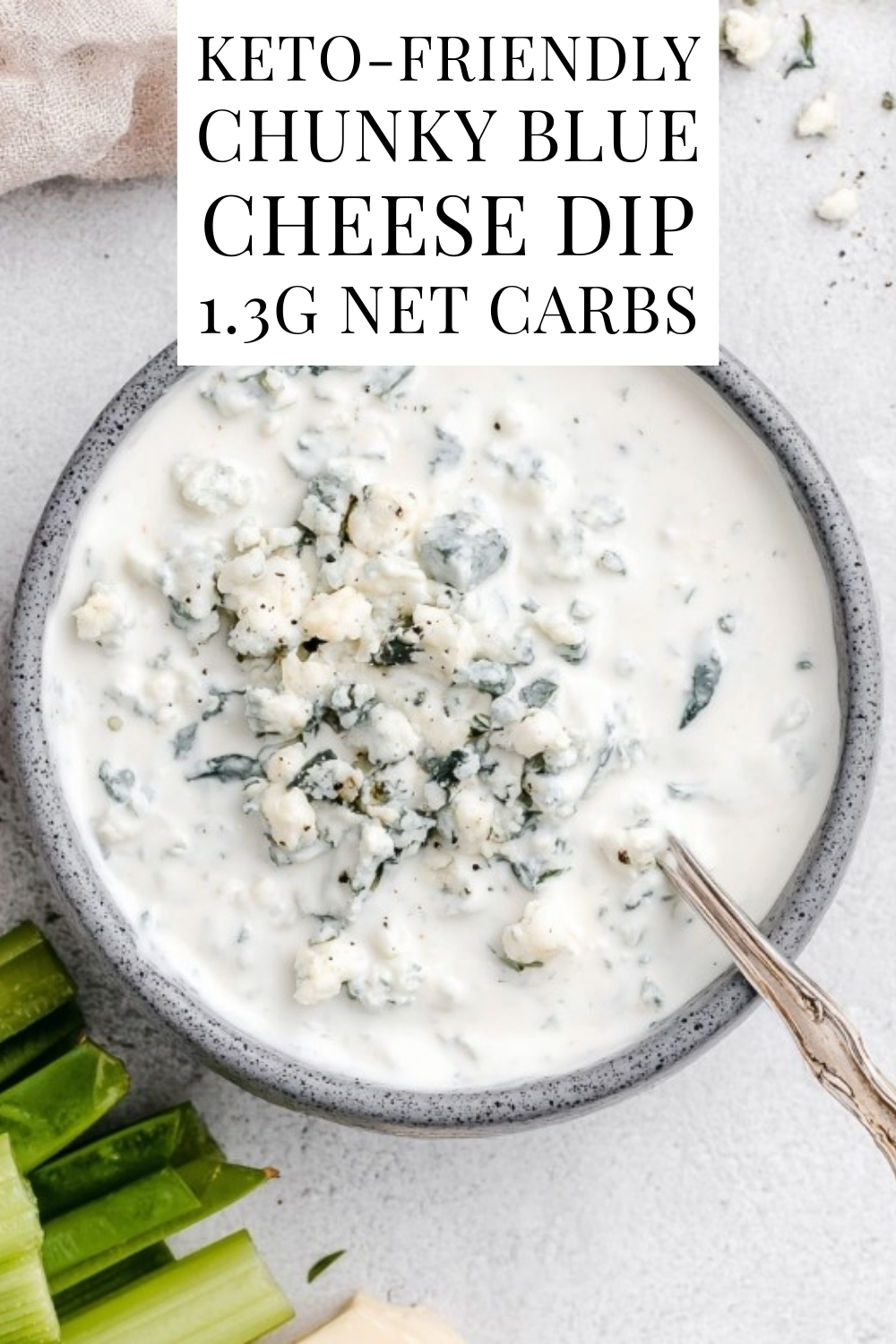
Forget the watery, flavorless bottled versions—this homemade blue cheese dressing is the real deal. It’s loaded with big, satisfying chunks of quality cheese and a savory garlic kick that makes it perfect for a wedge salad or dipping wings. It’s pure comfort food without the fillers.
🕒 Ready in: 10 minutes
172 kcal •~1.3g Net Carbs •3.5g Protein •17.5g Fat
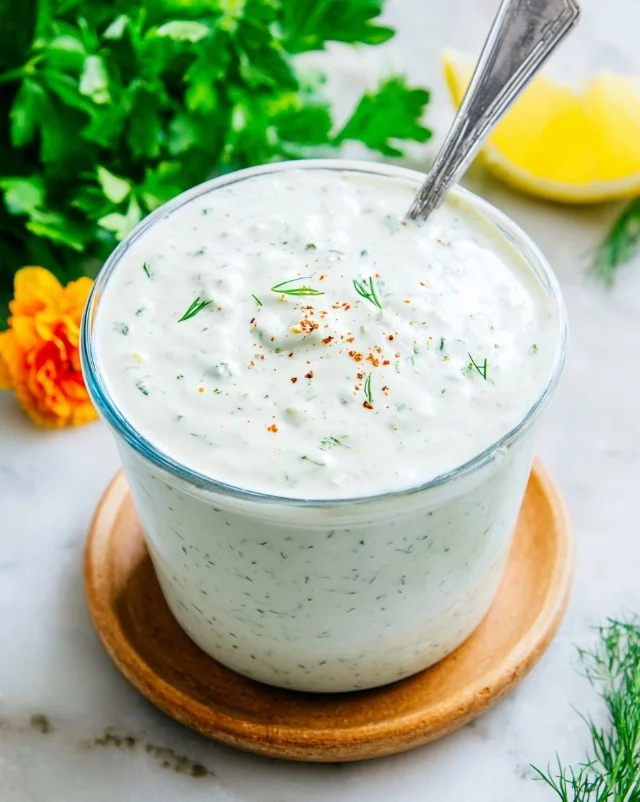
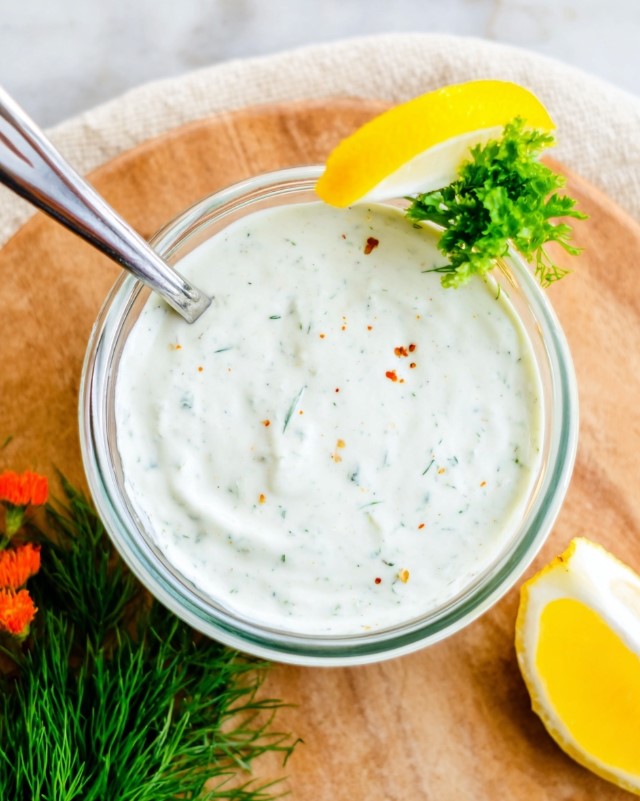
Ranch is an American classic, but this lighter version lets you enjoy it guilt-free. By using Greek yogurt and buttermilk, you get that signature tangy flavor and creamy consistency with an added protein boost. It’s fresh, herbaceous, and perfect for dipping pizza crusts or veggies.
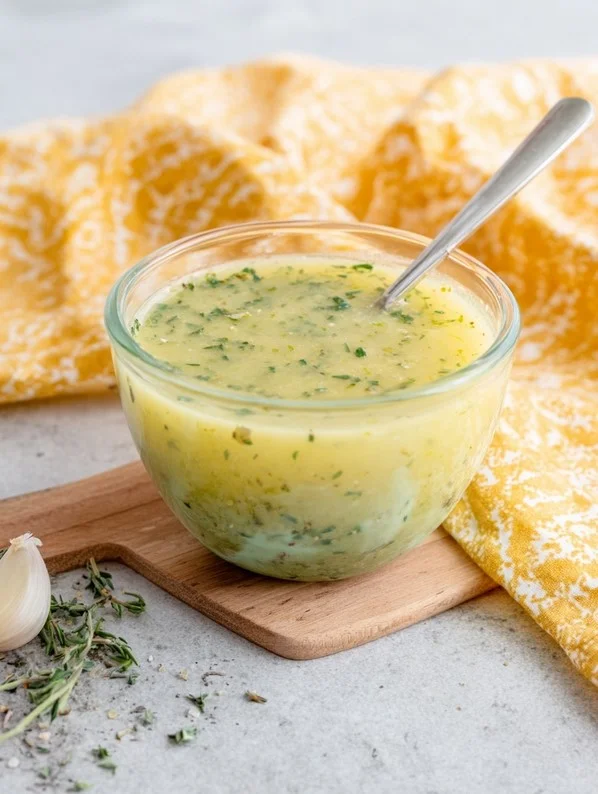
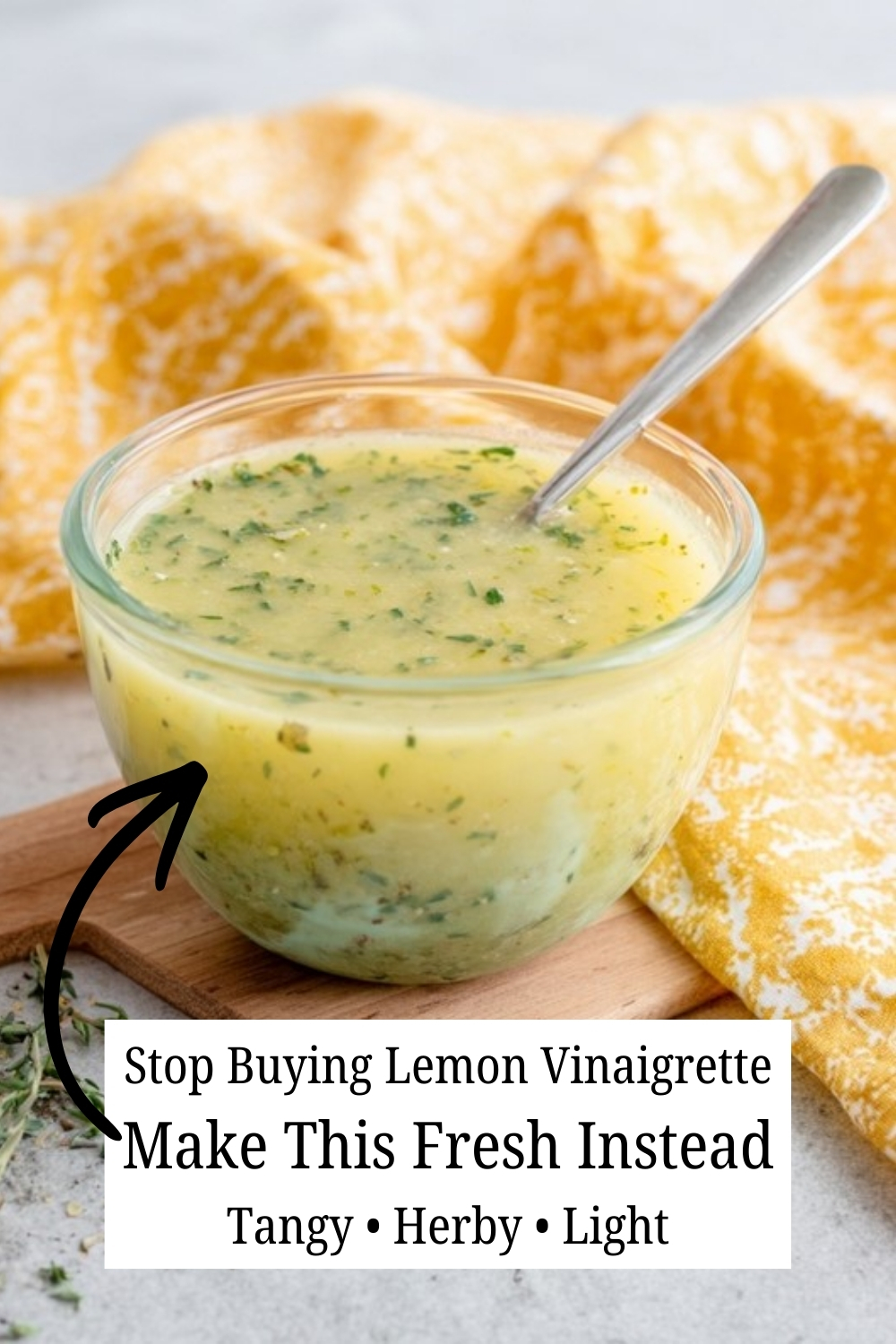
When you want something light that still packs a punch, this citrus-forward vinaigrette is the answer. The fresh lemon juice provides a clean, zesty brightness that wakes up any salad, while the touch of thyme adds an earthy elegance. It’s the perfect everyday dressing for simple side salads.
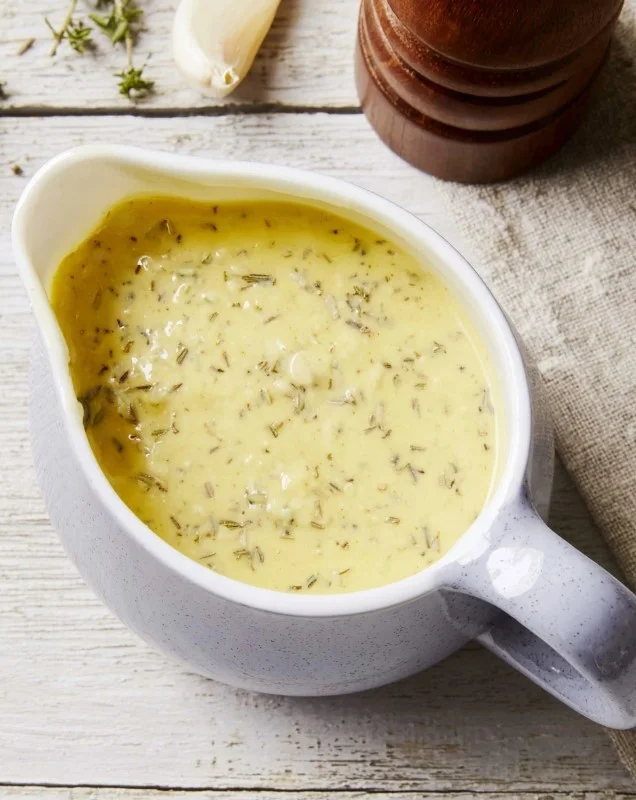
Simplicity is key with this robust dressing, which relies on the timeless combination of garlic and oregano. It has absolutely zero sugar, offering a pure, savory flavor profile that works with everything from Italian salads to marinades. It is proof that you don’t need sweeteners to make food taste good.
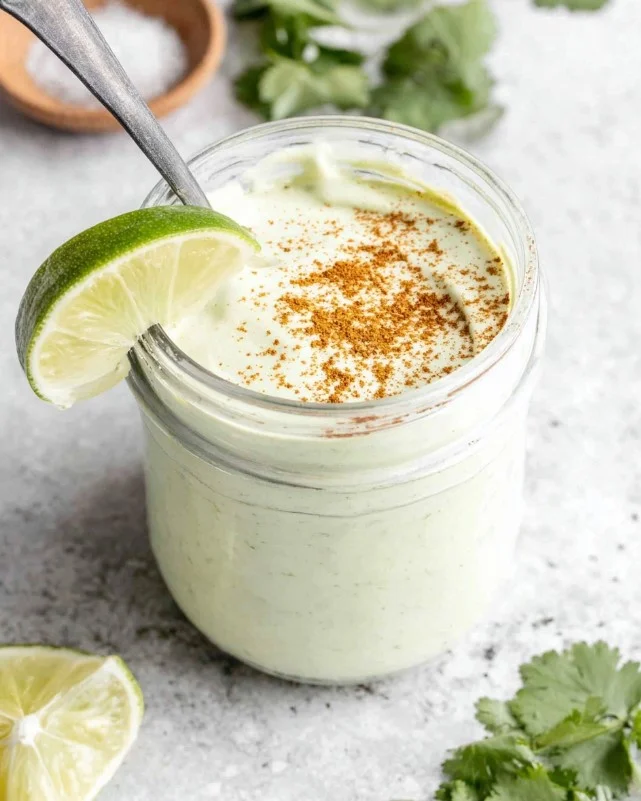
This dressing blurs the line between sauce and dip, and you will be glad it does. The combination of avocado and cumin gives it a warm, earthy flavor with a refreshing citrus finish. It’s fantastic drizzled over taco bowls or used as a dip for cucumber slices.
The Mason Jar Method: The easiest way to make these is to dump everything into a small mason jar and shake. It saves on cleanup and makes storage instant.
Letting Flavors Meld: While you can eat these immediately, letting them sit in the fridge for at least 30 minutes allows the dried herbs and garlic to release their full potential.
Oil Solidification: Since we use real extra virgin olive oil, some dressings may solidify in the fridge. Just let them sit on the counter for 5–10 minutes and give them a good shake before serving.
Final Thoughts
Making your own salad dressing is one of the smallest changes you can make with the biggest impact on your daily meals. You save money, avoid unnecessary sugars, and get to enjoy fresh, vibrant flavors every day. Which one of these zesty recipes are you going to try first? Let me know in the comments below or save this list to your “Healthy Eats” board on Pinterest!
Remember, I’m a foodie, not a doctor! These are my own kitchen experiments—always chat with your healthcare provider for what works best for you.
Kristina Hanson is an independent wellness researcher and the founder of DailyZests. After a PCOS diagnosis, she focused her research on managing insulin resistance through evidence-based nutrition. Her work translates the science of DASH, Mediterranean, and Low-Carb eating into easy, family-tested recipes.
This is a great idea in theory, but I’m a little intimidated. I’m not much of a cook, and some of these recipes sound complicated. Are there any options that are super simple and don’t require a lot of ingredients or fancy equipment? Also, how long do these homemade dressings last in the fridge? I don’t want to make a big batch and have it go bad before I can use it.
Hi Brenda, thanks for your comment! I understand that making your own dressings can seem daunting at first, but I assure you there are plenty of easy options. Many of these recipes are surprisingly simple and require minimal ingredients and equipment.
For example, the Classic Vinaigrette is as easy as it gets – just whisk together olive oil, vinegar, and your favorite herbs. You can even make it directly in a salad bowl! The Lemon-Herb Vinaigrette is equally simple, just swapping vinegar for lemon juice. The Balsamic Mustard Vinaigrette is another great option that requires little more than whisking a few ingredients together.
You don’t need any fancy equipment for most of these. A whisk and a bowl or a mason jar with a lid are sufficient for most of the vinaigrettes.
As for storage, most homemade vinaigrettes will last for about 5-7 days in the refrigerator when stored in an airtight container. The ones with mayonnaise and yogurt might not last as long. Dressings with fresh ingredients like the Raspberry Vinaigrette are best consumed within 3-4 days. A good rule of thumb is to make only as much as you think you’ll use within a few days to ensure freshness and avoid food waste. You can also divide the recipes to make smaller portions.
I encourage you to start with the simplest recipes and gradually work your way up to the more complex ones. You might be surprised at how easy and satisfying it is to make your own delicious, healthy dressings!
I’m excited to try these, but I’m a little confused about the use of mayonnaise in some of the creamy dressings. I thought mayonnaise was high in fat and not recommended for people with diabetes. Also, what kind of vinegar is best for these dressings? There are so many different types available.
Hi Patricia, that’s a great question! It’s true that traditional mayonnaise is high in fat, but the amount used in these recipes is relatively small. Additionally, you can opt for mayonnaise made with olive oil or avocado oil, which contain healthier fats. You can also reduce the amount of mayo called for in the recipe by half, for example, or you can substitute it for Greek yogurt. Greek yogurt is an excellent substitute for mayonnaise. You can use it instead of mayo or in combination with mayo to reduce the amount of fat.
Ultimately, the key is moderation and choosing the option that best fits your individual dietary needs and preferences. If you’re concerned about fat intake, you can reduce the amount of mayonnaise or substitute it with plain Greek yogurt, which is lower in fat and higher in protein.
Regarding vinegar, the type you use can depend on your personal preference and the specific recipe. Here are a few suggestions:
Apple cider vinegar: A popular choice for its health benefits and tangy flavor.
Balsamic vinegar: Adds a touch of sweetness and depth of flavor.
Red wine vinegar: A classic choice for vinaigrettes, with a robust flavor.
White wine vinegar: A lighter, more delicate flavor.
Lemon Juice: Not a vinegar, but often used in place of vinegar in dressings for a bright, citrusy flavor.
Feel free to experiment with different types of vinegar to find your favorites. You can also use different types of mustard, such as Dijon or whole-grain mustard. The most important thing is to choose a high-quality vinegar that you enjoy.
This is great! I love salads, but I always feel guilty about the dressing. I’m definitely going to try making my own. The avocado dressing sounds especially yummy. My only concern is, avocados can brown pretty quickly. Any tips for keeping my homemade avocado dressing from turning into a sad, brown mush? Nobody wants a brown salad! 😂
Hi Karen, thanks for your comment! I’m glad you’re excited about the dressings! You’re absolutely right about avocados browning – it’s a common problem. There are a few tricks to keep your avocado dressing looking fresh and green. The most important thing is lemon or lime juice! The citric acid helps prevent oxidation. So, make sure your recipe has a good amount of lemon or lime. You can also press plastic wrap directly onto the surface of the dressing in the container to minimize air exposure. Storing it in an airtight container in the fridge is also key. If it does start to brown slightly, you can sometimes just stir it up, and the green underneath will mix in. But prevention is the best cure! Nobody wants brown dressing, I agree! 😉
Okay, I’m intrigued! I’ve been trying to eat healthier lately, but I’m so bored with plain salads. These dressing ideas sound amazing, especially the Creamy Avocado Dressing. But I’m a little worried about the fat content. Avocados are healthy, right? But they’re still high in fat. Will that be a problem for my blood sugar? And what kind of mayonnaise should I use? I heard some brands have hidden sugars…
Hi Jennifer! Thanks for your comment! You’re absolutely right to consider the fat content, even with healthy fats like avocado. While avocados are packed with nutrients and fiber, which help slow down sugar absorption, moderation is key. This dressing is best enjoyed as a treat rather than an everyday staple. As for the mayo, I recommend using a brand made with olive oil or avocado oil and checking the label for added sugar. You can also use plain Greek yogurt as a lighter substitute, but the flavor profile will change slightly. I personally like it! Don’t be afraid to experiment and find what works best for you!
Okay, this sounds promising, but “anchovies” in the Green Goddess Dressing? Seriously? Isn’t that a bit, well, fishy for a salad? And what’s the deal with mayo in some of these recipes? I thought we were supposed to be avoiding that stuff. Also, where can I find erythritol or stevia, is it in local markets, or do I have to buy it from specialized stores?
Hey Lisa! I get it – anchovies can be a bit controversial! They add a salty, umami flavor that’s hard to replicate, but if you’re not a fan, you can totally leave them out. The Green Goddess will still be delicious! As for mayo, it’s all about moderation and choosing a good quality one, maybe a version made with olive oil or avocado oil. It adds creaminess, but you can also experiment with Greek yogurt as a substitute in many recipes. As for erythritol or stevia, most big supermarkets carry them these days, usually in the baking aisle or near the sugar. You can also easily order them online. But again, feel free to adjust the sweetness to your liking, or even omit it altogether in some recipes like the Balsamic Mustard Vinaigrette.
This all sounds great, but I’m not exactly a whiz in the kitchen. “Whisk together balsamic vinegar, olive oil…” Sounds a bit intimidating! Are these dressings really easy to make, or will I end up with a separated, oily mess? Also, how long do these homemade dressings last in the fridge? I don’t want to make a big batch and then have it go bad before I can use it all. And how much is “a touch of sweetener”? can you be more specific?
Michelle, I hear you! Cooking can feel overwhelming sometimes. But trust me, these dressings are super easy. “Whisking” just means mixing vigorously with a fork or a small whisk. Think of it as a mini arm workout! And if your vinaigrette separates, just give it another good shake before using – it’s totally normal. Most of these dressings will last for about 5-7 days in the fridge, stored in an airtight container. As for “a touch of sweetener,” that usually means around 1/2 to 1 teaspoon, but start small and add more to your taste. You can also look for “liquid stevia” which comes in drops, so you have even more control. The most important thing is to have fun and not be afraid to experiment! You might even discover your own signature dressing recipe.
This website uses cookies to personalize and improve your experience. To learn more, visit our Privacy Policy. By continuing, you agree to our use of cookies.





This is a great idea in theory, but I’m a little intimidated. I’m not much of a cook, and some of these recipes sound complicated. Are there any options that are super simple and don’t require a lot of ingredients or fancy equipment? Also, how long do these homemade dressings last in the fridge? I don’t want to make a big batch and have it go bad before I can use it.
Hi Brenda, thanks for your comment! I understand that making your own dressings can seem daunting at first, but I assure you there are plenty of easy options. Many of these recipes are surprisingly simple and require minimal ingredients and equipment.
For example, the Classic Vinaigrette is as easy as it gets – just whisk together olive oil, vinegar, and your favorite herbs. You can even make it directly in a salad bowl! The Lemon-Herb Vinaigrette is equally simple, just swapping vinegar for lemon juice. The Balsamic Mustard Vinaigrette is another great option that requires little more than whisking a few ingredients together.
You don’t need any fancy equipment for most of these. A whisk and a bowl or a mason jar with a lid are sufficient for most of the vinaigrettes.
As for storage, most homemade vinaigrettes will last for about 5-7 days in the refrigerator when stored in an airtight container. The ones with mayonnaise and yogurt might not last as long. Dressings with fresh ingredients like the Raspberry Vinaigrette are best consumed within 3-4 days. A good rule of thumb is to make only as much as you think you’ll use within a few days to ensure freshness and avoid food waste. You can also divide the recipes to make smaller portions.
I encourage you to start with the simplest recipes and gradually work your way up to the more complex ones. You might be surprised at how easy and satisfying it is to make your own delicious, healthy dressings!
I’m excited to try these, but I’m a little confused about the use of mayonnaise in some of the creamy dressings. I thought mayonnaise was high in fat and not recommended for people with diabetes. Also, what kind of vinegar is best for these dressings? There are so many different types available.
Hi Patricia, that’s a great question! It’s true that traditional mayonnaise is high in fat, but the amount used in these recipes is relatively small. Additionally, you can opt for mayonnaise made with olive oil or avocado oil, which contain healthier fats. You can also reduce the amount of mayo called for in the recipe by half, for example, or you can substitute it for Greek yogurt. Greek yogurt is an excellent substitute for mayonnaise. You can use it instead of mayo or in combination with mayo to reduce the amount of fat.
Ultimately, the key is moderation and choosing the option that best fits your individual dietary needs and preferences. If you’re concerned about fat intake, you can reduce the amount of mayonnaise or substitute it with plain Greek yogurt, which is lower in fat and higher in protein.
Regarding vinegar, the type you use can depend on your personal preference and the specific recipe. Here are a few suggestions:
Apple cider vinegar: A popular choice for its health benefits and tangy flavor.
Balsamic vinegar: Adds a touch of sweetness and depth of flavor.
Red wine vinegar: A classic choice for vinaigrettes, with a robust flavor.
White wine vinegar: A lighter, more delicate flavor.
Lemon Juice: Not a vinegar, but often used in place of vinegar in dressings for a bright, citrusy flavor.
Feel free to experiment with different types of vinegar to find your favorites. You can also use different types of mustard, such as Dijon or whole-grain mustard. The most important thing is to choose a high-quality vinegar that you enjoy.
This is great! I love salads, but I always feel guilty about the dressing. I’m definitely going to try making my own. The avocado dressing sounds especially yummy. My only concern is, avocados can brown pretty quickly. Any tips for keeping my homemade avocado dressing from turning into a sad, brown mush? Nobody wants a brown salad! 😂
Hi Karen, thanks for your comment! I’m glad you’re excited about the dressings! You’re absolutely right about avocados browning – it’s a common problem. There are a few tricks to keep your avocado dressing looking fresh and green. The most important thing is lemon or lime juice! The citric acid helps prevent oxidation. So, make sure your recipe has a good amount of lemon or lime. You can also press plastic wrap directly onto the surface of the dressing in the container to minimize air exposure. Storing it in an airtight container in the fridge is also key. If it does start to brown slightly, you can sometimes just stir it up, and the green underneath will mix in. But prevention is the best cure! Nobody wants brown dressing, I agree! 😉
Okay, I’m intrigued! I’ve been trying to eat healthier lately, but I’m so bored with plain salads. These dressing ideas sound amazing, especially the Creamy Avocado Dressing. But I’m a little worried about the fat content. Avocados are healthy, right? But they’re still high in fat. Will that be a problem for my blood sugar? And what kind of mayonnaise should I use? I heard some brands have hidden sugars…
Hi Jennifer! Thanks for your comment! You’re absolutely right to consider the fat content, even with healthy fats like avocado. While avocados are packed with nutrients and fiber, which help slow down sugar absorption, moderation is key. This dressing is best enjoyed as a treat rather than an everyday staple. As for the mayo, I recommend using a brand made with olive oil or avocado oil and checking the label for added sugar. You can also use plain Greek yogurt as a lighter substitute, but the flavor profile will change slightly. I personally like it! Don’t be afraid to experiment and find what works best for you!
Okay, this sounds promising, but “anchovies” in the Green Goddess Dressing? Seriously? Isn’t that a bit, well, fishy for a salad? And what’s the deal with mayo in some of these recipes? I thought we were supposed to be avoiding that stuff. Also, where can I find erythritol or stevia, is it in local markets, or do I have to buy it from specialized stores?
Hey Lisa! I get it – anchovies can be a bit controversial! They add a salty, umami flavor that’s hard to replicate, but if you’re not a fan, you can totally leave them out. The Green Goddess will still be delicious! As for mayo, it’s all about moderation and choosing a good quality one, maybe a version made with olive oil or avocado oil. It adds creaminess, but you can also experiment with Greek yogurt as a substitute in many recipes. As for erythritol or stevia, most big supermarkets carry them these days, usually in the baking aisle or near the sugar. You can also easily order them online. But again, feel free to adjust the sweetness to your liking, or even omit it altogether in some recipes like the Balsamic Mustard Vinaigrette.
This all sounds great, but I’m not exactly a whiz in the kitchen. “Whisk together balsamic vinegar, olive oil…” Sounds a bit intimidating! Are these dressings really easy to make, or will I end up with a separated, oily mess? Also, how long do these homemade dressings last in the fridge? I don’t want to make a big batch and then have it go bad before I can use it all. And how much is “a touch of sweetener”? can you be more specific?
Michelle, I hear you! Cooking can feel overwhelming sometimes. But trust me, these dressings are super easy. “Whisking” just means mixing vigorously with a fork or a small whisk. Think of it as a mini arm workout! And if your vinaigrette separates, just give it another good shake before using – it’s totally normal. Most of these dressings will last for about 5-7 days in the fridge, stored in an airtight container. As for “a touch of sweetener,” that usually means around 1/2 to 1 teaspoon, but start small and add more to your taste. You can also look for “liquid stevia” which comes in drops, so you have even more control. The most important thing is to have fun and not be afraid to experiment! You might even discover your own signature dressing recipe.