
The Ultimate Guide to Blood Sugar-Friendly Bread: 12 Recipes to Bake at Home

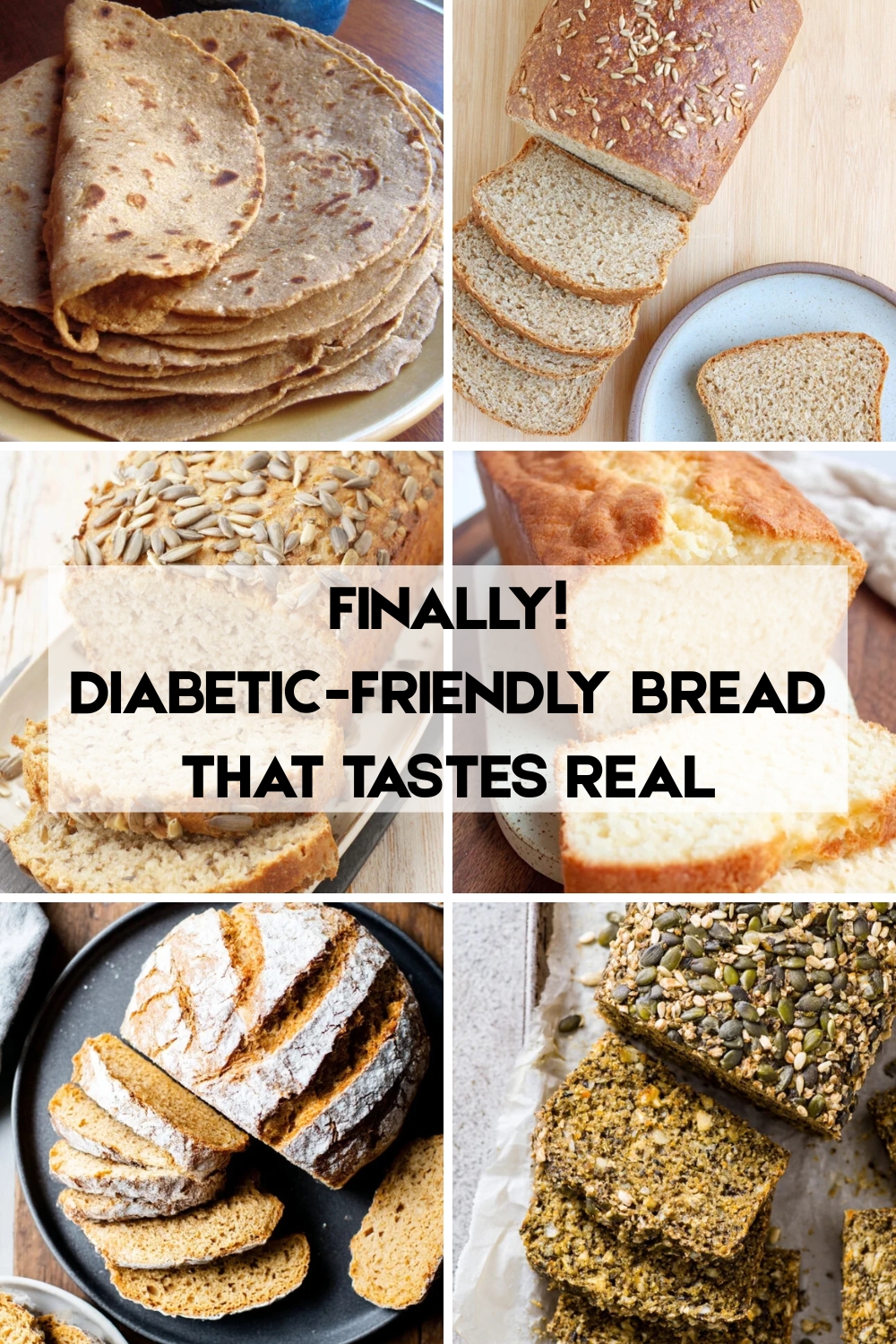

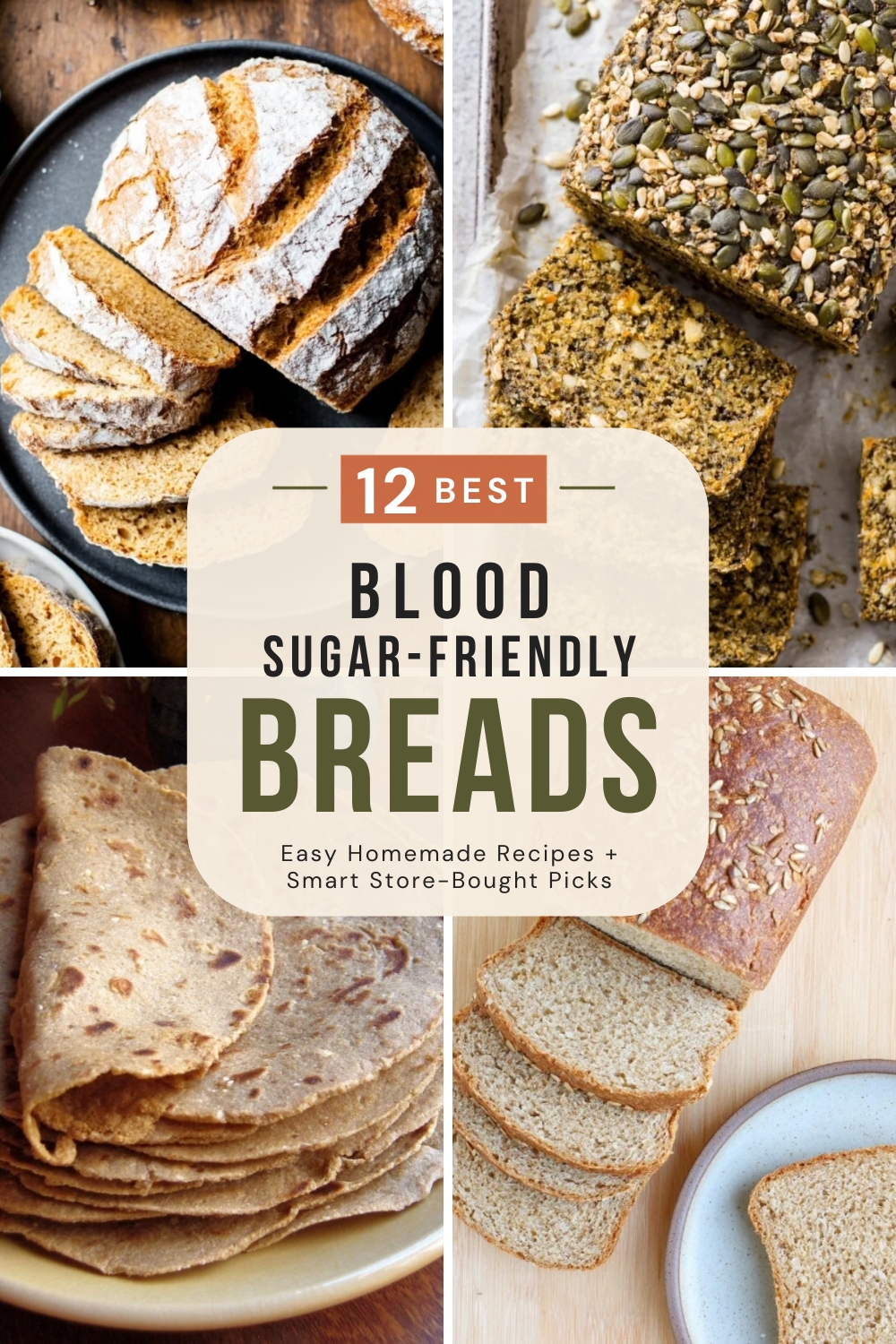
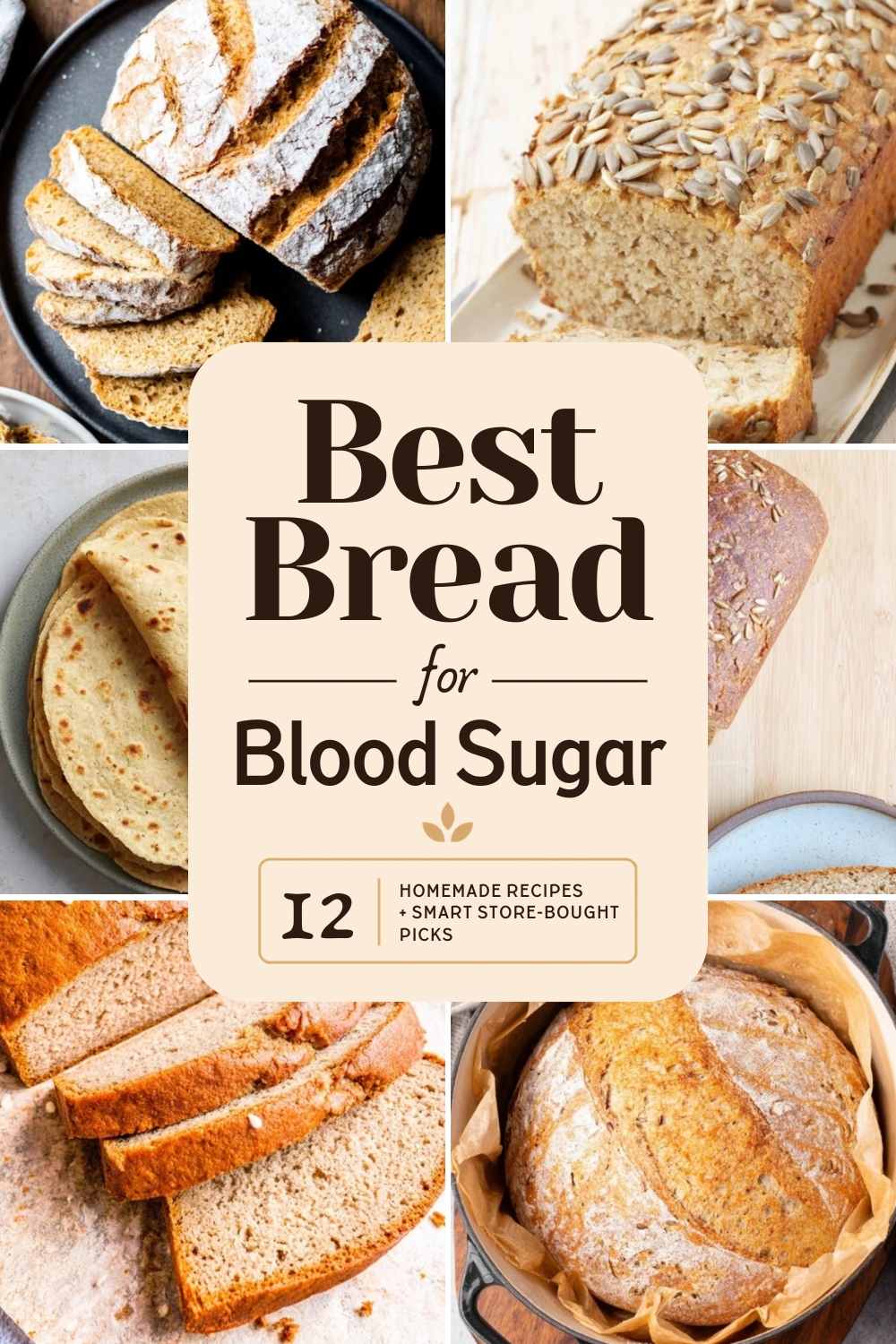
A warm slice of bread melting with butter should not come with an afternoon energy crash. When you are looking for baking options that fit a diabetes-friendly meal plan, the secret usually lies right in your own oven. I spent years navigating insulin resistance and missing my morning toast on the porch with my dog Barnaby, but baking with thoughtful ingredients changed everything. Here is exactly how to bake loaves that support your body.
A quick note: The information below reflects my personal experience and research into blood sugar-conscious baking, not medical advice. Individual needs vary greatly, so please consult your doctor or registered dietitian before making significant dietary changes.
 This post may contain affiliate links.
How Fiber and Protein Support Steady Blood Sugar
Replacing highly refined white flour with alternatives rich in fiber and protein is the core strategy for this kind of baking. According to the American Diabetes Association, incorporating dietary fiber can help slow the absorption of carbohydrates into your bloodstream. This collection leans heavily on almond flour, coconut flour, whole grains, and seeds to provide structure without a massive glycemic load. Research suggests that pairing carbohydrates with protein and healthy fats is generally considered a smart approach to maintaining steady energy.
The Pantry Staples You Need for Smart-Carb Baking
Almond flour brings healthy fats and moisture to your dough. Coconut flour is highly absorbent and keeps the total carbohydrate count very low, but it requires plenty of eggs to hold together. When I first started baking for my own metabolic goals, discovering psyllium husk was an absolute revelation. It mimics the stretch of gluten while adding a massive dose of soluble fiber, transforming a crumbly brick into a flexible loaf you can easily slice for sandwiches.
Getting the Texture Right Without Gluten
Gluten-free and alternative doughs simply do not behave like traditional wheat doughs. You must let the bread cool completely before slicing it. Cutting into a hot almond flour loaf will leave you with a gummy center because the structure needs time to set as the steam escapes. I ruined two beautiful loaves this way before learning to wait. If your crust is burning before the center finishes baking, try dropping your oven temperature by twenty-five degrees.
My Reliable Store-Bought Pantry Staples
Baking your own loaves is not always realistic during a busy week. I keep a few specific brands in my pantry for those days. These are the ones that actually taste good while offering a macronutrient profile that may suit some diabetes-friendly approaches, though total carbohydrate on the label is the more reliable number to track.
- Nature’s Own Life Keto Soft White: This loaf provides the closest texture to standard American soft white bread I have found. It builds a fantastic turkey sandwich. (1g net carbs, 6g protein)
- Hero Seeded Bread: When you want a heartier texture, this option offers a grainy flavor that holds up perfectly under sliced avocado. (1g net carbs, 6g protein)
- Carbonaut Seeded Low Carb Keto Bread: A solid choice if you eat vegan or avoid gluten. The light seeded profile toasts up beautifully. (1g net carbs, 13g fiber)
- Food for Life Ezekiel Sprouted Grain Bread: This remains a staple because the sprouted grains offer an incredibly hearty and chewy texture. It is a reliable carbohydrate source for sturdy toast. (12g net carbs, 5g protein)
Frequently Asked Questions About Baking for Blood Sugar
Does sourdough impact blood sugar differently?
The natural fermentation process in traditional sourdough can change the bread’s glycemic response, though the effect varies with the recipe and fermentation conditions. Many people find they tolerate a fermented whole wheat loaf better than an unfermented commercial loaf, though your individual portion size still matters most.
Can I freeze these homemade breads?
Yes. Slicing the bread before freezing is the smartest move you can make. I usually pull out a single piece and drop it directly into the toaster for a quick breakfast without needing to thaw the entire loaf.
Why do my alternative flour breads taste slightly eggy?
Coconut and almond flours require more eggs for structure and lift than standard wheat flour. Using a mix of different flours or adding strong savory elements like caraway seeds or rosemary will easily mask that eggy profile.
12 Diabetes-Friendly Breads and Tortillas
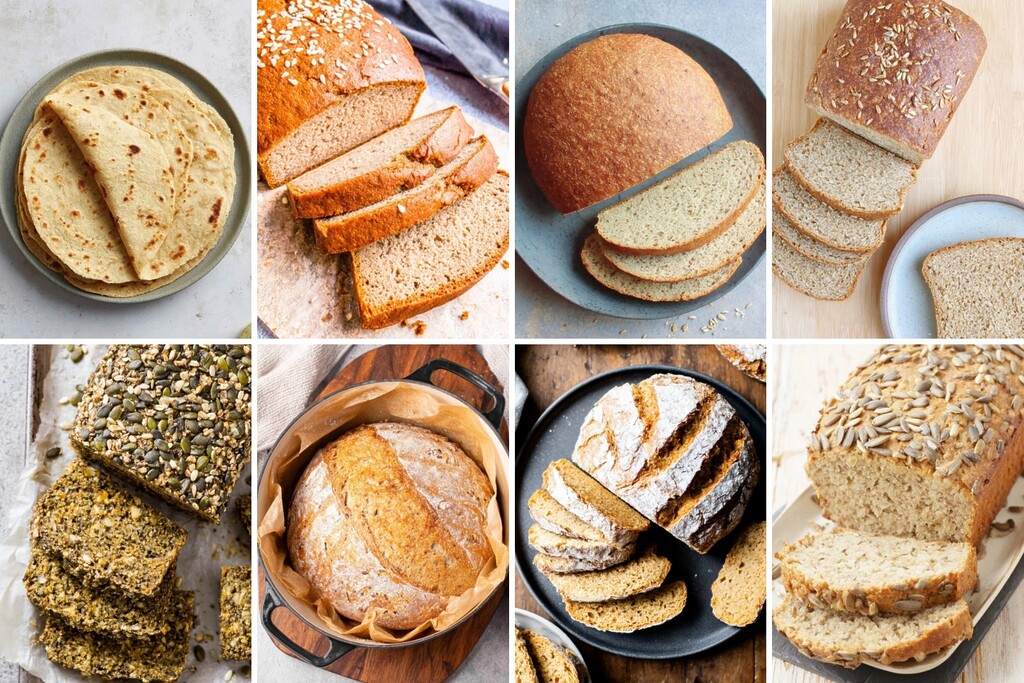
Homestyle Fluffy Whole Wheat Sandwich Bread

A soft and airy whole wheat sandwich loaf featuring optional flaxseed for a slight nutty finish. Since this loaf still carries eleven grams of net carbohydrates per slice, pairing it with a protein-heavy topping like turkey or eggs is a smart move for steady energy. The crust bakes up beautifully golden.
Rustic Whole Wheat Sourdough with Flax
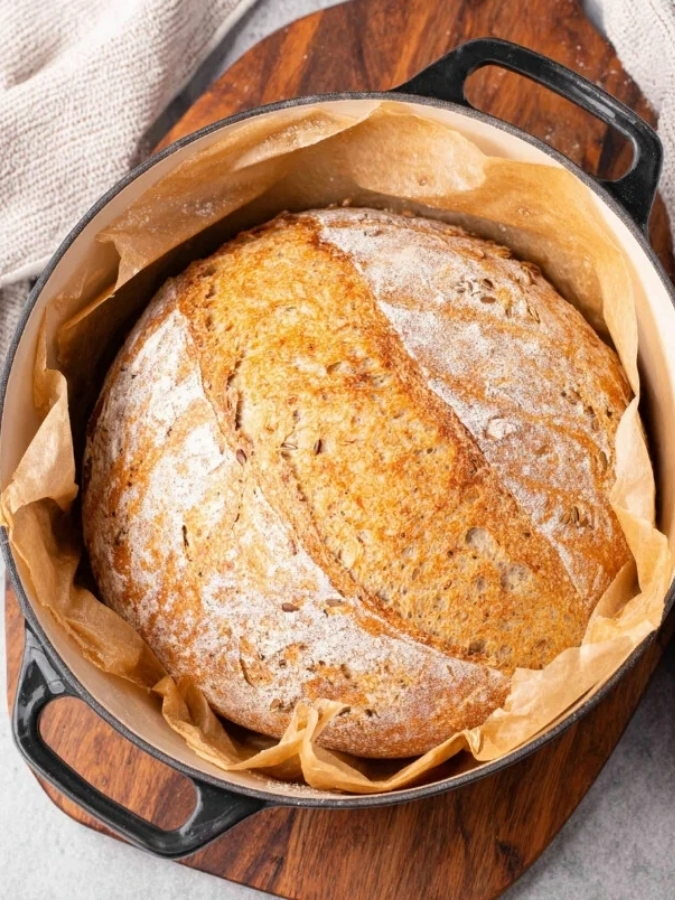
Fermentation brings a beautiful tang to this traditional whole wheat sourdough. The addition of olive oil and flaxseed creates a soft interior and a robust, chewy crust. Because it sits higher in carbohydrates than the almond flour options on this list, I usually slice it a bit thinner when I want a piece of toast alongside my morning coffee.
Rustic Sprouted Wheat & Oat Bread

Sprouting the wheat gives this loaf a naturally sweet and earthy flavor profile that pairs perfectly with savory sandwich fillings. The oat bran and flaxseed bring excellent texture to the crumb. A solid three grams of fiber per slice makes this a great choice when you need something sturdy enough to hold avocado and eggs.
Classic Deli-Style Keto Rye Bread
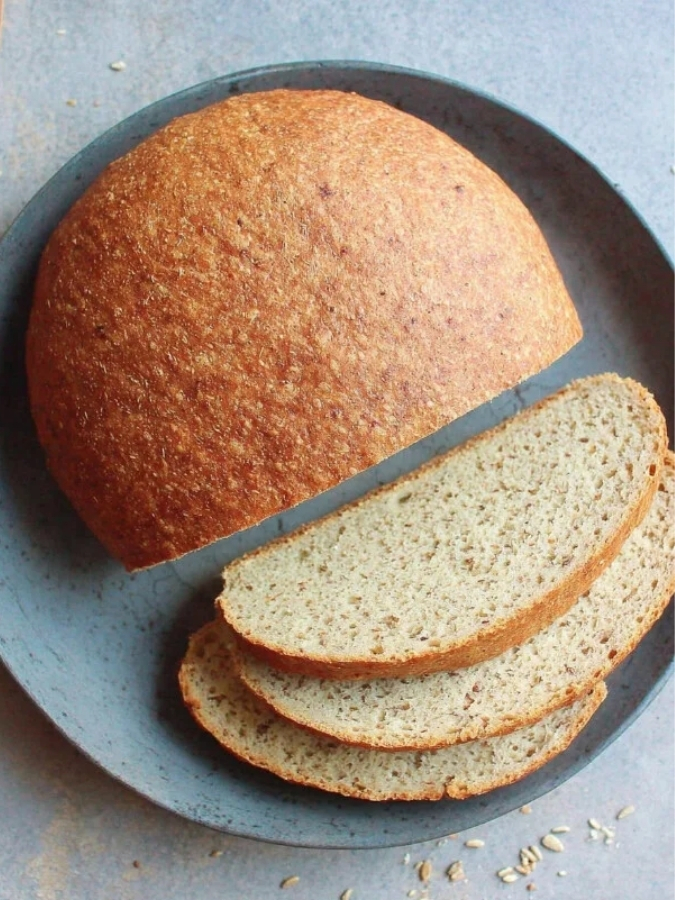
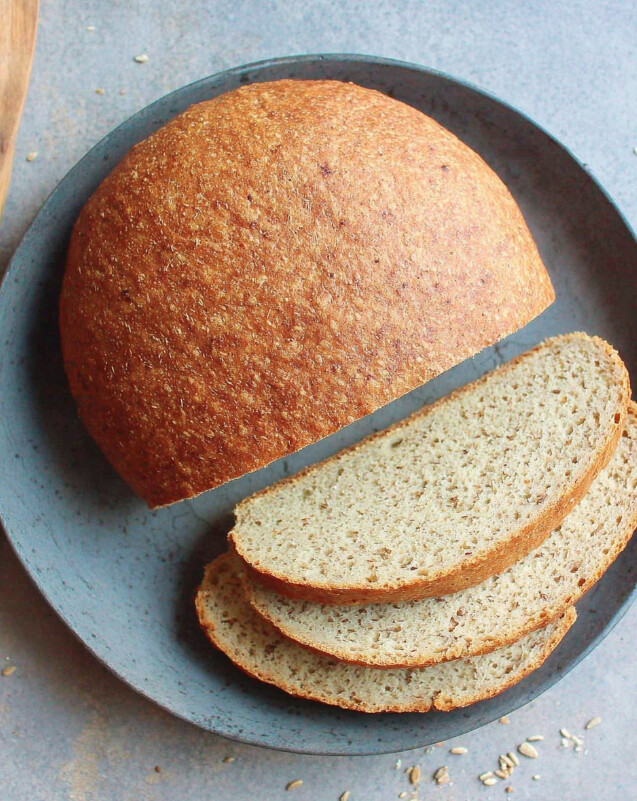
You do not have to miss out on classic deli flavors just because you are watching your carbohydrate intake. Caraway seeds and a touch of cocoa powder mimic the dark color and deep flavor of traditional pumpernickel bread. Packing a massive twenty grams of protein per slice, this round loaf builds an incredible sandwich. The texture holds up perfectly to heavy toppings like pastrami.
Artisan Coconut Protein Loaf
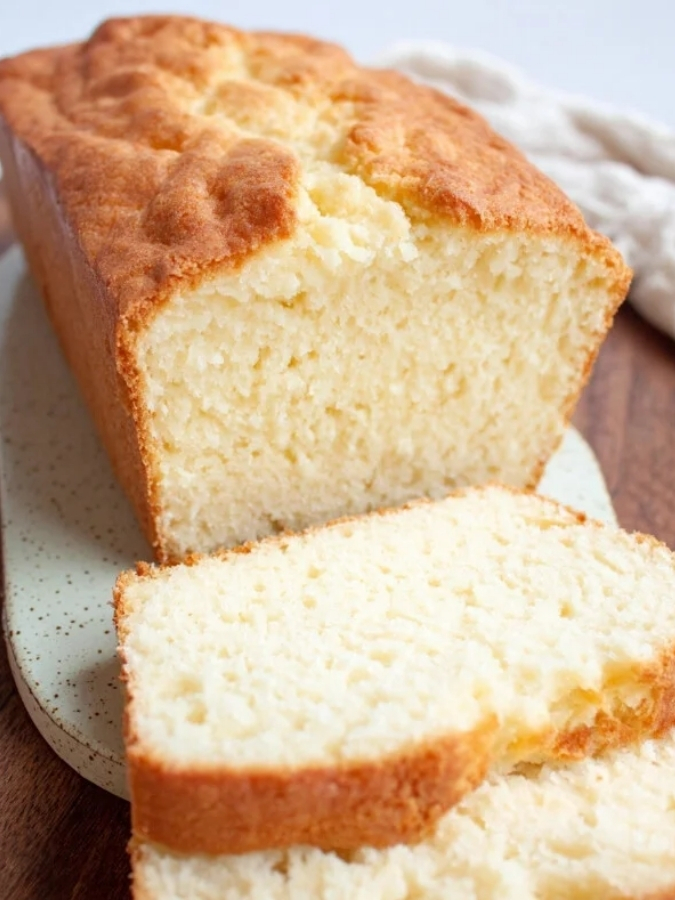
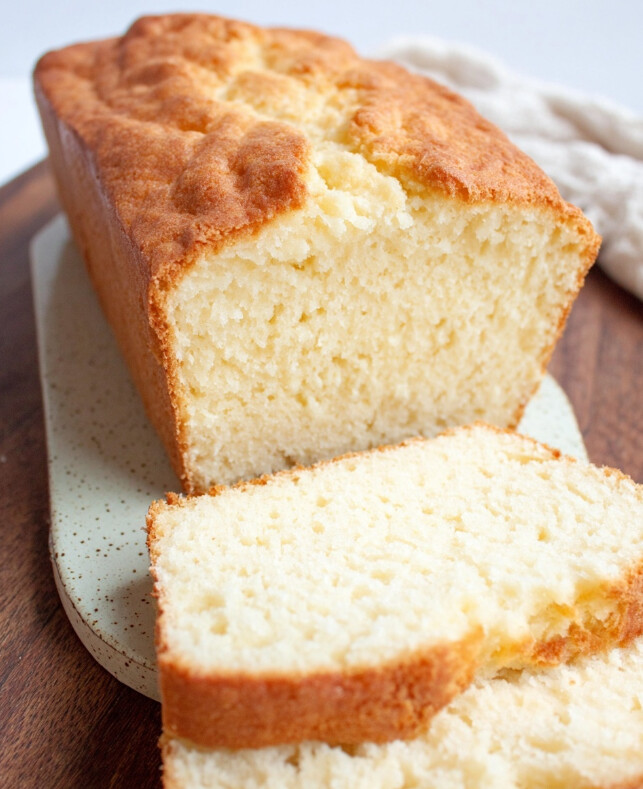
This golden and airy coconut flour loaf relies on whey protein to achieve a surprisingly tender crumb. Coconut flour absorbs liquid rapidly, so measuring carefully ensures the bread stays moist rather than crumbly. With barely over one gram of net carbohydrates per slice, it is an ideal canvas for sweet almond butter or savory cream cheese.
Rustic Artisan Seeded Almond Bread

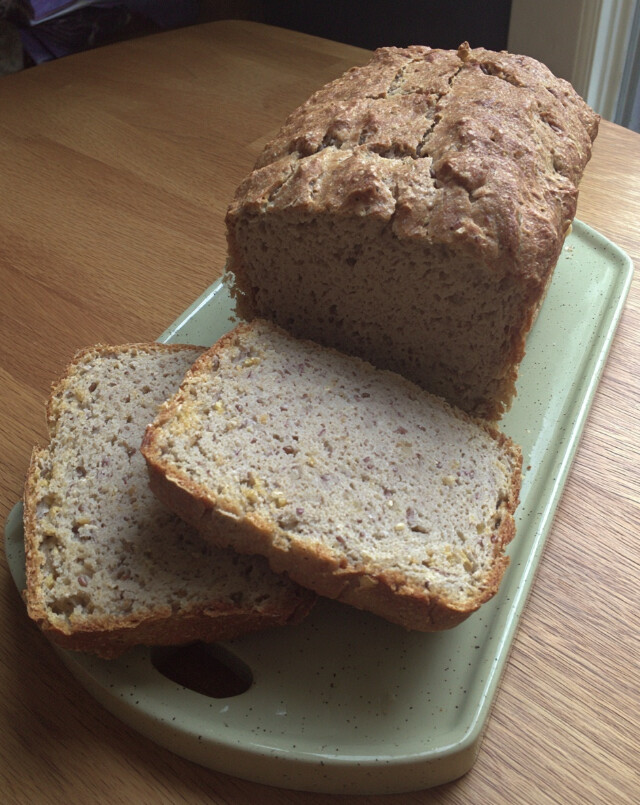
Greek yogurt and almond flour combine to create a hearty loaf with a soft center and a beautifully sturdy texture. Mixing in your favorite seeds adds a satisfying crunch to every single bite. Since it bakes up quite dense, try toasting your slice in a skillet with a little butter for a perfectly crisp edge.
Rustic Golden Almond Loaf
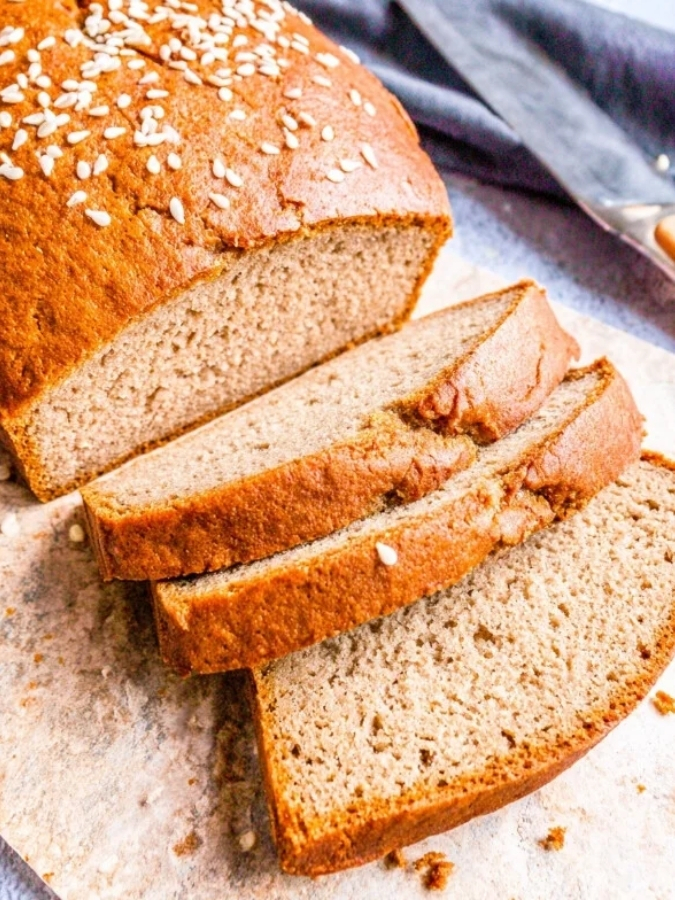
A fantastic everyday option for those seeking a lighter carbohydrate load. This almond flour loaf develops a wonderfully robust crust while keeping the interior chewy and soft. It is naturally very low in carbohydrates and fits easily into a diabetes-friendly eating pattern. Keep it stored in the refrigerator to maintain its freshness throughout the week.
Hearth-Style Fermented Buckwheat & Quinoa Bread
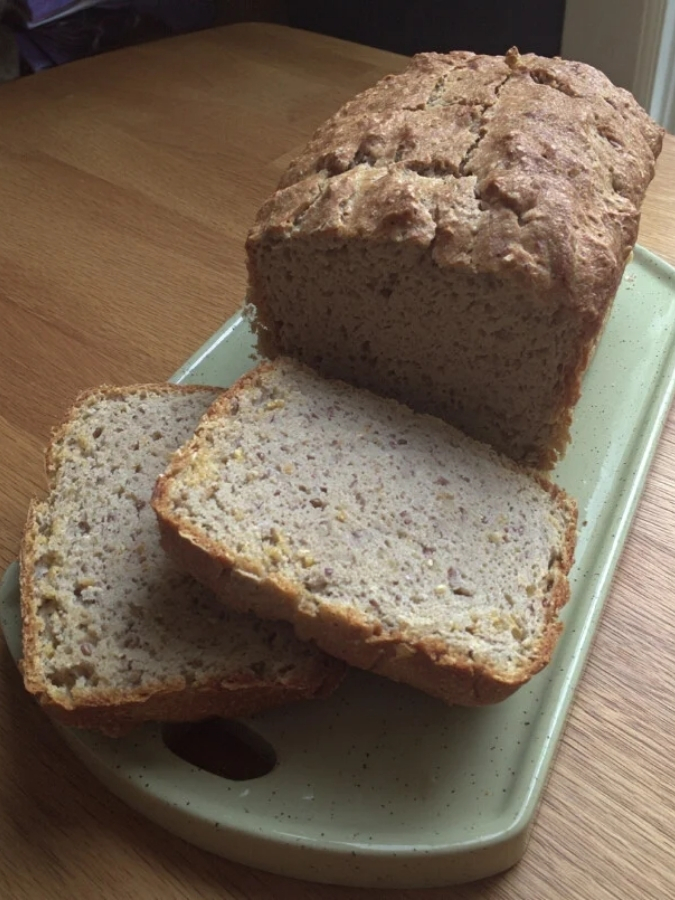
If you love a complex and tangy flavor, this fermented buckwheat and quinoa bread delivers beautifully. The combination of flaxseed and psyllium husk creates a remarkably open crumb structure for a gluten-free bake. I make this on quiet Sunday mornings because the process requires patience over a full day. The deeply nutty flavor is absolutely worth the wait.
Golden Hearth Gluten-Free Artisan Loaf

Achieving a crisp crust and a chewy interior without gluten or xanthan gum is entirely possible. This artisan loaf uses psyllium husk as a natural binder alongside whole grains and almond flour. Slicing it thin helps balance the carbohydrate load while still giving you that satisfying bakery experience right in your own kitchen.
Rustic Artisan Super-Seed Buckwheat Loaf

Packed tightly with pumpkin seeds, sunflower seeds, and hemp hearts, this dark buckwheat loaf provides incredible structure. The dense texture means a single slice is deeply filling. I often pack a piece of this bread for my weekend hikes because the healthy fats and solid fiber content keep hunger away for hours on the trail.
Rustic Stone-Ground Wheat Tortillas
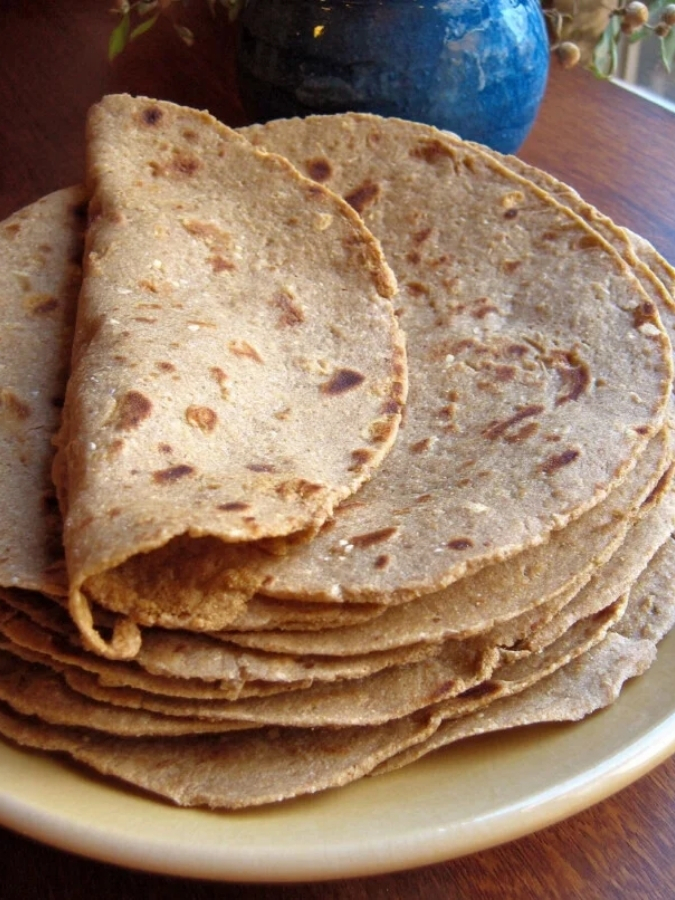
Commercial whole wheat tortillas can often taste a bit dry, but this homemade version stays incredibly tender and pliable. Enriching the dough with almond flour and olive oil makes rolling them out a breeze. They boast five solid grams of fiber each, making them a fantastic base for breakfast burritos when you are watching your numbers.
Artisan Almond & Flax Tortillas
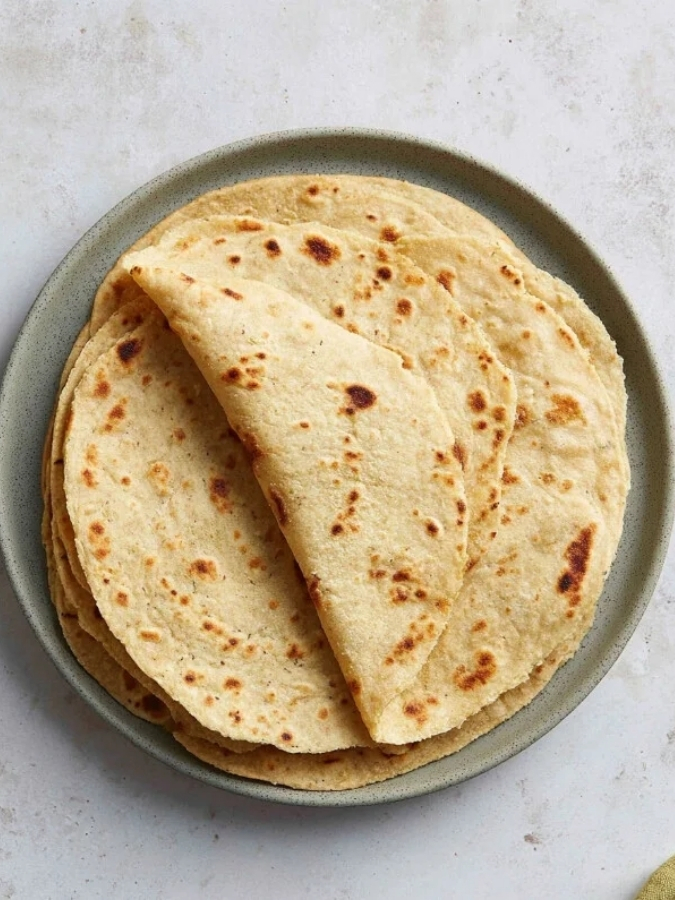
Psyllium husk does heavy lifting here to create a remarkably flexible wrap that supports your goals. Golden flaxseed and almond flour give these tortillas a mild flavor that will not overpower your favorite savory fillings. Pressing the dough between sheets of parchment paper is the easiest way to get them perfectly thin before hitting the hot skillet.
Baking your own loaves allows you to control exactly what goes into your body. Choose a recipe that fits your pantry this weekend and enjoy the smell of fresh bread filling your kitchen without the worry.
The content above is for informational and educational purposes only and is not a substitute for professional medical, dietary, or nutritional advice. Individual needs and tolerances vary greatly. Readers managing diabetes, insulin resistance, or any diagnosed condition should consult their own physician or registered dietitian before making meaningful changes to their meals. Statements regarding specific ingredients have not been evaluated by the FDA and are not intended to diagnose, treat, cure, or prevent any disease. All nutrition values provided are estimates.
Sources
- Conquer Your Carb Confusion — American Diabetes Association, n.d.
- Get to Know Carbs — American Diabetes Association, n.d.
- Does sourdough bread provide clinically relevant health benefits? — Frontiers in Nutrition, 2023.

Kristina Hanson is an independent wellness researcher and the founder of DailyZests. She specializes in translating nutritional science into simple, delicious recipes that fit into real life. When she isn’t in the kitchen, you’ll find her hiking the trails or enjoying a slow morning coffee with her Golden Retriever, Barnaby. Read her full story.
- Save for Later12.2K


This article is really informative, but I’m still a little confused about sourdough bread. I’ve heard it’s better for diabetics, but how does it compare to whole wheat bread? And is it really low-carb? I thought that sourdough bread was still made from wheat, so I am confused about it being low carb.
Hi Lisa, you’re right to question sourdough! It’s a bit of a special case. While sourdough bread is typically made from wheat flour, the fermentation process it undergoes changes its impact on blood sugar. The fermentation can lower the bread’s glycemic index (GI) compared to regular white or even some whole wheat breads, meaning it causes a slower rise in blood sugar. However, it’s important to note that sourdough is not inherently low-carb. It still contains carbohydrates. The fermentation process simply modifies some of those carbohydrates, making them less impactful on blood sugar. So, while sourdough can be a better option than regular white bread for some people with diabetes, it’s still crucial to monitor your blood sugar levels and practice portion control. It is also important to remember that everyone reacts differently to foods, so it is essential to see how your body responds to sourdough.
I appreciate the tips on reading bread labels. I always feel overwhelmed in the bread aisle! I have a question about homemade bread, though. If I bake my own whole wheat bread, is it automatically healthier than store-bought? And are there any specific recipes you’d recommend for someone with diabetes? I want to start making more things at home, but I don’t know where to start.
Hi Jennifer, that’s great that you’re interested in baking your own bread! Homemade bread can definitely be a healthier option because you have complete control over the ingredients. You can ensure you’re using 100% whole wheat flour, and you can avoid added sugars or unhealthy fats that are sometimes found in store-bought bread. Plus, you can add extra goodies like nuts, seeds, or even vegetables to boost the nutritional value and fiber content. However, just because it’s homemade doesn’t automatically make it low-GI or low-carb. The type of flour and other ingredients you use will still impact the final product’s effect on your blood sugar. As for specific recipes, I’d suggest searching online for “diabetic-friendly whole wheat bread recipes” or “low-carb bread recipes.” You’ll find a wide variety of options to suit your taste and skill level. Look for recipes that emphasize whole grains, fiber, and minimal added sugars. You can also experiment with adding flaxseed meal or other high-fiber ingredients to lower the glycemic impact. I also mentioned a few low-carb or keto bread options in the article, such as keto cloud bread, keto cheese bread, keto zucchini bread with walnuts, keto garlic bread, keto naan bread, and keto pumpkin bread loaf. Remember to always check the nutrition label and be mindful of portion sizes! Happy baking!
This article is very informative! I’ve always struggled to understand the connection between bread and blood sugar. I’m especially interested in the section about the Glycemic Index. You mentioned white bread has a high GI, but what about other types of bread like rye or sourdough? Are they all created equal in terms of GI?
Hi Susan, thanks for your comment! I’m glad you found the article helpful. You’re right to focus on the Glycemic Index (GI) – it’s a valuable tool for managing blood sugar. While white bread is generally high on the GI scale, other breads vary.
Rye bread can be a good option, especially if it’s made with whole grain rye flour. The more whole grain content, the lower the GI tends to be. Sourdough bread is also interesting because the fermentation process can actually lower its GI. This means the carbohydrates are digested more slowly, leading to a gentler rise in blood sugar. However, not all sourdough is created equal. Look for sourdough made with whole grain flour for the best results.
It’s important to remember that the GI is just one factor to consider. The amount of carbohydrates you eat (glycemic load) also plays a role. Even a low-GI food can raise your blood sugar if you eat a large portion. So, portion control is still key, even with lower-GI breads.
This is a really helpful article, especially the tips on reading bread labels. I often get confused by all the different terms. I’m curious about homemade bread. I’ve been thinking about trying to bake my own bread so I can control the ingredients. Do you have any suggestions for making homemade bread more diabetes-friendly?
Hi Karen, thanks for your question! Baking your own bread is a fantastic way to have more control over the ingredients and make it more diabetes-friendly. Here are a few tips:
Use Whole Grain Flours: Opt for whole wheat, whole rye, oat flour, or other whole grain flours as the base for your bread. These flours contain more fiber, which slows down digestion and helps regulate blood sugar.
Add Seeds and Nuts: Incorporating seeds like flaxseed, chia seeds, or sunflower seeds, and nuts like walnuts or almonds, adds even more fiber, healthy fats, and nutrients to your bread.
Limit Added Sugars: Avoid adding sugar or honey to your dough. If you need a little sweetness, consider using a small amount of a low-carb sweetener like erythritol or stevia.
Control Portion Sizes: Even with healthy ingredients, portion control is still important. Slice your bread into smaller portions to help manage your carbohydrate intake.
Consider Sourdough: As mentioned earlier, the fermentation process in sourdough can lower its GI. Try making your own sourdough starter or looking for sourdough recipes that use whole grain flour.
Baking your own bread can be a rewarding experience, and it allows you to create a delicious and diabetes-friendly loaf that perfectly suits your needs.
This article is a lifesaver! I was recently diagnosed with type 2 diabetes, and I thought I had to say goodbye to bread forever. My grandma’s sourdough was my absolute favorite. I’m so relieved to hear that sourdough might be okay. But how much is too much? Is one slice a day okay, or is that pushing it? Also, she used to make this amazing garlic bread… is there any hope for a diabetic-friendly version of that? Asking for a friend… who is me.
Hi Lisa, I’m so glad you found this article helpful! It’s a common misconception that people with diabetes can’t eat bread. Sourdough is definitely a better option due to the fermentation process. As for how much, one slice a day can certainly be part of a healthy diabetes meal plan, especially if you pair it with protein and healthy fats. But, it’s always best to monitor your blood sugar to see how it affects you personally. And about that garlic bread… there’s absolutely hope! You can make a delicious diabetic-friendly version using whole-grain sourdough, a little bit of garlic, and a drizzle of olive oil instead of tons of butter. Maybe even try the keto garlic bread recipe mentioned in the article. Enjoy!
Okay, so whole grains are good, I get it. But honestly, they can be a bit, well, boring. Any tips on making whole-grain bread more exciting? Also, you mentioned keto bread. Is that really bread, or is it some kind of weird, eggy imposter? I’m a bit skeptical, but willing to be convinced. My husband loves sandwiches, but his blood sugar is all over the place after eating regular bread, so if this keto bread can help him, it would be great.
Hey Margaret, I hear you! Whole grains can sometimes feel a bit bland. But there are so many ways to jazz them up! Try adding seeds (like sunflower or pumpkin seeds), nuts, or even dried fruits (in moderation) to your whole-grain bread. If you’re baking your own, you can experiment with herbs and spices. As for keto bread, I understand your skepticism! It’s definitely different, and yes, many recipes use eggs as a base. But don’t knock it till you try it! Some versions are surprisingly bread-like and can be a great option for those looking for a very low-carb alternative. There are a bunch of different recipes out there, like the keto cloud bread, so you might need to experiment a bit to find one that you like. It might just be the solution for your husband’s sandwich dilemma! Good luck and let me know what you guys think of it.