Finding a reliable low carb breakfast for diabetes doesn’t mean eating the same plain eggs on repeat. From savory skillet bakes to fluffy, syrup-ready pancakes, these morning meals deliver deep, craveable flavor while keeping your smart-carb goals fully intact.
A quick note: These recipes are curated around macro-conscious principles to fit a diabetes-friendly lifestyle, but this is not medical advice. Everyone’s carb tolerance is unique, so always consult your doctor or dietitian and monitor your own blood sugar response.
Building a breakfast that works for you often comes down to looking at the whole plate, rather than just cutting out foods. By pairing lower net carbs with a solid foundation of protein and fiber-rich vegetables, you can create meals that feel substantial and satisfying. This approach mirrors the core principles of the American Diabetes Association’s guidance on incorporating quality proteins to round out your meals.
When you start your day with ingredients like eggs, lean turkey, and dark leafy greens, you’re setting a flavorful tone. Research suggests that focusing on fiber and protein-heavy breakfastsmay help support a more balanced morning, keeping you fuller longer without relying on refined starches to do the heavy lifting.
Why These Morning Meals Earn Their Spot
Macro-focused: Every recipe leans heavily into protein and fiber while keeping net carbs in check.
Real, vibrant ingredients: We’re talking fresh asparagus, savory ham, real cheeses, and bright spinach—no sad diet food here.
Prep-friendly: Many of these are “set and forget” casseroles or quick bites you can make on Sunday for the whole week.
Family-approved: They taste like classic diner breakfasts and weekend treats, so you won’t have to cook a separate meal for yourself.
The Savory Skillets, Fluffy Bakes, and Sweet Swaps
This colorful, one-pan marvel transforms the frantic morning rush into a total breeze. Loaded with savory ham, melting Gruyère, and vibrant vegetables, it delivers a deeply satisfying, fluffy bite without the hassle of stovetop flipping. This is the one I make on busy Wednesdays when I need something reliable.
How it balances your macros: Delivering just 2g of net carbs alongside a solid 17g of protein, this savory slice is generally considered a smart choice to help support a balanced start to your morning.
🕒 Active Prep: 15 minutes
2g Net Carbs •1g Fiber •1g Sugar • 17g Protein • 192 kcal
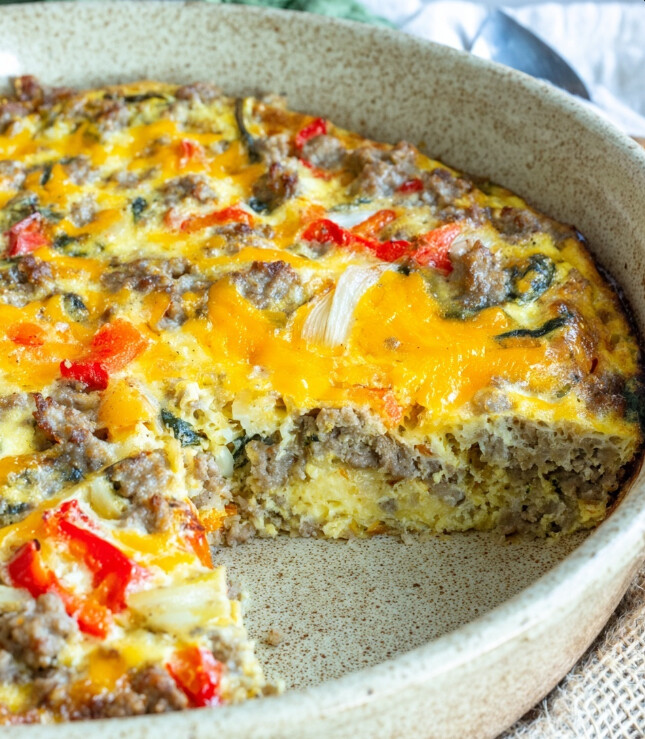
Swap heavy pork for lean turkey in this family-favorite diner classic. It bakes up into a thick, savory square of pure comfort, bringing all the traditional brunch flavor to the table with a lighter, modern twist that won’t weigh you down.
The carb-conscious breakdown: Packed with 26g of protein and only 3g of net carbs, this hearty bake leans on lean meats and mindful dairy to fit seamlessly into a diabetes-friendly eating pattern.
🕒 Active Prep: 15 minutes
3g Net Carbs •1g Fiber •2g Sugar • 26g Protein • 226 kcal
Start your morning with a meal that actually holds you over until lunch. This adaptation uses tender broccoli and spiced turkey sausage to create a rich, satisfying texture that feels indulgent. It reheats beautifully, making it an absolute lifesaver for busy weekdays.
Why this bake makes the cut: Combining nonstarchy vegetables with protein-rich eggs, this casserole offers 3.2g of net carbs per serving, which can contribute to a well-rounded, smart-carb plate.
🕒 Active Prep: 15 minutes
3.2g Net Carbs •1g Fiber •1.5g Sugar • 17g Protein • 207 kcal
This wholesome bake brings savory diced ham, bright green broccoli, and fluffy eggs together for a meal that feels right at home on an American brunch table. The smoky, cheesy edges are irresistible, making it a weekend centerpiece that you’ll gladly eat as leftovers on Monday.
The smart-swap logic: By relying on fiber-rich green vegetables instead of hashbrowns, this dish comes in at 4.5g net carbs, supporting a lower-glycemic approach to morning comfort food.
🕒 Active Prep: 15 minutes
4.5g Net Carbs •1.5g Fiber •2.5g Sugar • 18g Protein • 210 kcal
The secret to this incredible dish lies in whipping cottage cheese directly into the eggs. It creates a velvety, soufflé-like lift without relying on heavy cream. Packed with fresh garden veggies, it’s light, airy, and surprisingly filling.
How it fits your morning: Pushing the protein to 23g per serving while keeping net carbs at 5g, this bake is a powerhouse combination that research suggests may help keep you satisfied longer.
🕒 Active Prep: 10 minutes
5g Net Carbs •1g Fiber •4g Sugar • 23g Protein • 235 kcal
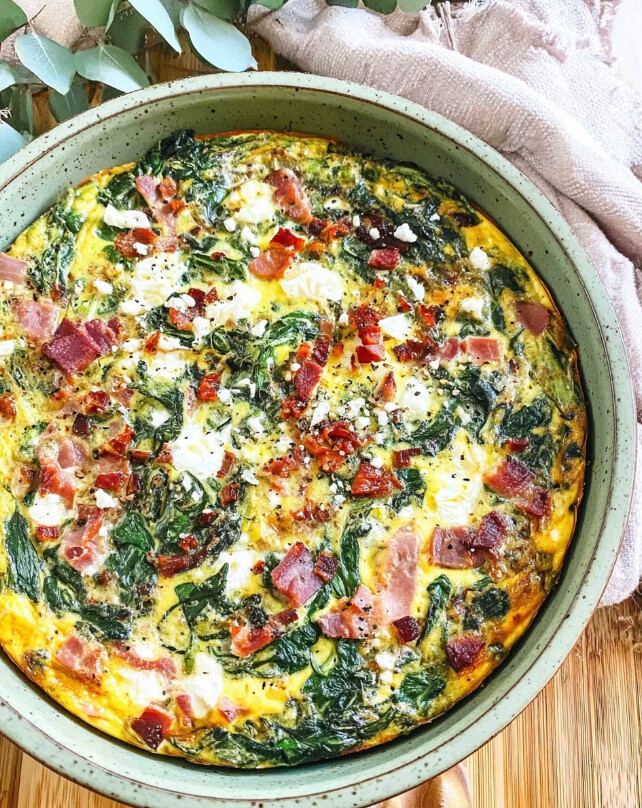
Bring the vibrant, sunny flavors of the Mediterranean straight to your kitchen. The combination of tangy feta, savory ham, and a pop of dried herbs ties everything together beautifully. It’s a nutrient-dense option that feels incredibly fresh and bright.
The smart-carb breakdown: Aligning perfectly with Mediterranean diet principles, this bake uses nutrient-dense spinach and lean ham to keep the net carbs at an ultra-low 2g per serving.
🕒 Active Prep: 15 minutes
2g Net Carbs •1g Fiber •1.5g Sugar • 13g Protein • 145 kcal
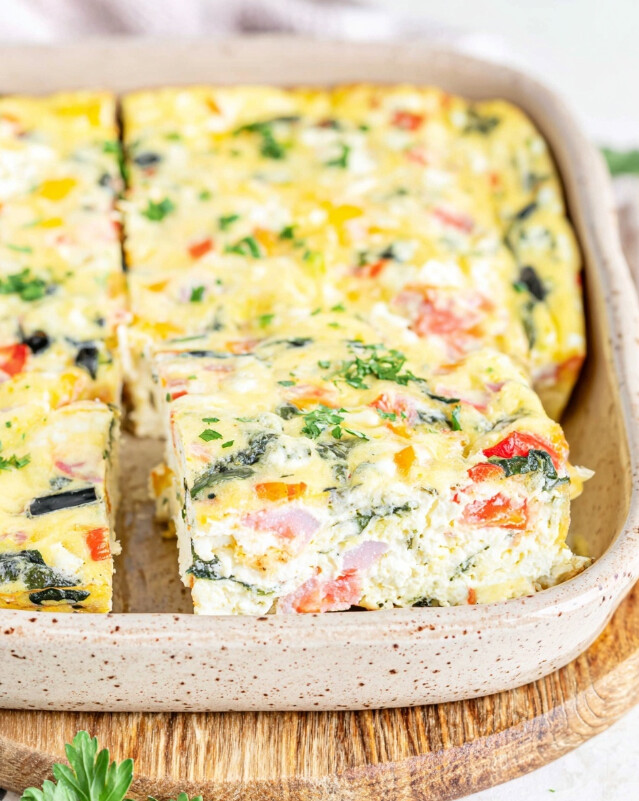
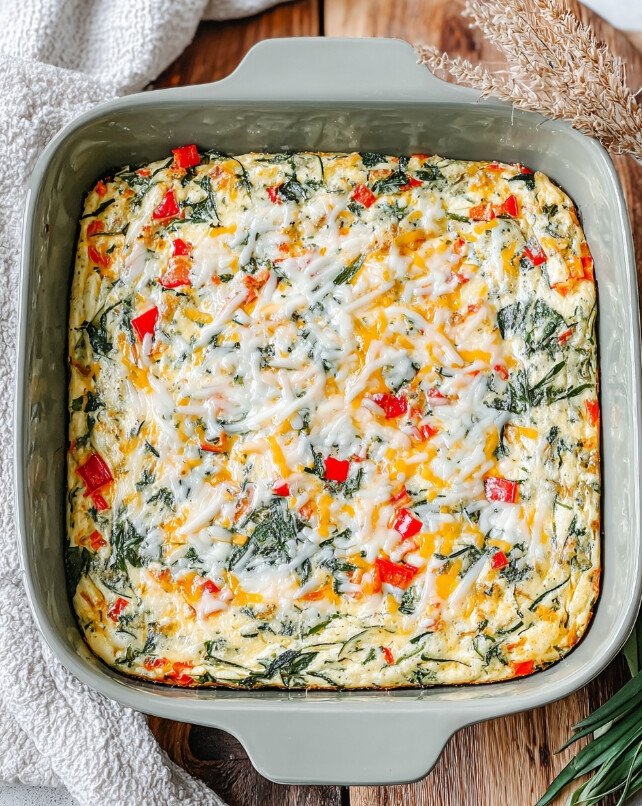
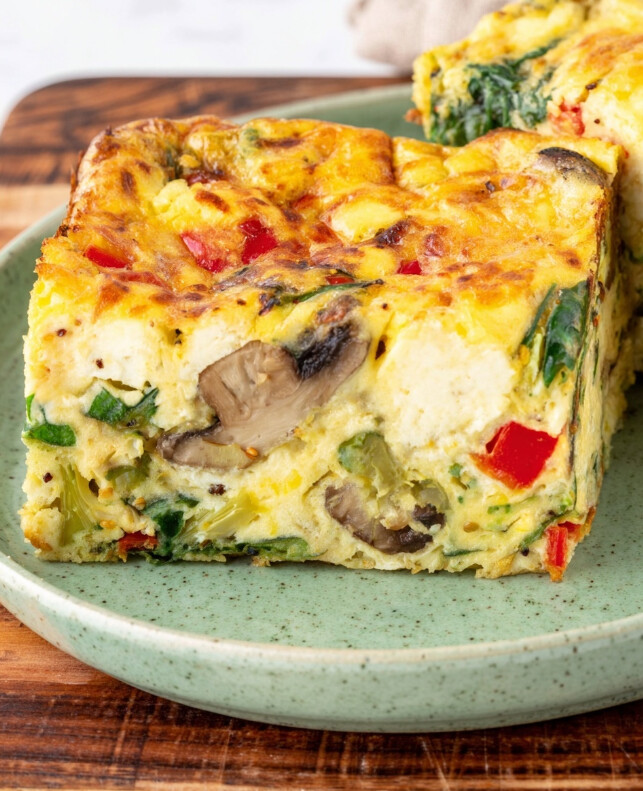
This wholesome dish celebrates fresh produce with a colorful medley of peppers, zucchini, and spinach. By using half-and-half instead of heavy cream, it achieves a perfectly tender crumb that tastes exactly like a classic American diner omelet, just in sliceable form.
Why this scramble works: With 2.5g of net carbs, this recipe naturally limits starchy additions, proving that you can build a richly flavored meal on a foundation of nonstarchy vegetables.
🕒 Active Prep: 15 minutes
2.5g Net Carbs •1g Fiber •1.5g Sugar • 9.5g Protein • 155 kcal
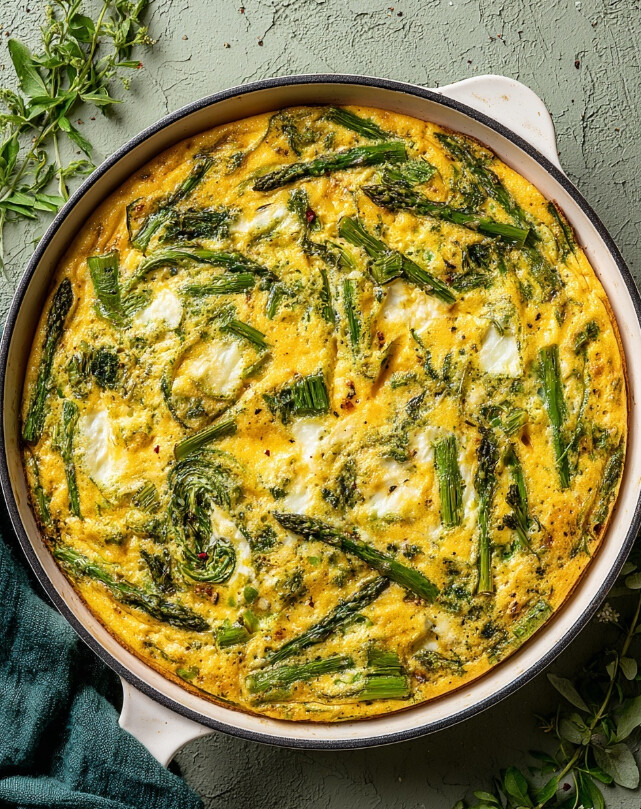
Need something elegant but incredibly fast? This vibrant frittata combines the fresh snap of asparagus with the mild crunch of bok choy, all blanketed under a golden layer of melted cheese. It’s an effortless way to upgrade your morning routine.
The vegetable-forward logic: Asparagus and bok choy are fantastic high-fiber, low-carb options that are generally considered excellent additions to a diabetes-friendly plate, yielding just 3g net carbs here.
🕒 Ready in: 15 minutes
3g Net Carbs •2g Fiber •2g Sugar • 14g Protein • 135 kcal
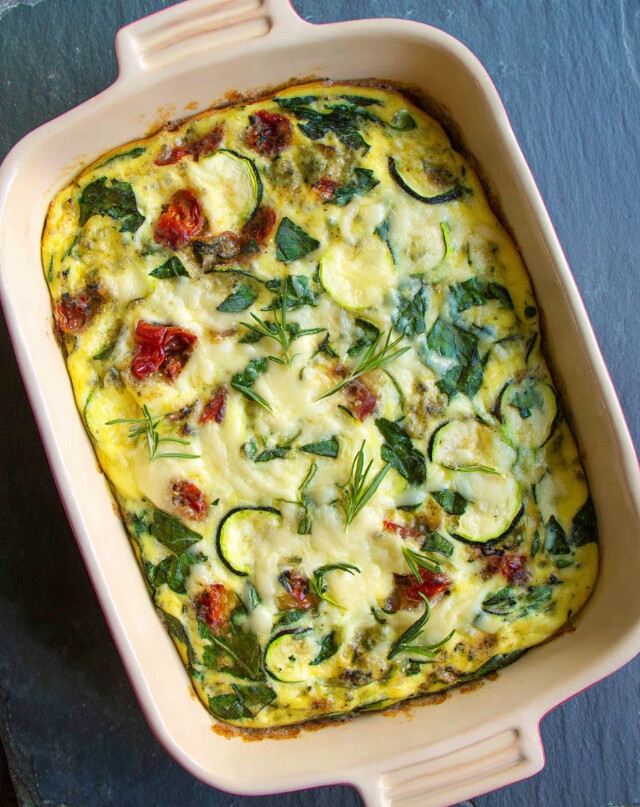
This airy casserole brings rustic Italian flavors right to your kitchen. Part-skim mozzarella melts down to create a smooth, creamy pull in every single bite. The layers of zucchini and fresh spinach make it feel wonderfully hearty.
How it balances your macros: Swapping heavy crusts for a vegetable-packed egg base keeps this dish at a comfortable 5g of net carbs, offering a savory start to the day.
🕒 Active Prep: 15 minutes
5g Net Carbs •1g Fiber •3g Sugar • 10g Protein • 115 kcal
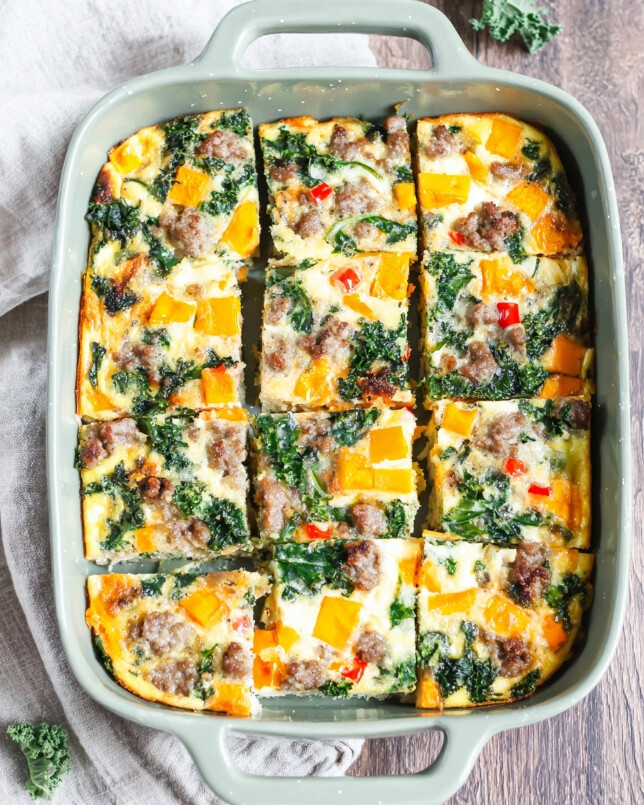
When you crave the comfort of a rustic brunch, this bake delivers. Spiced turkey sausage pairs beautifully with the subtle sweetness of diced sweet potato and earthy kale, creating a deeply spiced, textural triumph that tastes like an occasion meal.
The smart-carb logic here: While sweet potatoes do contain carbs, using them in mindful portions alongside 20g of protein allows this bake to clock in at a manageable 6g net carbs.
🕒 Total Time: 1 hour
6g Net Carbs •2g Fiber •3g Sugar • 20g Protein • 260 kcal
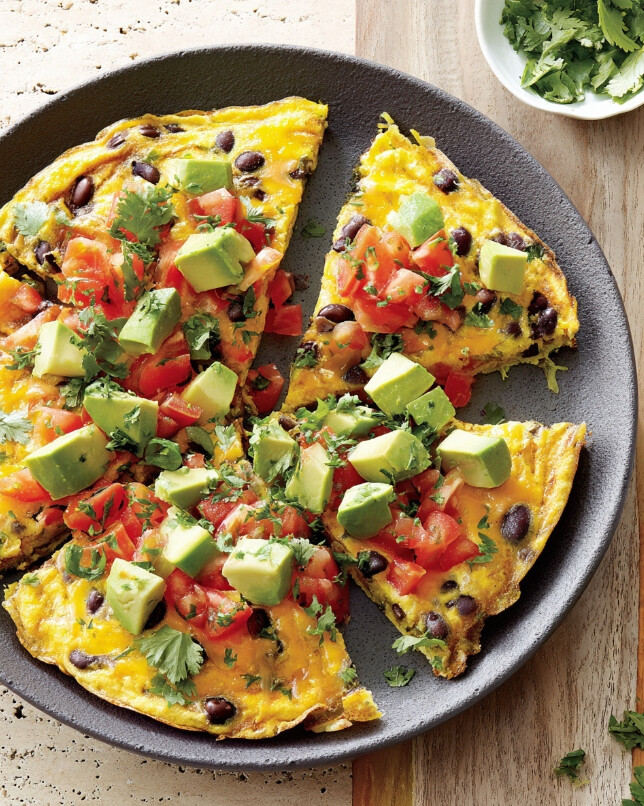
Wake up your palate with this lightning-fast, sizzling skillet. Bursting with bold Southwestern spices, fresh toppings, and fiber-rich black beans, it’s a fiery, satisfying one-pan wonder. Best of all, it’s ready in practically no time at all.
Why this skillet makes the cut: The inclusion of black beans bumps the fiber up to 5g, which may help support a slower carb release, landing this dish at 9g of net carbs.
🕒 Ready in: 10 minutes
9g Net Carbs •5g Fiber •2g Sugar • 15g Protein • 200 kcal
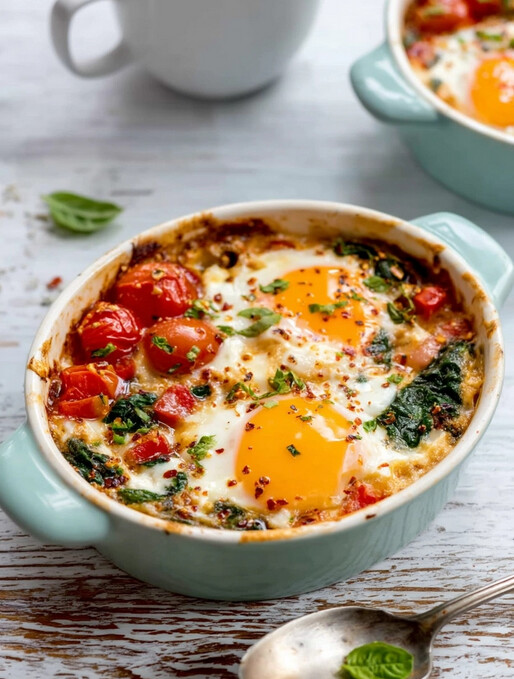
There is a reason this baked feta style went absolutely viral. The cheese roasts down into a warm, bubbly, savory jam that coats the perfectly baked eggs and fresh vegetables. It’s a low-effort brunch centerpiece that looks deeply impressive.
The carb-conscious breakdown: Anchored in healthy fats and proteins typical of the Mediterranean diet, this savory dish provides 9.6g of net carbs while delivering massive flavor without starchy sides.
🕒 Active Prep: 12 minutes
9.6g Net Carbs •2.9g Fiber •7.2g Sugar • 16.2g Protein • 412 kcal
Bringing a smoky farmhouse twist to your morning, this casserole blends cottage cheese right into the eggs. The result is an incredibly plush, melt-in-your-mouth texture that holds up beautifully to the colorful veggies and smoked paprika.
How it balances your macros: Providing 18g of protein per serving against 6g of net carbs, this recipe leans on dairy proteins to build volume without adding excess sugars.
🕒 Total Time: 1 hour 15 minutes
6g Net Carbs •2g Fiber •4g Sugar • 18g Protein • 275 kcal
If you love a traditional layered strata but want something lighter, this is your ticket. Savory turkey sausage provides the robust flavor you expect from a weekend brunch, resulting in a tender, sliceable comfort food that won’t leave you feeling sluggish.
Why this bake works: Utilizing a moderate amount of whole grains alongside lean turkey sausage, it sits at 9g of net carbs, making it a sensible alternative to traditional bread-heavy stratas.
🕒 Active Prep: 15 minutes
9g Net Carbs •1g Fiber •4g Sugar • 14g Protein • 140 kcal
Yes, you absolutely can have a proper stack of flapjacks on a Sunday morning. These warmly spiced, almond-based rounds cook up perfectly in a skillet, boasting a crisp edge and tender center that begs for a pat of butter.
The smart-swap logic: By trading traditional wheat flour for an almond base, this recipe drops the net carbs to 7g while adding 4.7g of fiber, which is generally considered beneficial for slower digestion.
🕒 Ready in: 20 minutes
7g Net Carbs •4.7g Fiber •1.7g Sugar • 9.9g Protein • 319 kcal
Skip the drive-thru line and make these incredible little bites at home. A simple water bath technique guarantees that iconic velvety, coffee-shop texture every single time. My family eats them directly out of the fridge.
How it fits your morning: Completely ditching the starch fillers found in some commercial egg bites, these come in at an impressive 1.9g net carbs, making them an ultra-low-carb grab-and-go option.
🕒 Ready in: 35 minutes
1.9g Net Carbs •0.1g Fiber •0g Sugar • 23.5g Protein • 358 kcal
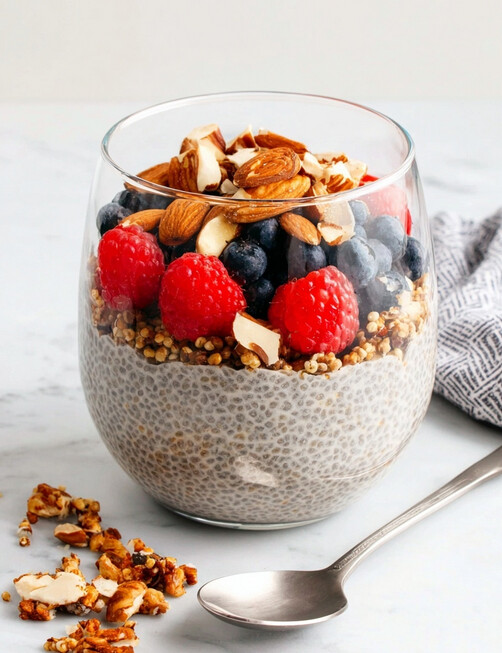
Craving porridge but want to keep things light? This brilliant no-cook jar uses chia and hemp seeds to mimic the creamy, thick comfort of traditional oatmeal. You just stir it up the night before and wake up to breakfast.
The macro logic here: By relying entirely on seeds instead of grains, this bowl delivers 4.8g of fiber against just 2.6g of net carbs, offering a very low-glycemic start to the day.
🕒 Active Prep: 10 minutes
2.6g Net Carbs •4.8g Fiber •1g Sugar • 8.8g Protein • 211 kcal
These savory little cups are the ultimate meal prep secret. Stuffed with crispy bacon, sharp cheddar, and hidden broccoli, they bake into portable, savory pucks that taste incredible straight from the microwave.
Why this snack makes the cut: Combining lean protein with nonstarchy veg in a pre-portioned size keeps the net carbs at just 3.5g per serving, perfect for maintaining a balanced macro profile on the run.
🕒 Total Time: 55 minutes
3.5g Net Carbs •1g Fiber •2.2g Sugar • 16.1g Protein • 230 kcal
When you need something fast that actually satisfies, these spinach squares are the answer. Packed with two kinds of cheese, they have a rich, savory depth that turns a simple morning meal into something you actually look forward to.
The carb-conscious logic: Using egg to bind fresh spinach and cheese keeps this vegetarian option highly satisfying with 18.3g of protein and just 2.5g of net carbs.
🕒 Ready in: 35 minutes
2.5g Net Carbs •1.1g Fiber •0.9g Sugar • 18.3g Protein • 215 kcal
You won’t believe how easy these are. With a cream cheese base, they cook up into tender, slightly sweet rounds that rival your favorite diner stack. Ready in minutes, they are the ultimate fast sweet-tooth fix.
How it balances your macros: Eliminating flour entirely in favor of an egg and cream cheese batter keeps these pancakes at an impressive 3g of net carbs per serving.
🕒 Ready in: 12 minutes
3g Net Carbs •0g Fiber •0g Sugar • 12g Protein • 338 kcal
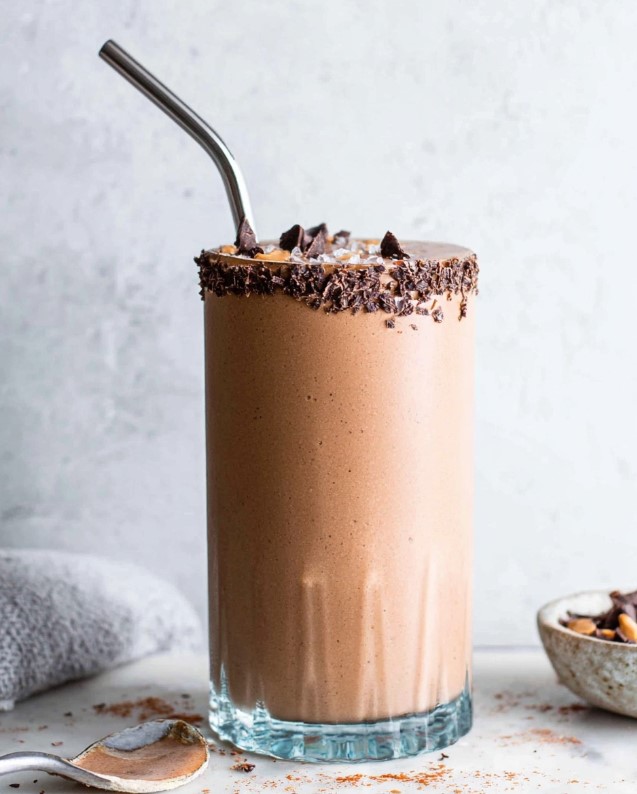
It tastes exactly like a liquid peanut butter cup, but is built entirely for your morning fuel. A hit of vanilla and sea salt makes the rich, cocoa-nutty flavor pop without needing a drop of extra sweetener. Just blend and go.
Why this drink works: Offering a hefty 8g of fiber from nuts and cocoa, this smoothie yields 6g of net carbs, creating a satisfying beverage option that doesn’t rely on fruit juices.
🕒 Ready in: 5 minutes
6g Net Carbs •8g Fiber •2g Sugar • 11g Protein • 310 kcal
Missing the warm, cinnamon-scented allure of a weekend diner? These clever pan-fried slices capture that exact magic. Made from a specialty low-carb batter, they boast a buttery, spiced crust that holds up beautifully to sugar-free syrup.
The macro logic here: By skipping traditional brioche, this innovative recipe drops to 3.5g of net carbs, allowing you to enjoy a classic sweet profile while honoring your dietary goals.
🕒 Total Time: 1 hour
3.5g Net Carbs •2g Fiber •1.5g Sugar • 6g Protein • 267 kcal
Sometimes you just need a delicate, sweet finish to round out the list. This vanilla-infused jar is the ultimate sleeper hit—just whisk, chill, and enjoy a thick, tapioca-like pudding that works as either breakfast or a midday snack.
The carb-conscious breakdown: Chia seeds are a fiber powerhouse. With 9g of fiber offsetting the total carbs, this little jar nets out at just 3g of carbs, making it an incredibly smart sweet treat.
🕒 Active Prep: 7 minutes
3g Net Carbs •9g Fiber •1g Sugar • 5g Protein • 135 kcal
Flour alternatives: If you are modifying your own family recipes, try swapping traditional wheat flour for almond or coconut flour to significantly pull down the carb count. Keep in mind, they absorb liquids differently!
Mastering meal prep: Egg bakes and frittatas store beautifully. Cut them into individual squares and keep them in airtight glass containers for up to four days for an instant morning fix.
Mind the macros: Many of these recipes shine because they anchor the meal with net carbs in the single digits, leaving room for a side of fresh berries if you like.
Round out the plate: If an egg cup feels too small on its own, use the Plate Method—pair it with a large serving of nonstarchy greens, like a quick side salad dressed in olive oil.
Common Questions, Answered
Are eggs okay for a diabetes-friendly morning?
Yes, eggs are widely considered a staple for carb-conscious mornings. They provide high-quality protein and contain virtually zero carbohydrates, which can help you feel full without impacting your blood sugars the way a starchy bagel would.
What’s the difference between total carbs and net carbs?
Total carbs count every carbohydrate in the food. Net carbs are calculated by subtracting the grams of fiber from the total carbs. Since the body doesn’t digest fiber in the same way, many people managing their macros focus on net carbs to gauge a meal’s impact.
Can I swap milk for heavy cream in these bakes?
Usually, yes! If a recipe calls for milk, swapping to heavy cream or unsweetened almond milk can lower the sugar content even further. Just be aware that heavy cream will add more calories and richness to the final dish.
How do I store leftover breakfast casseroles?
Let the casserole cool completely before slicing. Store the portions in a sealed container in the refrigerator for up to 3–4 days. They reheat exceptionally well in the microwave or a toaster oven.
Which of these savory skillets or sweet faux-oats will make it onto your weekend prep list? Be sure to pin this collection so you always have a quick, macro-friendly idea ready when the morning rush hits.
The recipes and nutritional information provided in this collection are for educational and informational purposes only and are not a substitute for professional medical, dietary, or nutritional advice. Because carb tolerance and dietary needs are highly individual, always consult your physician, a registered dietitian, or a Certified Diabetes Care and Education Specialist before making changes to your diet, especially if you take insulin or other medications. You must actively monitor your own blood sugar response to any new foods. The statements on this site have not been evaluated by the FDA, are not intended to diagnose, treat, cure, or prevent any disease, and all provided nutrition values are rough estimates rather than guarantees.
Kristina Hanson is an independent wellness researcher and the founder of DailyZests. She specializes in translating nutritional science into simple, delicious recipes that fit into real life. When she isn’t in the kitchen, you’ll find her hiking the trails or enjoying a slow morning coffee with her Golden Retriever, Barnaby. Read her full story.
This is such a helpful article! I’m always struggling to come up with breakfast ideas that are both low-carb and satisfying. I’m excited to try the egg muffins and the savory oatmeal. I’m a little confused about the carbohydrate recommendation, though. You suggest aiming for less than 40 grams of carbs per meal, but is that net carbs or total carbs? And does that include the carbs from non-starchy vegetables?
Hi Lisa, thanks for your question! It’s a common point of confusion. When I mention aiming for less than 40 grams of carbs per meal, I’m referring to total carbs, not net carbs. This is because, for people with diabetes, it’s important to consider the total amount of carbohydrates they consume, as all carbs will eventually be broken down into glucose and affect blood sugar. This number does include carbs from non-starchy vegetables, but don’t worry too much about those, as they are generally low in carbs and high in fiber, which helps to slow down glucose absorption. The main focus should be on limiting starchy carbs like grains, bread, and sugary foods. I hope that clears things up!
These recipes sound great, but I’m not a big fan of eggs. Are there any options that are egg-free or where eggs aren’t the main ingredient? I have a slight allergy to eggs.
Hi Michelle, absolutely! While eggs are a great source of protein, they’re definitely not the only option for a low-carb breakfast. There are plenty of egg-free or egg-reduced recipes in the article that you can enjoy. For completely egg-free options, check out the Greek Yogurt Parfait, the Oatmeal with Berries and Nuts, the Savory Oatmeal (without the egg), the Breakfast Quinoa Bowl, the Tofu or Chickpea Scramble, the Breakfast Salad, the Chia Seed Pudding, the Lentil Soup, the Tuna Salad with Avocado, or the simple Berries with Ricotta Cheese. If you can tolerate a small amount of egg, you could also try the Cottage Cheese Pancakes (you might be able to substitute the egg with a flax egg – 1 tbsp ground flaxseed meal mixed with 3 tbsp water), the Almond Flour Muffins, or the Berry Cobbler with Almond Flour Crumble. You can also modify the Breakfast “Fried” Rice to be egg-free by adding more vegetables or tofu for protein. I hope this gives you some delicious egg-free options to explore!
This is a very comprehensive list of breakfast ideas! I appreciate the focus on low-carb options for diabetes management. I’m a big fan of oatmeal, but I’ve been hesitant to eat it since my diagnosis. The article mentions savory oatmeal – that’s a new concept for me! Do you have any specific suggestions for savory oatmeal toppings or flavor combinations?
Hi Carol, thanks for your comment! I’m glad you found the list helpful. Savory oatmeal is definitely a great way to enjoy oatmeal while keeping your blood sugar in check. It’s much more versatile than people often realize!
There are tons of delicious savory topping combinations. Some of my favorites include:
Sautéed Mushrooms and Spinach: Sauté sliced mushrooms and spinach with a little garlic and olive oil, then stir them into your cooked oatmeal. A sprinkle of Parmesan cheese or a poached egg on top adds extra flavor and protein.
Avocado and Everything Bagel Seasoning: Top your oatmeal with mashed avocado and a generous sprinkle of everything bagel seasoning for a savory and satisfying breakfast.
Fried Egg and Hot Sauce: A simple fried egg on top of plain oatmeal with a dash of your favorite hot sauce is a quick and easy option.
Shredded Cheese and Salsa: Stir in some shredded cheddar or Monterey Jack cheese and top with salsa for a Southwestern-inspired oatmeal.
You can also use broth instead of water or milk to cook your oatmeal for an even more savory base. Don’t be afraid to experiment with different herbs, spices, and vegetables to find your favorite combinations!
This article is packed with great information! I especially appreciate the section on what to look for when eating out. It can be so difficult to find diabetes-friendly options at restaurants. I’m wondering about portion sizes. Even if I choose a low-carb option, how can I make sure I’m not eating too much?
Hi Dorothy, thanks for your question! I’m glad the tips for eating out were helpful. Navigating restaurant menus with diabetes can definitely be challenging. You’re right, portion control is crucial, even with healthy choices.
Here are a few strategies you can use:
Be Mindful of Serving Sizes: Before you start eating, try to visually divide your plate in half. Fill half with non-starchy vegetables, a quarter with lean protein, and a quarter with a complex carbohydrate. This “plate method” can help you estimate appropriate portions.
Ask for Half Portions or Share a Dish: Many restaurants offer half portions or are willing to split a dish for you. This is a great way to control your intake.
Order Sides Carefully: Choose sides like a side salad with vinaigrette dressing (on the side), steamed vegetables, or a small portion of brown rice instead of high-carb options like fries or mashed potatoes.
Use Smaller Plates and Bowls: At home, using smaller plates and bowls can trick your brain into thinking you’re eating more than you actually are.
Listen to Your Body’s Hunger Cues: Pay attention to when you start to feel full and stop eating, even if there’s still food on your plate.
By being mindful of portion sizes, you can enjoy dining out while still managing your diabetes effectively.
Wow, this is a lot to take in! I was recently diagnosed with prediabetes, and my doctor told me to cut back on carbs. Breakfast has always been my favorite meal, and I’m a bit of a toast and cereal gal… so this is a big change for me. I’m intrigued by the egg muffins and the chia seed pudding – they seem easy enough to make ahead of time. But I’m a little skeptical about the lentil soup for breakfast. Is that really a breakfast food? Also, I’m a bit confused – the article says to aim for less than 40g of carbs, but then mentions oatmeal as an option. Oatmeal has carbs, right? Help! I don’t want to mess this up!
Hi Martha! Thanks for your comment! I understand that changing your diet can be overwhelming, especially when it comes to breakfast – the most important meal of the day, as they say! Those egg muffins and chia seed pudding are great starting points – super easy to prep ahead, like you said. As for lentil soup, I know it sounds unusual for breakfast in some cultures, but it’s actually quite common in other parts of the world! It’s packed with fiber and protein, which is great for keeping you full and stabilizing blood sugar. Think of it as a savory alternative to oatmeal. But hey, if it’s not your thing, no worries! Plenty of other options to choose from. Regarding your question about oatmeal – you’re right, it does have carbs. But it also has fiber, which helps slow down the absorption of those carbs, leading to a more gradual rise in blood sugar. The key is to choose whole-grain oats and watch your portion size. And remember, less than 40g is just a general guideline, and it’s per meal, not per food. You can also adjust it based on your individual needs and how your body reacts. You’ve got this, Martha! One step at a time.
These recipes sound delicious! I’ve been living with type 2 diabetes for a few years now, and I’m always on the lookout for new breakfast ideas. I’m particularly excited about the Tofu Scramble and the Breakfast Salad. But I have a question about sweeteners. You mention using stevia or erythritol in the chia seed pudding. Are those really safe for people with diabetes? I’ve heard mixed things. And what about honey or maple syrup? The article mentions using them “sparingly” in the quinoa bowl – how sparingly are we talking? Also, and this is a bit off-topic, but I’m a huge coffee drinker. Is it okay to have coffee with these low-carb breakfasts? Thanks for the great article! It’s so helpful to have all this info in one place.
Hi Lisa! Glad you’re finding the recipes inspiring! Tofu Scramble and Breakfast Salad are definitely tasty and healthy choices. Regarding sweeteners, that’s a great question. Stevia and erythritol are generally considered safe for people with diabetes because they don’t raise blood sugar levels like regular sugar does. However, some people might experience digestive issues with erythritol, so it’s always best to start with a small amount and see how your body reacts. As for honey and maple syrup, “sparingly” means just a drizzle – think a teaspoon or less. They do contain sugar, so they can affect blood sugar levels. And yes, you can definitely enjoy your coffee! Just be mindful of what you add to it. Unsweetened almond milk or a splash of heavy cream are good low-carb options. Black coffee is always a safe bet, too. Moderation is key. Hope this helps, Lisa! Enjoy your coffee and your low-carb breakfast adventures!




 This post may contain affiliate links.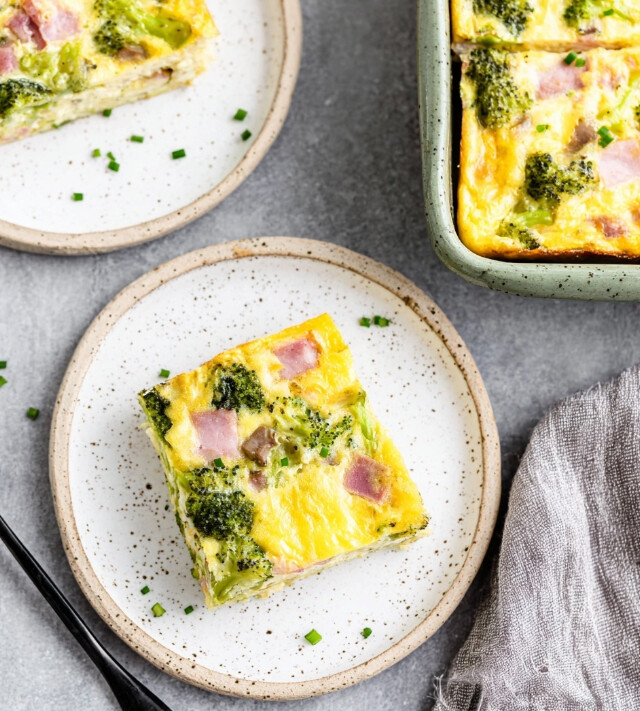














This is such a helpful article! I’m always struggling to come up with breakfast ideas that are both low-carb and satisfying. I’m excited to try the egg muffins and the savory oatmeal. I’m a little confused about the carbohydrate recommendation, though. You suggest aiming for less than 40 grams of carbs per meal, but is that net carbs or total carbs? And does that include the carbs from non-starchy vegetables?
Hi Lisa, thanks for your question! It’s a common point of confusion. When I mention aiming for less than 40 grams of carbs per meal, I’m referring to total carbs, not net carbs. This is because, for people with diabetes, it’s important to consider the total amount of carbohydrates they consume, as all carbs will eventually be broken down into glucose and affect blood sugar. This number does include carbs from non-starchy vegetables, but don’t worry too much about those, as they are generally low in carbs and high in fiber, which helps to slow down glucose absorption. The main focus should be on limiting starchy carbs like grains, bread, and sugary foods. I hope that clears things up!
These recipes sound great, but I’m not a big fan of eggs. Are there any options that are egg-free or where eggs aren’t the main ingredient? I have a slight allergy to eggs.
Hi Michelle, absolutely! While eggs are a great source of protein, they’re definitely not the only option for a low-carb breakfast. There are plenty of egg-free or egg-reduced recipes in the article that you can enjoy. For completely egg-free options, check out the Greek Yogurt Parfait, the Oatmeal with Berries and Nuts, the Savory Oatmeal (without the egg), the Breakfast Quinoa Bowl, the Tofu or Chickpea Scramble, the Breakfast Salad, the Chia Seed Pudding, the Lentil Soup, the Tuna Salad with Avocado, or the simple Berries with Ricotta Cheese. If you can tolerate a small amount of egg, you could also try the Cottage Cheese Pancakes (you might be able to substitute the egg with a flax egg – 1 tbsp ground flaxseed meal mixed with 3 tbsp water), the Almond Flour Muffins, or the Berry Cobbler with Almond Flour Crumble. You can also modify the Breakfast “Fried” Rice to be egg-free by adding more vegetables or tofu for protein. I hope this gives you some delicious egg-free options to explore!
This is a very comprehensive list of breakfast ideas! I appreciate the focus on low-carb options for diabetes management. I’m a big fan of oatmeal, but I’ve been hesitant to eat it since my diagnosis. The article mentions savory oatmeal – that’s a new concept for me! Do you have any specific suggestions for savory oatmeal toppings or flavor combinations?
Hi Carol, thanks for your comment! I’m glad you found the list helpful. Savory oatmeal is definitely a great way to enjoy oatmeal while keeping your blood sugar in check. It’s much more versatile than people often realize!
There are tons of delicious savory topping combinations. Some of my favorites include:
Sautéed Mushrooms and Spinach: Sauté sliced mushrooms and spinach with a little garlic and olive oil, then stir them into your cooked oatmeal. A sprinkle of Parmesan cheese or a poached egg on top adds extra flavor and protein.
Avocado and Everything Bagel Seasoning: Top your oatmeal with mashed avocado and a generous sprinkle of everything bagel seasoning for a savory and satisfying breakfast.
Fried Egg and Hot Sauce: A simple fried egg on top of plain oatmeal with a dash of your favorite hot sauce is a quick and easy option.
Shredded Cheese and Salsa: Stir in some shredded cheddar or Monterey Jack cheese and top with salsa for a Southwestern-inspired oatmeal.
You can also use broth instead of water or milk to cook your oatmeal for an even more savory base. Don’t be afraid to experiment with different herbs, spices, and vegetables to find your favorite combinations!
This article is packed with great information! I especially appreciate the section on what to look for when eating out. It can be so difficult to find diabetes-friendly options at restaurants. I’m wondering about portion sizes. Even if I choose a low-carb option, how can I make sure I’m not eating too much?
Hi Dorothy, thanks for your question! I’m glad the tips for eating out were helpful. Navigating restaurant menus with diabetes can definitely be challenging. You’re right, portion control is crucial, even with healthy choices.
Here are a few strategies you can use:
Be Mindful of Serving Sizes: Before you start eating, try to visually divide your plate in half. Fill half with non-starchy vegetables, a quarter with lean protein, and a quarter with a complex carbohydrate. This “plate method” can help you estimate appropriate portions.
Ask for Half Portions or Share a Dish: Many restaurants offer half portions or are willing to split a dish for you. This is a great way to control your intake.
Order Sides Carefully: Choose sides like a side salad with vinaigrette dressing (on the side), steamed vegetables, or a small portion of brown rice instead of high-carb options like fries or mashed potatoes.
Use Smaller Plates and Bowls: At home, using smaller plates and bowls can trick your brain into thinking you’re eating more than you actually are.
Listen to Your Body’s Hunger Cues: Pay attention to when you start to feel full and stop eating, even if there’s still food on your plate.
By being mindful of portion sizes, you can enjoy dining out while still managing your diabetes effectively.
Wow, this is a lot to take in! I was recently diagnosed with prediabetes, and my doctor told me to cut back on carbs. Breakfast has always been my favorite meal, and I’m a bit of a toast and cereal gal… so this is a big change for me. I’m intrigued by the egg muffins and the chia seed pudding – they seem easy enough to make ahead of time. But I’m a little skeptical about the lentil soup for breakfast. Is that really a breakfast food? Also, I’m a bit confused – the article says to aim for less than 40g of carbs, but then mentions oatmeal as an option. Oatmeal has carbs, right? Help! I don’t want to mess this up!
Hi Martha! Thanks for your comment! I understand that changing your diet can be overwhelming, especially when it comes to breakfast – the most important meal of the day, as they say! Those egg muffins and chia seed pudding are great starting points – super easy to prep ahead, like you said. As for lentil soup, I know it sounds unusual for breakfast in some cultures, but it’s actually quite common in other parts of the world! It’s packed with fiber and protein, which is great for keeping you full and stabilizing blood sugar. Think of it as a savory alternative to oatmeal. But hey, if it’s not your thing, no worries! Plenty of other options to choose from. Regarding your question about oatmeal – you’re right, it does have carbs. But it also has fiber, which helps slow down the absorption of those carbs, leading to a more gradual rise in blood sugar. The key is to choose whole-grain oats and watch your portion size. And remember, less than 40g is just a general guideline, and it’s per meal, not per food. You can also adjust it based on your individual needs and how your body reacts. You’ve got this, Martha! One step at a time.
These recipes sound delicious! I’ve been living with type 2 diabetes for a few years now, and I’m always on the lookout for new breakfast ideas. I’m particularly excited about the Tofu Scramble and the Breakfast Salad. But I have a question about sweeteners. You mention using stevia or erythritol in the chia seed pudding. Are those really safe for people with diabetes? I’ve heard mixed things. And what about honey or maple syrup? The article mentions using them “sparingly” in the quinoa bowl – how sparingly are we talking? Also, and this is a bit off-topic, but I’m a huge coffee drinker. Is it okay to have coffee with these low-carb breakfasts? Thanks for the great article! It’s so helpful to have all this info in one place.
Hi Lisa! Glad you’re finding the recipes inspiring! Tofu Scramble and Breakfast Salad are definitely tasty and healthy choices. Regarding sweeteners, that’s a great question. Stevia and erythritol are generally considered safe for people with diabetes because they don’t raise blood sugar levels like regular sugar does. However, some people might experience digestive issues with erythritol, so it’s always best to start with a small amount and see how your body reacts. As for honey and maple syrup, “sparingly” means just a drizzle – think a teaspoon or less. They do contain sugar, so they can affect blood sugar levels. And yes, you can definitely enjoy your coffee! Just be mindful of what you add to it. Unsweetened almond milk or a splash of heavy cream are good low-carb options. Black coffee is always a safe bet, too. Moderation is key. Hope this helps, Lisa! Enjoy your coffee and your low-carb breakfast adventures!